Introduction: A Rare Sight in the Finnish Lake District
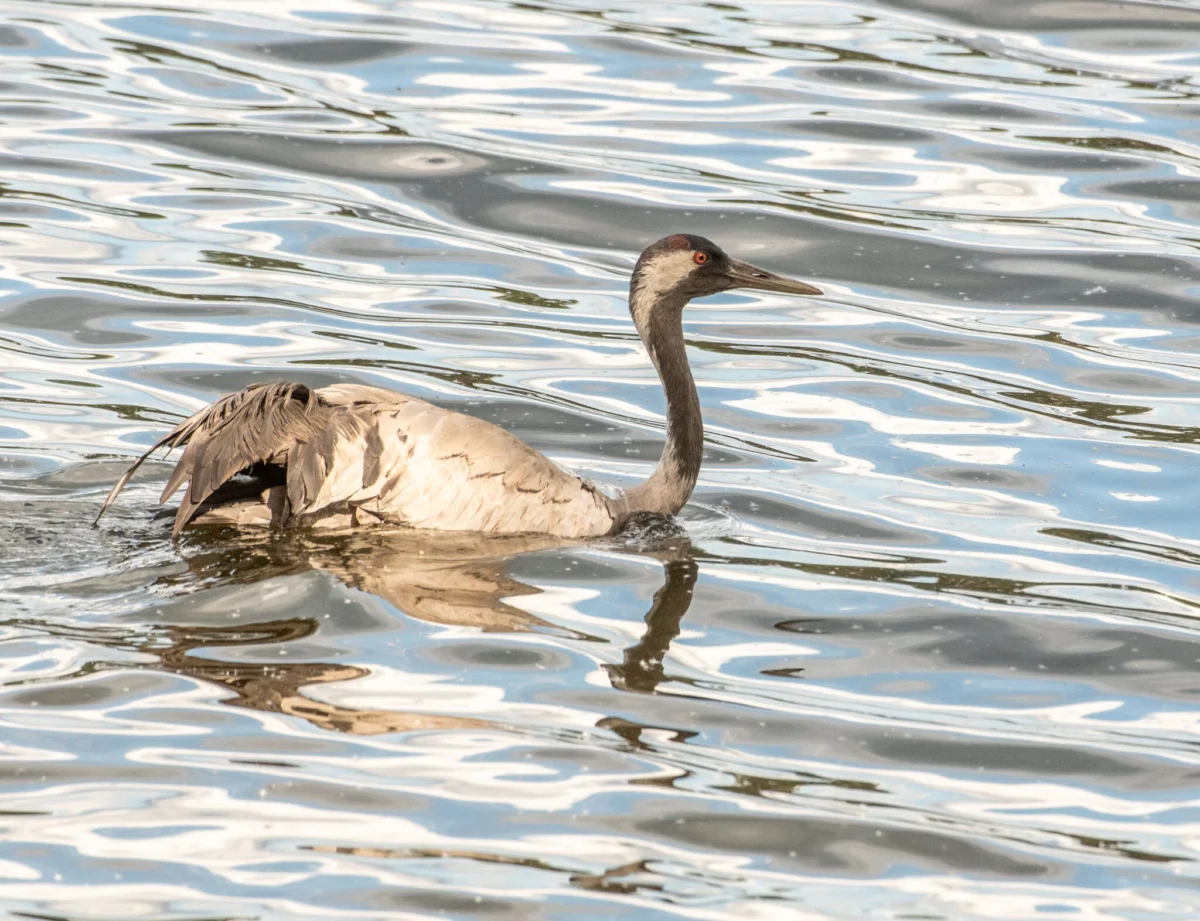
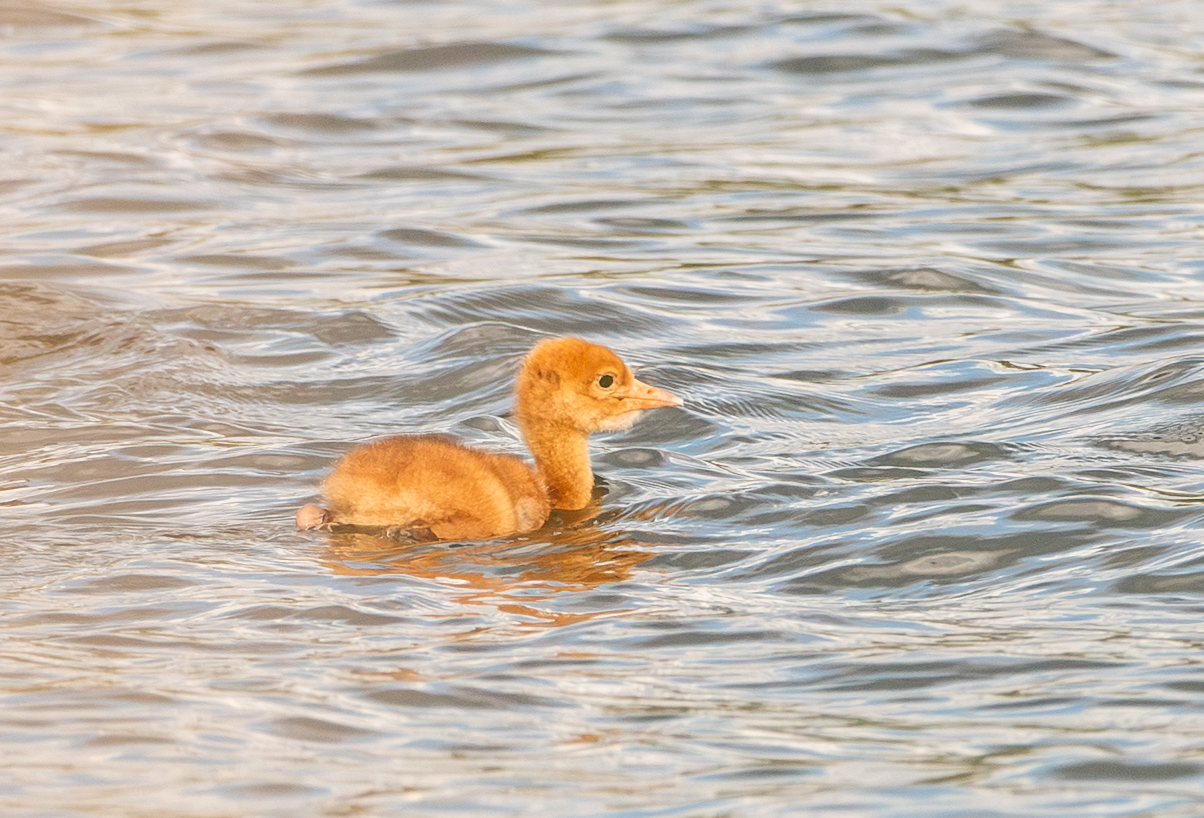
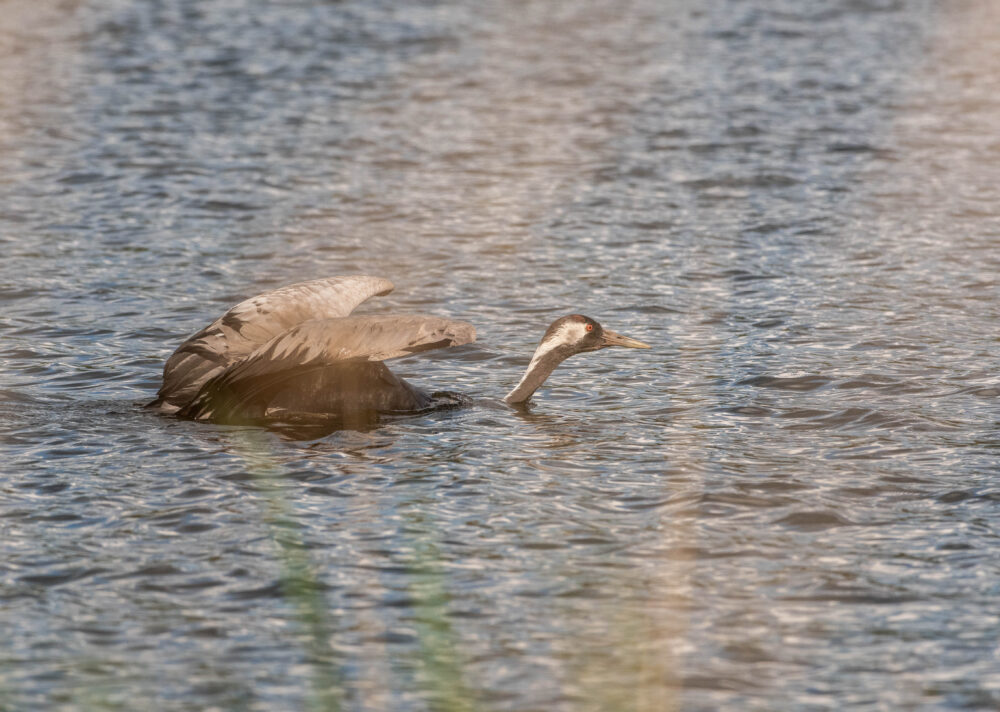
In the early hours of June 9, 2026, nature photographer and observer Samuli Haapasalo witnessed a scene so anomalous that it seemed to blur the line between reality and dream. On the open waters of a lake in Hauho, Finland, a pair of common cranes (Grus grus) was spotted embarking on a journey that defied standard behavioral expectations for the species. Instead of keeping their newly hatched chick hidden within the dense vegetation of their nesting ground—as is customary for cranes in early June—the parents chose to traverse 600 to 700 meters of open water.
This unusual maritime migration, captured in a series of striking photographs, offers a rare glimpse into the adaptability and protective instincts of one of Finland’s most iconic birds. The spectacle of the long-legged, terrestrial-dwelling cranes swimming across an open lake bay not only challenges our understanding of their territorial management but also highlights the complex decisions parents make to ensure the survival of their offspring.
Chronology: From the Nesting Ground to the Feeding Fields
The sequence of events leading to this aquatic trek began in late April, when the pair first established their nest. Following a standard incubation period of roughly four weeks, the egg hatched during the first week of June.
- April 2026: The pair selects a nesting site on a secluded, marshy shoreline.
- Early May 2026: The female lays her eggs.
- June 7, 2026: The chick hatches. While the previous day saw heavy rains—unsuitable for such a delicate journey—the arrival of clearer weather on June 9 provided the necessary window for the family to relocate.
- June 9, 2026: Observed at 09:00 local time, the family enters the water. The parents, having spent the previous days vocalizing restlessly during incubation handovers, commit to a 700-meter crossing. They move from the marshy nesting site toward a nutrient-rich oat field bordered by protective woodland.
The decision to migrate was likely prompted by the need for a more secure and diverse food source. The proximity of the oat field provides both the adult cranes and their vulnerable chick with a superior habitat, minimizing the risks associated with their original, more exposed nesting location.
Supporting Data and Observations
The observation of cranes swimming is inherently rare. Unlike waterfowl, cranes lack webbed feet and are anatomically adapted for wading and walking, not aquatic propulsion. However, the documentation provided by Haapasalo reveals several key tactical adaptations during this crossing.
1. Wing Positioning and Buoyancy
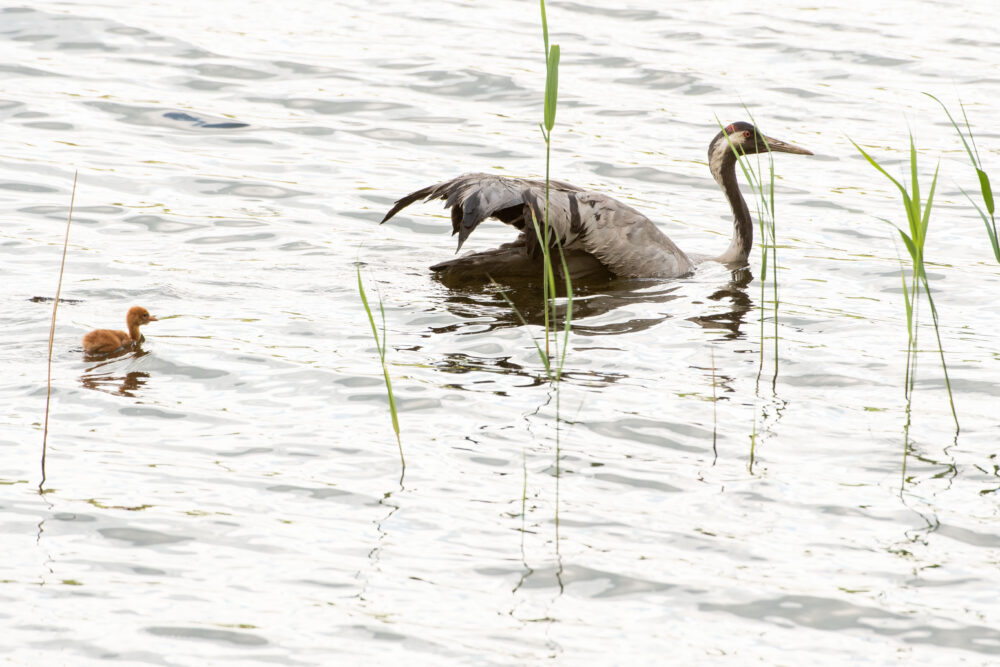
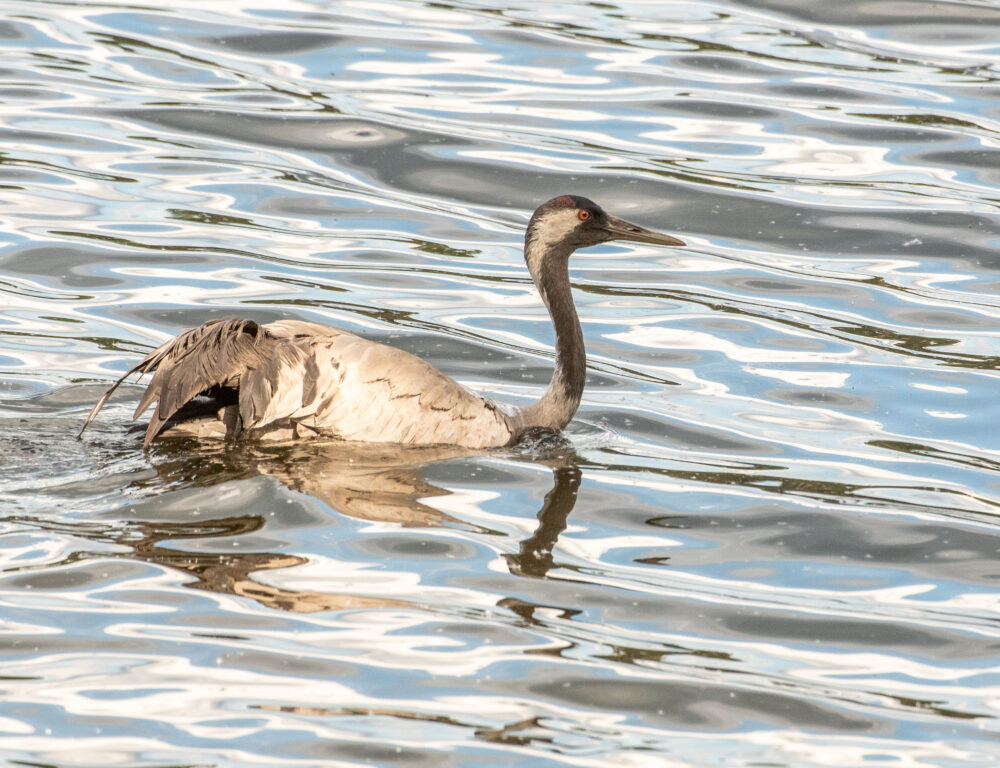
A significant observation during the swim was the positioning of the adult cranes’ wings. Throughout the journey, the parents held their wings partially elevated, ensuring the primary feathers remained dry. This is a critical survival mechanism: by keeping their wings dry, the adults remain capable of immediate takeoff should a predator approach, despite being in an environment where their usual running takeoff is impossible.
2. Territorial Coordination
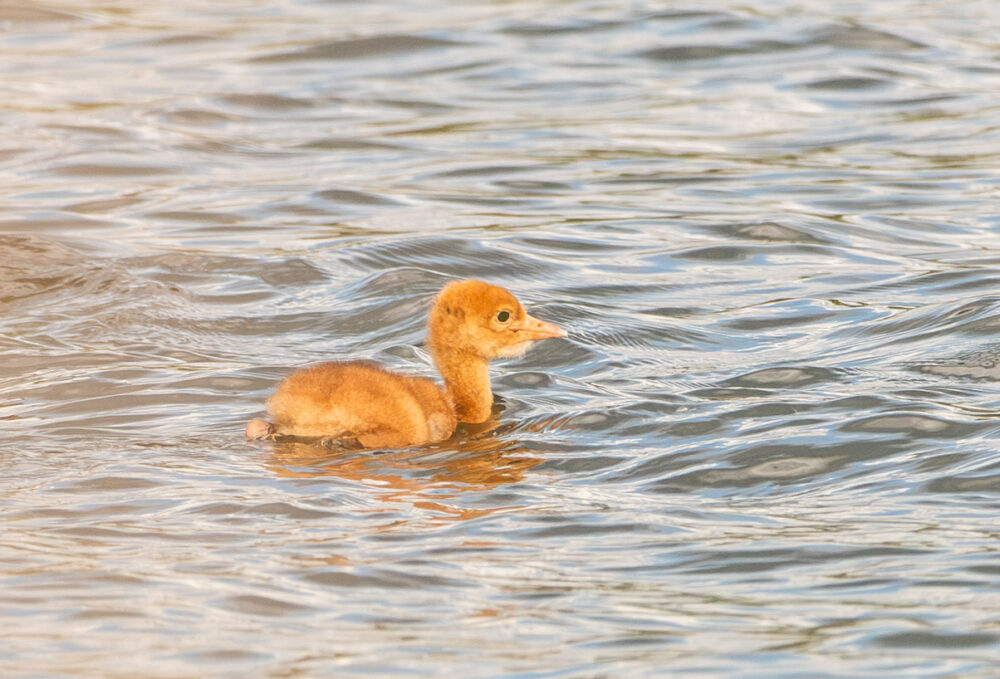
The parents displayed a high degree of spatial awareness. One adult led the way, while the other maintained a position closer to the shore, effectively acting as a vanguard against potential threats. The chick followed, bobbing buoyantly on the small ripples of the bay. They maintained a distance of 5 to 10 meters from the shoreline, occasionally venturing up to 70 meters out into the open water to bypass obstacles.
3. Environmental Pressure
The move was not merely a matter of convenience. The restlessness noted in the days prior—characterized by frequent vocalizations during incubation changes—suggests that the parents were under environmental pressure, perhaps from potential predators or human disturbance. The shift to the oat field suggests a strategic move toward a more robust, sheltered environment.
Ornithological Implications
The behavior documented in Hauho forces a re-evaluation of the "hidden" phase of crane development. Ornithologists typically categorize the first few weeks of a crane chick’s life as a period of extreme concealment. To see a family willingly exposing themselves on open water suggests that the drive to reach high-quality foraging grounds can override the standard instinct to remain static.
This journey also underscores the "territory mastery" of the cranes. The parents clearly knew their environment well, navigating a path that would be impossible for an inexperienced or migratory pair. The fact that they successfully crossed a 700-meter expanse—a feat far more taxing than crossing a small stream—demonstrates a level of cognitive planning often underestimated in large avian species.
The Broader Context: Protecting Finnish Biodiversity
The survival of this chick remains the priority. With a development period of over two months before the fledgling can achieve full flight, the coming weeks are critical. The choice of the oat field is strategic; it provides the high-protein diet necessary for rapid growth.
However, this event also highlights the importance of preserving the diverse habitats that make such survival strategies possible. The "Vuosi luonnossa" (Year in Nature) project, led by observers like Samuli Haapasalo, plays a vital role in documenting these nuances. By tracking individual families, researchers gain a deeper understanding of how climate variations and land-use changes—such as the transition between wetlands and agricultural zones—influence reproductive success.
Implications for Conservation
The incident in Hauho serves as a microcosm for the challenges facing avian populations in Northern Europe. As habitats become increasingly fragmented, the ability of species like the common crane to adapt their movement patterns becomes a defining factor in their survival.
- Landscape Connectivity: The cranes’ ability to travel between a protected marsh and a nutrient-rich agricultural zone suggests that "buffer zones" are essential. If the landscape were entirely built-up, this family would have been forced to remain in a suboptimal, high-risk nesting area.
- Human Impact: The quiet observation of this event emphasizes the need for minimal human disturbance in nesting areas. Had there been high boat traffic or recreational activity on the lake, this family would likely not have felt safe enough to undertake their aquatic journey.
- Journalistic Value: High-quality, long-term observational journalism, such as that produced by the Suomen Luonto contributors, provides data points that are often missing from formal academic studies. These "anecdotal" observations are essential for building a complete picture of contemporary bird behavior in a changing climate.
Conclusion: A Legacy of Resilience
The image of the crane family navigating the open waters of the lake is more than just a beautiful photograph; it is a testament to the resilience of nature. It captures a moment of calculated risk, parental devotion, and the inherent drive for survival. As the chick continues to grow in the shelter of the forest-fringed oat field, it represents a successful start to a life that began with an extraordinary voyage.
For those interested in the future of these birds, the story of the Hauho crane family serves as a reminder of the fragility of our ecosystems. Supporting environmental journalism and habitat preservation is not merely an academic exercise—it is the frontline of ensuring that these rare, magnificent encounters continue to occur in our lakes and forests for generations to come.
This report is based on field observations by Samuli Haapasalo, documented as part of the "Vuosi luonnossa" project. For more updates on the status of this crane family and other Finnish wildlife, subscribe to Suomen Luonto.