Date: July 28, 2026
Author: Tapio Kujala
For the dedicated insect enthusiast, the Estonian landscape offers a tantalizing "forbidden fruit." While the distance from Helsinki to Tallinn is shorter than the drive to Hämeenlinna, the ecological divide across the Gulf of Finland is profound. This summer, the Finnish Entomological Society’s annual spring expedition crossed those waters, revealing a biodiversity hotspot teeming with species that remain elusive or absent on the northern side of the Baltic.
Main Facts: Bridging the Gulf
The expedition, while officially scheduled for a single weekend, proved that for the serious collector, four days is merely a prologue. The primary objective was to document the rich invertebrate fauna of Estonia’s coastal regions, which benefit from a slightly milder climate and different geological history than Finland.
The trip highlighted a recurring theme in northern European entomology: climate-driven migration. Many species common in Estonia have not yet successfully established permanent, thriving populations in Finland, or exist only as rare, localized anomalies. By leveraging the mobility of a private vehicle, our team was able to bypass the limitations of public transport, allowing for spontaneous "micro-expeditions" to coastal sites whenever the weather conditions—often volatile in late spring—offered a favorable window for activity.
Chronology of the Expedition
Thursday: The Arrival and Initial Discoveries
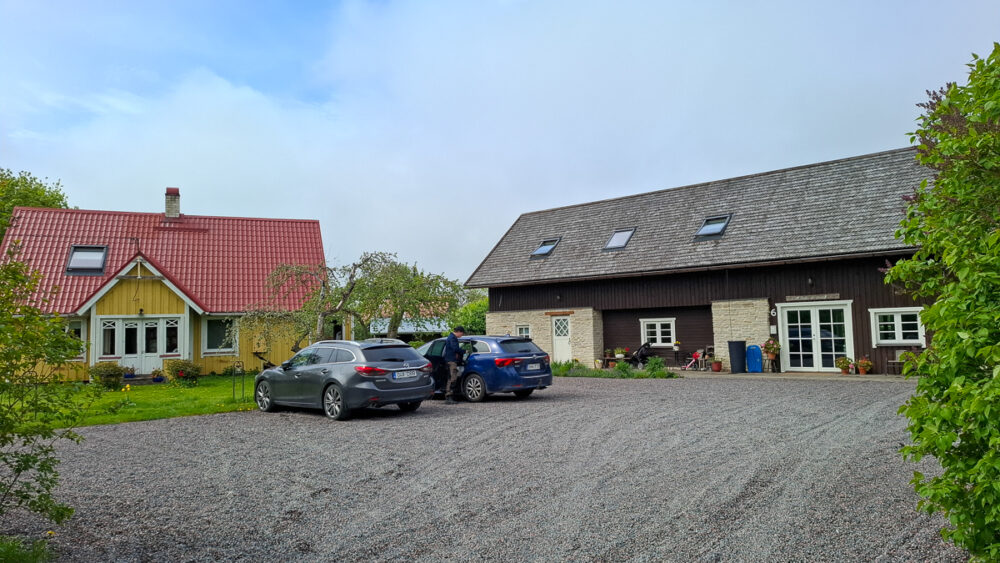
We arrived in Tallinn on Thursday, opting for an early start to maximize field time. Our base of operations was a charming, historic B&B in Muraste, situated roughly 20 kilometers west of the port. The site, Loo Kodu & Köök, is a testament to Estonian rural heritage, with a renovated 125-year-old granary serving as our accommodation.
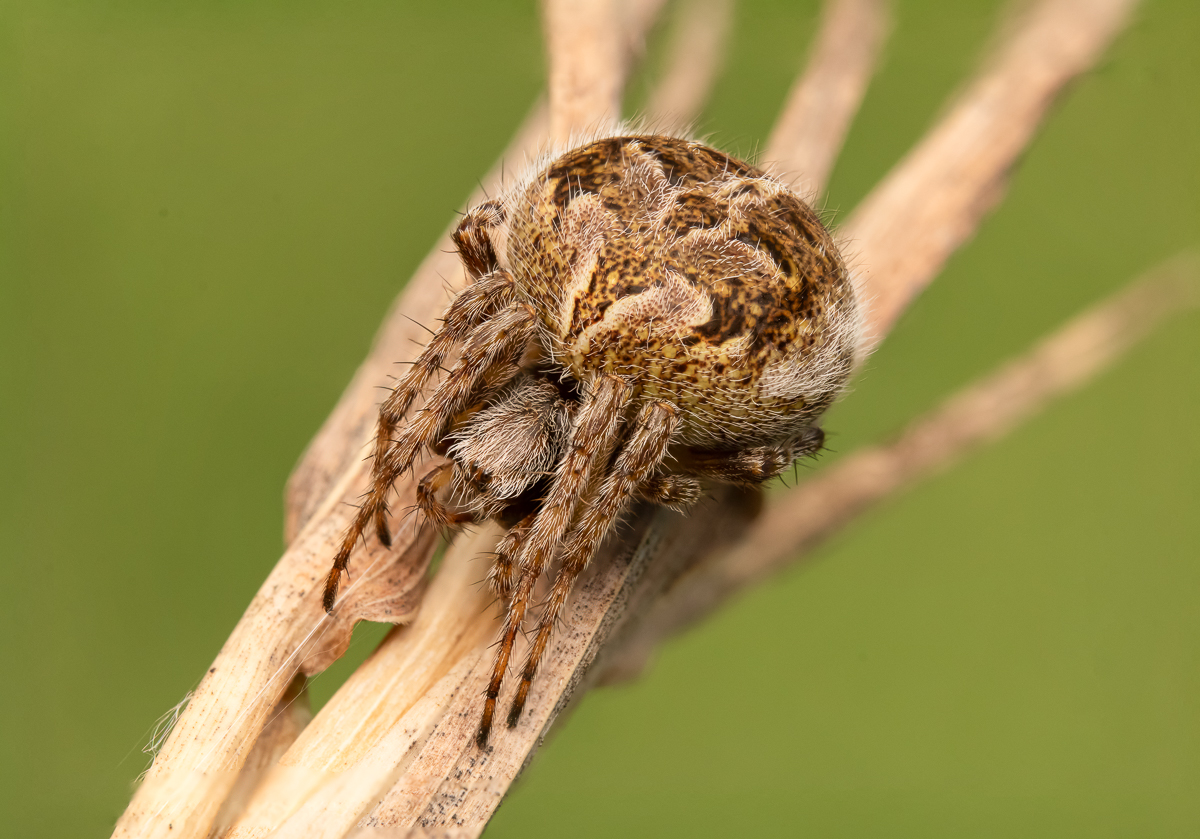
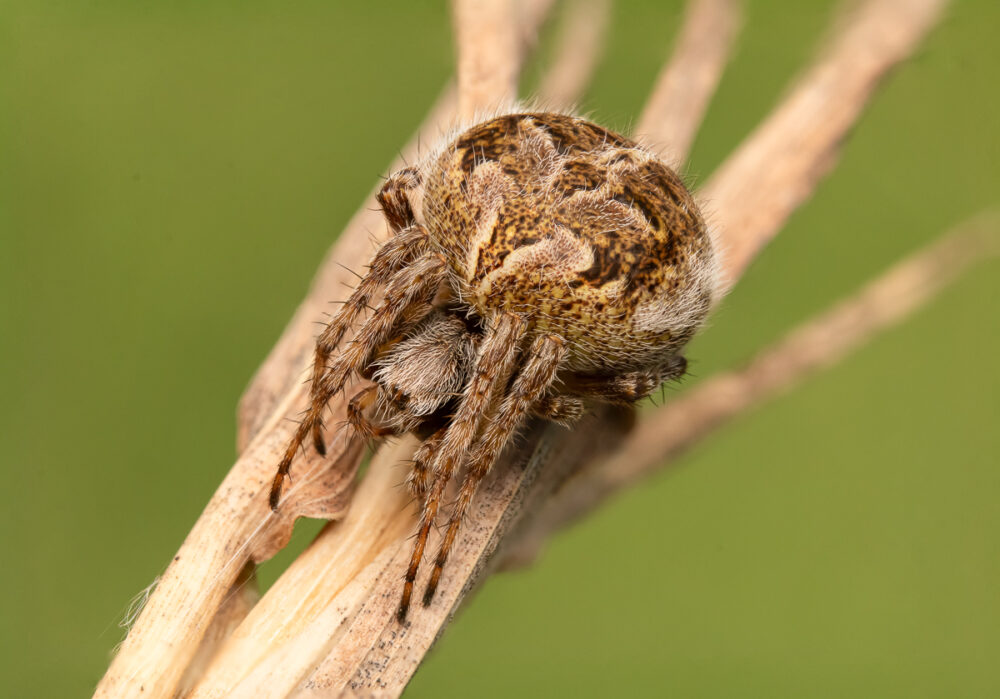
The weather on Thursday was characteristically challenging—cool, damp, and overcast. However, even under these conditions, the rewards were immediate. We identified several specimens of the Agalenatea redii, commonly known as the "Pörröäkki" or "hairy spider" in Finnish contexts. This spider, a member of the orb-weaver family, is currently classified as "near threatened" in Finland, yet it is notably more common in Estonia.

Friday: The Hunt for Coastal Specialists
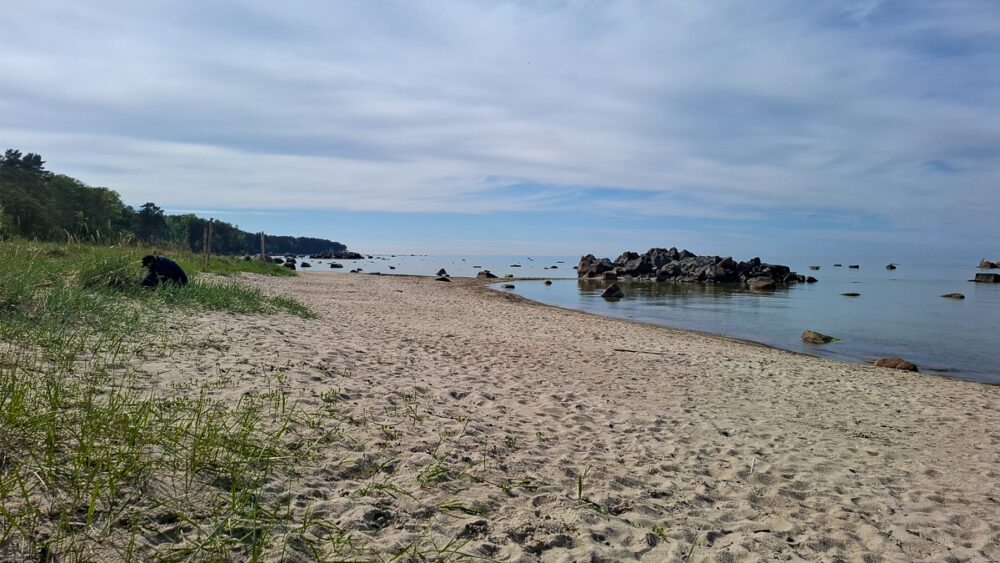
As the weather cleared on Friday, our focus shifted toward the mudflats and coastal sands—habitats that are often difficult to access during standard society outings. We targeted areas near Meriküla, where the intersection of freshwater runoff and saline Baltic water creates a unique niche for specialized invertebrates.
Supporting Data: Biodiversity and Niche Specialization
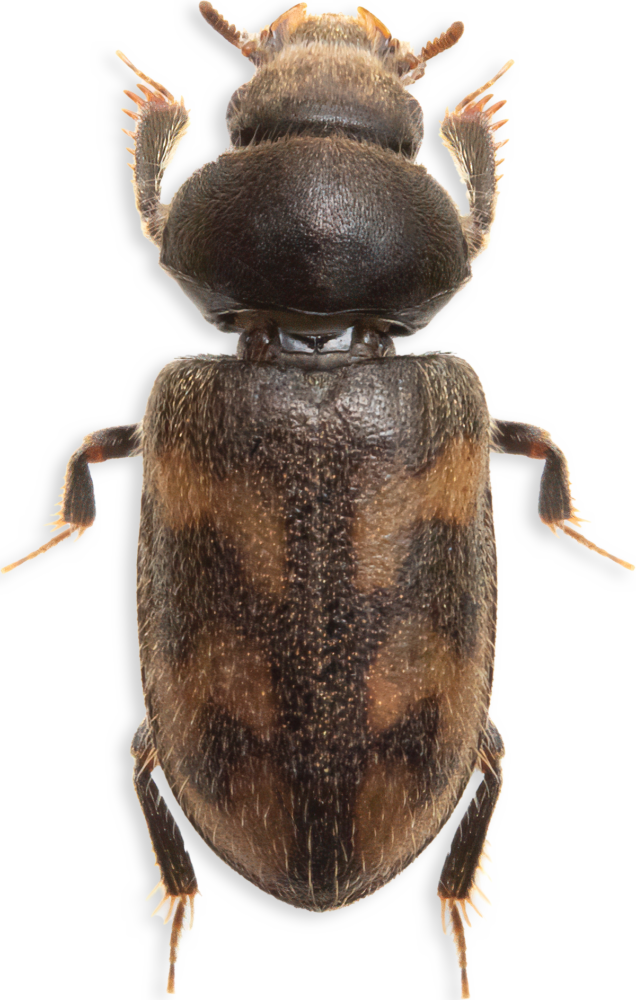
The most significant find of the excursion was the Augyles hispidulus (sand mud-beetle). This species, classified as endangered in Finland, is restricted to a narrow range of coastal sites, primarily between Kokkola and Oulu, with only a singular, dated observation in Vantaankoski.
The Mechanics of the Mud
Augyles hispidulus belongs to the family Heteroceridae. These beetles are master architects of the mud. Their behavior is a study in complex social adaptation:
- Excavation: Using their powerful, specialized forelegs, they burrow into the silt, creating intricate, labyrinthine tunnel systems.
- Communication: Remarkably, both adults and larvae produce audible sounds by stridulation—rubbing body parts together. This serves as a vital tool for locating mates in the darkness of their subterranean tunnels and potentially acts as a deterrent against predators.
- Feeding: They are filter feeders, separating algae and organic matter from sand grains as they navigate their subterranean environment.
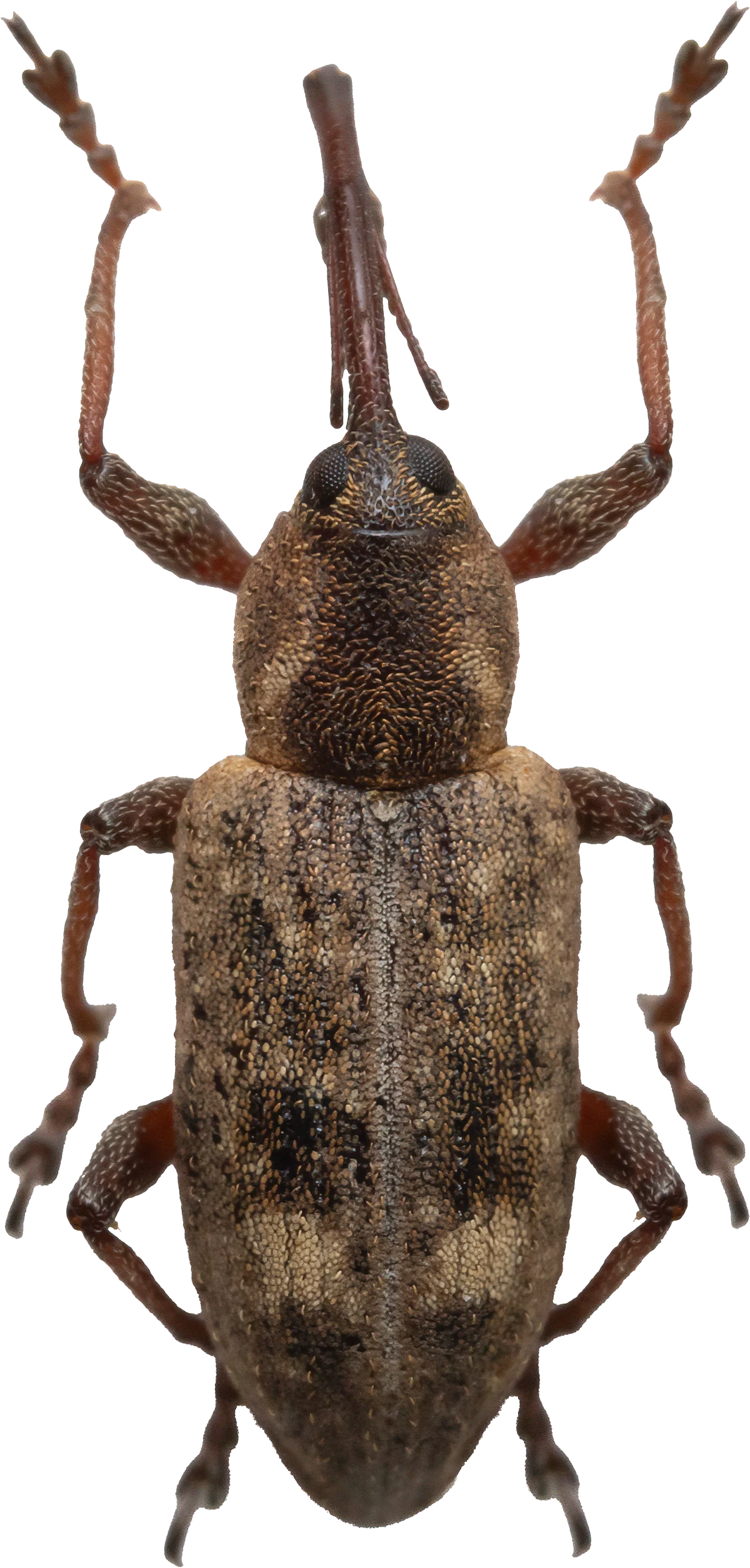
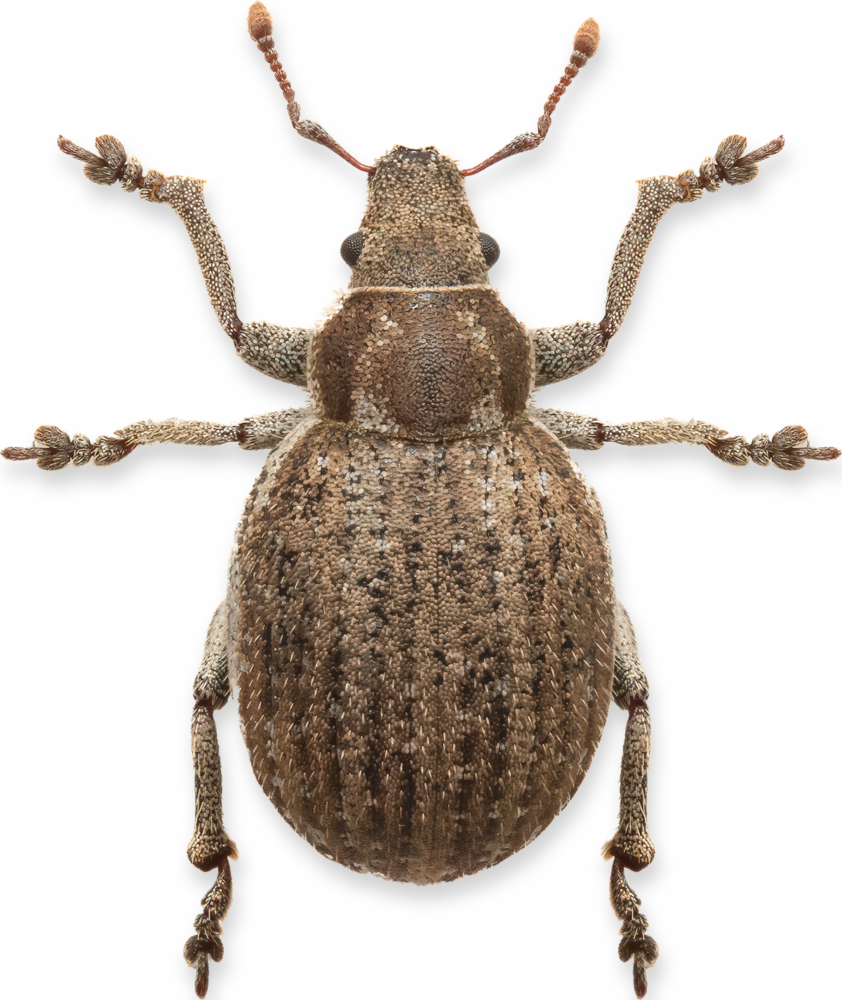
Furthermore, we encountered the Philopedon plagiatum (sand-dune weevil), a robust, short-snouted beetle perfectly adapted to the harsh, shifting environment of coastal dunes. Contrasting this was the Thryogenes festucae, a reed-dwelling weevil. Its morphology—a long, slender body where the snout constitutes nearly a third of its total length—is a masterclass in camouflage, allowing it to blend seamlessly into the stalks of lake reeds and sedges.
Professional Analysis: The Case of Pterostichus aethiops
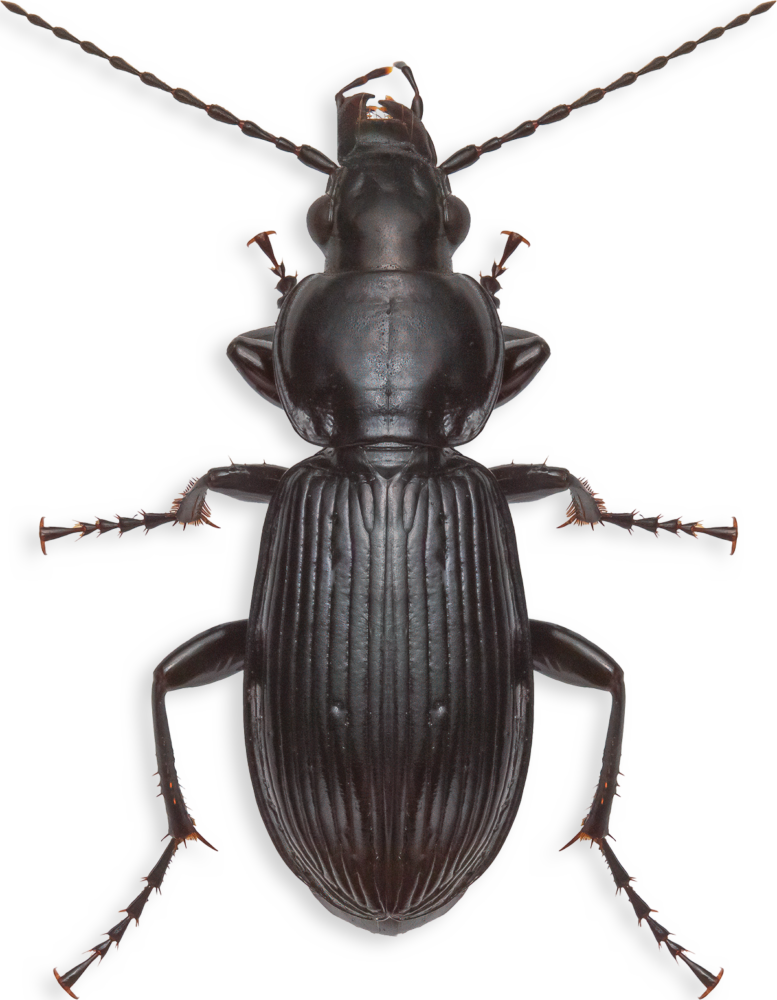
During our initial survey, we encountered a specimen of Pterostichus aethiops (the "kantosysikiitäjäinen"). The identification of this species is a rigorous exercise in morphological analysis.
"The identification of ground beetles in the Pterostichus genus is notoriously difficult," explains the field team. "It requires high-resolution macro-photography and a meticulous review of diagnostic keys. The primary features are found on the pronotum—specifically the grooves and depressions on the rear edges—and the distribution of puncture marks on the elytra. The coloration of the limbs and antennae also provides critical, if subtle, clues."
The discovery of Pterostichus aethiops, a predator that thrives in the shadows of old-growth forests and under the bark of decaying timber, served as a poignant reminder of the value of habitat preservation. In Finland, this species is considered rare, making the encounter a highlight of the trip.
Implications: Climate Change and Range Expansion
The data collected during this expedition underscores the importance of Estonia as a biological reservoir. As the climate warms, the Baltic Sea—once a formidable barrier for many insect species—is becoming increasingly permeable.
- Migration Patterns: We are observing a gradual northward movement of species. Estonia currently serves as a bridge, hosting populations that may, within the next decade, become established in Southern Finland.
- Conservation Strategy: The protection of coastal ecosystems in both countries is essential. The "mud-dwelling" species, which are highly sensitive to coastal development and pollution, are particularly vulnerable.
- The Amateur-Professional Nexus: The success of this trip relied heavily on the collaboration between the Finnish Entomological Society and local experts. This amateur-professional synergy is the backbone of modern entomology, providing the "boots-on-the-ground" data that informs larger ecological studies.
Final Reflections
The expedition to Estonia was not merely a collection trip; it was a deep dive into the interconnectedness of Baltic ecology. The ability to move freely with our own vehicle allowed us to respond to the specific, often fleeting, environmental conditions required to spot elusive species.
The logistical ease of the trip—the short ferry crossing, the availability of high-quality, history-rich accommodation, and the proximity of diverse habitats—makes Estonia a premier destination for any entomologist. As we look forward to the next expedition, the lessons learned in the mudflats of Muraste will undoubtedly guide our future methodology.
Expert Note: The study of insects is not just about the collection of specimens, but about understanding the intricate web of life that sustains our forests and shores. For those interested in seeing the photographic evidence of these findings, please visit my Instagram profile @hyonteismies, where I continue to document these fascinating, often overlooked, six-legged inhabitants of our world.
This article is part of a series covering the 2026 Finnish Entomological Society excursions. For more information on upcoming trips, or to support our ongoing research into northern biodiversity, consider subscribing to the Finnish Nature magazine (Suomen Luonto).