Introduction: A Region at the Edge
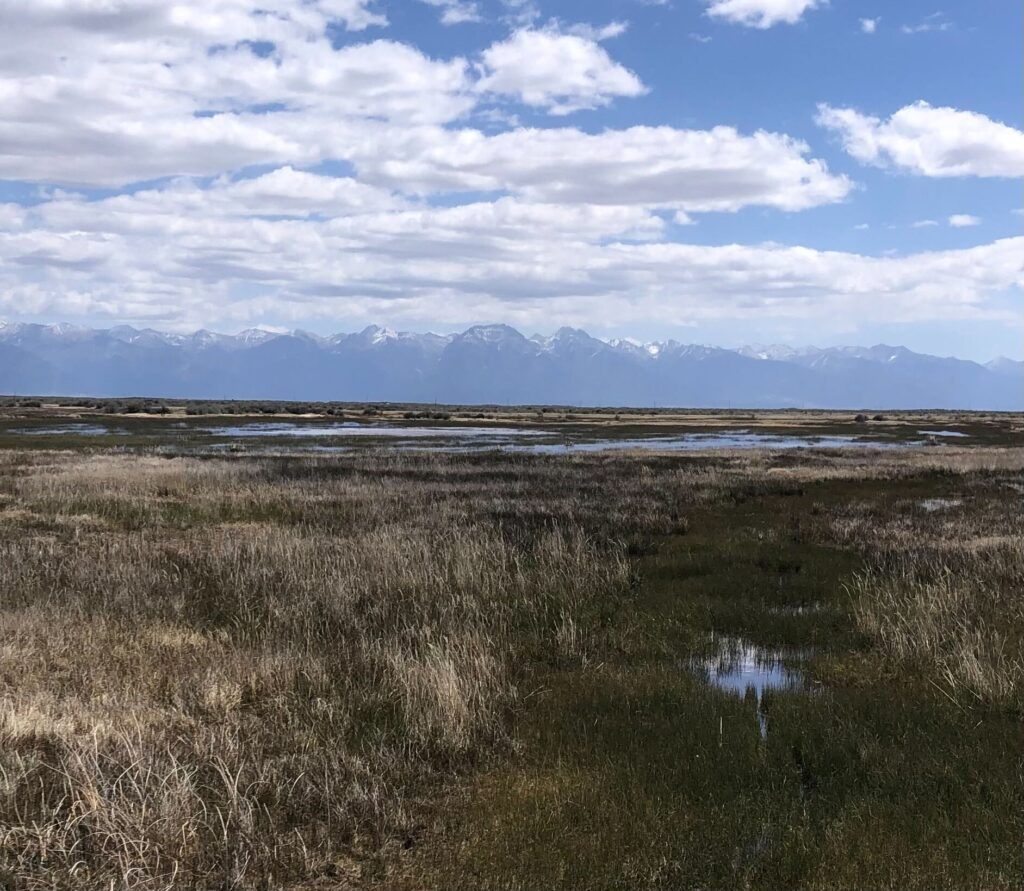
The San Luis Valley in Southern Colorado—a high-altitude basin that serves as the headwaters of the Rio Grande—is currently confronting a hydrological reality that is as stark as it is transformative. As the American Southwest grapples with what has been described as a "megadrought," the Valley is facing a historic, near-record-setting snow drought. The Snow Water Equivalent (SWE), the primary metric used by meteorologists to measure the liquid water content stored within the mountain snowpack, has reached levels among the lowest in recorded history.
This is not merely a statistical anomaly; it is a profound threat to the agricultural legacy, the ecological integrity, and the socioeconomic survival of one of Colorado’s most vital regions. The Rio Grande, once a roaring artery of the West, is under immense pressure from a trifecta of climate change, population growth, and over-allocation. However, in the face of this existential challenge, the San Luis Valley is emerging as a laboratory for the future of water management. Through a combination of ancient techniques modernized by 21st-century science, local communities are proving that resilience is not found in a single policy, but in a tapestry of innovative, collaborative, and multi-benefit projects.
The Chronology of Crisis and Adaptation
The current water emergency did not manifest overnight. It is the result of decades of climatic shifts that have progressively shortened the winter season and increased evaporation rates across the Colorado Plateau.
- Early 2000s: The onset of sustained regional drought conditions began to put significant pressure on the San Luis Valley’s confined and unconfined aquifers.
- 2010s: Declining streamflows in the Rio Grande headwaters led to the formation of the Rio Grande Basin Roundtable, forcing diverse stakeholders—farmers, municipalities, and environmentalists—to sit at the same table.
- 2023: The "Rye Resurgence" project was launched, demonstrating a pivot toward less water-intensive agriculture.
- 2024–2026: Continued record-low snowpack has accelerated the urgency of "Frozen Assets" and other restorative projects, shifting the focus from crisis management to long-term adaptation.
Supporting Data: Quantifying the Scarcity
The severity of the situation is best understood through the lens of recent metrics. In the San Luis Valley, water is effectively a currency, and the current "bank account" is overdrawn.
The most recent data indicate that the SWE in the San Luis Valley has dropped significantly below the 30-year average. This reduction in snowpack means that the "natural reservoir" of the mountains is failing to deliver the spring runoff upon which the entire downstream economy depends.
The success of recent initiatives provides a glimmer of hope. The "Rye Resurgence" project, for instance, has produced tangible, data-backed results:
- Acreage Shift: 4,500 acres of winter rye were planted in the fall of 2023.
- Water Savings: An estimated 4,670 acre-feet of water was saved in a single year.
- Economic Breadth: 24 regional businesses—ranging from craft breweries to artisan bakeries—have signed on to support the market for this drought-resistant crop, proving that water conservation can be a driver of, rather than a deterrent to, economic growth.
H2: Frozen Assets: Engineering the Winter
One of the most innovative, nature-based solutions currently under investigation is the "Frozen Assets" project. Led by American Rivers in collaboration with partners such as Ducks Unlimited, the Rio Grande Headwaters Land Trust, and Colorado Parks and Wildlife, this initiative aims to turn the winter season into a period of active water storage.
The Science of Sheet Ice
Historically, farmers in the Valley utilized winter water to flood fields, creating a layer of ice that acted as an insulator for the soil and a water bank for the spring. The modern "Frozen Assets" project optimizes this process. By applying water in shallow, controlled layers during the deepest freezes of winter, water managers create a massive, artificial ice sheet.
This process yields three critical benefits:
- Reduced Evaporation: By trapping water in a solid state, the project prevents the high levels of evaporation that occur in open-water storage.
- Aquifer Recharge: As the ice slowly melts in the spring, the water infiltrates the soil rather than rushing off into drainage ditches, directly contributing to the recharge of the local aquifer.
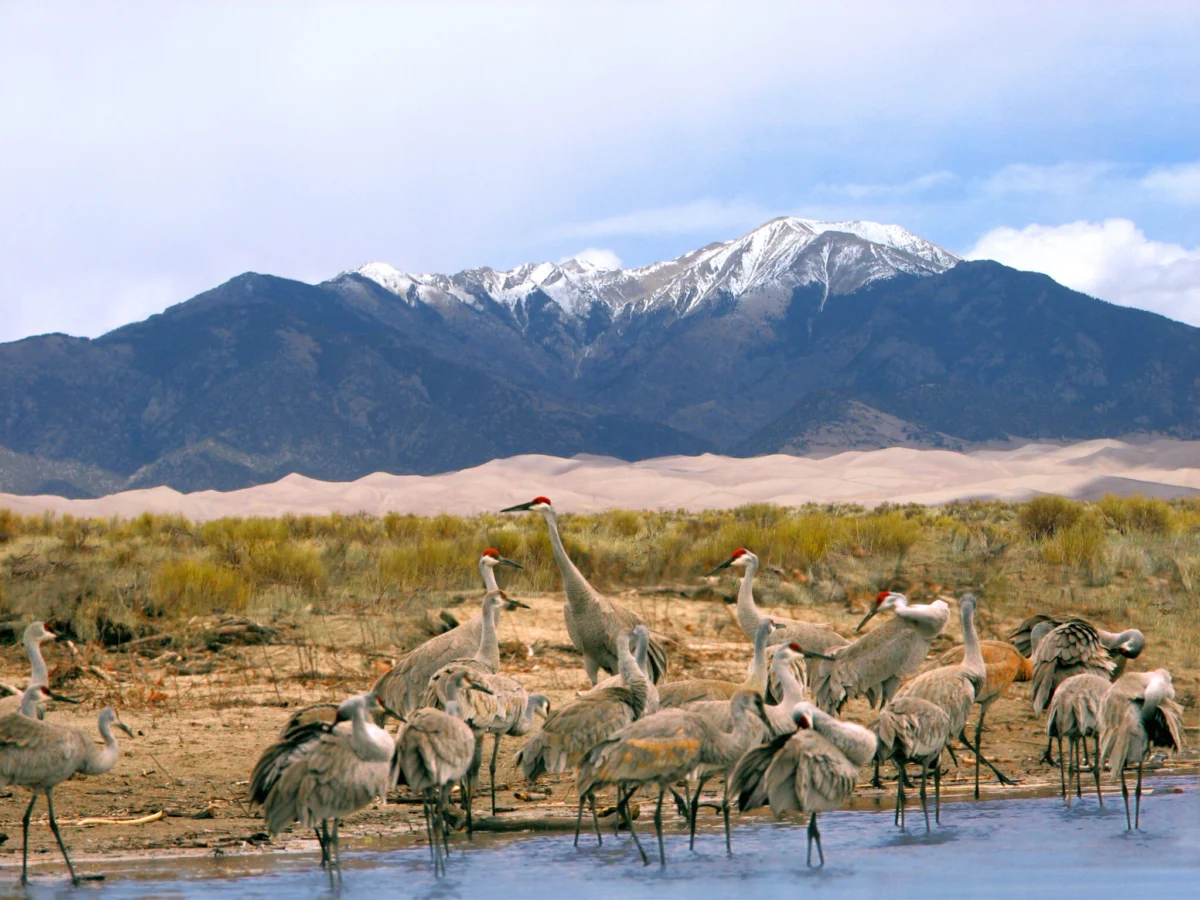
- Ecological Support: The meltwater provides essential foraging resources for migratory species, including sandhill cranes and various waterfowl, which rely on these early spring wetlands to refuel during their arduous journeys.
H2: Rye Resurgence: Diversifying the Agricultural Portfolio
Agriculture remains the backbone of the San Luis Valley’s economy. However, traditional thirsty crops are no longer sustainable in a landscape defined by groundwater depletion. The Rye Resurgence Project represents a paradigm shift in how the agricultural sector views its relationship with the land.
Creating a Market for Resilience
The project’s brilliance lies in its dual-pronged approach. It does not simply ask farmers to plant a less-water-intensive crop; it creates a viable economic ecosystem for that crop. By connecting growers with millers, brewers, and bakers throughout the Southwest, the project ensures that winter rye—a crop that thrives on limited moisture and improves soil health—is a profitable alternative to traditional rotational crops. This integration of supply chain management with water conservation is a model for agricultural regions across the globe.
H2: Restoring the River Corridor
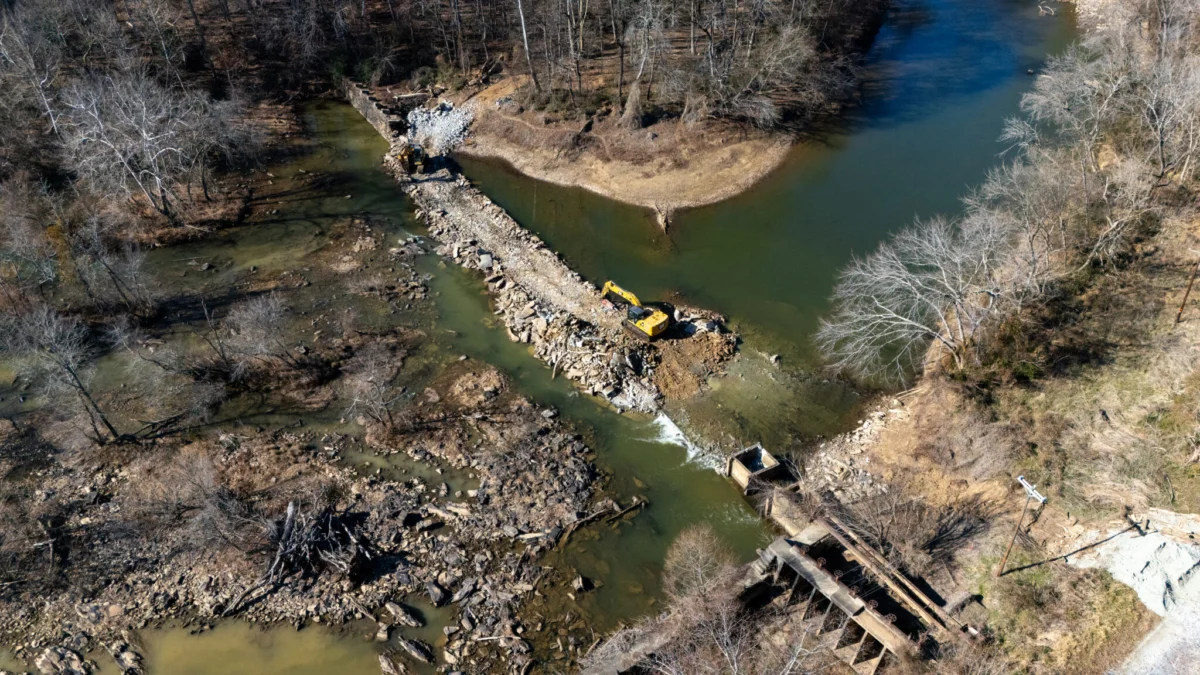
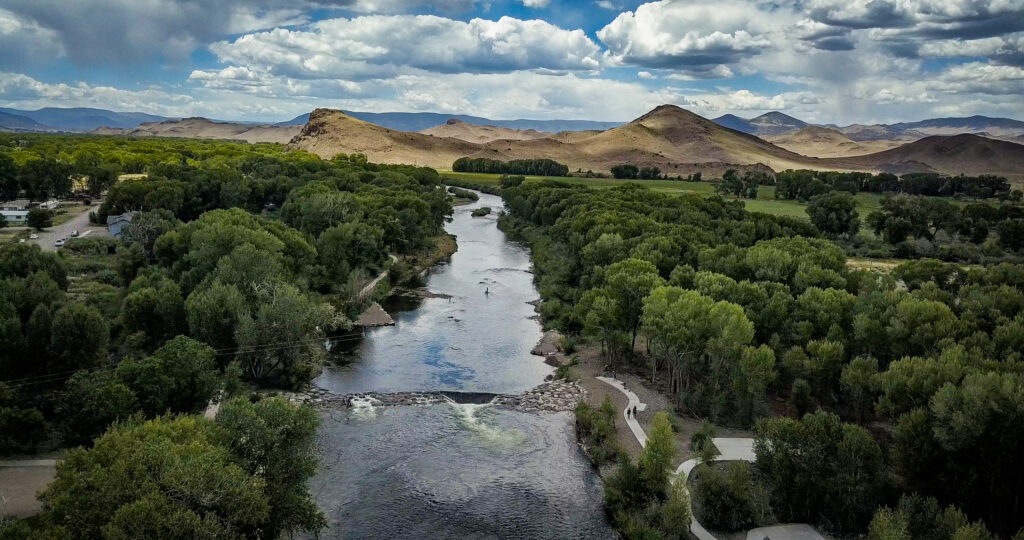
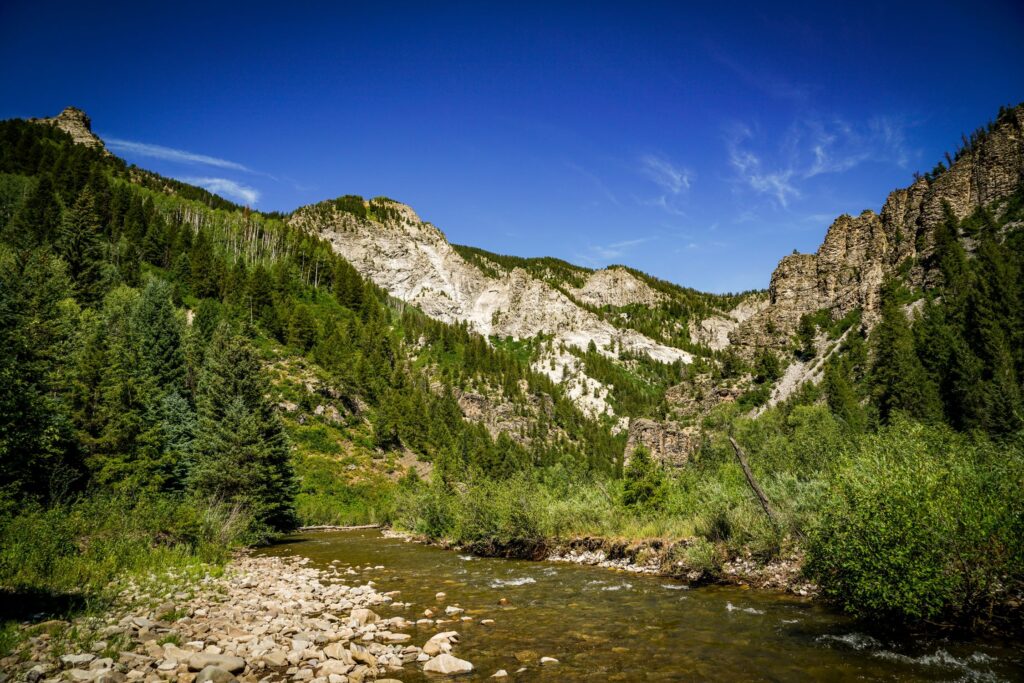
While water management in the fields is crucial, the health of the Rio Grande itself remains the primary barometer of the Valley’s well-being. The Rio Grande Corridor Restoration Project at the Alamosa National Wildlife Refuge (NWR) serves as a case study for riparian and aquatic habitat improvement.
Reshaping for Resilience
The NWR has suffered from highly variable flow regimes, which have degraded the aquatic habitat for native species like the Rio Grande chub. The restoration project involved:
- Bank Stabilization: Using native plants and strategically placed rocks to curb erosion.
- Floodplain Access: Reshaping the channel to allow the river to access its floodplain during high-flow events, which naturally reduces the energy of the water and prevents downstream destruction.
- Off-Channel Refugia: Creating specific habitats for native fish to survive during periods of low streamflow, thereby preserving biodiversity even when the river is under stress.
H3: Official Responses and Collaborative Governance
The success of these projects is largely attributed to the collaborative governance model adopted by Valley stakeholders. It is no longer a case of "silos" where agencies act in isolation. Instead, private landowners are working alongside state and federal agencies to ensure that individual actions contribute to the collective good.
"Water is the lifeblood of this region," notes a spokesperson from the regional conservation efforts. "The shift we are seeing is a movement from competitive consumption to cooperative stewardship. Every acre-foot saved in the fields or stored as ice in the winter is an investment in the next generation."
H3: Implications for the Southwest
The lessons learned in the San Luis Valley extend far beyond its borders. As climate models predict a hotter, drier future for the entire Colorado River Basin, the strategies being tested in this high-altitude basin are being watched by policymakers and water managers across the West.
The implications are clear:
- Flexibility is Key: Rigid water rights systems are being tested; the future lies in flexible, voluntary, and incentive-based water sharing.
- Nature-Based Solutions: Engineering projects that mimic natural processes—such as ice storage or wetland restoration—are proving to be more cost-effective and ecologically beneficial than traditional "hard" infrastructure.
- Community-Driven Science: The involvement of local producers in the research and impact analysis phases of these projects ensures that solutions are culturally and economically appropriate, which is the only way to ensure long-term adoption.
Conclusion: A Future Forged in Water
The San Luis Valley is a microcosm of the global water crisis, but it is also a testament to the ingenuity of the human spirit. By acknowledging the reality of a changing climate and refusing to succumb to the paralysis of scarcity, the communities along the Rio Grande are redefining what it means to live in the desert.
Whether it is through the slow, cold work of building sheet ice or the long-term commitment to a new agricultural economy, the Valley is choosing to treat water not as a commodity to be exhausted, but as a sacred, shared resource to be managed with care. As the snowpack continues to dwindle, the work in the San Luis Valley stands as a beacon—a blueprint for a future where rivers continue to flow, crops continue to grow, and the ecosystem remains resilient enough to weather the storms of tomorrow.