In the high-stakes world of modern environmental conservation, few figures bridge the gap between scientific rigor and raw, emotional advocacy as effectively as Tillie Walton. A hydrologist, seasoned river guide, and the charismatic host of the PBS series Wild Rivers with Tillie, Walton has dedicated her career to the philosophy that our relationship with water is the most fundamental indicator of our humanity. As a key ally to the organization American Rivers, Walton serves as both a navigator of the American West’s complex watersheds and a storyteller for the millions who rely on them.
The Genesis of a Guardian: A Chronology of Purpose
Walton’s journey into the heart of American river conservation was not a calculated career move, but a visceral realization born on the currents of the Rio Grande. As a high school senior, she embarked on a three-week expedition in Big Bend National Park—a formative experience that would define her trajectory for the next several decades.
The transformation occurred during a three-day stretch of canoeing through the towering limestone walls of Santa Elena Canyon. A self-described "inner-city kid" with little experience on the water, Walton recounts the moment her instructor ordered her to stop paddling, lie back, and surrender to the current. "I felt the river underneath me, the canyon walls towering around me, and the sky passing above me," she recalls. "Something just clicked." That moment of radical presence—the realization that she was a tiny part of an ancient, moving system—cemented her commitment to the waterways of the American West.
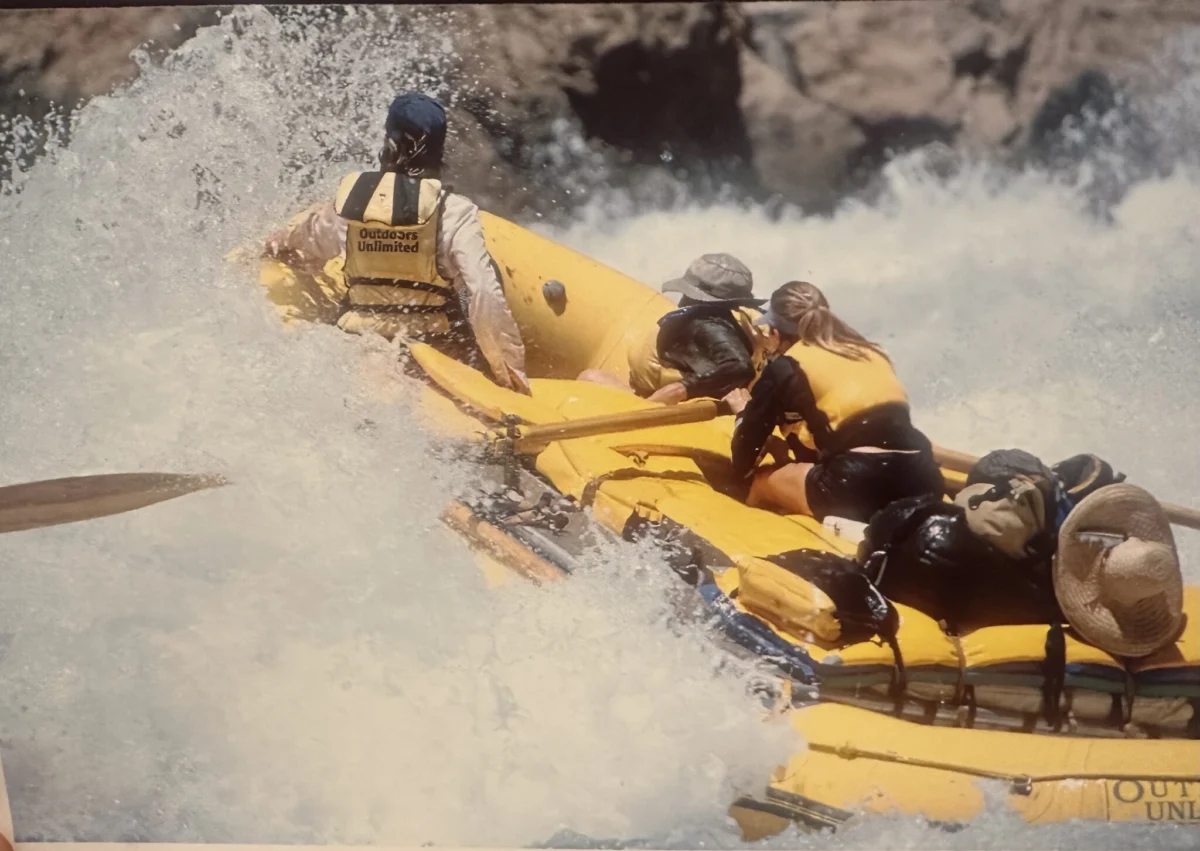
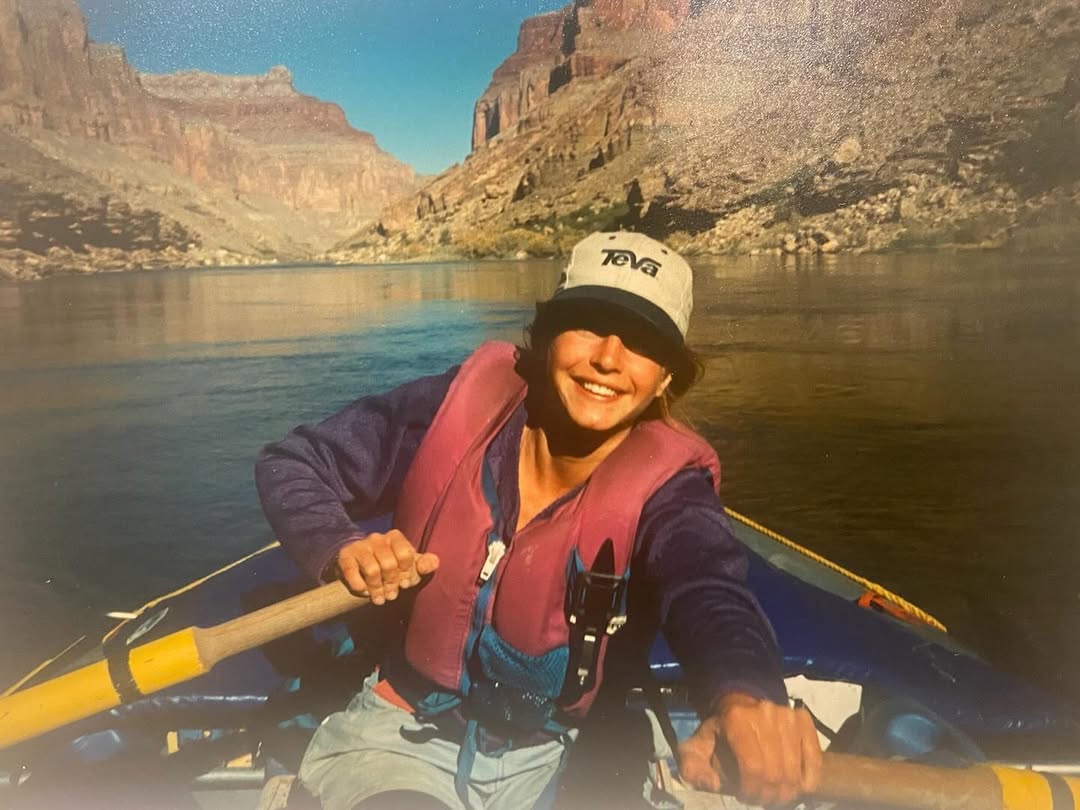
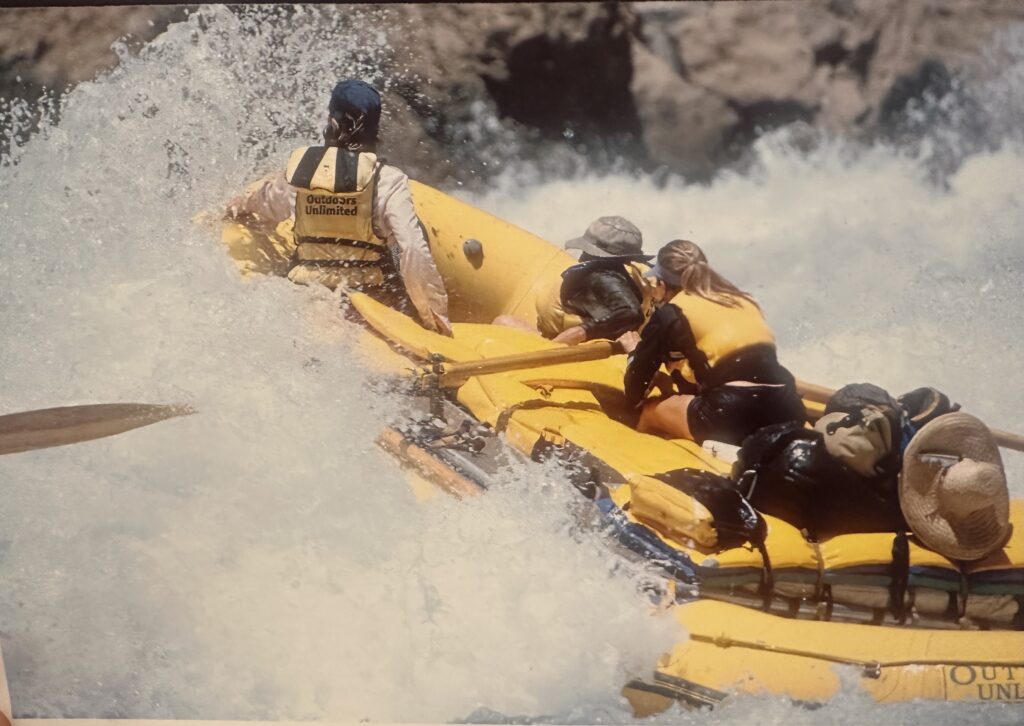
Following this epiphany, Walton pursued hydrology, blending her intuitive connection to the landscape with the technical expertise required to manage and protect it. Her career as a Grand Canyon guide further sharpened her perspective, allowing her to witness firsthand how rivers act as social equalizers, stripping away political and socioeconomic barriers as groups navigate the water together.
The Unscripted Reality: Behind the Lens of Wild Rivers
Season one of Wild Rivers with Tillie took audiences on an odyssey across the West’s most iconic and threatened waterways, including the Rogue, the Colorado, the Yampa, and the Snake. The production philosophy behind the show is as fluid as the rivers it covers: it is entirely unscripted.
For Walton and her lean production crew—including producer Dan Duncan and a rotating cast of volunteer sound engineers—the "best" moments were the ones they couldn’t have planned. The show thrives on candid conversations with an eclectic demographic: Native American leaders, conservative ranchers, and itinerant river-runners. These dialogues frequently reveal a shared, bipartisan reverence for the land.
However, the reality of production is far from the romanticized image of documentary filmmaking. It involves cramped vehicles packed with high-end camera gear, long stretches of isolation, and the often-unpleasant reality of "less than desirable" roadside lodging. Yet, for Walton, these hardships are a necessary price for the opportunity to highlight rivers like the Devil’s River—a waterway she identifies as a highlight of the first season.
Supporting Data: Why Rivers Matter
To understand the urgency of Walton’s work, one must look at the data surrounding the health of freshwater ecosystems. Rivers comprise less than 1% of the world’s water, yet they sustain the vast majority of terrestrial life and human civilization.
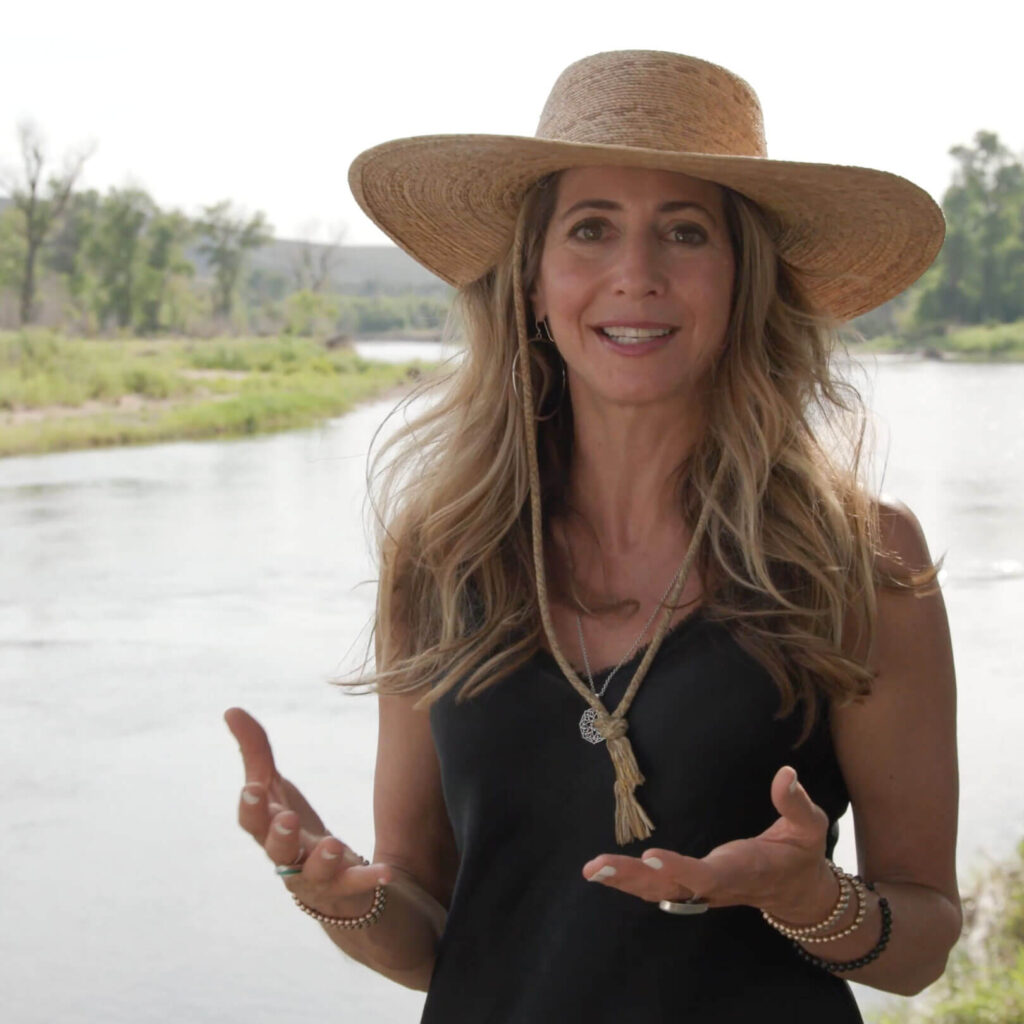
Walton’s advocacy is backed by a grim reality: the American West is currently experiencing a profound hydrological crisis. Persistent, climate-exacerbated drought, over-allocation of water rights, and aging infrastructure are pushing rivers to their breaking point. In her view, these waterways are not merely natural resources to be managed; they are "exquisite jewels" that function like "rare, glistening diamond necklaces" across the Earth’s surface. When we treat these systems as infinite pipes for human consumption, we neglect the biological, ecological, and psychological services they provide.
Her hydrological background allows her to speak with authority on the "big picture" of water scarcity. She emphasizes that the health of the river is a direct reflection of the health of the community. When a river dries up, the culture, economy, and spiritual well-being of the surrounding region follow.
Official Stances and the Fight for Big Bend
Currently, Walton is focusing her advocacy on the Rio Grande, specifically the stretch within Big Bend National Park. This region faces a contentious threat: plans to construct a steel-structure border wall through the heart of the National Park.
Walton’s position is clear: the construction of such barriers through an ecologically sensitive, federally protected landscape is a direct violation of the sanctity of the river. Her strategy involves a unique, hands-on form of political lobbying. She frequently invites policymakers to step away from their desks and into a boat. "Let me take you down the river," she says, "and let the river speak for itself." She argues that once a person experiences the majesty of these places, the abstract, bureaucratic justifications for their degradation become harder to defend.
This approach—using immersive, experiential education to influence policy—is the hallmark of her advocacy. It moves the conversation from the sterile, partisan environments of legislative halls to the reality of the riverbanks, where the consequences of policy are visible in every eddy and sediment deposit.
The Psychological Imperative: Why We Need Water
Beyond the technical and political aspects of her work, Walton is a vocal advocate for the "soul-nourishing" power of water. She points to a growing body of research suggesting that human beings derive profound mental health benefits from "blue space"—time spent on, in, or near water.
"There are so few places that we can go in this world that give us a chance to quiet our minds," Walton explains. In an era of constant digital stimulation and political division, rivers provide a unique sanctuary where humans can confront their own smallness relative to the natural world, while simultaneously finding a sense of connection to something infinite.
Her message to the public is simple: learn about your local river. Whether it is a major western artery or a small urban stream, every body of water is a part of the local ecosystem. By fostering a personal connection with a local waterway, individuals are more likely to participate in the collective stewardship required to protect them.
Future Implications: A Call to Action
The work of Tillie Walton serves as a blueprint for modern conservation. It is a synthesis of scientific literacy and emotional intelligence. As we look toward the future, the implications of her work are twofold:
- Reclaiming the Narrative: Conservation cannot be limited to scientific reports or legal battles. It requires cultural storytelling that re-centers rivers as essential, living entities rather than infrastructure.
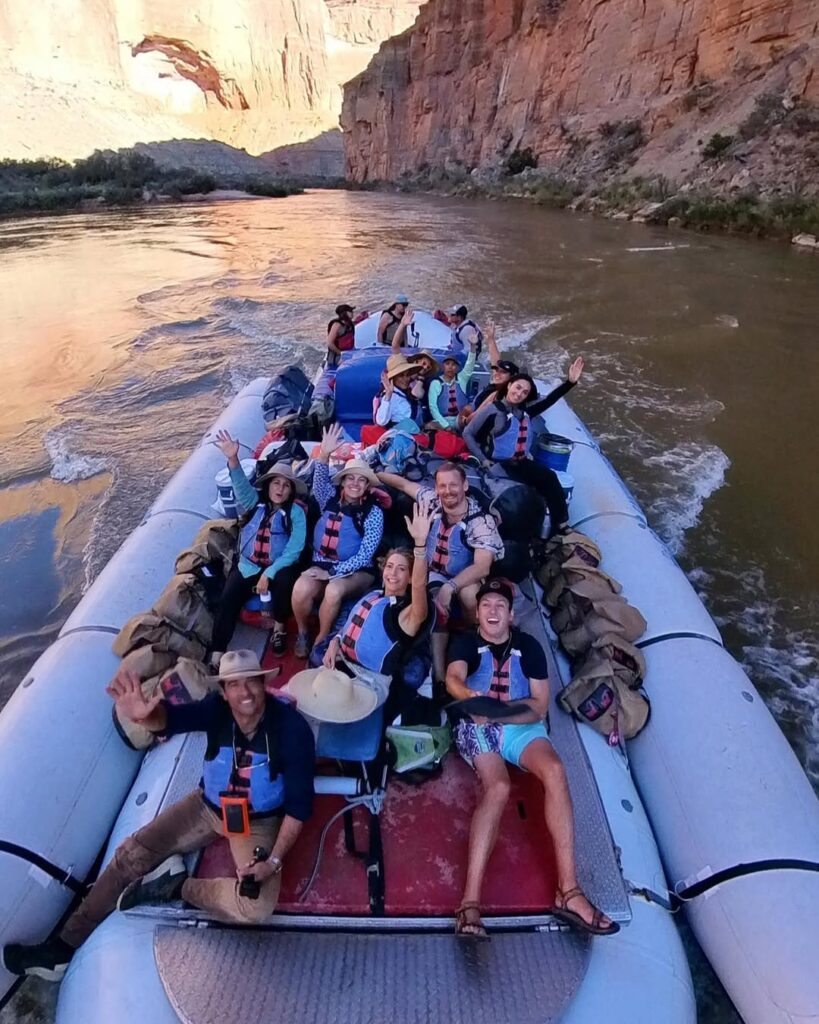
- Radical Inclusivity: Walton’s ability to find common ground between disparate groups—ranchers, activists, and indigenous leaders—is the only viable path forward for water policy in the fractured American West.
As the climate continues to shift, the pressure on our rivers will only increase. Walton’s "love affair with the river" is, at its core, a call for a shift in national values. She is not just filming the rivers; she is attempting to document the soul of the landscape before it is irrevocably altered.
For those who wish to follow her work or experience these environments from afar, her team has developed immersive tools, such as their virtual Grand Canyon experience. Yet, Walton would be the first to tell you that these digital tools are only a bridge. The true work begins when you step onto the bank, put your paddle down, and listen to what the water has to say.
In the words of the conservationist herself: "Rivers are the exquisite jewels of our planet. It is time we learned to treat them as such."