
In the evolving world of angling, the transition from manual paddling to motorized propulsion represents more than just a speed upgrade; it is a fundamental shift in how an angler interacts with the water. A motor on a fishing kayak is the ultimate tool for environmental mastery. When wind threatens to push your craft off a prime bank, or when a swift current makes holding a position impossible, a motor provides the surgical control necessary to keep your line in the strike zone.
For the modern angler, the goal is simple: conserve physical energy for the moments that define a successful trip—the cast, the hookset, and the retrieve. However, integrating a motor into a kayak setup is not a "one-size-fits-all" endeavor. It requires a meticulous balance of hull integrity, battery logistics, and weight distribution.

The Evolution of Motorized Angling: Key Considerations
The rise of motorized kayak fishing has fundamentally changed the sport, moving it away from the limitations of endurance and toward the possibilities of exploration. Historically, anglers were tethered to a small radius around their launch site. Today, with the right setup, the entire lake or estuary is within reach.
However, the market is saturated with "motor-ready" claims that often mask underlying complications. Some kayaks offer superior stability but become "floating anchors" due to excessive weight. Others feature ergonomic seating but fail to provide a dedicated, balanced space for battery systems. Before investing, it is imperative to view the kayak as a total system, where the hull, the motor, the navigation electronics, and the tackle storage must coexist in a harmonious, stable, and safe configuration.
Chronology of Setup: Building Your Rig
Successfully motorizing a kayak is a process that should follow a logical sequence. Failure to follow this path often results in an unbalanced boat that is frustrating to operate.
- The Hull Selection: Identify your primary fishing environment. A kayak suited for calm, inland lakes will fail in the choppy, salt-heavy environment of an offshore bay.
- The Propulsion Choice: Decide between a factory-integrated motor-drive system or a custom, transom-mounted trolling motor. Each has distinct implications for steering and battery placement.
- The Power System: Lithium vs. Lead-acid. The weight-to-power ratio of modern lithium batteries is a game-changer for kayaks, though it comes at a higher entry cost.
- Rigging and Electronics: Once the motor is mounted, establish a clean cabling path. Avoid "rats’ nests" of wires that can become hazards during a fight with a large fish.
- Water Trials: Never take a new motorized setup directly to a remote destination. Perform a "shake-down" cruise in a controlled, shallow environment to calibrate steering and check for leaks or stability issues.
Top Contenders in the Motorized Kayak Market
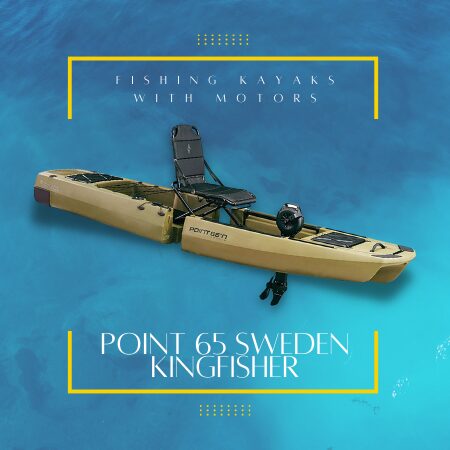
1. Point 65 Sweden Kingfisher: The Modular Specialist
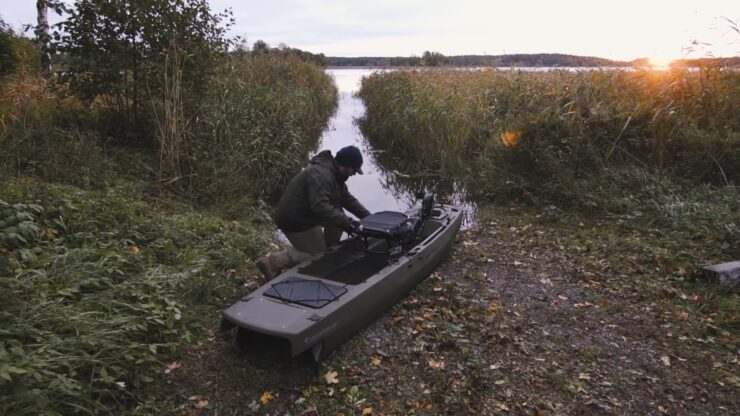
The Kingfisher challenges the traditional notion that a "serious" fishing kayak must be a single, unwieldy piece of plastic. Its modular, take-apart design is a revolution for apartment dwellers or those with limited vehicle space.

- Key Specs: At roughly 11 feet in length and 31 inches wide, it strikes a balance between agility and stability.
- Implications: The trimaran-style hull is the standout feature. It allows for a narrower profile, which improves tracking, while the side hulls provide secondary stability—crucial for standing and casting.
- The Catch: With a capacity of approximately 287 pounds, anglers must perform a strict weight audit. When you tally the weight of a motor, a battery, and a full tackle arsenal, the remaining capacity for the angler shrinks rapidly. It is the perfect choice for the minimalist who refuses to compromise on quality.
2. Reel Yaks: The Compact Utility King
Reel Yaks caters to the angler who prioritizes ease of transport and hands-free fishing. By leaning into modularity, they have created a platform that is exceptionally easy to manage on and off the water.
- Key Specs: Featuring a distinct W-shaped hull, the boat offers high primary stability.
- Implications: The inclusion of a breathable, frame-style seat is a vital design choice. In long, five-hour sessions, this prevents the fatigue associated with low-slung, "wet" seating configurations.
- The Catch: While it excels in slow rivers and small lakes, it is not designed for heavy offshore conditions. The hull shape, while stable, can create drag that limits top-end speed.
3. Wilderness Systems ATAK 120: The Heavyweight Champion
For those who refuse to leave any gear behind, the ATAK (Advanced Tactical Angling Kayak) 120 is the gold standard.

- Key Specs: Measuring 12 feet 3 inches with a 35-inch beam and a 400-pound capacity, it provides the most "boat-like" experience on this list.
- Implications: The "Flex Pod" system is the highlight here. It is a dedicated, sealed compartment designed to house electronics and transducer cables, keeping the deck clear and organized. It is built for the angler who views their kayak as an extension of their workshop.
- The Catch: At 86 pounds (dry weight), this is a significant piece of hardware. It requires a well-thought-out transport system—likely a trailer or a high-end cart—to ensure the angler isn’t exhausted before they even touch the water.
Supporting Data: Understanding Battery and Motor Dynamics
The heart of the motorized kayak is the battery. Modern lithium iron phosphate (LiFePO4) batteries have replaced heavy lead-acid batteries as the industry standard. A 12-volt, 50Ah to 100Ah battery is generally sufficient for a full day of fishing, but the "Amp-Hour" (Ah) rating must be matched to the motor’s thrust.
Furthermore, weight distribution is paramount. A battery placed too far toward the bow or stern will destroy the boat’s "trim," causing the kayak to plow through the water rather than glide. Centering the weight as close to the seat as possible, low in the hull, is the golden rule for maintaining the center of gravity.
Official Responses and Safety Implications
Manufacturers and boating safety agencies provide a clear consensus: adding a motor changes the legal classification of your vessel.
In many jurisdictions, the moment a motor—even an electric trolling motor—is attached, the kayak may be classified as a motorized watercraft. This often mandates:

- Registration: Filing for a hull identification number (HIN) and displaying state-issued decals.
- Safety Equipment: Carrying a sound-producing device (whistle), a Type I or II personal flotation device (PFD), and, in some cases, specific navigation lighting if fishing during twilight hours.
- Insurance: While not always required, liability coverage is highly recommended for motorized setups.
Failure to adhere to these local regulations can result in significant fines and, more importantly, creates liability in the event of a collision.
The Verdict: Implications for Your Next Trip
A motorized kayak is not merely an accessory; it is an investment in your fishing future. When deciding, prioritize your "real world" constraints over marketing hype.
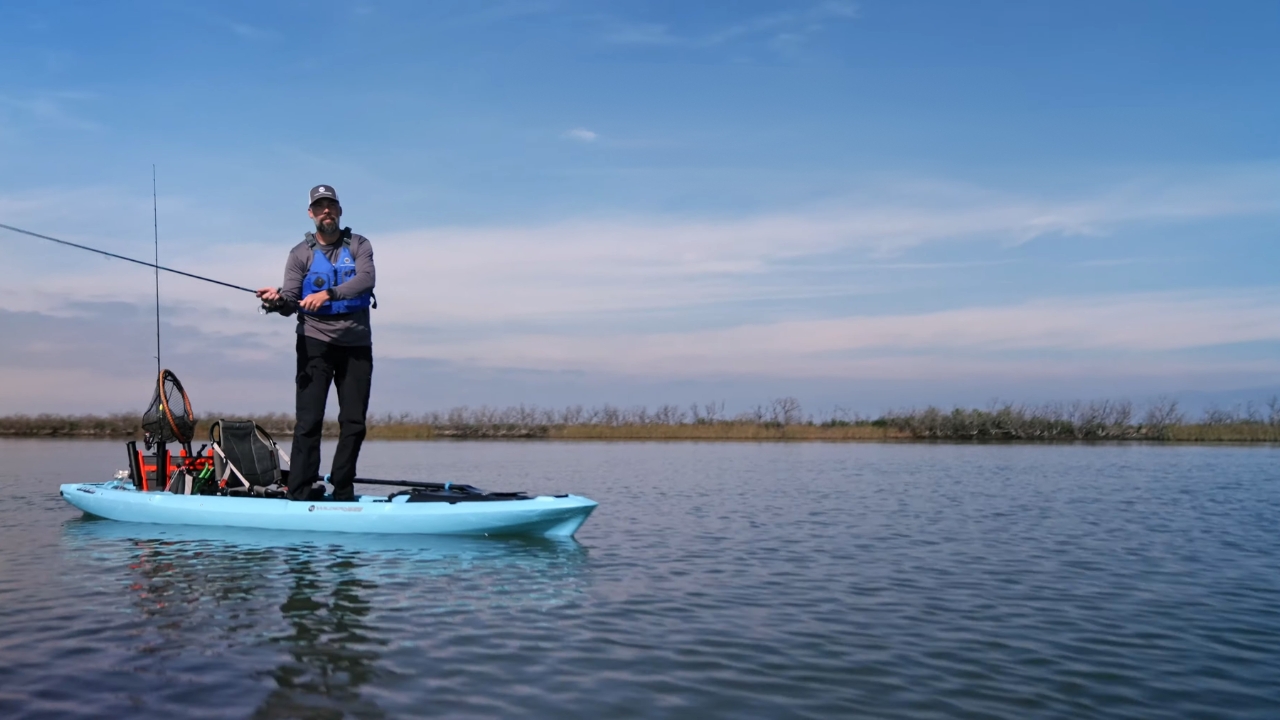
- If you have space constraints: The Point 65 Kingfisher offers the best balance of performance and modularity.
- If you want a "turn-key" fishing experience: The Wilderness Systems ATAK 120 provides the most robust platform for serious, long-term rigging.
- If you are a recreational enthusiast: The Reel Yaks provides a comfortable, highly stable, and user-friendly entry point into the motorized world.
The ultimate implication of motorizing your kayak is a profound increase in the "quality" of your time on the water. By removing the physical burden of paddling against the wind, you transition from a "paddler who fishes" to an "angler who captains." Remember, the goal is to make the technology disappear so that only the fishing remains. Before finalizing your purchase, test your chosen setup’s balance, verify your local legal requirements, and ensure your transportation plan matches the weight of your new rig. Only then can you truly enjoy the freedom that a motorized kayak provides.