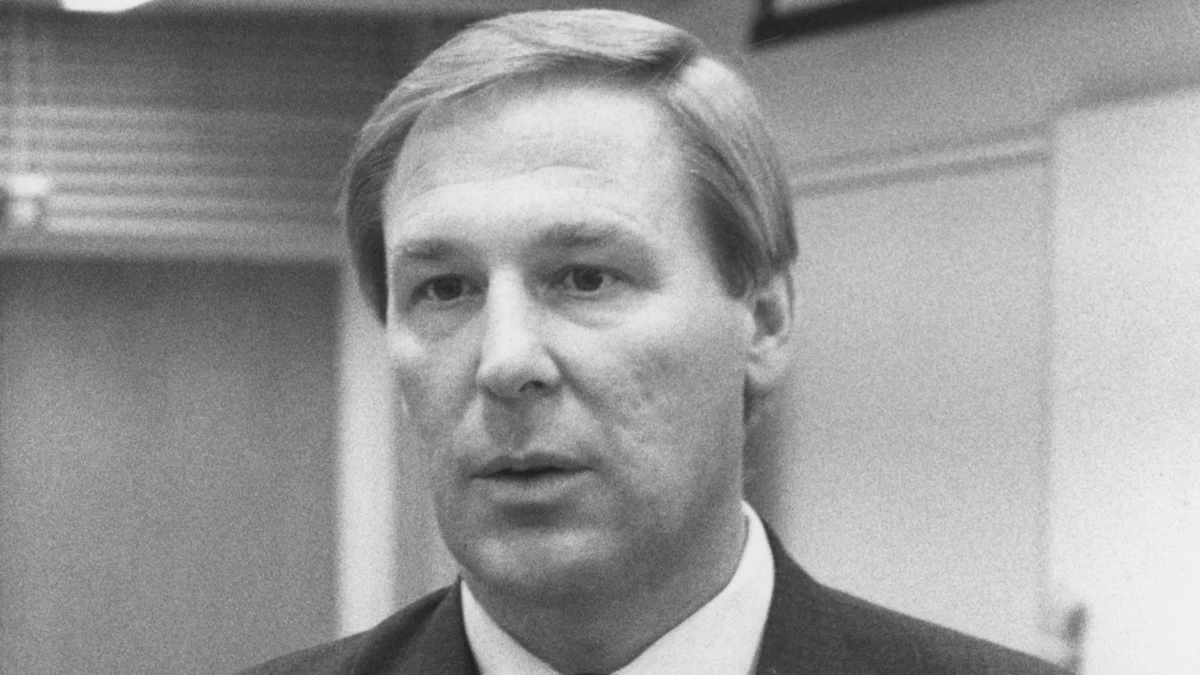
The landscape of Finnish sport has lost one of its most influential figures. Jouko Purontakanen, the long-serving Secretary General of the Finnish Olympic Committee and a titan of sports administration, passed away on June 3, 2026, at the age of 78. His death marks the end of an era for the Finnish athletic community, as Purontakanen was a central architect in modernizing the country’s sports management and navigating the complexities of international high-performance athletics for several decades.
Known for his steady hand, strategic foresight, and unwavering dedication to the Finnish sports movement, Purontakanen left a legacy that spanned from the grassroots level to the global stage of the Olympic Games.
A Lifetime in the Service of Athletics
Born with a passion for movement, Purontakanen began his journey as an athlete with the club Raision Kuula, where he competed in track and field. However, it was his transition to administration at a remarkably young age that would define his professional identity. At just 23, he assumed the role of Executive Director for SVUL:n Nuoret ry (The Youth Association of the Central Sports Federation of Finland), signaling the start of a career defined by rapid professional growth and institutional leadership.
Throughout the 1970s and 1980s, Purontakanen refined his craft, serving as the Executive Director of the Finnish Orienteering Association from 1976 to 1985. His tenure there was marked by a commitment to organizational efficiency, a trait that would soon propel him into the highest echelons of Finnish sports governance.
The Path to National Prominence
Purontakanen’s reputation for excellence led him to the Finnish Athletics Federation (SUL), where he served as CEO and Secretary General between 1987 and 1992. This period served as a crucible for his leadership style, as he navigated the challenges of a major national sporting body.
His administrative prowess reached a zenith in the mid-1990s, a period often remembered as the "Golden Era of Hosting" in Finland. He served as the Secretary General for the 1994 European Athletics Championships in Helsinki—a monumental undertaking that proved his ability to manage international sporting events with precision. This success was quickly followed by his appointment as the Secretary General for the 1997 Ice Hockey World Championships. These back-to-back successes cemented his status as the country’s foremost expert on large-scale event management.
Sixteen Years at the Helm: The Olympic Legacy
In 1996, the Finnish Olympic Committee sought a leader who could steer the organization into the new millennium. Jouko Purontakanen was the natural choice. For 16 years, from 1996 to 2012, he occupied the role of Secretary General, overseeing eight consecutive Olympic cycles—four Summer and four Winter Games.
The Medal Count and Sporting Success
Under Purontakanen’s guidance, the Finnish Olympic Committee underwent significant modernization, shifting toward a more data-driven and athlete-centered approach. During his tenure, Finnish athletes secured a total of 46 Olympic medals, including nine gold medals. While the medal tally is a testament to the athletes themselves, the organizational stability provided by Purontakanen was the bedrock upon which these achievements were built.
His leadership was characterized by a balanced approach: he was a staunch advocate for elite performance, yet he remained deeply connected to the values of the Finnish sporting spirit. He navigated the politics of international sport with grace, ensuring that Finland maintained its prestige within the International Olympic Committee (IOC) and other governing bodies.
Honors and Professional Recognition
The magnitude of Purontakanen’s contribution was recognized at the highest levels of Finnish society. In 2011, he was granted the prestigious title of Liikuntaneuvos (Sports Counselor), an honorary title bestowed by the President of Finland to individuals who have made a significant, lifelong impact on the nation’s physical culture and sports movement.
His influence remained relevant long after his retirement from the Olympic Committee. Just months before his passing, in January 2026, he was honored with a Lifetime Achievement Award at the Finnish Sports Gala (Urheilugaala). The standing ovation he received from the athletic community served as a final, public acknowledgment of a life spent in service to the ideals of sport.
Official Responses: A Nation in Mourning
The passing of Purontakanen has prompted an outpouring of condolences from the highest levels of the Finnish government and the global sports fraternity.
The current leadership of the Finnish Olympic Committee released a statement characterizing him as "a mentor and a bridge-builder who saw the potential in every athlete." Colleagues remember him not merely as an administrator, but as a man of integrity who could negotiate complex conflicts with a calm demeanor and a quick wit.
"Jouko was the person you called when the stakes were highest," said a former colleague. "Whether it was a logistical crisis during the ’94 championships or the long-term planning for Olympic cycles, he had an innate ability to simplify the complex. He understood that at the heart of every spreadsheet and every contract was a human being trying to achieve their dream."
Implications for the Future of Finnish Sports
The passing of Jouko Purontakanen invites a period of reflection on the current state and future direction of Finnish sports. As the sports landscape becomes increasingly professionalized and commercialized, the "Purontakanen model"—which prioritized institutional stability and the dignity of the athlete—remains a benchmark for current leaders.
The Shift in Sports Administration
During his tenure, Purontakanen oversaw the evolution of sports from amateur-led associations to professionalized enterprises. His successors have inherited an infrastructure that owes much to his early efforts to centralize support and professionalize coaching and administrative standards.
The challenge for the next generation of Finnish sports leaders will be to maintain the balance Purontakanen achieved: fostering world-class, medal-winning athletes while preserving the accessibility and community-driven nature of the Finnish sports club system.
A Legacy of Integrity
Perhaps the most lasting implication of his career is the standard of integrity he set. In an era where sports administration is often scrutinized for its transparency, Purontakanen maintained a reputation for absolute honesty. His ability to work across political and organizational divides ensured that the focus remained on the athlete rather than the bureaucracy.
Final Thoughts: A Life Well-Lived
Jouko Purontakanen’s life was defined by a commitment to a cause larger than himself. From the tracks of Raision Kuula to the halls of the Olympic Committee, he viewed sport as a vital component of the Finnish identity. He understood that sports are not just about winning medals; they are about fostering discipline, community, and national pride.
As the sports world pays its final respects, the focus remains on the immense footprint he left behind. The modern structure of Finnish sports, the success of the events he organized, and the careers of the hundreds of athletes he supported all bear the hallmark of his leadership.
He leaves behind a nation that is more connected to its athletic history and better prepared for its athletic future because of his life’s work. While he may no longer be at the helm, the path he cleared will be walked by generations of Finnish athletes to come.
The story of Finnish sport in the 20th and 21st centuries cannot be told without a central chapter dedicated to Jouko Purontakanen. He was, in every sense of the term, a true statesman of the arena.