By Sports Editorial Team
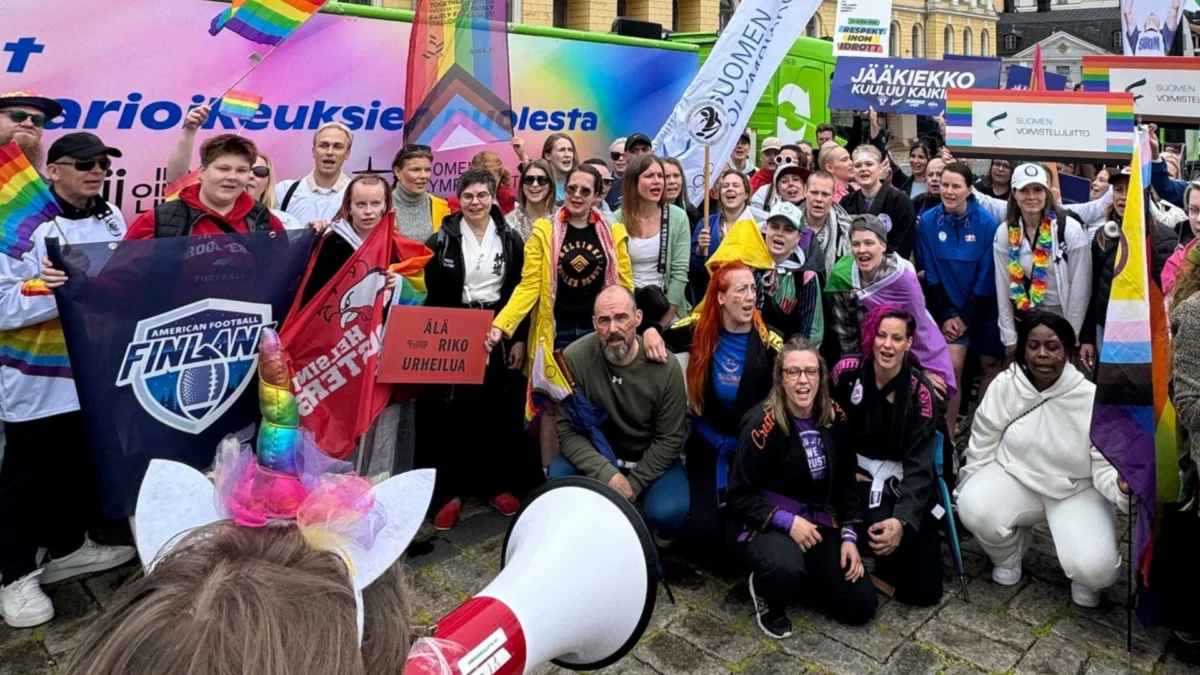
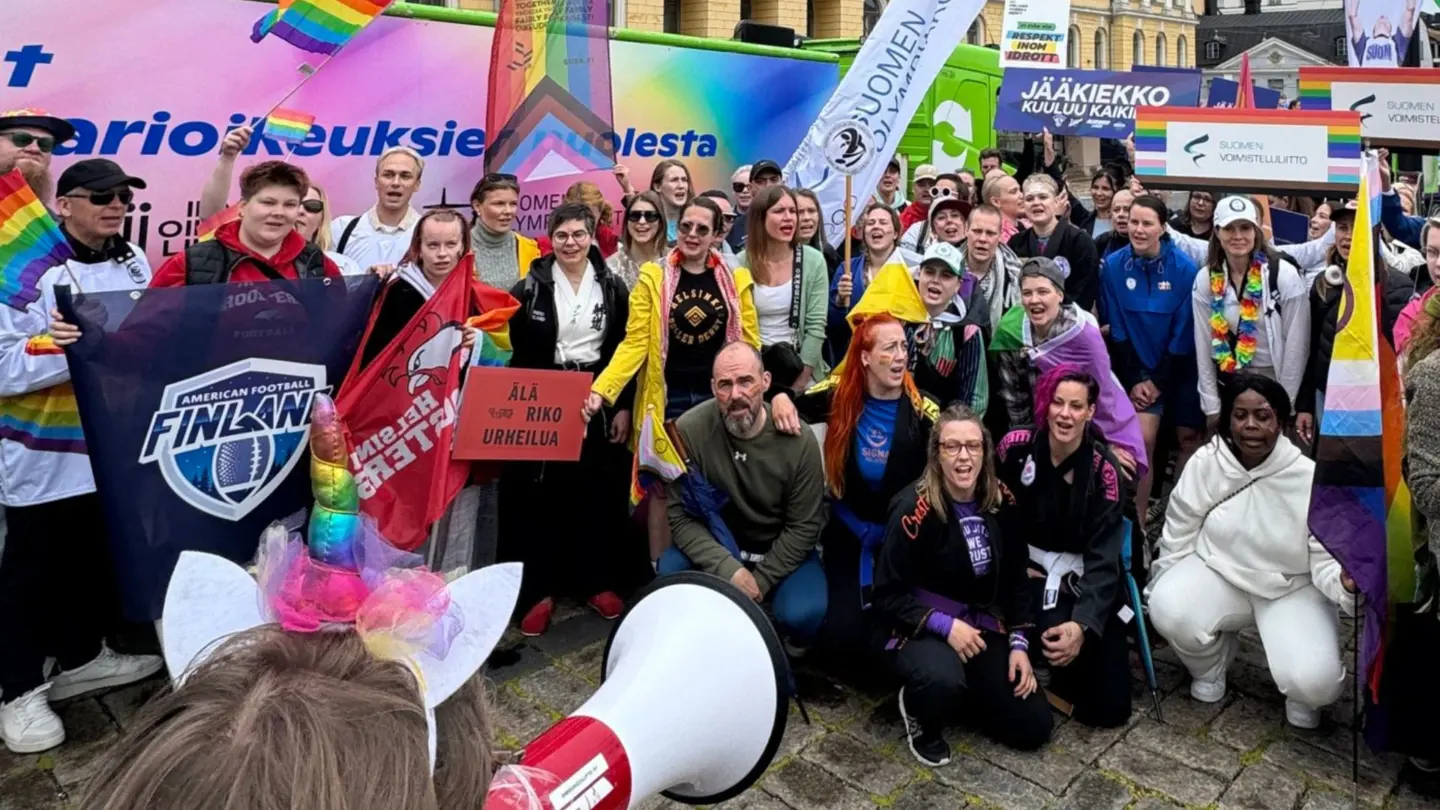
In a powerful display of unity and commitment to equality, the Finnish Olympic Committee has officially launched its call to action for the entire sports community to join the 2026 Helsinki Pride parade. As the nation prepares for the colorful celebration on Saturday, June 27, the message from the peak body of Finnish sport is unequivocal: the playing field belongs to everyone, regardless of gender identity or sexual orientation.
This initiative is not merely a symbolic gesture but a strategic movement aimed at dismantling the barriers of discrimination that continue to persist within locker rooms, on training pitches, and in the grandstands of stadiums across Finland.
The Core Mission: Sport for All
The Finnish Olympic Committee, in collaboration with national sports federations and local clubs, is spearheading a movement to foster an environment where safety and inclusivity are the standards, not the exceptions. The upcoming Helsinki Pride parade serves as a focal point for this mission, providing a high-visibility platform for athletes, coaches, and administrators to walk together under the banner of equality.
“Urheilu kuuluu jokaiselle”—sport belongs to everyone—is the philosophy driving this year’s participation. While societal attitudes in Finland have undergone a positive transformation, data suggests that the LGBTQ+ community still encounters disproportionate levels of discrimination within the sporting sphere. The goal of the Committee is to transform these statistics by ensuring that the culture of Finnish sport becomes a model of openness.
A Chronology of Pride and Inclusion
The momentum for this year’s Pride participation is part of a broader, year-long effort to institutionalize inclusivity in Finnish sports.
- May 2026: Initial planning phase begins, with the Finnish Olympic Committee coordinating with national federations to develop resources for local clubs.
- June 22–28, 2026: The official Helsinki Pride Week, featuring a series of workshops, educational panels, and community-building events.
- June 25, 2026: A landmark day for inclusion, featuring the "Respect Pride" football tournament, organized in partnership with the Football Association of Finland and the Finnish Workers’ Sports Federation (TUL).
- June 25, 2026: A collaborative "pre-party" (etkot) hosted by the Finnish Sports Confederation (FSI) alongside scouting organizations, aimed at sharing best practices for fostering inclusive environments.
- June 27, 2026: The culmination of the week: The Helsinki Pride Parade. The "Sports Team" will march as a unified entity, representing the diverse spectrum of the Finnish athletic community.
Supporting Data and the Reality of Discrimination
Despite the inclusive nature of physical activity, the reality for many members of the LGBTQ+ community is marred by exclusionary practices. Recent reports indicate that while mainstream sports are becoming more aware, the "locker room culture"—often cited as a bastion of traditional gender norms—remains a challenging environment for gender and sexual minorities.
The Finnish Olympic Committee acknowledges that while the overt, systemic discrimination of the past has waned, subtle forms of exclusion, exclusionary language, and a lack of representative role models persist. By encouraging participation in Pride events, the Committee aims to gather qualitative data and personal stories that will help shape future policy, moving from reactive measures to proactive education.
Official Responses: Voices of Leadership
The initiative has garnered support from the highest levels of Finnish sports governance. Karoliina Ketola, a sustainability expert at the Finnish Olympic Committee, has been a vocal advocate for the movement.
"Sport is at its best when everyone is allowed to be their authentic self," Ketola stated during the launch announcement. "We in the Olympic Committee and the wider sports community are committed to promoting equality and inclusion through everyday actions. Pride participation is an important message that we are a team for everyone."
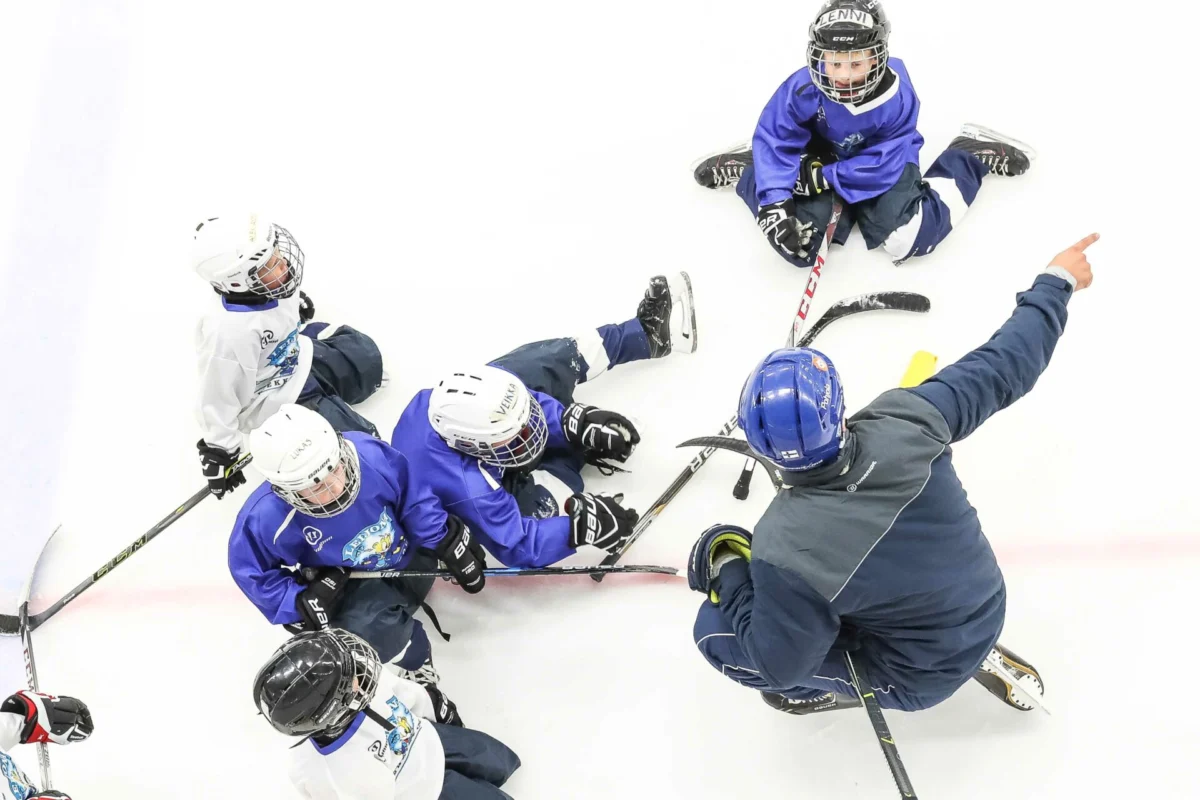
The effort is also being localized through the work of national federations. The Ice Hockey Federation, for example, has recognized that the barrier to entry for many clubs is not necessarily a lack of desire to be inclusive, but a lack of resources and knowledge.
"We encourage our clubs to participate locally," says Jaana Helminen, sustainability expert at the Ice Hockey Federation. "We provide our member clubs with ready-made print materials and social media content so that the threshold for participation is as low as possible."
The Global Context: Addressing the "Inclusivity Gap"
A significant portion of the discourse surrounding this year’s Pride involvement involves the ongoing global debate regarding the participation of gender minorities in elite sports. As international governing bodies grapple with complex regulations, the Finnish approach remains distinct.
The Finnish Olympic Committee has emphasized a commitment to "national autonomy" in fostering inclusivity. Ketola highlighted the importance of preventing international elite-level restrictions from negatively impacting grassroots participation.
"It is important that the limitations of international elite sports do not arbitrarily translate into national competition or, especially, into the hobbies of children and young people," Ketola emphasized. "Our task is to enable participation, not to create barriers for it."
This stance is crucial. By insulating youth and amateur sports from the highly contentious debates occurring at the Olympic or World Championship level, the Finnish authorities are prioritizing the social and physical well-being of the individual over the rigid application of top-down global regulations.
Implications for the Future of Finnish Sport
The long-term goal of this initiative is to shift the culture of Finnish sport toward a sustainable model of diversity. This involves several key pillars:
1. Institutionalizing Inclusivity
By providing clubs with the resources to participate in local Pride events across Finland (from May through September), the Committee is embedding diversity into the organizational DNA of local associations. It is no longer a "one-off" event but a seasonal expectation of good governance.
2. Education and Peer Learning
The "pre-party" events serve as more than just social gatherings; they are knowledge-sharing hubs. Coaches and club leaders share successful strategies for addressing bullying, creating gender-neutral changing facilities, and implementing inclusive language policies.
3. Strengthening the "Sports Team"
The concept of the "Sports Team" in the parade serves to remind the public that sport is a unifying force. By showing a united front, the Finnish Olympic Committee is signaling that the sports community is not a static institution, but one that evolves with society.
How to Get Involved
The invitation is open to all member organizations, federations, and individual clubs. The Finnish Olympic Committee has streamlined the registration process through the Suomisport platform, ensuring that any club—regardless of size or location—can register for the parade or the pre-event meetings.
As June 27 approaches, the streets of Helsinki will once again transform into a vibrant display of the nation’s commitment to human rights. For the Finnish sports community, it represents a pivotal moment to demonstrate that the values learned on the pitch—respect, teamwork, and fair play—are the exact same values that should govern society at large.
The 2026 Pride season is not just a celebration of identity; it is a declaration of intent. It is a promise that, in Finland, the joy of sport is a right, not a privilege, and that the future of the nation’s athletic success is built on the foundation of an inclusive, open, and diverse community.
For more information on local Pride events throughout Finland and how your sports club can participate, please visit the official Seta website or register via Suomisport.