In the high-stakes world of elite international sports, success is no longer a matter of chance; it is a product of rigorous, systematic, and collaborative engineering. For Finland, a nation that punches well above its weight class, the path to the podium is being paved by a strategic transformation of its two primary Olympic Training Centers (OVKs): Urhea in Helsinki and Vuokatti-Ruka.
By shifting from a model of broad-based, thin-spread support to a focused, expert-led approach, Finland is aiming to turn its intellectual capital into a sustainable competitive advantage. This transformation, solidified by new agreements extending through 2030, represents a pivotal moment in the Finnish sports system.
The Strategic Shift: Quality Over Quantity
For decades, the Finnish model was characterized by distributing resources as widely as possible. While democratic in spirit, this often resulted in a "thin spread" of support, where many received help, but few received the depth of resources required to reach the absolute summit of international performance.
The new strategy is fundamentally different. Finland is choosing to focus its limited resources on the "sharp end of the spear"—those athletes and disciplines with the highest probability of international podium success. This is not an abandonment of the grassroots; rather, it is an acknowledgment that the most effective way to elevate the entire system is to nurture a culture of excellence at the top, allowing that knowledge to cascade downward.
"We are not going to win by population or by having the deepest pockets," says Janne Hänninen, Director of the High-Performance Unit at the Finnish Olympic Committee. "We win by having the best knowledge. Our centers are now acting as engines of that knowledge, creating a professional environment where the standards of the world’s elite are not just observed, but lived."
Two Hubs, One Mission: A Study in Collaboration
Finland’s two training centers operate with distinct personalities, yet they share a unified objective.
Urhea (Helsinki): The Human Network
Urhea serves as the heart of urban high-performance sports in Finland. Its philosophy centers on the power of the "cross-pollination" of ideas. By bringing together coaches from vastly different disciplines—from gymnastics to combat sports—in a shared physical and professional space, Urhea fosters an environment where innovation is sparked by informal interaction.
In January 2026, the power of this network was made manifest when the British national gymnastics team—one of the world’s finest—spent eight days training at Urhea. The visit was more than a rental of facilities; it was a deep-dive immersion for Finnish coaches.
"It is a different world when you have a benchmark right in front of you," explains Simo Tarvonen, CEO of the Helsinki Olympic Training Center. "When our coaches spend eight days in direct contact with world-class practitioners, they gain insights that no textbook or video can provide. Because our coaches built personal relationships with the British staff, that network now exists for future collaboration. The world came to us, and we are better for it."
Vuokatti-Ruka: The Science-to-Practice Laboratory
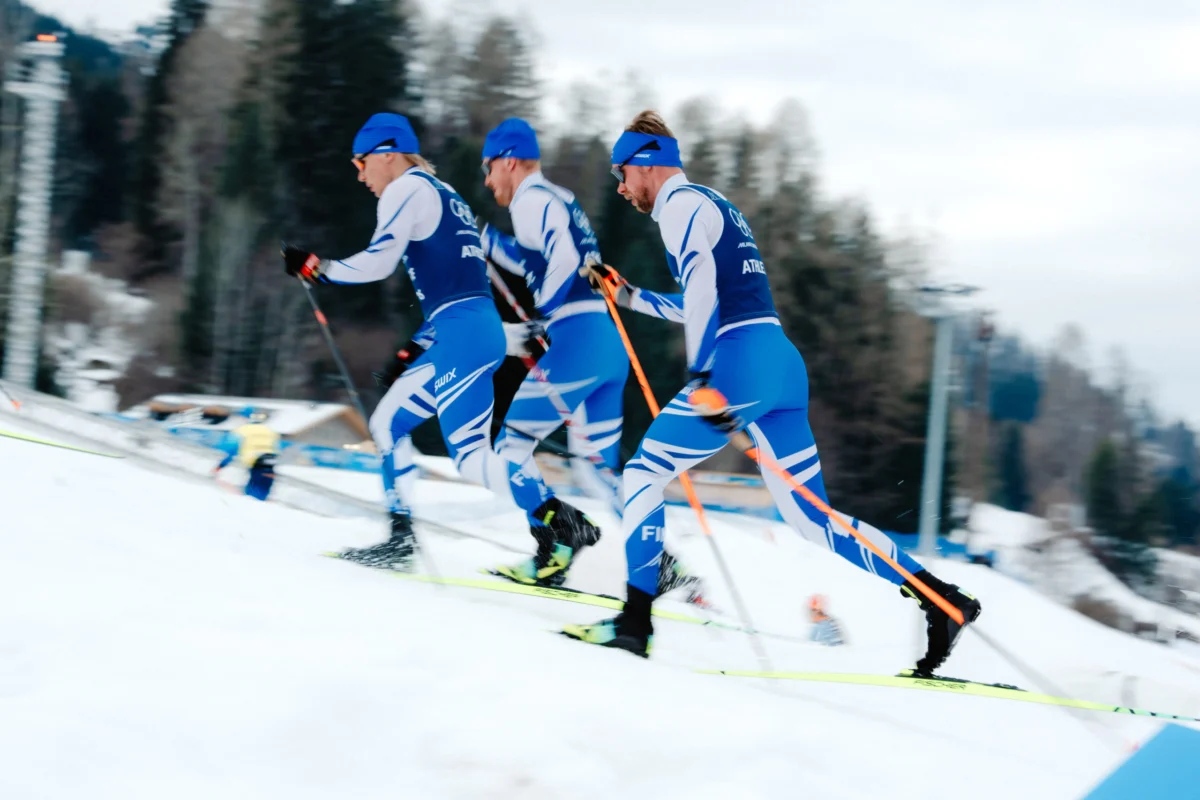
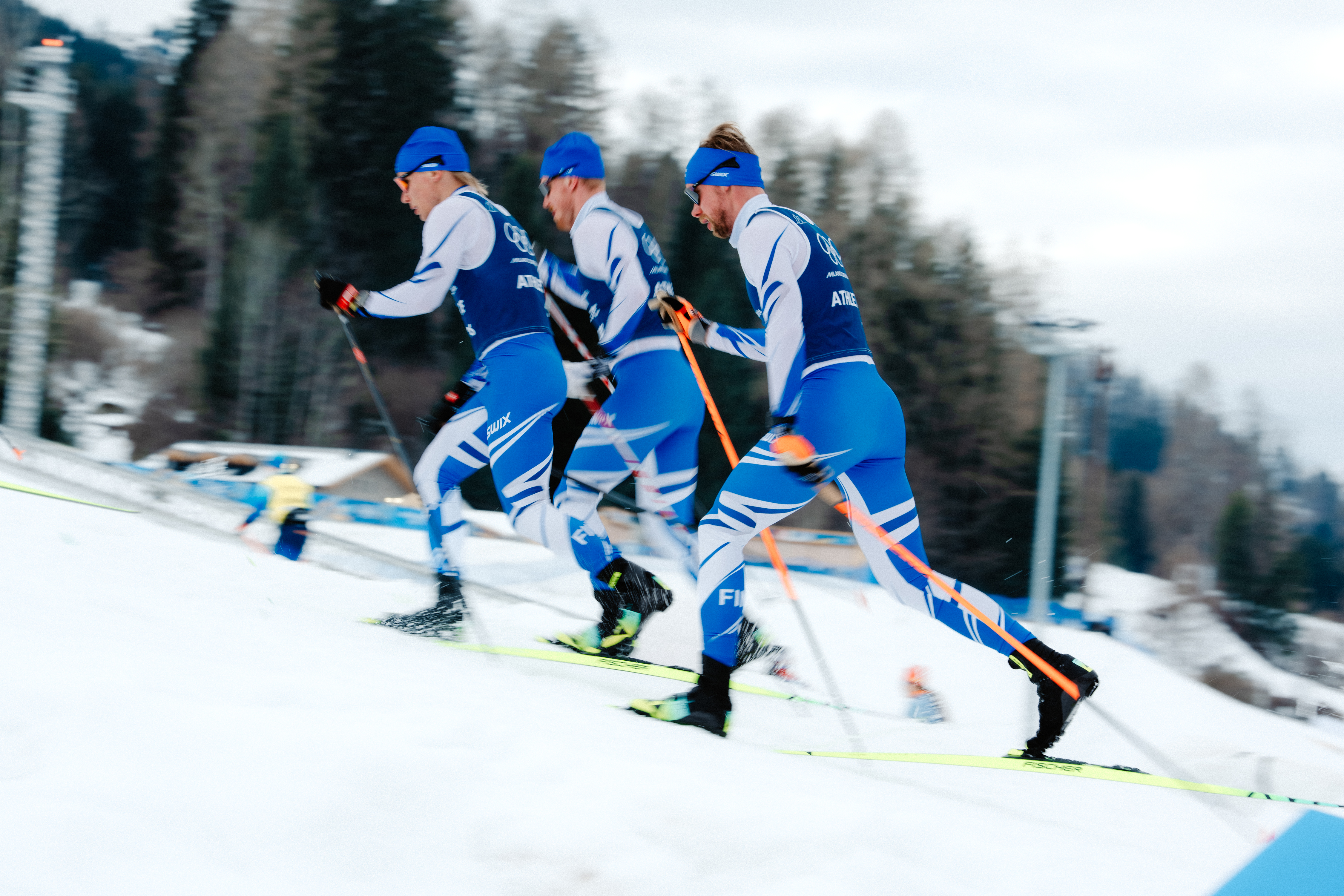
While Helsinki focuses on human dynamics, Vuokatti-Ruka serves as the national hub for winter sports, defined by its symbiotic relationship with the University of Jyväskylä. This center operates on a "From Science to Practice" model, where cutting-edge research in biomechanics, physiology, and materials science is directly applied to training regimens.
The integration here is seamless. Research projects—such as the recent advancements in ski-base grinding technology—are not conducted in isolation. They are developed in response to specific performance bottlenecks identified by coaches and then immediately tested by athletes on the snow.
Chronology of the New Era (2026–2030)
- January 2026: The British national gymnastics team visits Urhea, signaling a shift toward more active international benchmarking and knowledge exchange.
- June 23, 2026: A landmark agreement is signed, formalizing the role of the Olympic Training Center Helsinki within the broader national sports ecosystem for the next four years.
- August 13, 2026: The Vuokatti-Ruka center launches a comprehensive new cooperation cycle, aligning its technological and research capabilities with the specific requirements of the 2030 Winter Olympic cycle.
- Ongoing (2026–2030): The implementation of the "Cascading Knowledge" model, ensuring that the high-performance standards set at the centers are effectively transmitted to the regional sports academies.
Supporting Data: The Value of Applied Innovation
The effectiveness of these centers is backed by tangible outcomes. A prime example is the shooting-range testing system developed for biathlon. While the technology was designed to help elite athletes optimize their heart-rate recovery and trigger control under extreme physical duress, its primary user base is now the academy-level student-athletes.
By introducing high-performance technology to younger athletes, the centers create a "fast-track" environment. Young skiers are no longer learning on antiquated systems; they are utilizing the same diagnostic tools as the national team. This ensures that when an athlete finally reaches the elite level, they have already spent years mastering the data-driven aspects of their sport.
Official Perspectives: The Philosophy of Excellence
The leadership of these centers agrees that the traditional definition of a "training facility" is obsolete.
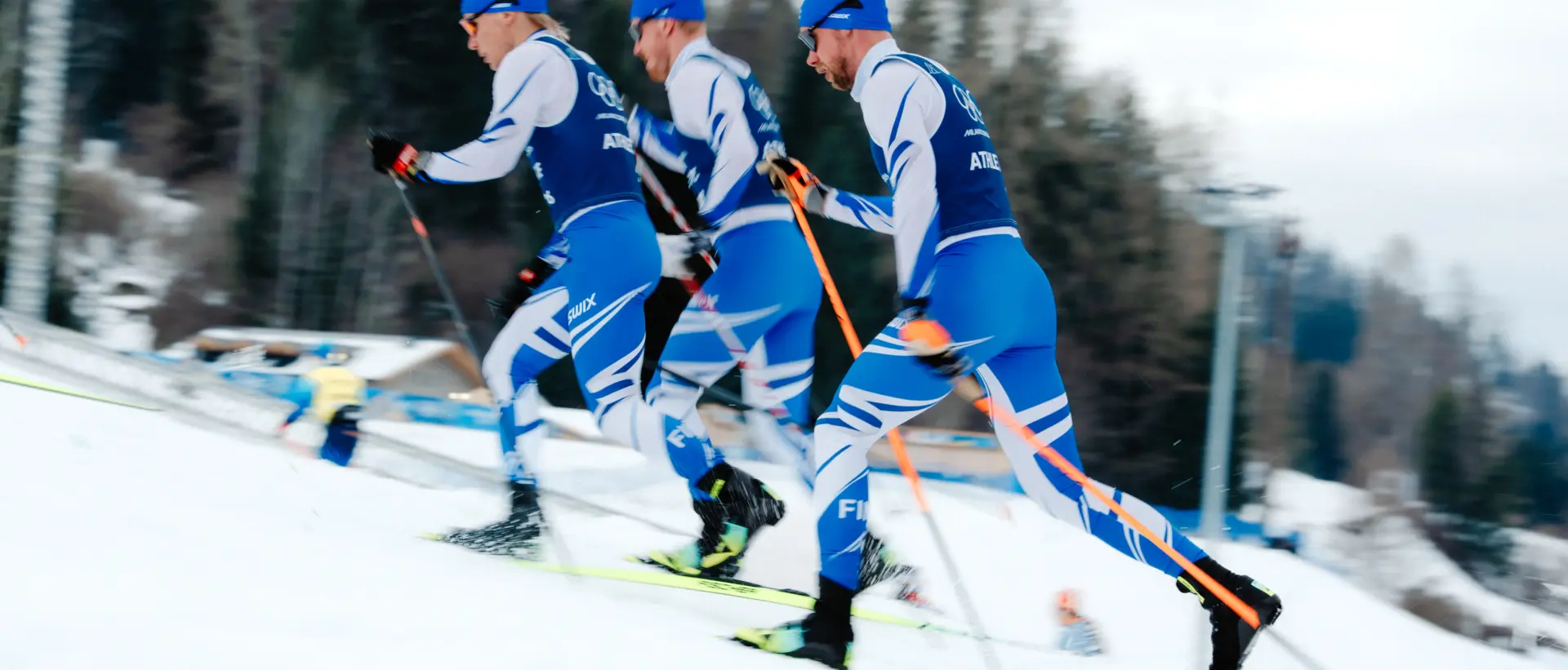
"It would be easy to call these places training halls," says Janne Hänninen. "But their real value is as ‘collision points.’ We need these coaches, researchers, and athletes to collide with one another. When a cross-country ski coach talks to a gymnastics coach, they might find a new way to look at explosive power or recovery. That is where growth happens."
This sentiment is echoed by Janne Vuorinen, Director of the Vuokatti-Ruka center. "We are committed to the elite, but we are a system-wide resource. By working in the same spaces as the younger athletes, the experts model the behavior, the discipline, and the curiosity required for the highest level of sport. It demystifies greatness."
The leaders also emphasize the importance of the "toppatakki" (down-jacket) culture—a reference to the coaches and staff who work behind the scenes. "Every single person in this building, from the admin to the physiotherapist, must have a passion for improvement," says Tarvonen. "When I see an athlete pushing themselves for a World Championship, I ask myself: Am I doing my job with that same intensity? That is the standard we must maintain."
Implications: Building a Sustainable Ecosystem
The implications of this new strategy reach far beyond the Olympic cycle. By strengthening the connection between the OVKs and the regional sports academy network, Finland is creating a career pipeline for sports professionals.
- Retention of Talent: By creating professional, high-quality working environments, Finland is keeping its top coaching and research talent within the country rather than losing them to bigger international markets.
- The "Dual Career" Foundation: With over 20,000 young athletes currently in the Finnish sports academy system, the OVKs provide the necessary "north star." Even those who do not reach the Olympics benefit from a system that values high-performance discipline, which is highly transferable to other professional sectors.
- National Ownership of Success: The strategy aims to make success a shared national asset. When a local club sees their former member competing at the Olympics, they should feel a sense of ownership. This collective pride strengthens the grassroots, encouraging the next generation of children to enter the system.
Conclusion: The Path to 2030
As Finland looks toward the 2030 Winter Olympics and beyond, the message from the Olympic Training Centers is clear: the era of "hoping for success" is over. It has been replaced by an era of "engineering success."
By combining the human-centric networking of Helsinki with the data-driven rigor of Vuokatti, Finland is building a resilient, intelligent, and highly efficient sports machine. The goal is not merely to produce one or two stars, but to create an environment where the process of becoming the best in the world is standard practice. Through this integrated, transparent, and research-led approach, Finland is proving that in the race for international glory, the most powerful tool is a well-coordinated, highly ambitious community.