By Sports Editorial Staff
Sport, in its purest form, is a universal language. It transcends borders, backgrounds, and identities, serving as a powerful platform for human connection and physical excellence. Yet, for many within the LGBTQ+ community, the locker room, the pitch, and the grandstand have historically been spaces of exclusion rather than inclusion.
As the calendar turns toward June 2026, the Finnish Olympic Committee is spearheading a nationwide movement to rewrite that narrative. By mobilizing the entire sports ecosystem—from national governing bodies to local amateur clubs—the organization is sending a definitive message: sport belongs to everyone, regardless of sexual orientation or gender identity.
The Core Mission: A Culture Without Barriers
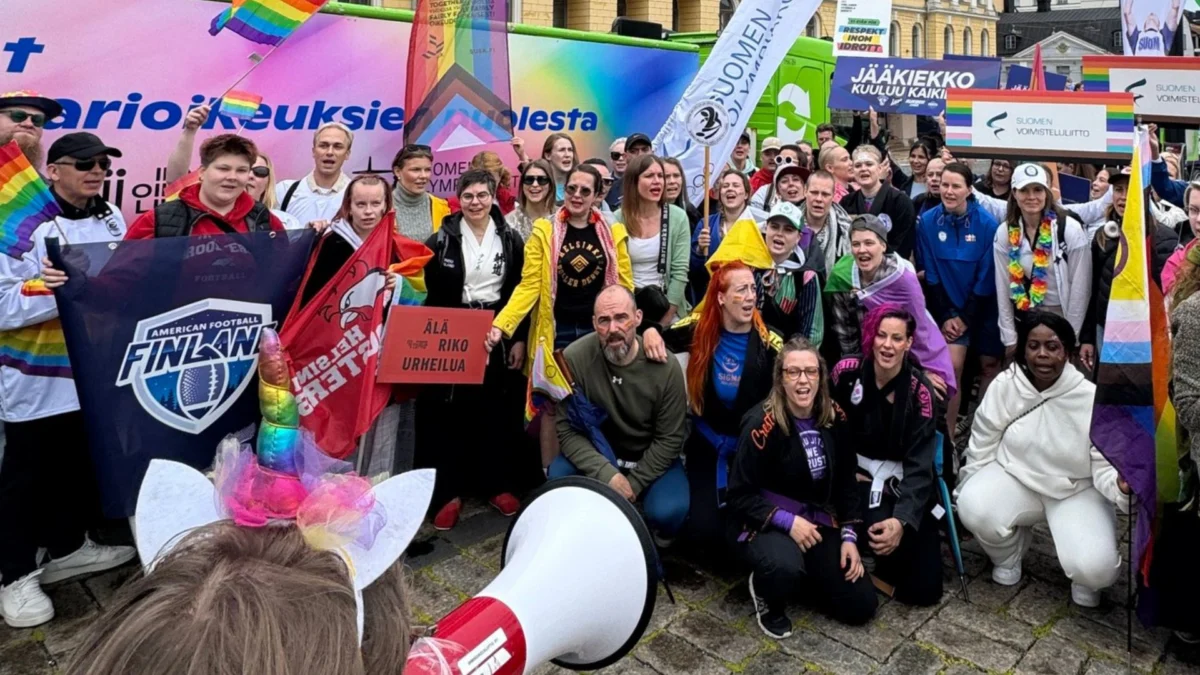
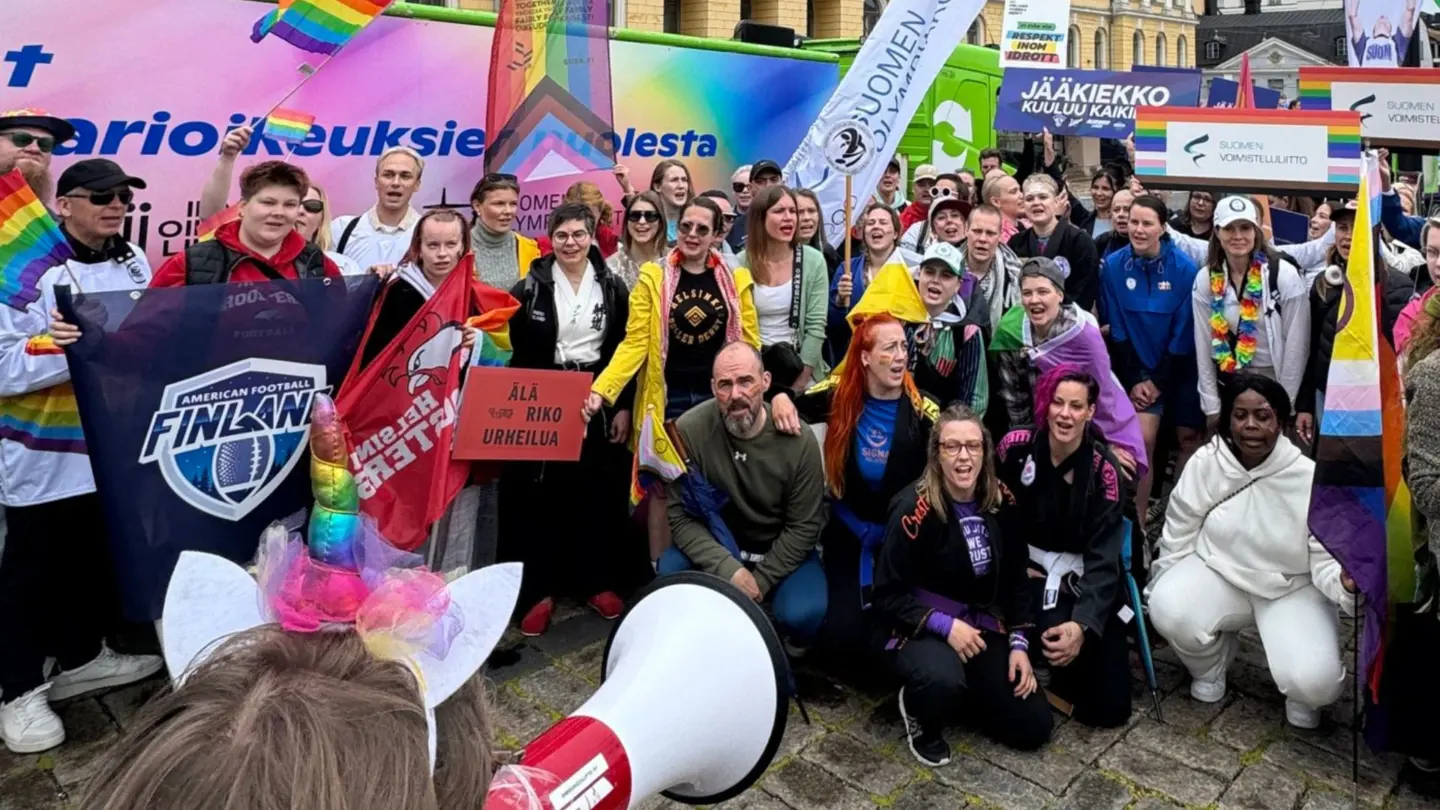
On Saturday, June 27, 2026, the Helsinki Pride parade will once again fill the streets of the Finnish capital with a vibrant display of rainbow colors and advocacy. At the heart of the procession, the Finnish Olympic Committee will assemble its traditional "Sports Team," a coalition of athletes, coaches, and administrators marching in solidarity.
This is more than a symbolic gesture. It is a strategic effort to dismantle the systemic hurdles that still plague the sporting world. Despite significant shifts in societal attitudes, research continues to show that the LGBTQ+ population remains disproportionately vulnerable to discrimination and exclusionary practices within sports environments.
"Sport is at its best when every individual feels empowered to be their authentic self," says Karoliina Ketola, Sustainability Specialist at the Finnish Olympic Committee. "Our commitment to diversity and equality is not just a policy—it is reflected in our daily actions. Participating in Pride is an essential signal that we are a team that truly includes everyone."
A Chronology of Inclusion: From Policy to Parade
The push for a more inclusive sports culture is not an overnight development but the result of a long-term strategic evolution in Finland’s athletic administration.
- Early 2026: Preparations begin for the summer season, with the Olympic Committee identifying "inclusive community building" as a core pillar for the year’s sustainability agenda.
- May 2026: Regional Pride events begin across Finland, supported by local sports clubs that have begun adopting new inclusive guidelines for youth training.
- June 25, 2026: The "Respect Pride" football tournament, organized by the Football Association of Finland (Palloliitto) and the Finnish Workers’ Sports Federation (TUL), serves as a cornerstone sporting event leading into the main parade. Simultaneously, the FSI (Finlands Svenska Idrott) hosts joint pre-parade gatherings with scouting organizations.
- June 27, 2026: The Helsinki Pride parade. The sports contingent, featuring representatives from various national federations, marches through Helsinki to highlight the intersection of physical activity and human rights.
- Post-Pride 2026: The Olympic Committee initiates a series of debriefing sessions to analyze the success of the Pride integration and to outline the roadmap for the 2027 season, focusing on long-term retention of LGBTQ+ athletes in grassroots sports.
Supporting Data and the Reality of Exclusion
While the visibility of LGBTQ+ athletes has increased globally, the gap between high-profile representation and the lived experience of the average club member remains significant.
Data from international sports equity surveys consistently indicate that fear of harassment is a primary reason for early dropout rates among LGBTQ+ youth. In Finland, the Olympic Committee’s internal audits have highlighted that while top-tier athletics are becoming more open, the "locker room culture" in many amateur clubs remains a bastion of heteronormative pressure.
To address this, the Finnish Ice Hockey Association has emerged as a leader in practical application. Recognizing that the barrier to entry is often a lack of resources, they have provided their member clubs with ready-to-use marketing materials, social media toolkits, and educational guides on how to foster an inclusive environment.
"We want to lower the threshold for participation as much as possible," explains Jaana Helminen, Sustainability Specialist at the Finnish Ice Hockey Association. "By providing the tools, we remove the excuse of ‘not knowing how’ to be inclusive. We are giving our clubs the language and the visual identity they need to show that their doors are open to everyone."
Official Responses: Defining the Future of Play
The debate surrounding gender diversity in sports is often dominated by high-level international controversies. However, the Finnish approach is markedly different. Instead of fixating on the restrictive policies of international governing bodies, the Finnish Olympic Committee is focusing on the "human-first" approach at the national level.
"It is critical that the often-restrictive nature of elite international sports does not permeate our national competition structure, and especially not the environment where children and adolescents learn to love sports," says Karoliina Ketola. "Our mandate is to facilitate participation, not to create barriers. When we talk about inclusion, we are talking about the future viability of Finnish sports. If we exclude people, we lose talent, we lose community, and we lose the joy that makes sport worth playing."
This stance is supported by a broad coalition of national federations that have committed to the Olympic Committee’s "Equality Charter." This charter mandates that all member organizations must have a clear, written policy on preventing bullying and discrimination based on sexual orientation.
The Implications for the Future of Finnish Sports
The initiative has profound implications for the structure of Finnish athletics. By integrating the values of Pride into the daily operations of clubs, the organization is effectively re-branding what it means to be a "Finnish athlete."
1. Retention and Growth
Sports clubs are facing the same demographic challenges as the rest of society: declining membership numbers and competition for youth attention. An inclusive culture is a competitive advantage. Clubs that are perceived as safe and welcoming to all families—including those with diverse structures—are seeing higher retention rates.
2. The Cultural Shift
The move away from toxic masculinity and toward an "inclusive excellence" model is changing the way coaches are trained. Coaching certification programs now include modules on psychological safety, ensuring that the next generation of mentors is equipped to handle diverse groups of athletes with empathy and professionalism.
3. A Model for the Nordics
Finland is positioning itself as a leader in the Nordic region for LGBTQ+ sports advocacy. By coordinating efforts between the Olympic Committee, the Football Association, TUL, and regional bodies, Finland is creating a replicable model of "collaborative advocacy."
How to Get Involved: The Call to Action
The Finnish Olympic Committee has emphasized that the message of inclusion is not reserved for the elite. Every club, from the smallest rural football team to the largest urban gymnastics academy, has a role to play.
For organizations looking to participate in the upcoming events, the process is streamlined through the Suomisport digital platform. This centralized hub allows clubs to register for the Helsinki Pride parade, sign up for pre-parade "etkot" (pre-party) networking events, and access the library of educational resources.
"We are building a team that includes the entire nation," the Committee stated in their final announcement for the June festivities. "Whether you are a professional athlete or someone who enjoys a casual Saturday jog, you are part of our team. Let’s make sure the world sees that, and more importantly, let’s make sure every child on every field feels it."
As June 2026 approaches, the streets of Helsinki will serve as a mirror for the future of sports. By walking together—athletes, coaches, and fans—the Finnish sports community is proving that the most important victory is not the one on the scoreboard, but the one that ensures everyone has a place on the field.
For more information on local Pride events and how your club can participate, visit the Seta (The Finnish LGBTQ+ rights organization) website or the official Suomisport registration portal.