The echoes of the Milano-Cortina 2026 Winter Olympics still resonate across the Finnish sports landscape, but nowhere is the impact felt more profoundly than within the national biathlon team. In an era where marginal gains often dictate the difference between the podium and the periphery, Finland’s performance at these Games stands as a masterclass in structural transformation. Driven by a rigorous increase in daily requirements and a sophisticated, synchronized support system, the team did not merely compete; they asserted themselves as a formidable force on the international stage.
Main Facts: A New Era for Finnish Biathlon
The transformation of the Finnish biathlon program was not a product of chance, but a deliberate four-year odyssey that began immediately following the previous Olympic cycle. The core philosophy was twofold: raising the baseline expectations for every athlete and streamlining the administrative and support infrastructure surrounding them.
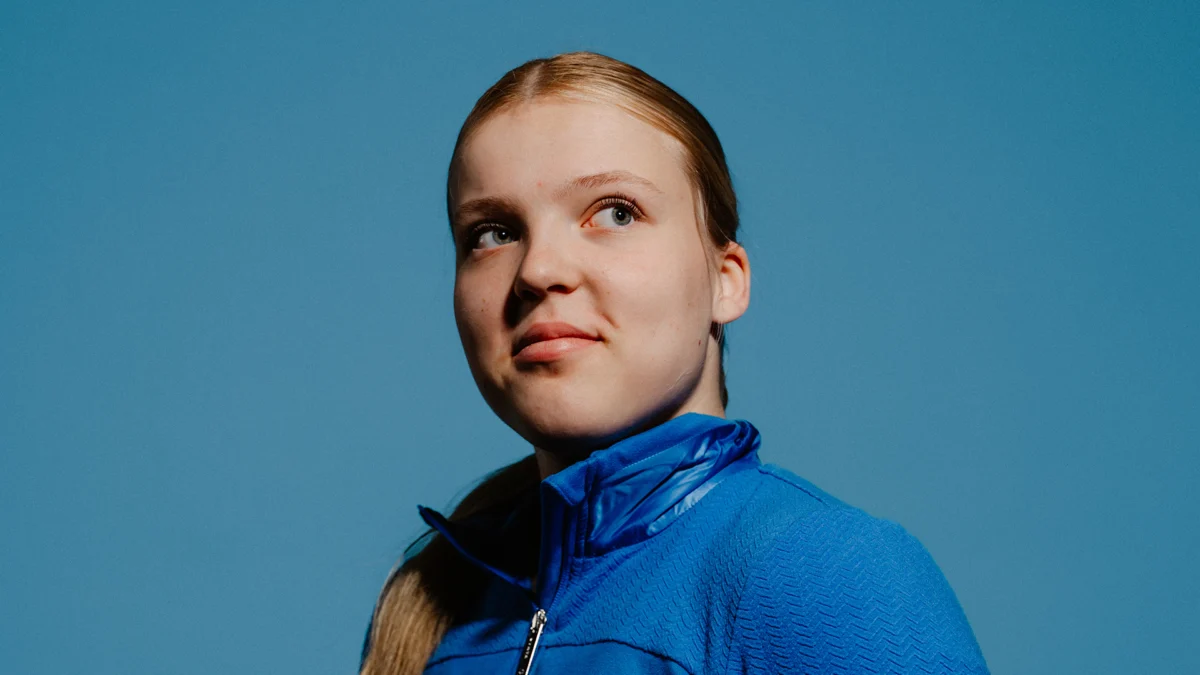
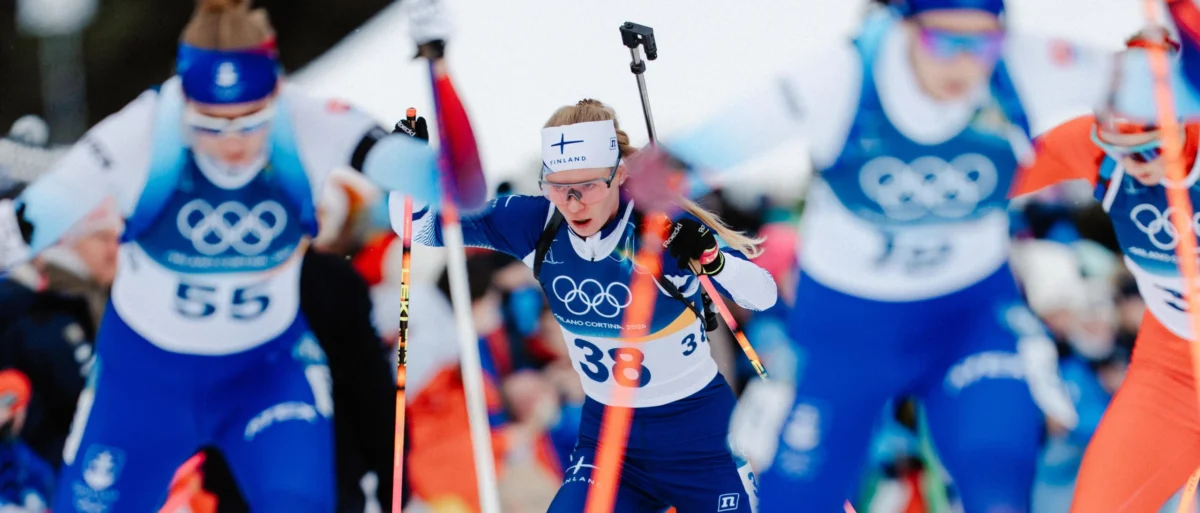
This strategic shift culminated in a historic performance at the 2026 Milano-Cortina Winter Olympics. The highlight of the campaign was Suvi Minkkinen’s brilliant bronze medal in the women’s pursuit, a result that sent shockwaves through the sport. Beyond individual heroics, the team showcased depth and tactical maturity, anchored by a sixth-place finish from the mixed relay squad—a testament to the collective strength of the group. These results, complemented by multiple high-level personal finishes in the points, have firmly re-established Finland within the elite echelons of the International Biathlon Union (IBU) world rankings.
Chronology: The Four-Year Build-Up
The journey to the 2026 Games was a structured, step-by-step climb. Upon taking the helm, head coach Erik Torneus-Kulstad identified that the existing culture needed a fundamental overhaul.
Year 1: Foundation and Cultural Reset
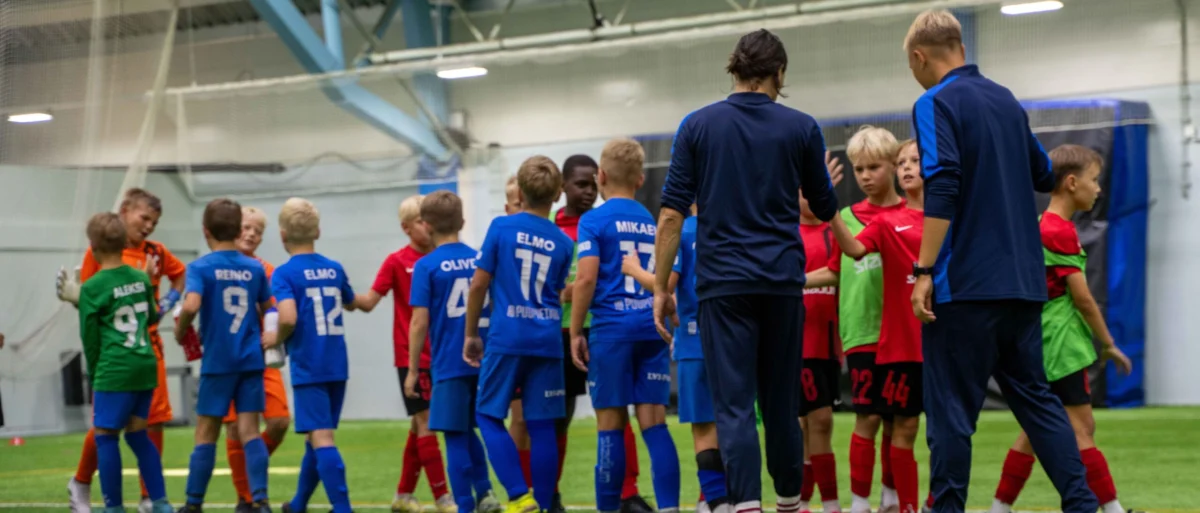
The initial phase focused on dismantling the "silo" mentality that had previously plagued the team. During training camps, the priority shifted from individual performance to the creation of a cohesive, unified culture. The mandate was clear: athletes were no longer permitted to retreat into their rooms after training. Instead, communal interaction and mutual accountability became the standard.
Year 2: Elevating the Daily Grind
With the culture solidified, the second year turned toward the intensity of the daily regimen. The coaching staff implemented a policy of increased demands. The training load became more rigorous, and the margin for error in technical execution was reduced. This period was critical in reshaping the athletes’ mindsets—teaching them that consistent, high-level effort is the only pathway to results.
Year 3: The Tactical Integration
Midway through the cycle, the focus pivoted toward technical synchronization. The team began simulating high-pressure race environments during routine training sessions. The transition from high-intensity skiing to the stillness required for the shooting range became a primary pedagogical focus, ensuring that athletes could maintain composure even when their heart rates were at their absolute maximum.
Year 4: The Milano-Cortina Peak
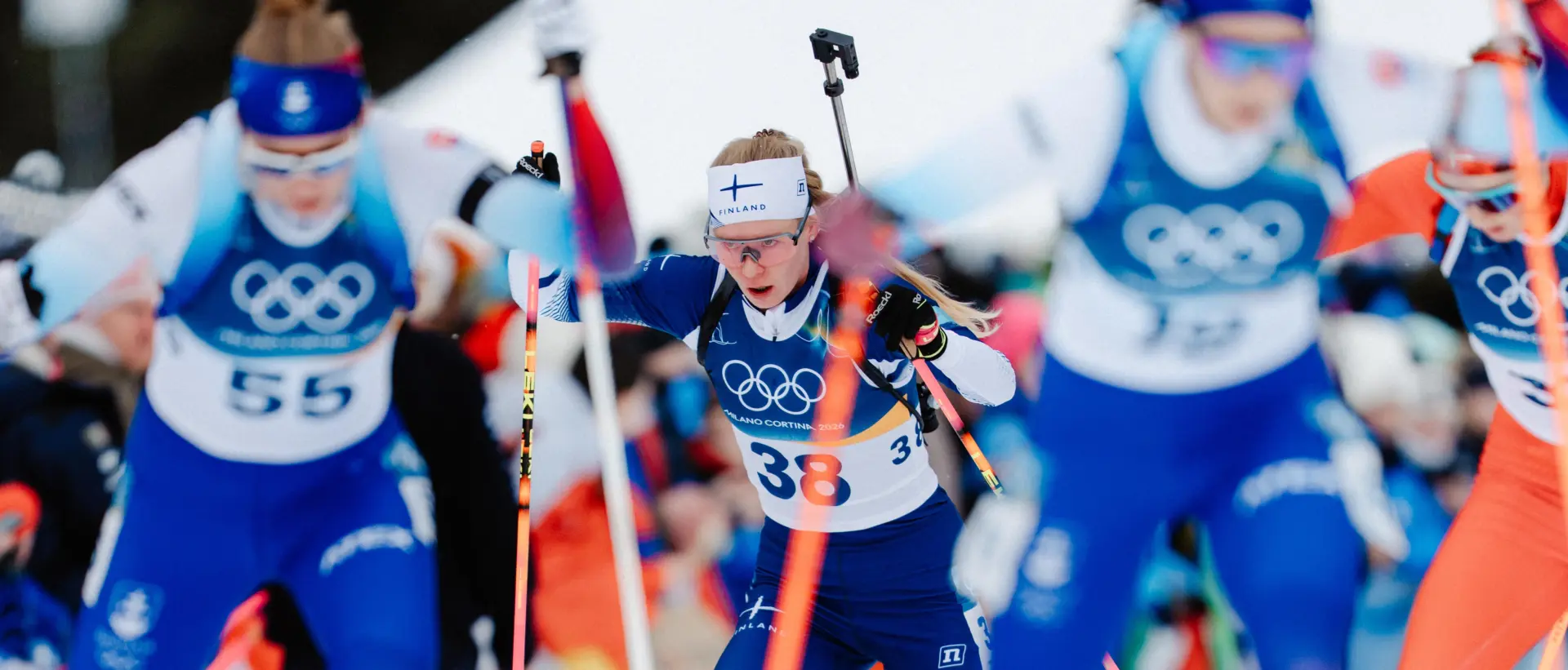
The final year was dedicated to fine-tuning and mental conditioning. The team arrived in Italy not as a collection of individuals, but as a synchronized unit with a clear tactical plan for every event.
Supporting Data: The Mechanics of Success
The success of the Finnish team is backed by a shift in how data and expertise are applied. Traditionally, the support team—consisting of doctors, physiotherapists, nutritionists, and technical experts—worked in a somewhat fragmented manner. Under the new regime, this was replaced by a "centralized coordination" model.
The data indicates that the most significant gains were found in the "transition zones." By analyzing the time spent entering the shooting range and the recovery time post-shooting, the coaching staff was able to shave critical seconds off individual performances. Furthermore, the emphasis on shooting repeatability—the ability to perform accurately under fatigue—showed a measurable improvement across the entire roster.
The team’s performance metrics at the Games, particularly in the women’s pursuit, showed that Finnish athletes were among the fastest in the field in terms of range efficiency, a direct result of the specific simulation training implemented by Torneus-Kulstad.
Official Responses: Insights from the Coaching Staff
In a series of exclusive interviews, head coach Erik Torneus-Kulstad reflected on the philosophy that propelled the team to their recent success.
"Meille oli tärkeää, että joukkue pelaa yhteen," says Torneus-Kulstad. (It was important to us that the team plays together.) "We didn’t want a situation where we hold camps, train, and then everyone disappears into their own rooms. We had to build a truly functioning team where everyone takes responsibility for their own role."
Regarding the shift in the team’s professional environment, the coach noted: "We wanted to create an environment where everyone is prepared, focused, and on time. The athletes have responded to these expectations remarkably well. They have realized that the level of the entire team is built together."
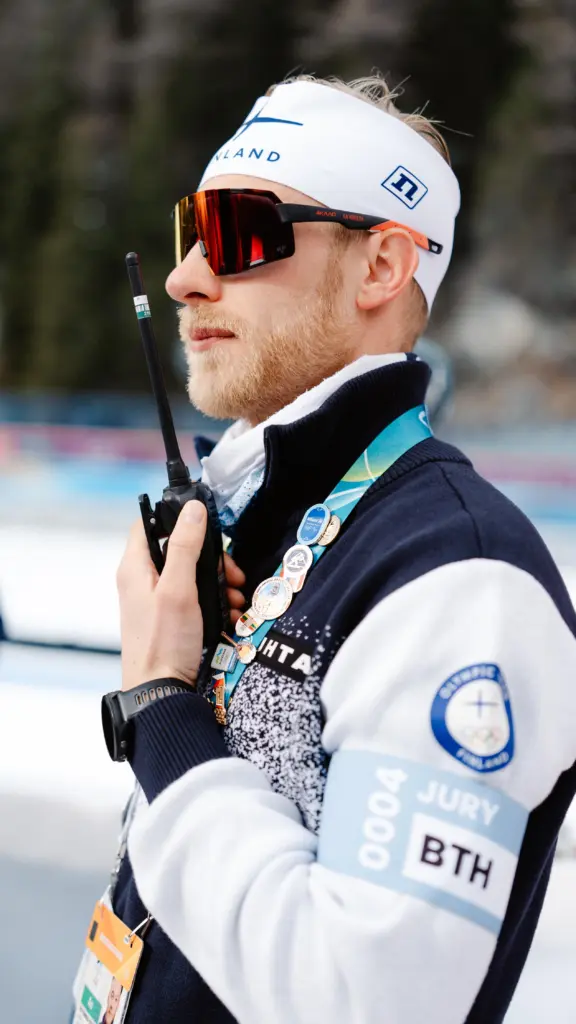
Addressing the coordination of the support staff, Torneus-Kulstad added: "While all specialists—doctors, physios, and experts—were always working for the athlete’s best, we have significantly improved how those different areas function together. The leadership team now has a much clearer overview of the entire process. Communication and the division of responsibilities in daily work have become more consistent, which benefits everyone."
On the development of stars like Suvi Minkkinen, the coach expressed immense pride: "Suvi’s development has been significant in both speed and shooting. She has been willing to do absolutely everything for her success. For these Olympics, she quite literally put everything on the line."
Implications: The Path Forward
While the performance at Milano-Cortina was a resounding success, the Finnish biathlon team is not content to rest on its laurels. The implications for the future are clear: the bar has been raised, and the competition will be looking to emulate the Finnish model.
Torneus-Kulstad is already looking toward the next cycle, acknowledging that while the team has achieved a high level of excellence, there is still work to be done. "Our top performances are currently at a great level, but our ‘lowest’ performance—the floor—is still too low. We need more consistency," he explains. "While physical levels have risen across the board, we must specifically develop the speed required for sprint events."
The future of Finnish biathlon, according to the leadership, will continue to emphasize the integration of daily life and professional training. The team has proven that they have the potential to compete at the very top, but sustaining that position will require an even higher degree of precision.
"We have all the prerequisites to function at this level," concludes Torneus-Kulstad. "But if we want to continue to evolve, we have to do certain things even better than before. The lesson of the last four years is that success is never an accident; it is the result of a meticulously built, high-demand environment where everyone—from the athlete to the support staff—is pulling in the same direction."
As the Finnish flag is raised in the aftermath of these successful Games, the nation looks forward with renewed optimism. The biathlon team has set a new standard, not just for their sport, but for the professionalization of Olympic preparation in Finland. The journey to Milano-Cortina was a testament to the power of shared goals and disciplined execution, and the world is now watching to see how far this momentum can carry them.