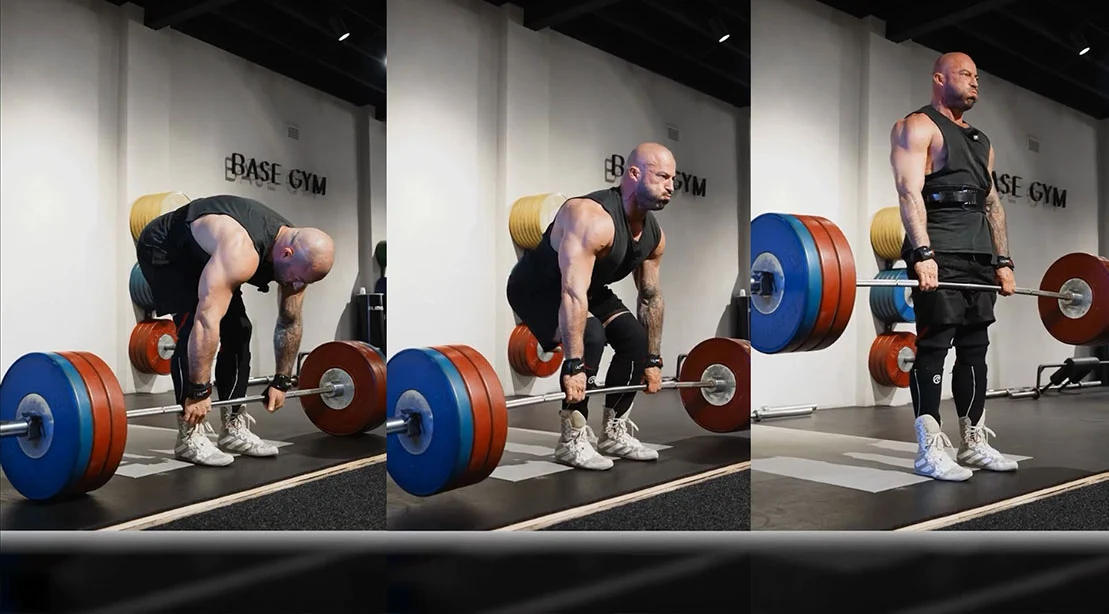
For the dedicated lifter, the changing of the leaves isn’t just a seasonal shift—it is the signal that the most productive training block of the year has arrived. In modern fitness parlance, this period has been branded the "Winter Arc." While the term may be a recent addition to the social media lexicon, the physiological principles behind it are rooted in decades of bodybuilding tradition: it is the purposeful, high-intensity offseason designed to pack on size, build functional strength, and address structural weaknesses before the arrival of spring.
However, the difference between a successful transformation and a stagnant "dirty bulk" lies in the preparation you undertake in the fall. If you enter the colder months without a roadmap, you risk spending the first six weeks merely finding your footing. By then, the intensity required for real growth will have passed you by. This is your guide to turning the coming months into your most productive training cycle yet.
The Philosophy of the Winter Arc: Why Timing Matters
The Winter Arc is, at its core, a psychological and physiological reset. During the spring and summer, the average trainee is often distracted by "beach body" deadlines, social obligations, and the pressure to stay lean for outdoor activities. These factors inherently limit the intensity of a training program and the aggressiveness of a nutritional strategy.
When the temperature drops, those external pressures recede. The "Winter Arc" represents a period of hyper-focus. It is a time when the gym becomes the sanctuary, and the kitchen becomes the laboratory. By stripping away the need for immediate aesthetic perfection, you grant your body the "runway" it needs to prioritize hypertrophy and neurological adaptations. This is not about getting sloppy; it is about building a foundation that is physically superior to the one you had in the spring.
The Chronology of the Arc
- The Foundation Phase (October): This is the "Pre-Arc" window. The focus here is on structural integrity, identifying imbalances, and establishing a baseline for nutrition.
- The Accumulation Phase (November–January): The engine of the arc. This is where volume is systematically increased, calories are adjusted to a slight surplus, and progressive overload becomes the primary metric of success.
- The Consolidation Phase (February–March): The final push. Here, you maximize the intensity, solidify your strength gains, and prepare the physique for a controlled transition into a spring cut.
Setting the Target: The Science of SMART Goals
Vague intentions like "I want to get bigger" are the primary reason most lifters fail to see results. To make this your best season, you must apply the SMART framework—making your goals Specific, Measurable, Achievable, Relevant, and Time-bound.
- Specific: Instead of "getting bigger," target a 5-pound increase in lean mass or a 10% increase in your primary compound lifts (squat, bench, deadlift).
- Measurable: Track your training volume through a digital log or physical journal. Use body weight averages (not daily fluctuations) to monitor nutritional efficacy.
- Achievable: If your current bench press is 225 lbs, aiming for 300 lbs in three months is likely a recipe for injury. Aim for a 5–10% improvement in strength across your primary movements.
- Relevant: Ensure your training aligns with your goal. If your goal is hypertrophy, your program should focus on moderate rep ranges (8–12) and adequate volume. If it is strength, move toward lower reps (3–6) with higher intensity.
- Time-bound: Define the exact date your "Arc" concludes. This prevents you from drifting aimlessly into the summer months.
Physiological Foundations: Building the Base
Before you increase your training volume, you must ensure your body is prepared to recover from it. Many lifters make the mistake of jumping into high-volume "pro-style" routines immediately. If your tendons, ligaments, and central nervous system are not primed, you will hit a wall by mid-November.
Resetting from Injury
If you have been nursing nagging joint pain or muscular imbalances, the early fall is your window for physical therapy and corrective work. Use this time to prioritize mobility and pre-habilitation. A stronger, healthier joint can handle significantly more load over the next four months than an injured one.
The Volume Ramp-Up
Hypertrophy is the result of accumulated volume over time. The "sweet spot" is the highest amount of work you can perform while still recovering fully before your next session. If you feel like your motivation is slipping or your soreness is lingering for more than 48 hours, you have exceeded your recovery capacity. Scale back, stabilize, and then build again.
Nutritional Strategy: Fueling the Growth
A "Winter Arc" is not an excuse to eat everything in sight. While caloric surplus is necessary for growth, excessive fat gain serves no physiological purpose and will only make your eventual spring "cut" more difficult.
The Maintenance Reset
Start by spending 2–3 weeks at your maintenance calorie level. This allows your metabolism to stabilize and provides a clear baseline. Use this time to master your protein intake—aiming for 0.7 to 1.0 grams per pound of body weight—and to ensure your micronutrient profile is balanced.
The Controlled Surplus
Once your training volume increases, introduce a modest surplus of 200–300 calories per day. This is the "Goldilocks zone"—enough to fuel muscle protein synthesis and training intensity, but not enough to cause excessive adipose tissue storage. Track your weekly average weight; if you are gaining more than 0.5% to 1% of your body weight per week, your surplus is likely too aggressive.
Psychological Implications: Habits Over Motivation
Motivation is a finite resource that often evaporates when the holiday season hits and the weather gets dark. To succeed, you must build a system that functions on autopilot.
- Schedule Consistency: Treat your gym sessions like high-stakes work meetings. They are non-negotiable.
- Meal Preparation: If you rely on convenience, you will inevitably choose convenience over nutrition. Spend two hours on Sunday prepping your protein sources and complex carbohydrates.
- Sleep Hygiene: Recovery is not just about food; it is about the hours you spend in bed. Aim for 7–9 hours of quality, uninterrupted sleep. This is when the actual muscle growth occurs.
Frequently Asked Questions
Q: Can I use the Winter Arc for body recomposition?
A: Absolutely. If you are returning from a long layoff or currently carry a higher body fat percentage, you can effectively build muscle and lose fat simultaneously by maintaining a protein-rich diet and focusing on progressive overload without a massive caloric surplus.
Q: Does the "Winter Arc" have to be a bulk?
A: Not necessarily, but it is the most efficient time for a bulk. Because you are not worrying about being "lean for the pool," you can focus entirely on performance. If your primary goal is body fat reduction, you can still treat this as a focused period to lean out, but you will miss the prime physiological opportunity to build significant tissue.
Q: How do I know when the Arc should end?
A: The arc ends when your performance gains plateau despite adjustments, or when you reach your predefined "Time-bound" goal. By setting a hard end date, you avoid the common trap of "perpetual bulking," which often leads to poor health outcomes and unnecessary fat gain.
Final Thoughts
The Winter Arc is more than just a fitness trend; it is a commitment to yourself. By treating the coming months with the seriousness they deserve—planning your goals, structuring your nutrition, and prioritizing recovery—you move away from "fitness as a hobby" and toward "fitness as a lifestyle." When the first warm days of spring arrive, you won’t be looking for a quick fix. You will be looking at a reflection that proves the hard work you put in while the rest of the world was slowing down.