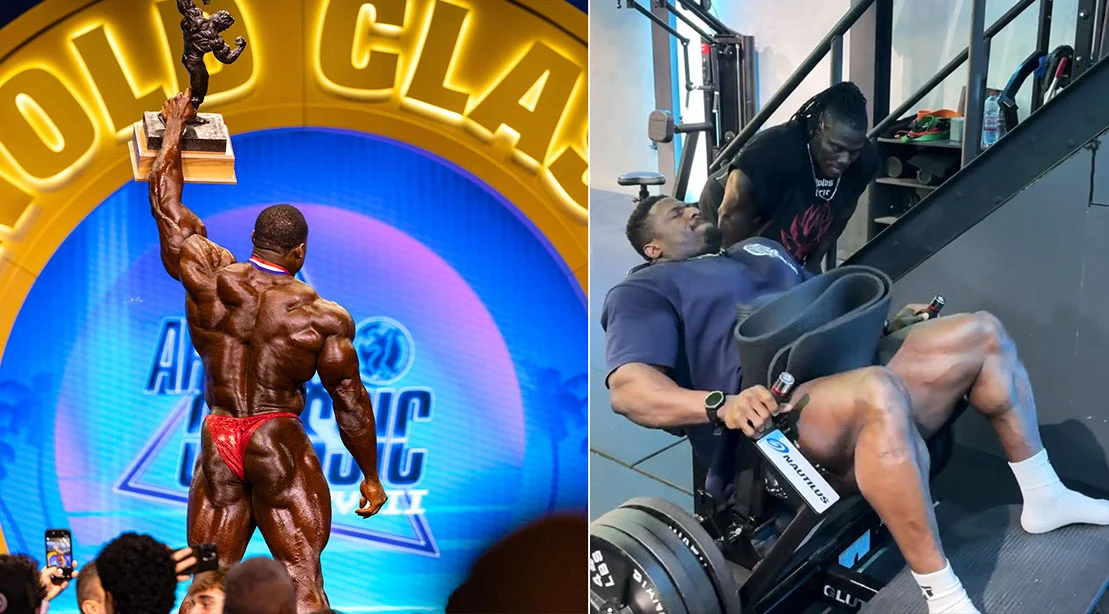
When the emcee at the Mr. Olympia takes the microphone to introduce the competitors, the ritual is simple: the athlete’s name is preceded by the nation they represent. While this might appear to be a standard protocol for any international sporting event, within the world of professional bodybuilding, it carries profound significance. The Olympia is not merely a stage for physical perfection; it is a global summit where athletes from rival nations stand shoulder-to-shoulder, united by the singular pursuit of human excellence. As the bodybuilding world prepares for the 2026 Olympia, it is worth examining how this event has evolved from a niche competition into a powerful instrument of international diplomacy and cross-cultural unity.
The Global Stage: A Melting Pot of Nations
In the Men’s Open division alone, the 2026 Olympia will feature elite competitors hailing from 11 different countries. When this scope is expanded to include the 11 professional divisions and the Amateur Olympia, the sheer diversity of the participant pool is staggering. In an era often defined by geopolitical tension, the sight of athletes from nations with strained diplomatic relations sharing the same stage serves as a powerful, silent rebuttal to global divisiveness.
The Olympia functions as a microcosm of global harmony, where the common language of iron and discipline transcends borders. It is a testament to the idea that physical culture—the shared pursuit of health, recovery, and peak performance—is a universal aspiration that binds people together regardless of their country of origin.
Chronology: The Weider Legacy and the Birth of Sporting Diplomacy
To understand why the Olympia stands as a pillar of international unity, one must look back to its foundational years. The story of modern bodybuilding diplomacy is inextricably linked to the IFBB (International Federation of Bodybuilding and Fitness) and its co-founder, Ben Weider.
The 1975 Turning Point: Pretoria and the Fight for Inclusion
The 1975 Mr. Olympia, famously documented in the film Pumping Iron, is often remembered for the rivalry between Arnold Schwarzenegger and Lou Ferrigno. However, beneath the cinematic surface, the event was a masterclass in political maneuvering. Held in Pretoria, South Africa, during the height of the apartheid era, the contest was a flashpoint for international controversy.
Ben Weider, a man deeply influenced by his own experiences with discrimination as a Jewish entrepreneur in an era of institutional bias, viewed bodybuilding as a vehicle for social justice. Faced with intense pressure from the global community to boycott South Africa, Weider chose a different path: engagement. He negotiated directly with the South African government, issuing an ultimatum: either all athletes would be welcomed and treated as equals, or the event would be moved to a different nation.
Breaking Barriers in Real-Time
The struggle for equality did not end with the government’s written agreement. Upon arrival, athletes of color faced the reality of segregation on local transport and in public spaces. It was here that the true spirit of the sport emerged. Legends like Arnold Schwarzenegger joined Ben Weider in a firm stance against the organizers, refusing to participate unless their fellow competitors were afforded the same dignity and access as everyone else. Their intervention ensured that icons such as Albert Beckles, Robby Robinson, and Serge Nubret competed on an even playing field. This moment was not just a win for the sport; it was a watershed moment for civil rights in a segregated state.
Supporting Data: The Ripple Effect of Influence
The impact of the 1975 Olympia was far-reaching, acting as a catalyst for broader societal shifts. As Rob Wilkins, M&F Senior Military Editor and a former assistant to Ben Weider, notes, the event’s success in integrating the stage helped normalize the presence of black athletes in elite South African sports. Shortly thereafter, Sydney Maree became the first black athlete to be named South Africa’s "Athlete of the Year," a milestone that many credit to the doors opened by the bodybuilding community’s principled stand in 1975.
This momentum continued for decades. Weider, driven by a vision of bodybuilding as a global unifier, traveled extensively throughout the Cold War, bringing the sport to Eastern Europe and China—nations then largely closed off from Western athletic exchange. His persistence culminated in 1998, when the International Olympic Committee (IOC) granted the IFBB provisional recognition during the Winter Games in Nagano, Japan. This was the ultimate validation of the sport’s role in global society.
Official Perspectives: The Power of the Iron
The philosophy behind the Olympia remains consistent: sport is a neutral ground where excellence is the only currency. Experts and stakeholders within the industry suggest that the "diplomacy of the iron" is a scalable model.
"Ben Weider showed that bodybuilding has contributed so much to the world," Wilkins explains. "He didn’t believe in the heavy-handed approach; he believed in the power of shared human potential."
This perspective is bolstered by the upcoming "Decade of Sport" in the United States. With the 2028 Los Angeles Summer Games and the 2034 Salt Lake City Winter Games on the horizon, the focus on sport as a tool for international cooperation has never been higher. Yet, while the Olympics are governed by complex national politics, the Olympia remains unique in its direct focus on the individual. It suggests that when we strip away the national flags and focus on the internal drive to improve, we find that our differences are secondary to our shared human experience.
The Implications: A Template for the Future
What are the long-term implications of this "unifying power of the iron"? As the world grows increasingly polarized, the Olympia serves as a blueprint for how other industries might facilitate dialogue.
Common Bonds vs. Competitive Differences
At its core, bodybuilding is a contest of differences. Athletes highlight their unique strengths and work to overcome their specific weaknesses. However, the reason they compete—the commitment to discipline, the adherence to rigorous training, and the pursuit of optimal physical health—is identical across every competitor.
This creates a paradox: the more an athlete strives to be the best "individual," the more they relate to the struggle of their neighbor. By fostering a community where the highest standard of excellence is the goal, the Olympia creates an environment of mutual respect that is rarely seen in other arenas.
Diplomacy in the Modern Era
As we look toward the 2026 Olympia and beyond, the event stands as a living, breathing example of how to conduct international relations. It teaches us that:
- Diplomacy is active, not passive: It requires the willingness to stand up for principles, as seen with the 1975 boycotts and negotiations.
- Community creates resilience: The bonds formed through physical culture are strong enough to withstand political shifts.
- Common goals override rivalries: When athletes share a goal—whether it is the Sandow trophy or simply personal growth—the borders between them blur.
Conclusion: The Unifying Power of the Iron
The Olympia is more than just a competition; it is a celebration of the human spirit. It serves as a reminder that the key to a better world may not lie in the hands of political summits or legislative bodies, but in the collective commitment to personal excellence. When individuals from all corners of the globe gather to celebrate the body’s potential, they are participating in a profound act of peace.
As the athletes take the stage in Las Vegas this year, we should look past the muscles and the trophies. Instead, we should look at the connections being made. We should see the unity, the mutual respect, and the shared values that define the sport. The "Decade of Sport" may be upon us, but in many ways, the bodybuilding community has been leading the way for over half a century.
Whether you are a fan, an athlete, or a casual observer, the message of the Olympia remains clear: we have far more in common than we have apart. In the iron, we find not just strength, but the foundation for a more united world.
For those looking to witness this display of international unity firsthand, tickets for the 2026 Olympia and World Fitness Expo are currently available at mrolympia.com.