In a landmark transaction for the Latin American renewable energy sector, investment firm CVC DIF has officially completed the acquisition of the "Gabriela" project, a cutting-edge, utility-scale hybrid solar and battery energy storage system (BESS) located in northern Chile. The facility, which was developed by the Spanish renewable energy firm Grenergy, represents a significant addition to CVC DIF’s growing international portfolio of sustainable infrastructure assets.
The acquisition, finalized following the facility’s successful transition into commercial operation, carries an enterprise value of $475 million (€409.32 million). This deal not only marks a pivotal exit for Grenergy as part of its strategic asset rotation plan but also underscores the increasing institutional appetite for high-capacity, dispatchable renewable energy projects capable of addressing the inherent intermittency of solar power.
Core Project Specifications: Powering the Atacama
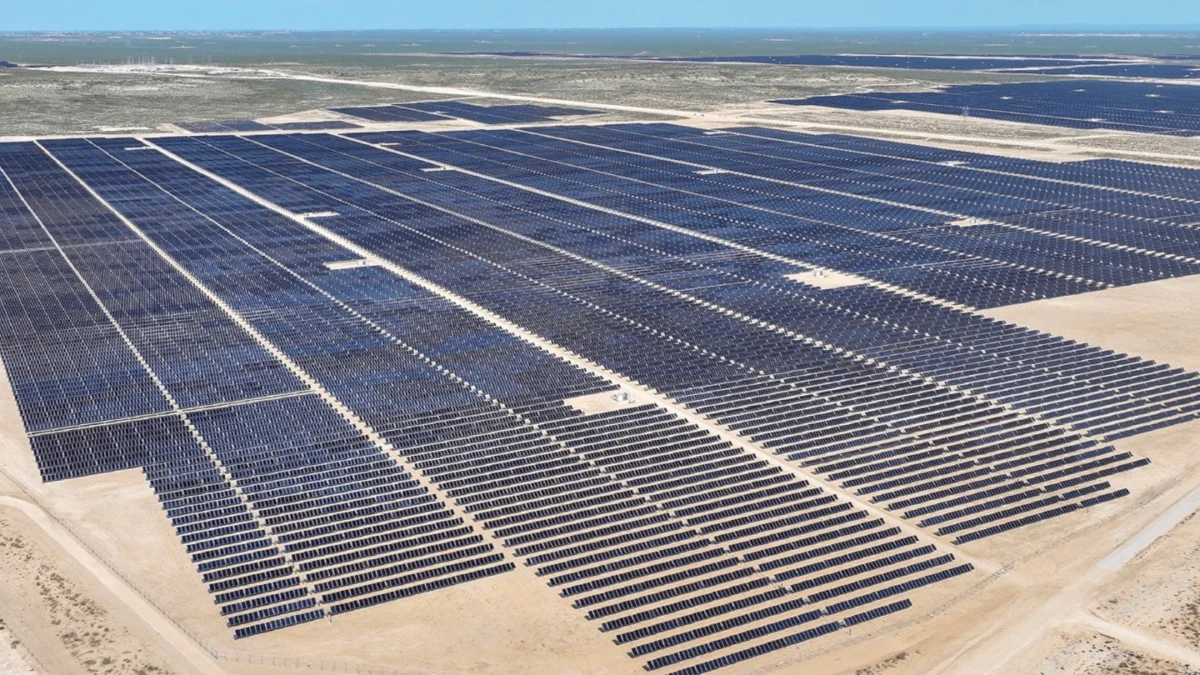
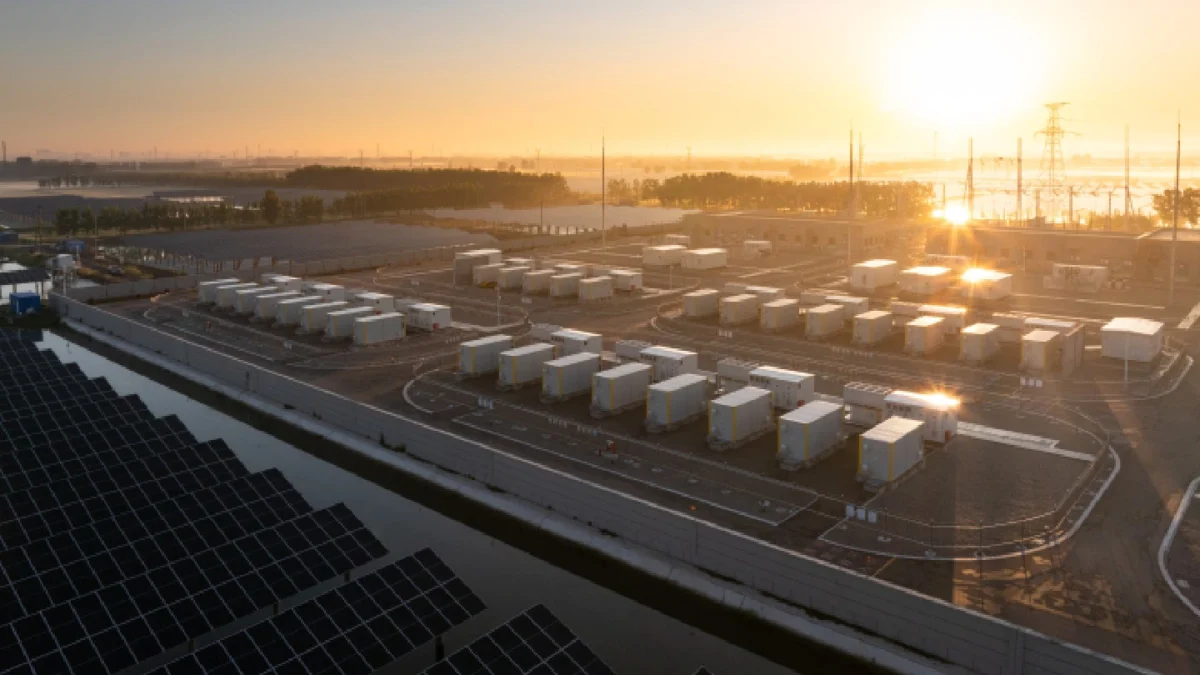
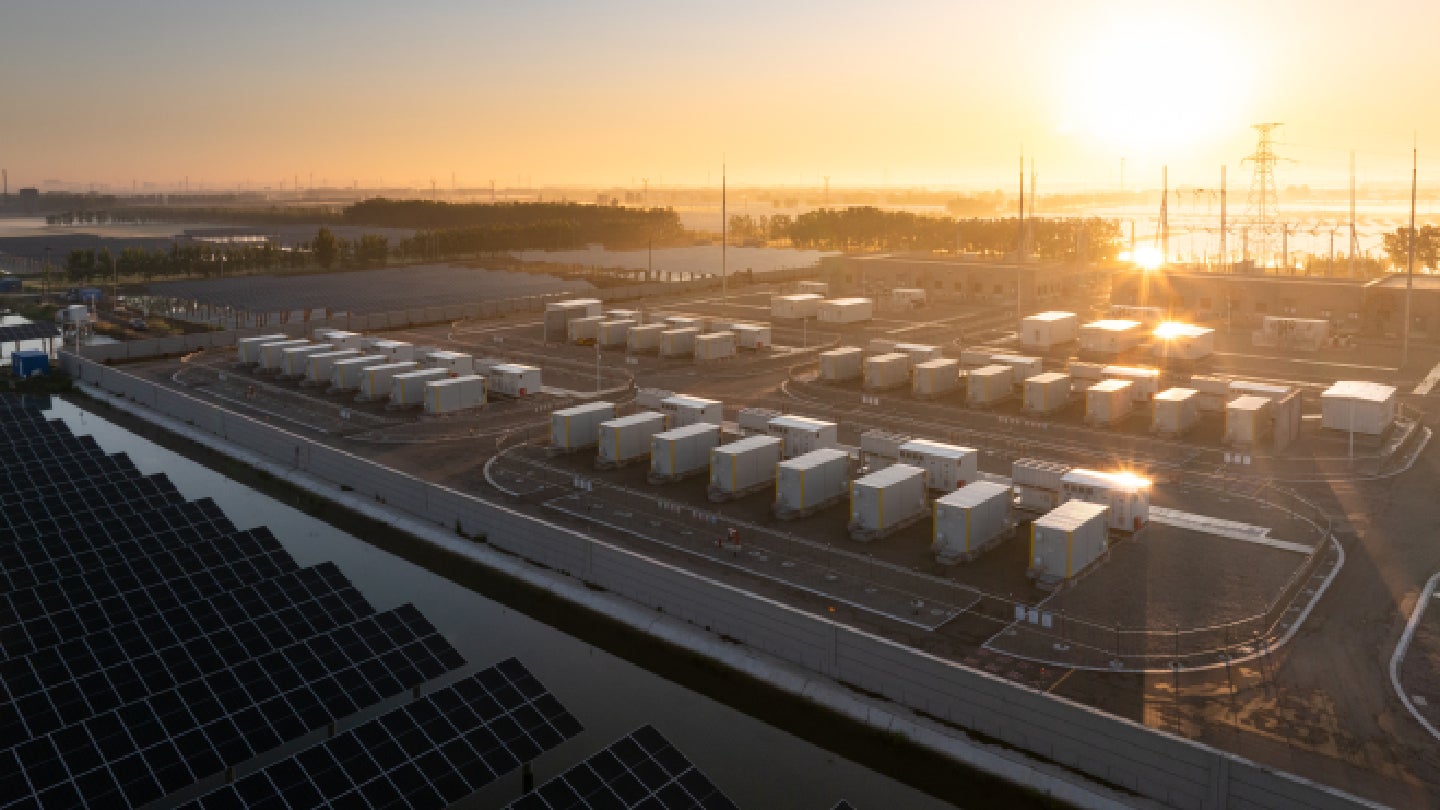
The Gabriela project is a sophisticated integration of generation and storage technologies. It boasts 272MW of installed solar photovoltaic (PV) capacity, coupled with a robust 1.1GWh battery energy storage system. By co-locating these assets, the project overcomes the traditional limitations of solar energy, allowing for the capture of midday solar surplus and its discharge during peak demand hours or at night, thereby ensuring a stable and reliable energy supply to the Chilean grid.
The facility’s economic viability is anchored by a 15-year, US-dollar-denominated, inflation-indexed hybrid power purchase agreement (PPA). This long-term contract provides revenue certainty for CVC DIF, insulating the project against short-term market volatility and currency fluctuations—a critical factor for infrastructure investors operating in emerging markets.
A Chronology of the ‘Oasis de Atacama’ Development
Gabriela serves as the fourth phase of Grenergy’s ambitious "Oasis de Atacama" initiative, which stands as one of the largest battery storage platforms currently under development globally. The project’s evolution has been characterized by strategic financing and phased execution:
- Project Inception and Development: Grenergy identified the Atacama region for its world-class solar irradiance, conceptualizing a multi-phase development that would eventually total 14.1GWh of storage capacity.
- Strategic Capital Deployment: The construction of the Gabriela phase was facilitated by a $324 million green loan, secured through a diverse consortium of international lenders, including Bank of America, BBVA, BNP Paribas, ICO, JPMorgan, KfW IPEX, Natixis, Rabobank, Scotiabank, SMBC, and Société Générale.
- Announcement of Sale: The divestment of the Gabriela asset to CVC DIF was first disclosed in September 2025, signaling the intent of both parties to finalize the deal once construction and grid synchronization were complete.
- Commercial Operation: Having achieved full commercial operation, the asset was transferred to CVC DIF, marking the transition from development and construction to long-term operational management.
- Previous Milestones: The broader Oasis de Atacama platform gained momentum in December 2024 with the sale of its first phase to ContourGlobal.
Combined, the sales of these two phases represent roughly 25% of the total 14.1GWh capacity of the Oasis de Atacama platform, with a combined enterprise value reaching approximately $1.5 billion.
Financial and Operational Framework
The financing structure of the Gabriela project highlights the robust confidence institutional lenders place in hybrid renewable technologies. The $324 million green loan consortium reflects a diversified risk profile, with participation from major global banking institutions that have stringent environmental, social, and governance (ESG) mandates.
Under the terms of the acquisition agreement, the operational continuity of the site is ensured through a service contract. Grenergy will continue to provide operation and maintenance (O&M) services for the facility for an initial five-year period. This arrangement is mutually beneficial: it allows CVC DIF to leverage Grenergy’s technical expertise and intimate knowledge of the plant’s infrastructure, while providing Grenergy with a stable, fee-based revenue stream during the post-construction phase.
Official Responses and Strategic Vision
The completion of the deal has drawn positive reactions from both executive leadership teams. David Ruiz de Andrés, Chairman and CEO of Grenergy, framed the transaction as a validation of the company’s business model.
"We are delighted to have completed this transaction with CVC DIF and look forward to continuing our partnership on future projects," Ruiz de Andrés stated. "This deal highlights the quality of our assets and validates the success of the hybrid solar-plus-storage model we pioneered in Chile, which we are now scaling in Spain."
Caine Bouwmeester, a partner at CVC DIF and head of their renewable energy division, emphasized the project’s strategic fit within the firm’s global portfolio. "The completion of Gabriela marks an important step for CVC DIF in Chile. Combining large-scale solar generation with battery storage, the project will deliver reliable energy and enhance the flexibility and resilience of the Chilean grid. We are pleased to have partnered with Grenergy to bring it to completion, and to welcome the asset into our growing global portfolio."
Broader Market Implications
The Shift to Asset Rotation
The sale of Gabriela is a centerpiece of Grenergy’s 2026–2028 Strategic Plan. By employing an "asset rotation" strategy, the company is able to recycle capital from matured, operational projects back into early-stage greenfield development. This cycle allows the firm to maintain a lean balance sheet while fueling rapid growth. The company has set an ambitious target of €800 million in revenue from asset sales over the 2026–2028 period, proving that high-quality, de-risked renewable assets are currently among the most sought-after commodities in the global energy market.
Strengthening Chile’s Grid Resilience
Chile is currently in the midst of an aggressive energy transition, moving away from coal-fired generation toward a carbon-neutral grid. However, the geographic spread of renewable generation—often far from urban load centers—presents significant transmission and stability challenges.
Projects like Gabriela, which integrate battery storage, serve as "firming" assets. They provide essential ancillary services, such as frequency regulation and spinning reserves, which are vital for grid stability. The success of the Oasis de Atacama platform signals to the regional market that Chile is becoming a global leader in utility-scale BESS deployment.
Market Context and Future Outlook
The deal follows closely on the heels of other significant movements in the Chilean market, including Grenergy’s June announcement regarding a 15-year "night-time" PPA. Under that contract, the company committed to supplying 1TWh of electricity annually to a global investment-grade utility, further demonstrating the viability of using storage to provide "baseload" renewable power at night.
As global energy markets move toward higher penetration of renewables, the "solar-plus-storage" model is rapidly shifting from a niche technological experiment to the industry standard for utility-scale development. The Gabriela transaction serves as a template for how private equity and infrastructure funds can successfully partner with developers to de-risk projects, unlock liquidity, and accelerate the global energy transition.
For CVC DIF, this acquisition provides a stable, long-term yield backed by robust contractual frameworks, while for Grenergy, the capital influx provides the necessary runway to replicate the Oasis de Atacama success story in new jurisdictions, particularly across Europe. As both firms look to the future, the Gabriela project stands as a testament to the fact that when high-quality technology meets sophisticated financial engineering, the result is a sustainable, scalable, and highly investable energy infrastructure.