In a significant stride toward Germany’s energy transition, EnBW Energie Baden-Württemberg (EnBW) has successfully completed the installation of all 64 wind turbines at the He Dreiht offshore wind farm. Located in the heart of the German North Sea, the project stands as a flagship development for renewable energy, marking a pivotal moment in the nation’s pursuit of carbon neutrality and long-term energy security.
The completion of the installation phase, executed in partnership with Danish turbine manufacturer Vestas, brings the massive 960MW facility one step closer to full commercial operation. Despite recent technical challenges, the project remains on schedule to become fully operational by late summer, promising to provide clean electricity to over a million households.
Main Facts: A Giant in the North Sea
The He Dreiht wind farm is positioned in a strategic maritime corridor, approximately 85km northwest of the island of Borkum and 110km west of Heligoland. This location benefits from the high, consistent wind speeds characteristic of the North Sea, which are essential for maintaining a high capacity factor.
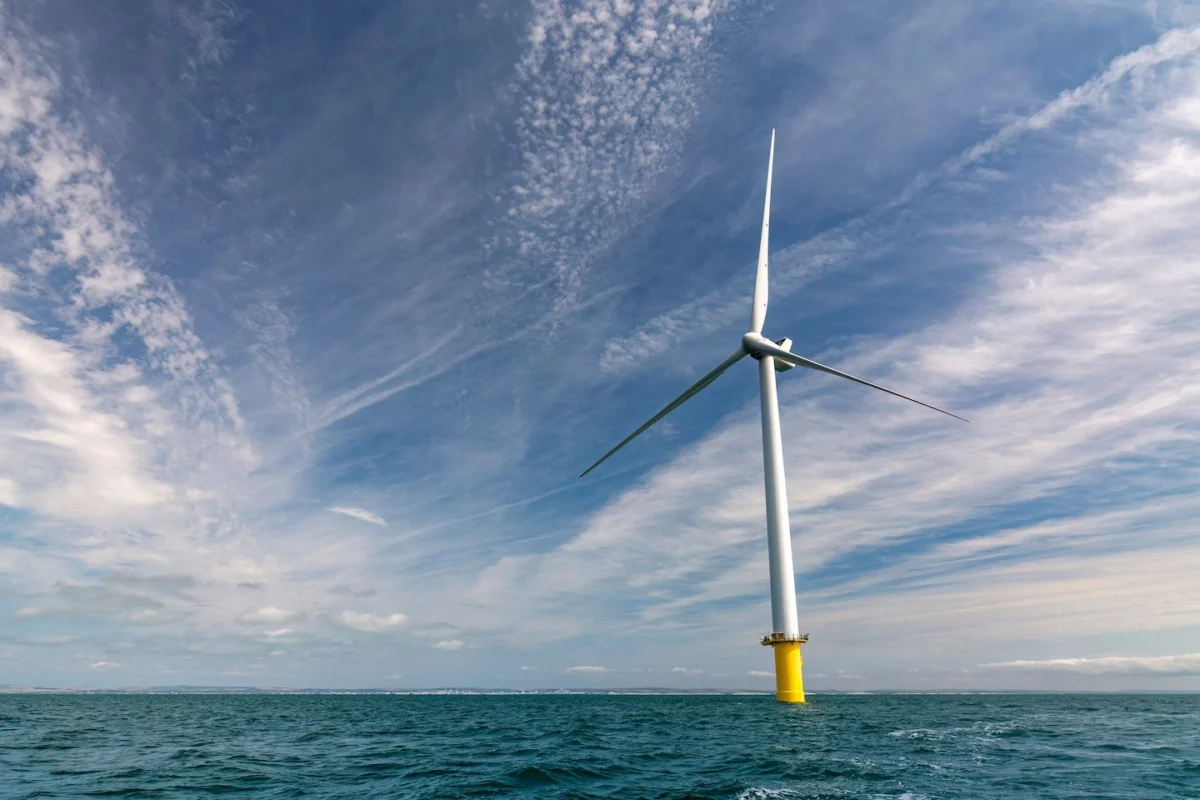
The facility consists of 64 state-of-the-art turbines, each boasting a capacity of 15MW. These units represent some of the most advanced wind technology currently available, designed to maximize energy yield in challenging offshore conditions. The total investment for the project is approximately €2.4bn ($2.77bn), a substantial capital expenditure funded entirely without state subsidies—a testament to the increasing economic viability of offshore wind as a merchant power source.
Ownership of the project is split between EnBW, which retains a controlling 50.1% stake, and a powerful consortium comprising Allianz Global Investors, AIP Management, and Norges Bank Investment Management (NBIM), which collectively hold the remaining 49.9%.
Chronology: The Road to He Dreiht
The journey of the He Dreiht project has been one of rigorous engineering and logistical coordination.
- Project Inception and Planning: Following the successful bid in government auctions, EnBW began the long-term planning required for a project of this magnitude, focusing on environmental impact assessments and maritime spatial planning.
- Logistical Mobilization: EnBW’s offshore office in Hamburg took the lead in coordinating the complex supply chain, which involved the transport and installation of thousands of components, including towers, nacelles, and blades.
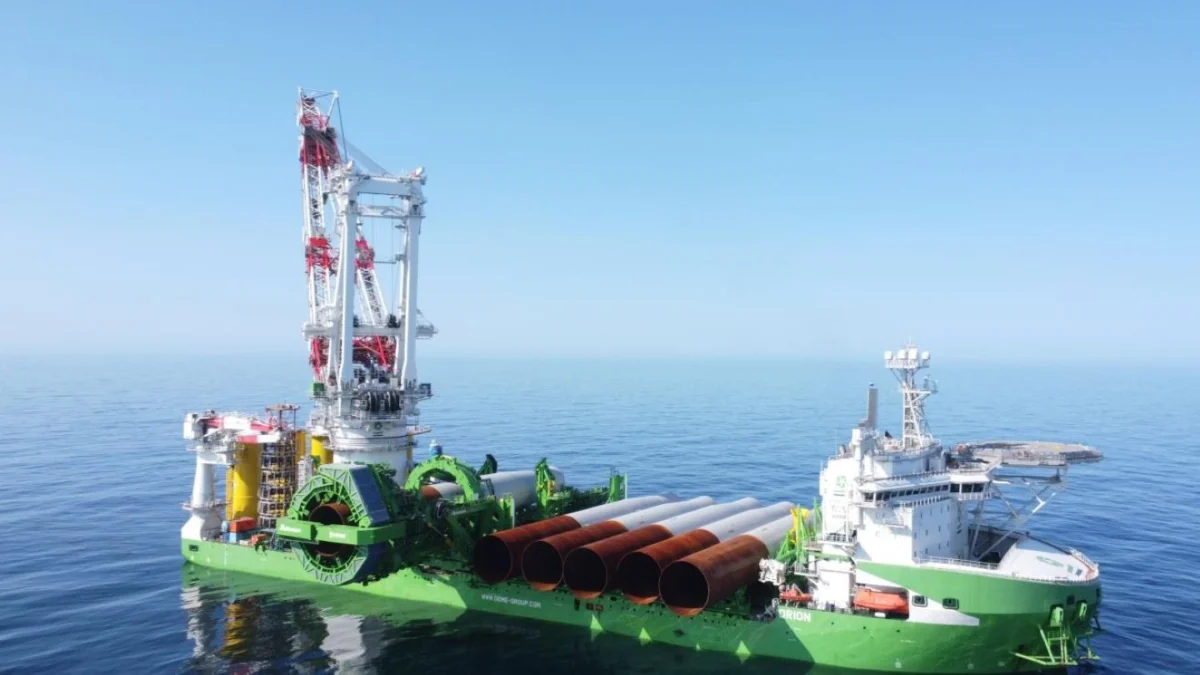
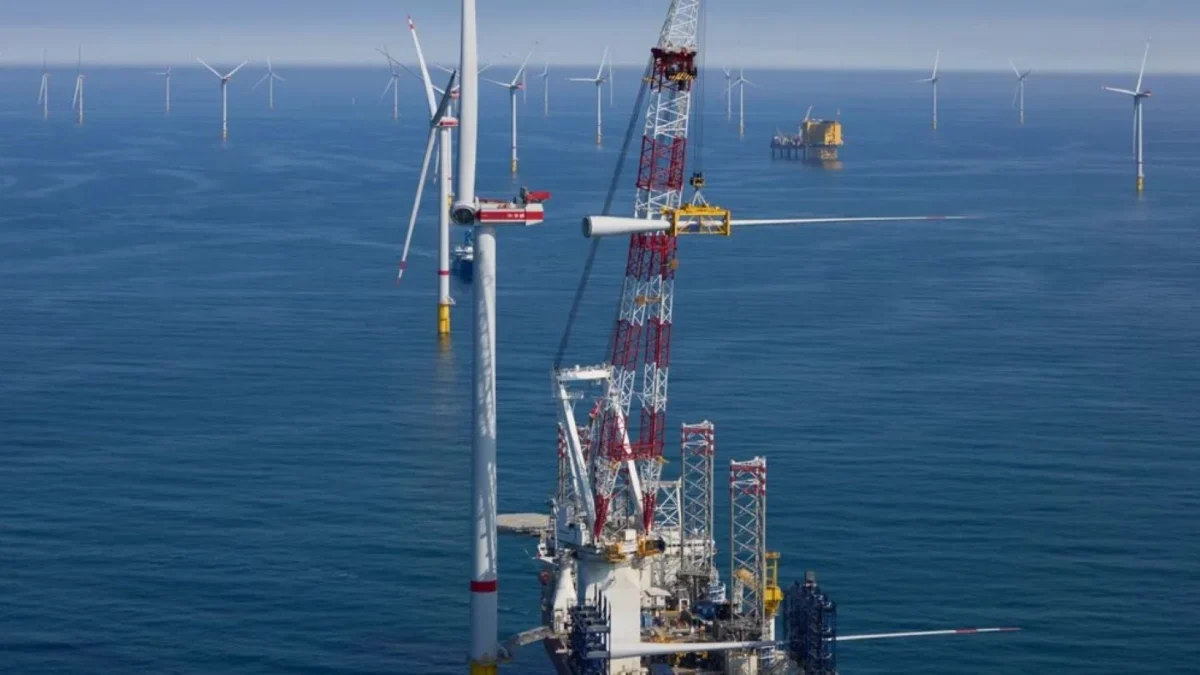
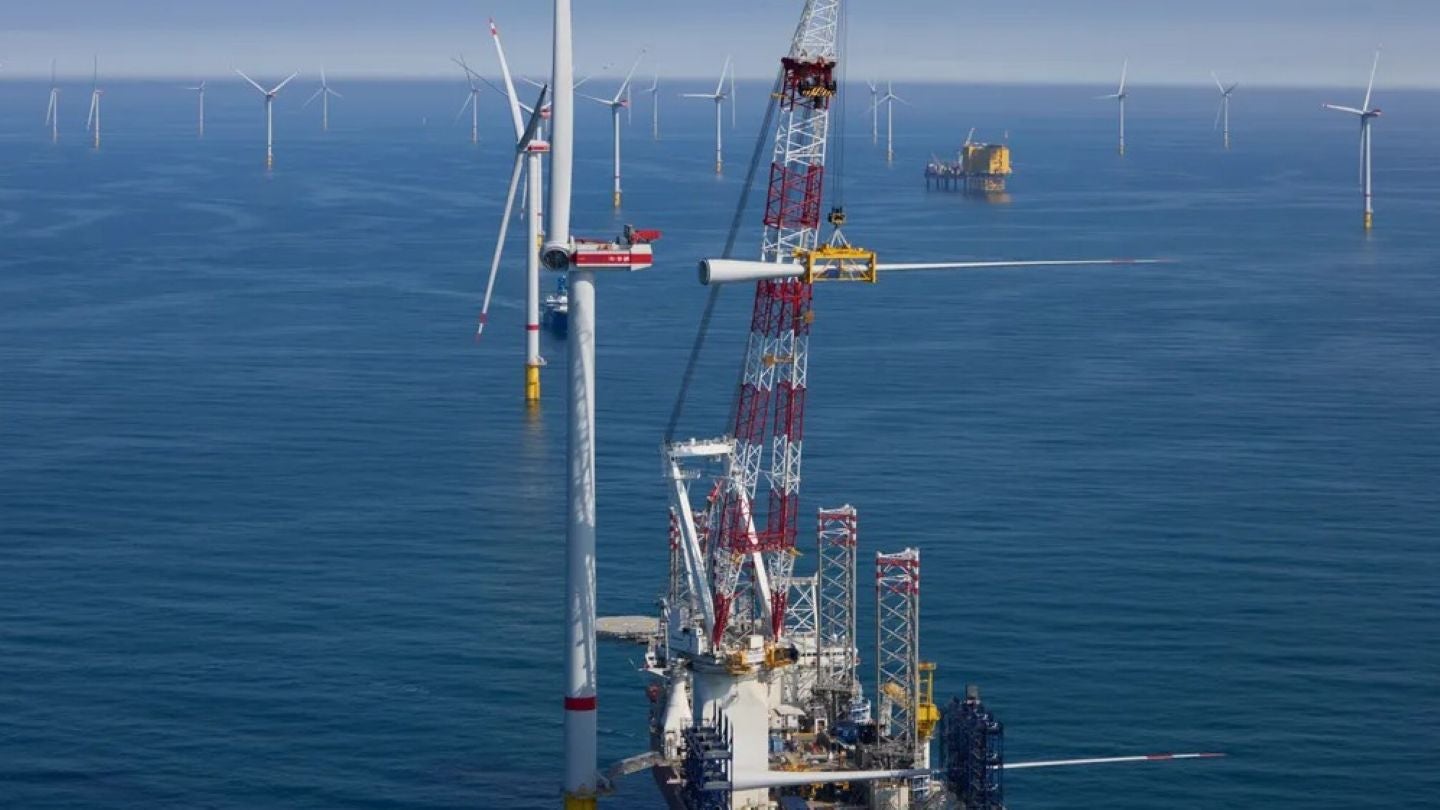
- The Turbine Installation Campaign: Over the past year, specialized heavy-lift vessels have been a constant presence at the site, carefully erecting the 64 Vestas turbines.
- July 2026 Incident: During the final stages of installation in late July, a minor setback occurred when damage was discovered on one of the rotor blades. Vestas immediately initiated an investigation to ensure the structural integrity of the fleet. While the incident caused a brief pause in testing, it did not derail the overall installation timeline.
- August 2026 Completion: The final turbine was successfully placed, signifying the conclusion of the primary construction phase.
- Future Milestones: The project is currently transitioning into the final phases of technical and electrical commissioning. Full grid integration and commercial operation are expected to commence by late summer.
Supporting Data and Financial Framework
The He Dreiht wind farm is not merely a feat of engineering; it is a sophisticated financial model designed to navigate the volatility of the European energy market.
Power Purchase Agreements (PPAs)
A critical element of the project’s success is its reliance on long-term Power Purchase Agreements (PPAs). These contracts provide price certainty for the energy generated, insulating the project from extreme market fluctuations. Notably, in February 2026, EnBW secured a significant 15-year PPA with Google, committing to supply 100MW of clean electricity directly to the tech giant’s operations.
EnBW has confirmed that the vast majority of the electricity output has already been allocated to corporate buyers. Furthermore, the company is in ongoing negotiations with additional industrial partners to secure long-term contracts for the remaining output, underscoring the high demand for renewable energy among energy-intensive corporations looking to green their supply chains.
Economic Impact
The €2.4bn investment represents a major injection of capital into the European green energy sector. By developing the site without state subsidies, EnBW and its partners have demonstrated that the offshore wind industry has matured to the point where it can compete with traditional fossil fuel generation on a purely commercial basis.
Official Responses: The Strategic Vision
The leadership at EnBW views He Dreiht as a cornerstone of their broader decarbonization strategy. Peter Heydecker, EnBW board member for sustainable generation infrastructure, emphasized the significance of the project during a recent press briefing.
"We have reached another important milestone at He Dreiht following the completion of the wind turbine installation work," Heydecker stated. "Offshore wind is a domestic, renewable energy source that can generate considerable amounts of electricity for many hours a year, thus playing a key role in maintaining security of supply and decarbonizing the electricity system."
Heydecker added that the scale of the project is a reflection of EnBW’s broader corporate mandate. "As our largest offshore project to date, He Dreiht reflects our continued commitment to expanding renewable energy and advancing our generation portfolio toward climate neutrality."
Implications: A New Era for German Energy
The completion of He Dreiht has profound implications for Germany’s "Energiewende" (Energy Transition).
Strengthening Energy Security
In the wake of geopolitical shifts that have forced European nations to rethink their reliance on imported gas, the ability to generate nearly 1GW of power domestically is a strategic victory. The consistent nature of offshore wind, compared to the intermittent nature of solar or onshore wind, provides a more stable baseline for the German grid.
Setting Industry Benchmarks
The use of 15MW turbines is a significant leap forward in efficiency. By installing fewer, larger turbines to achieve the same output, developers can reduce the overall footprint of the wind farm and minimize the environmental impact on the seabed. This project will likely serve as the benchmark for future offshore tenders in the North Sea, providing data on operational efficiency and maintenance requirements that will inform the next generation of wind farms.
Navigating Technical Challenges
The investigation into the rotor blade damage serves as a reminder of the harsh realities of the offshore environment. The industry will be watching closely as Vestas completes its analysis and implements remediation strategies. How quickly and effectively these technical challenges are resolved will be a key performance indicator for the maturity of the offshore wind supply chain.
The Path to Full Commissioning
As EnBW moves into the final phase of technical and electrical commissioning, the focus will shift from heavy construction to software integration and grid balancing. The integration of 960MW into the German grid requires sophisticated coordination with the transmission system operators to ensure grid stability.
Once fully operational, the site will not only contribute to Germany’s 2030 climate targets but will also serve as a vital source of competitive, green energy for European industries. As the turbines begin to turn in earnest later this summer, He Dreiht will stand as a testament to the power of private investment, international cooperation, and cutting-edge engineering in the transition to a sustainable, low-carbon future.