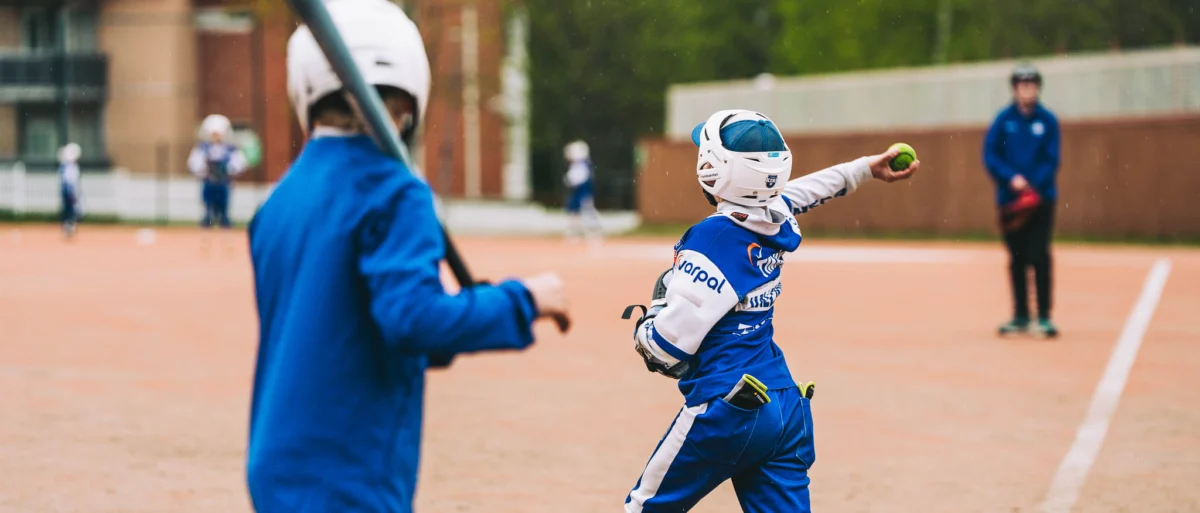
In the heart of Central Finland, a revolution is taking place on the baseball diamonds. Jyväskylän Kiri & Kirittäret Juniorit, the largest junior baseball club in the country, has moved beyond traditional coaching paradigms to embrace a philosophy centered on autonomy, play-time, and long-term athletic development. By aligning itself with the Finnish Baseball Federation’s (Pesäpalloliitto) new youth framework, the club is not just training future stars—it is attempting to solve the broader national crisis of declining physical literacy and early dropout rates in youth sports.
The Core Philosophy: Putting the "Play" Back in Practice
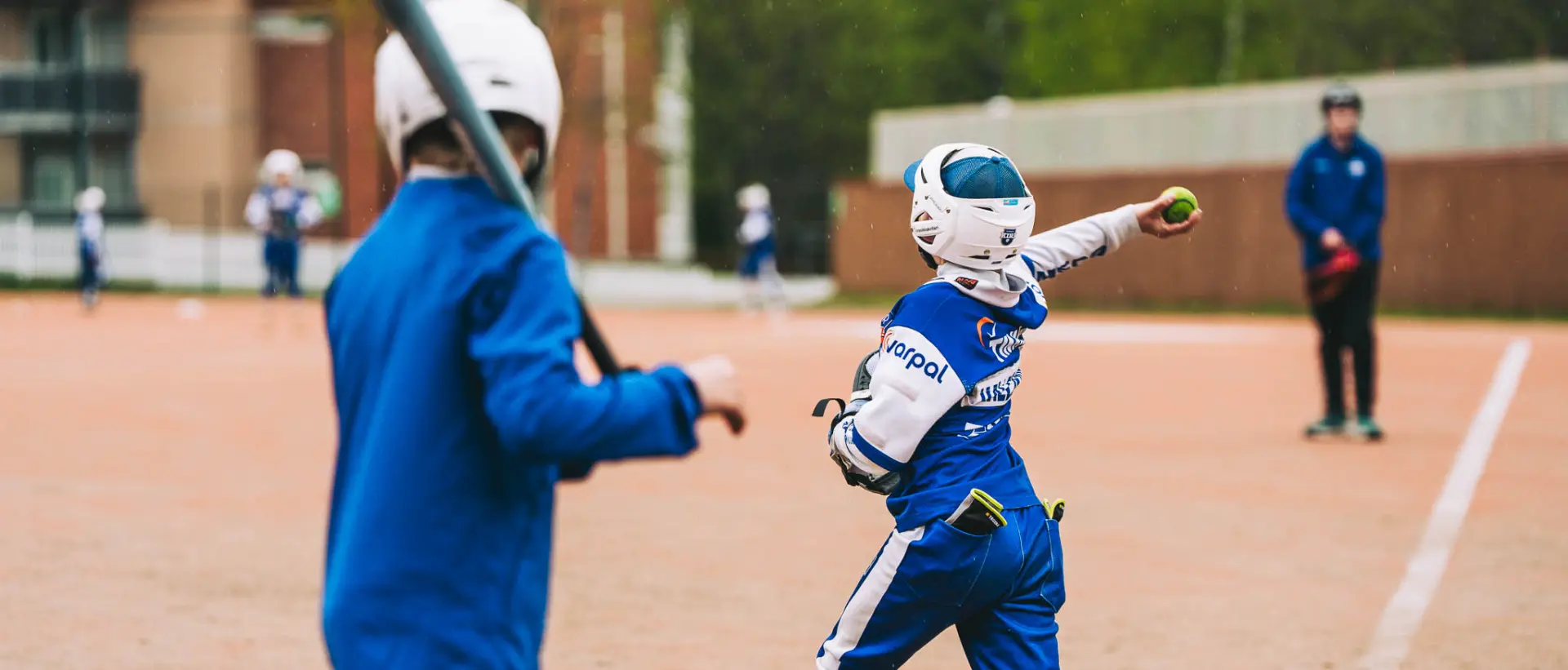
At the center of this movement is a simple but radical shift: the prioritization of actual gameplay over static drills. For many years, youth sports training was dominated by rigid lines, repetitive instruction, and long periods of waiting for a turn. Jyväskylän Kiri & Kirittäret Juniorit has systematically dismantled this model.
Junior Manager Roope Pöyry explains that the club’s success is rooted in a fundamental belief that children learn best when they are active participants, not passive observers. "Our guiding principle is that at least half of every practice session must be dedicated to playing the game itself or specific game-simulated exercises," Pöyry states.
This approach is bolstered by the adoption of the "6 vs. 6" game format, a departure from the traditional 9 vs. 9 configuration. By shrinking the field and reducing the number of players, the club ensures that every child on the pitch is constantly involved. Whether it is batting, base-running, or fielding, the reduced player count forces each child to take more touches and make more decisions per minute. This increased intensity not only improves technical skills like hitting and throwing but also keeps heart rates up and engagement levels high.
Chronology of Change: A Strategic Shift
The transition toward these new models did not happen overnight. It was the result of a multi-year collaborative effort between the Finnish Baseball Federation and various other ball-game federations, aimed at modernizing how children interact with sport.

- Initial Phase (Foundational Research): The Federation began analyzing why children were leaving organized sports in record numbers. The findings were clear: lack of playing time, rigid structures, and a perceived lack of autonomy were primary drivers of attrition.
- Pilot Program Implementation: Jyväskylän Kiri & Kirittäret Juniorit volunteered as a key pilot site for the "6 vs. 6" format and the "game rule pilots," which prioritize teaching children the logic of the game through problem-solving rather than rote memorization of rules.
- Scaling and Integration: Having seen positive feedback from parents and players, the club integrated these methodologies into its entire junior pathway, from the youngest age groups to pre-teen squads.
- Current State: The club now serves as a blueprint for other organizations, proving that fostering an environment of "joy, child-centeredness, and athleticism" is not just a moral goal, but a practical strategy for growth.
Supporting Data: The Case for Smaller Formats
The statistical argument for smaller, more active game formats is compelling. In a traditional 9 vs. 9 game, a child might wait several innings to catch a ball or face a pitch. In the 6 vs. 6 format, the frequency of "touches" increases exponentially.
According to internal club tracking, the shift has led to:
- Increased Active Time: Players spend roughly 30–40% more time in motion during practices compared to traditional setups.
- Skill Acquisition: Because players are required to handle more balls and make more frequent defensive plays, their technical proficiency in complex skills like "kiinniotto" (catching) and base-stealing has shown accelerated improvement.
- Retention Rates: The club has seen a sustained increase in membership, becoming the largest junior baseball club in Finland. Pöyry attributes this directly to the fact that the children are having more fun. "When the kids are playing, they aren’t thinking about the difficulty of the drill; they are thinking about the game," he notes.
Official Responses and the "Game Rule Pilot"
One of the most innovative aspects of the new framework is the "Game Rule Pilot." Traditionally, baseball rules are taught by coaches who act as arbiters. In the new model, the rules are simplified and framed as puzzles for the children to solve.
11-year-old Luka Hallikainen, who has been with the club for three years, describes the impact of this change: "I’ve learned how to handle illegal plays, errors, and outs by actually playing through them. The coaches are there to guide us, but they don’t give us the answers immediately. It makes me feel like I’m actually reading the game, not just following orders."
Roope Pöyry emphasizes that this is a deliberate pedagogical choice. "We don’t want to provide ready-made solutions. We want to empower the player. The coach is a facilitator, a partner in the learning process, not a dictator of movement. When a child makes an independent observation and acts on it, they build a sense of agency and competence that stays with them far longer than any specific drill ever could."
Broader Implications: A National Crisis in Perspective
The urgency behind these changes cannot be overstated. The Finnish Olympic Committee, alongside 40 national sports federations, has identified a dangerous trend: fewer children are meeting the recommended daily physical activity requirements, and sport-specific specialization is happening far too early.
"We are seeing a trend where children enter organized sports younger, but leave them prematurely," says a spokesperson from the Olympic Committee. "The lack of diverse movement and the decline of unstructured play in children’s daily lives have led to weaker motor skills. If we continue on this path, we are not only losing future elite athletes, but we are failing to foster a generation that sees physical activity as a lifelong habit."
The "Total Athlete" Approach
Jyväskylän Kiri & Kirittäret Juniorit is attempting to counter this by advocating for multi-sport engagement. Pöyry is a vocal proponent of the idea that physical literacy is the sum of many parts. "We don’t want to lock these children into just one sport. We want them to be athletic, period. We encourage them to play other sports and to find ways to be active during their leisure time. Our role is to build a foundation of movement that supports their growth as humans, not just as baseball players."
Future Outlook: Building the Pathway
The road ahead involves continuing to refine the balance between structured coaching and free play. The club is currently focusing on:
- Coach Education: Ensuring that every staff member understands the psychological benefits of the new, less-authoritarian coaching style.
- Parental Engagement: Educating parents on why their children might not be "drilling" in the traditional sense, and why the game-focused approach is superior for long-term development.
- Community Integration: Using the club’s success to advocate for better public sports facilities that allow for spontaneous, unorganized play.
The implications for the Finnish sports landscape are significant. If a sport as deeply rooted in tradition and specific rules as baseball can successfully pivot to a child-centered, game-heavy model, it sets a precedent for every other sport in the country.
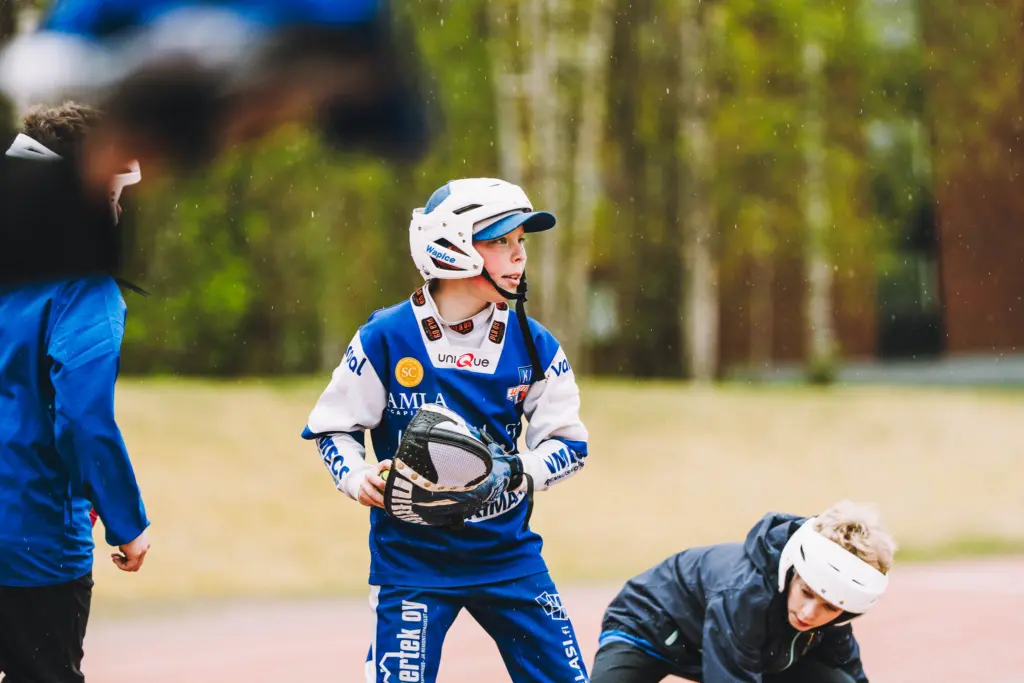
As Roope Pöyry concludes, "We are measuring our success not just by the trophies on the shelf, but by the number of children who leave our program with a love for movement and a deep, intuitive understanding of the game. If we can achieve that, the elite results will follow naturally."
In an era where digital distractions compete with physical activity for every waking hour of a child’s life, the approach taken by Jyväskylän Kiri & Kirittäret Juniorit offers a beacon of hope. By treating children as intelligent, capable players rather than subjects to be coached, they are ensuring that the future of the game remains in good hands—and that the diamonds remain full of life for generations to come.