As the European Union accelerates its transition toward a climate-neutral economy, a critical bottleneck has emerged: the electricity grid. While ambitious targets for wind and solar capacity are set for 2030, the physical infrastructure required to transport that energy is failing to keep pace. However, a groundbreaking report by energy think tank Ember suggests a latent solution exists in the very heart of Europe’s traditional energy landscape—hydropower.
By “hybridizing” existing hydropower plants with wind and solar installations, seven of the EU’s largest hydro markets could unlock up to 25GW of additional renewable capacity. This strategy, which involves sharing existing grid connections, offers a pragmatic, cost-effective path to meeting climate goals while circumventing the lengthy delays associated with new grid infrastructure projects.
The Core Opportunity: Repurposing Existing Infrastructure
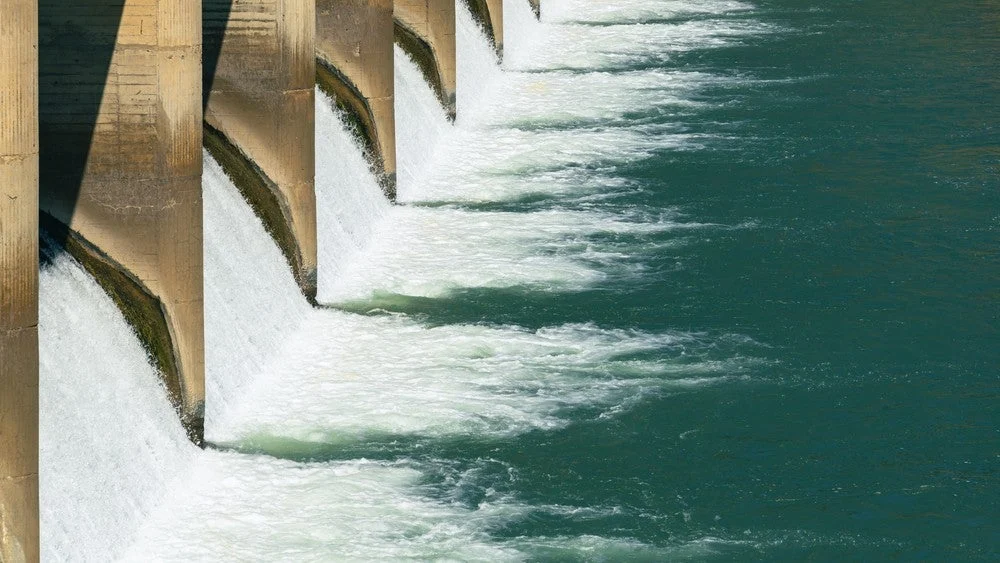
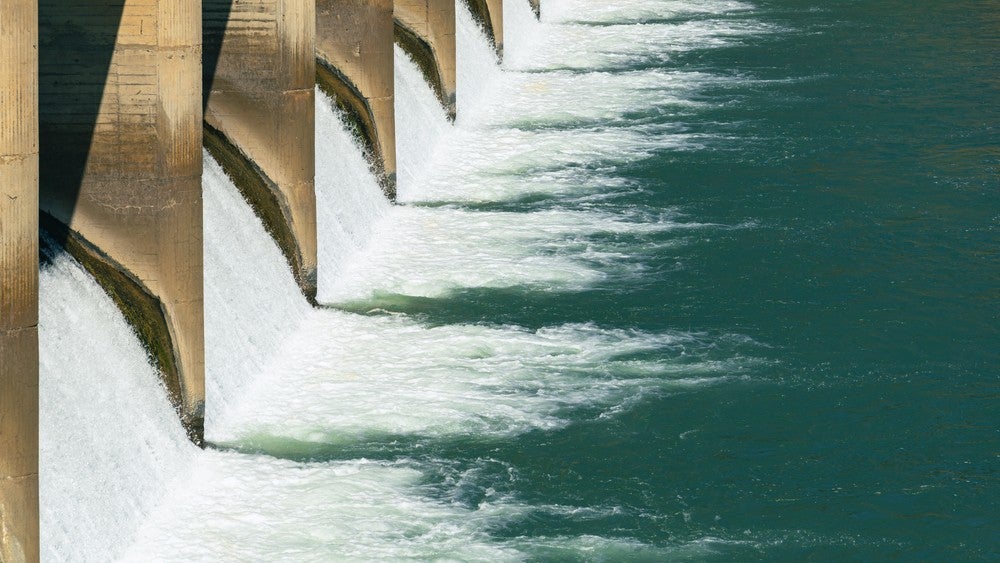
The premise is deceptively simple: hydropower plants—particularly reservoir and pumped-storage facilities—rarely run at full capacity. Because these plants are primarily dispatched to meet peak electricity demand, they often leave their grid connections idle for long stretches of time.
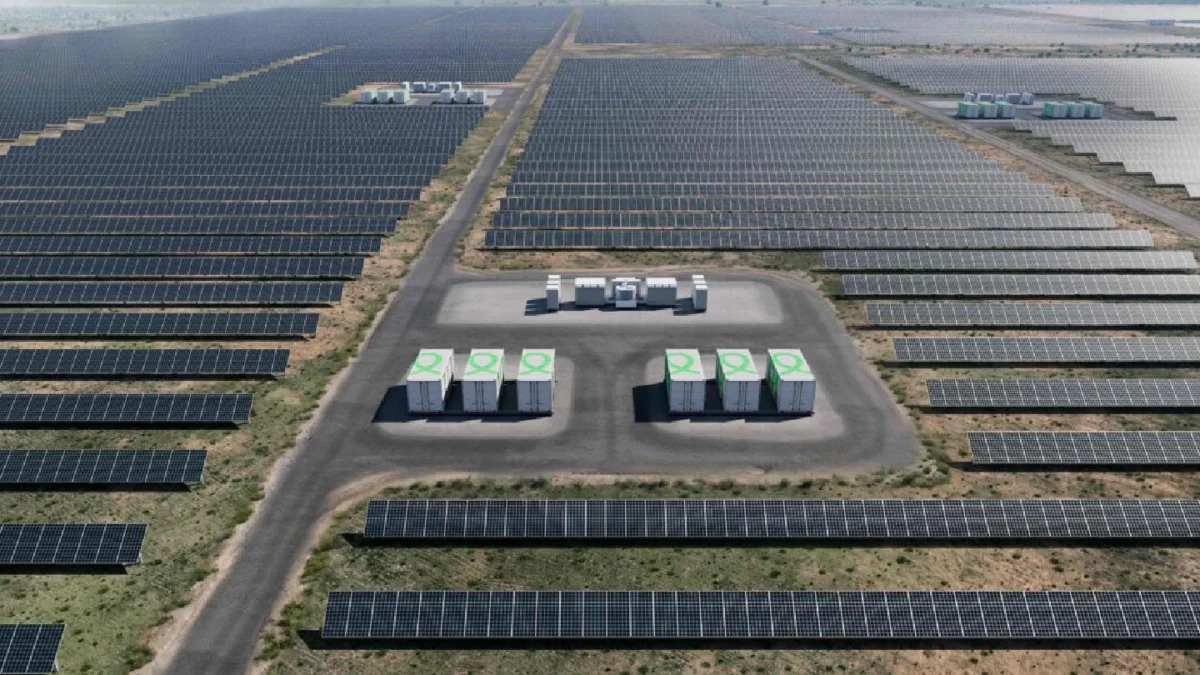
According to Ember’s analysis, these plants operate with an average capacity factor of just 19%. By integrating solar or wind generation into these existing connection points, the utilization rate of these grid assets could surge to 36% for solar and 31% for wind, all without altering the operational behavior of the hydro assets themselves.
This 25GW of potential is not theoretical; it represents a significant slice of the EU’s future energy security. The seven countries analyzed—Austria, Bulgaria, France, Italy, Portugal, Romania, and Spain—collectively account for 93GW of the EU’s 131GW total installed hydropower capacity. By leveraging these assets, these nations could meet roughly 18% of their planned renewable capacity additions for 2030 through hybrid projects.
Chronology and Context: From Bottlenecks to Breakthroughs
The Growing Grid Gap
Over the past decade, the EU has seen a massive surge in renewable energy investment. However, the transmission network has struggled to evolve. Recent estimates suggest a daunting gap of more than 120GW between available grid capacity and anticipated renewable growth by 2030. In many member states, developers are facing years of delays simply waiting for a grid connection point, a reality that threatens to derail the EU’s Green Deal objectives.
The Rise of Hybridization
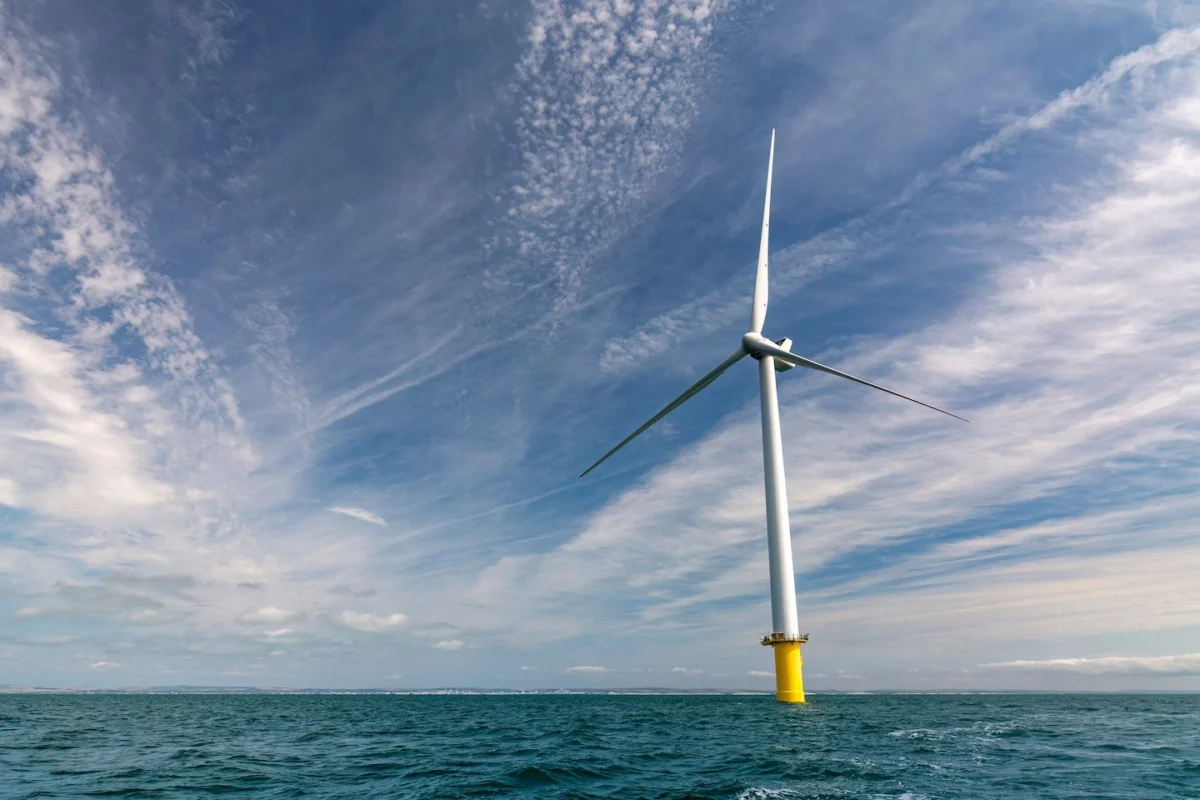
The concept of "hybridization"—the co-location of different renewable sources—has been gaining traction as a solution to grid congestion. Early pioneers in the Iberian Peninsula, such as Iberdrola’s Tamega project in Portugal, have demonstrated that combining wind and hydro can create a more stable, complementary energy profile. The wind and solar generation can feed into the grid during off-peak hours for the hydro plant, maximizing the utility of the existing copper in the ground.
Environmental Due Diligence
A crucial component of the Ember report is its commitment to sustainability. Recognizing that large-scale energy projects can have ecological impacts, the researchers excluded all hydropower facilities located in or near protected areas. Even with this stringent environmental screening, 28% of large hydropower capacity across the seven countries remained viable for hybridization. This ensures that the push for green energy does not come at the expense of biodiversity or sensitive ecosystems.
Supporting Data: A Country-by-Country Breakdown
The potential for hybridization is far from uniform across the EU, dictated by existing infrastructure, geographical constraints, and national renewable targets.
| Country | Potential Impact on 2030 Targets | Key Findings |
|---|---|---|
| Austria | 77% | Highest potential due to robust hydro infrastructure and targeted renewable goals. |
| Italy | Significant | Large existing capacity makes it a prime candidate for quick deployment. |
| Spain | High | Strong regulatory framework already in place to facilitate hybrid projects. |
| Portugal | High | A leader in early adoption of hybrid hydro-wind models. |
| Bulgaria | 7% | Lower potential due to current grid and site-specific limitations. |
In Austria, the figures are particularly striking; the nation could technically meet 77% of its planned renewable additions through hydro hybridization. This highlights how countries with deep-rooted hydro traditions can transition into modern energy hubs with relatively low capital expenditure compared to building new transmission lines from scratch.
The Regulatory Landscape: A Barrier to Entry
While the engineering potential is clear, the legal environment remains fragmented. The Ember report identifies a significant "regulatory vacuum" across the EU.
Currently, only Portugal and Spain have implemented specific, dedicated regulatory frameworks that explicitly allow and encourage the co-location of wind or solar at existing hydro plants. In many other jurisdictions, the legal definitions of power generation assets are too rigid, often requiring new permits or separate grid connection agreements for what is essentially the same physical location.
The Need for Policy Reform
To unlock the 25GW potential identified by Ember, national governments must move toward:
- Streamlined Permitting: Creating a "fast-track" status for hybrid projects that utilize existing grid connections.
- Standardized Grid Contracts: Allowing multiple generation technologies to share a single connection agreement without triggering a total reassessment of the connection point.
- Harmonized EU Rules: Developing a cohesive framework that allows cross-border developers to replicate successful models across the continent.
Official Perspectives and Implications
Elisabeth Cremona, Energy Infrastructures Lead at Ember, describes hybridization as an “immediate, zero-intervention solution.” Her assessment underscores the urgency of the energy transition. In an environment where the climate crisis demands rapid action, waiting for the massive infrastructure upgrades required to build new power lines is a luxury Europe cannot afford.
Implications for Grid Stability
Beyond the sheer volume of power added, hybridization offers a secondary, often overlooked benefit: grid stability. Hydropower is highly dispatchable, meaning it can ramp up or down quickly to compensate for the intermittent nature of wind and solar. By placing these sources together, the overall energy profile becomes more predictable and easier for grid operators to manage. It essentially creates a "virtual power plant" that is more reliable than any of its individual components could be in isolation.
The Economic Case
For developers, the financial argument is compelling. The cost of connecting to the grid is one of the most expensive and time-consuming aspects of any renewable energy project. By utilizing a "plug-and-play" approach at an existing hydro site, developers can significantly reduce capital expenditure, decrease project risk, and accelerate the time-to-market.
Conclusion: A Blueprint for the Next Decade
The Ember report serves as a wake-up call for European policymakers. It demonstrates that the transition to a sustainable energy future does not necessarily require reinventing the wheel—or, in this case, the grid. By looking at existing hydropower assets through a new lens, the EU can capitalize on investments already made decades ago to solve one of the most pressing challenges of the 21st century.
As we look toward 2030, the success of the European Green Deal will be measured not just by the capacity we install, but by the efficiency with which we integrate that power into the grid. Hybridization is not a silver bullet, but it is a critical piece of the puzzle—a "low-hanging fruit" that offers a path to energy independence, grid stability, and carbon neutrality.
The path forward requires political will, regulatory agility, and a shift in how we perceive our aging infrastructure. The grid of the future might not look like a series of new, sprawling power lines, but rather a more intelligent, optimized version of the network we already possess. If Europe can bridge the regulatory gaps identified in the Ember report, it will have taken a vital step toward securing its energy future, proving that old infrastructure can indeed play a starring role in the new energy age.