Since the debut of the original Galaxy Fold in 2019, Samsung has occupied the driver’s seat of the folding-phone revolution. What began as a fragile, experimental prototype has transformed into a sophisticated hardware ecosystem. Yet, as the market matures and the looming shadow of Apple’s rumored entry into the space grows, Samsung has decided that hardware refinement alone is no longer enough.
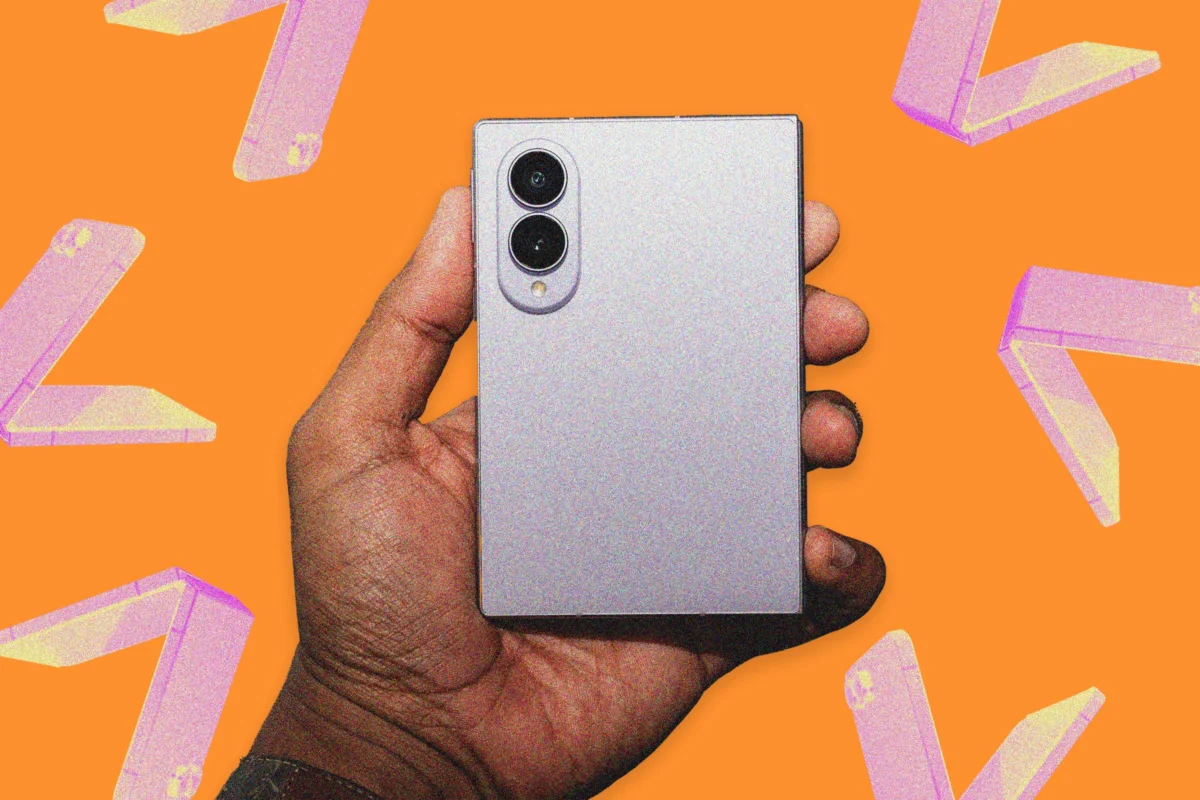
At its second Galaxy Unpacked event of the year, the South Korean tech giant unveiled a pivotal addition to its lineup: the Galaxy Z Fold8. This new, passport-shaped device represents a radical departure from the tall, narrow book-style foldables that have defined the category for years. By positioning the Fold8 between the power-user-focused Galaxy Z Fold8 Ultra and the pocket-friendly Galaxy Z Flip8, Samsung is signaling a shift from merely creating foldable phones to creating a foldable lifestyle.
The Evolution of Form: A New Architecture
The Galaxy Z Fold8 introduces a distinct, wider aspect ratio that prioritizes content consumption over raw multitasking productivity. With a 10:16 front cover screen and a 4:3 inner display when unfolded, the device feels remarkably familiar—akin to a physical passport or a small, leather-bound notebook.
This design choice is not accidental. Drew Blackard, Samsung’s senior vice president of Mobile Product Management, emphasizes that the company is responding to the "explosive growth in mobile video consumption." According to Blackard, 80 percent of video content is now viewed on mobile devices. While the industry spent a decade optimizing for landscape viewing, the current cultural zeitgeist—driven by TikTok, Instagram Reels, and YouTube Shorts—demands a vertical-first orientation. The Z Fold8’s 7.6-inch inner screen is meticulously tuned for this shift, offering a more natural reading and viewing experience than its predecessor, the taller, narrower Z Fold8 Ultra.

The Chronology of Samsung’s Foldable Ambition
To understand the significance of the Z Fold8, one must look back at the arduous journey of the Galaxy series:
- 2019: The original Galaxy Fold launches, introducing the world to the concept of a foldable display despite significant durability concerns.
- 2021–2024: Samsung iterates through seven generations, refining the hinge, waterproofing the chassis, and bridging the gap between "experimental gadget" and "daily driver."
- 2025: The Galaxy Z Fold7 achieves "hardware parity" with the flagship S25 Ultra, effectively removing the compromise that previously existed between foldable form factors and camera capabilities.
- Early 2026: The limited-run, $2,899 Galaxy Z TriFold launches as a proof-of-concept, selling out in minutes across four U.S. drops, proving that there is a hunger for radical design shifts.
- Mid-2026: The debut of the Galaxy Z Fold8, marking the company’s first major pivot toward a "passport" form factor designed to compete with rumored upcoming designs from competitors like Apple.
Engineering the "Flat" Future: Tackling the Crease
For years, the Achilles’ heel of the folding phone has been the physical ridge—the crease—that inevitably develops where the screen folds. For many potential converts, this was the primary deterrent to switching from a traditional "candybar" smartphone.
With the Z Fold8 and Z Fold8 Ultra, Samsung has introduced "Flex Titanium" technology. This new display layer, supported by a titanium-alloy plate, significantly reduces the visible and tactile depth of the hinge. The result is a display that feels flatter, smoother, and more premium. By investing heavily in material science, Samsung is not just improving durability; it is removing the psychological barrier that has kept the category from truly mass-market appeal.
Moreover, the device is an engineering marvel in terms of weight. At a mere 201 grams, the Z Fold8 is 32 grams lighter than the iPhone 17 Pro Max. By stripping away the bulk that once plagued early foldables, Samsung is betting that users will choose the added screen real estate of a foldable if it doesn’t come with the penalty of added pocket weight.

Market Dynamics: The Apple Factor
The elephant in the room is Apple. With rumors swirling about a foldable iPhone arriving as early as this September, the market is bracing for a seismic shift. IDC analyst Francisco Jeronimo notes that Apple’s entry could potentially command 30 percent of global foldable shipments by 2026.
However, Samsung’s leadership remains unfazed. Blackard views Apple’s eventual entry as a rising tide that will lift all boats. "The more there is out there, the more people will be familiar with the form factor," Blackard tells WIRED. He points to Samsung’s eight-year head start and the "hiccups" that inevitably accompany first-generation hardware. By offering a diverse portfolio—the Ultra for productivity, the Flip for portability, and the Fold for content—Samsung is betting that its established ecosystem will keep consumers loyal, regardless of the competition.
The Economics of Premium Hardware
While the technology is becoming more accessible, the price tag is moving in the opposite direction. Both the Z Flip8 and the Z Fold8 Ultra have seen a $100 price increase compared to last year. Samsung attributes this to a global memory crisis and the rising cost of sophisticated components like the titanium-alloy films.
Critics might argue that these prices are exclusionary, but market data suggests otherwise. As Jeronimo points out, the premium segment is largely insulated from economic downturns because of the ubiquity of installment plans. "If it costs $200 more, but it means $3 to $5 more per month, it’s not something consumers will say no to," he explains. The strategy is clear: focus on high-value, high-loyalty customers who view their smartphone as an essential lifestyle tool rather than a budget commodity.

Implications: A World Beyond the Candybar
Samsung’s abandonment of the "FE" (Fan Edition) foldables—which failed to capture the market because they compromised too much on the "premium experience"—shows that the company is no longer interested in chasing the low-end of the market. Instead, it is doubling down on innovation.
The implications for the industry are profound. We are moving toward a period of "form factor diversity." Just as laptops come in various shapes—ultrabooks, workstations, and tablets—smartphones are beginning to branch out. The Fold8 proves that consumers are willing to embrace non-traditional shapes if the utility is clear.
"We’re still exploring what all of this can be," Blackard says. "But we’ve learned a lot, and we have a lot of confidence in what we’re doing."
As the Z Fold8 hits shelves, the message is clear: the era of the monolithic smartphone design is ending. Whether it is the passport-style foldable, the tri-fold, or the classic flip, the future of mobile is no longer a flat rectangle. It is a device that changes shape to meet the user, and for now, Samsung is the only company with the hardware, the history, and the confidence to lead that transformation. The foldable market is no longer a niche—it is the new frontier of personal computing.