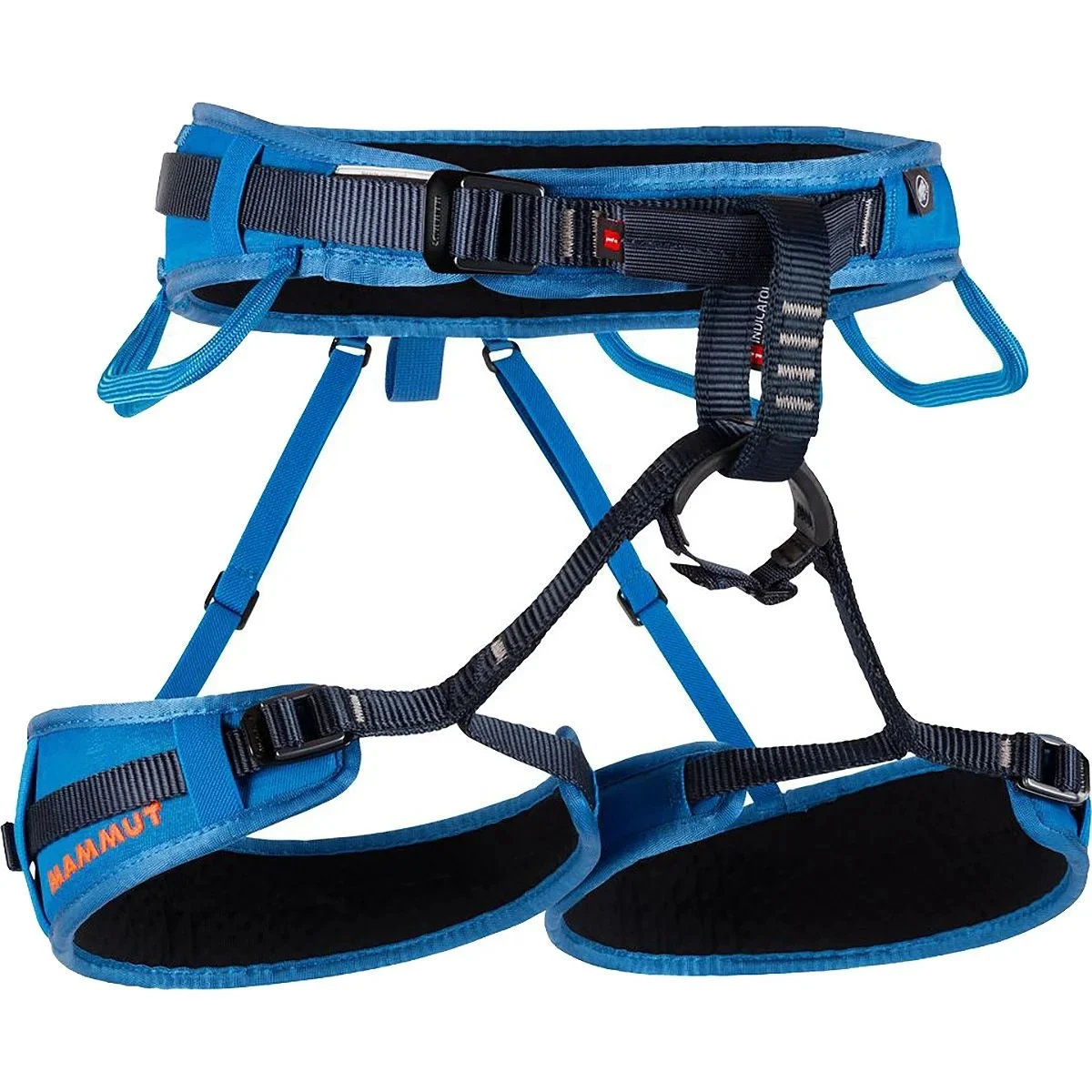
For decades, the outdoor industry was defined by a singular, exclusionary mantra: "shrink it and pink it." Throughout the 1990s and early 2000s, female adventurers were an afterthought, relegated to wearing ill-fitting, miniaturized versions of men’s gear that ignored the biological and physiological realities of the female form. Today, the landscape has undergone a radical transformation. From climbing harnesses contoured for wider hips to technical backpacking packs designed with chest clearance in mind, the industry has finally acknowledged that women are not just a peripheral demographic—they are a powerhouse.
However, as the market for women’s outdoor apparel reaches an estimated $21.1 billion as of 2025, this shift has birthed a new, more complex phenomenon: the aggressive, and often performative, marketing of "empowerment." Nowhere is this more apparent, and arguably more absurd, than in the rapidly growing niche of feminine hygiene and convenience products.
The Evolution of Outdoor Gear: A Chronology of Change
The trajectory of women’s outdoor gear has moved from total neglect to hyper-targeted consumerism.
- The 1990s–2000s (The Era of Neglect): Brands largely ignored gender-specific design. Women were expected to adapt to men’s specifications, often resulting in gear that was uncomfortable, inefficient, and occasionally dangerous due to poor fit.
- The 2010s (The Correction): A push for inclusivity began in earnest. Major players like Black Diamond began re-engineering technical hardware, such as harnesses, to accommodate different centers of gravity and hip anatomy.
- The 2020s (The "Empowerment" Boom): As female participation in outdoor sports surged—with women spending an average of $344 annually on specialized gear—brands shifted toward high-concept marketing. The focus moved from mere utility to the promise of "freedom" and "dignity."
Supporting Data: The Economics of the Outdoors
The outdoor industry is no longer ignoring the bottom line. According to industry reports, the women’s segment is one of the fastest-growing sectors in retail. Yet, with this growth comes a tendency to conflate corporate profit-seeking with social progress. When companies claim that a piece of plastic or a zippered pant is a "feminist breakthrough," they are tapping into a well-documented marketing strategy that treats identity politics as a vehicle for brand loyalty.
While products like the Kula Cloth (a microbial pee cloth) have gained genuine, widespread utility among hikers for their practicality, other inventions—and the marketing campaigns surrounding them—push the boundaries of logical necessity.

The Product Landscape: Utility vs. Absurdity
To understand the disconnect, one must look at the products themselves.
The Functional Tools
There is no denying that the outdoors presents unique logistical challenges for women. The Kula Cloth, for instance, is a widely praised, simple solution to the problem of pack-in/pack-out hygiene. Similarly, the SheWee—a funnel device allowing for standing urination—has provided a vital, functional solution for years, particularly for those in mountaineering or long-distance expedition settings where exposure is hazardous.
The "Empowerment" Marketing
The friction arises when brands elevate these tools from "helpful gear" to "political statements." Consider the Gnara pants, which feature a crotch-to-waist zipper for easy access. While many users appreciate the convenience, the marketing copy often leans heavily into the rhetoric of "empowerment" and "safety."
Then, there are products like the LoonaGo, a portable, reusable urinal. While potentially useful in specific, isolated medical or emergency scenarios, the brand’s marketing efforts suggest a much broader application, targeting festival-goers and commuters. When a brand markets a urinal as a "stylish" essential for the airport or a concert, they are not solving a systemic outdoor accessibility issue; they are creating a consumerist solution for a human biological function that, until now, most people simply managed without a $50 accessory.
Official Responses and Corporate Messaging
The marketing language used by these companies is remarkably uniform.

- Gnara promotes its apparel as a tool to make everyone "feel safe, comfortable, and confident to answer nature’s call."
- SheWee explicitly links its product to "freedom, convenience, and dignity," extending that promise to trans men and non-binary individuals.
While these brands argue they are creating a more inclusive environment, critics suggest this is a form of "capitalist co-optation." By framing a biological function as an act of empowerment, companies are essentially asking consumers to purchase their way into a "feminist" outdoor experience. The implication—however unintentional—is that if you aren’t using these products, you are somehow less "free" or "dignified" in the woods.
The Implications: What Actually Keeps Women Out?
The central critique of this marketing trend is that it misdiagnoses the barriers preventing women from accessing the outdoors. When a brand treats the act of urination as a hurdle to be overcome through a product, they are ignoring the substantive, systemic issues that actually restrict participation.
The Real Barriers
- Safety and Harassment: The fear of physical or sexual harassment remains the single greatest deterrent for women hiking or camping solo.
- Resource Inequity: A lack of community, mentorship, and educational programs keeps many beginners from gaining the confidence to start.
- Financial Accessibility: The industry is still struggling to provide durable, high-quality, inclusive-sized gear at accessible price points.
When a brand focuses on "empowering" women via a urinal, they avoid addressing why, for instance, a mid-sized woman still cannot find high-quality, durable hiking pants that fit her body type without needing to spend an exorbitant amount of money. The "feminist" branding serves as a convenient distraction from the fact that the industry has not yet mastered the basics of garment construction for diverse female bodies.
Conclusion: A Call for Authentic Engagement
True empowerment in the outdoor industry is not found in a marketing reel for a portable toilet; it is found in the boardrooms and the backcountry. It looks like:
- Mentorship Programs: Investing in organizations that train women to lead.
- Community Engagement: Sponsoring grassroots events that provide space for marginalized genders to learn technical skills without judgment.
- Inclusive Design: Focusing on the boring, necessary work of sizing and durability—ensuring that a woman of any size can find a pair of pants that doesn’t chafe or tear, allowing her to focus on the trail rather than her equipment.
The outdoor industry has come a long way since the "pink and shrink" days. However, as it enters this new era of hyper-marketing, it must be careful not to mistake a niche convenience product for a social movement. Peeing is a biological necessity, not a political act. If companies truly want to be feminist allies, they should stop trying to sell us "dignity" and start working on the substantive issues that prevent us from fully enjoying the outdoors.