By Samuli Haapasalo
As the northern hemisphere reaches the zenith of its light, the landscape transforms into a tapestry of botanical wonder. For the keen observer of the natural world, the early summer months—particularly June—serve as a critical window into the life cycles of some of our most beloved, yet often overlooked, garden residents. Among these, the Aquilegia (columbine) and the Bellis perennis (common daisy or “tuhatkauno”) stand out not merely as ornamental flowers, but as vital, historic components of our rural and domestic ecosystems.
The Etymology of Beauty: Aquilegia and the Eagle’s Talon
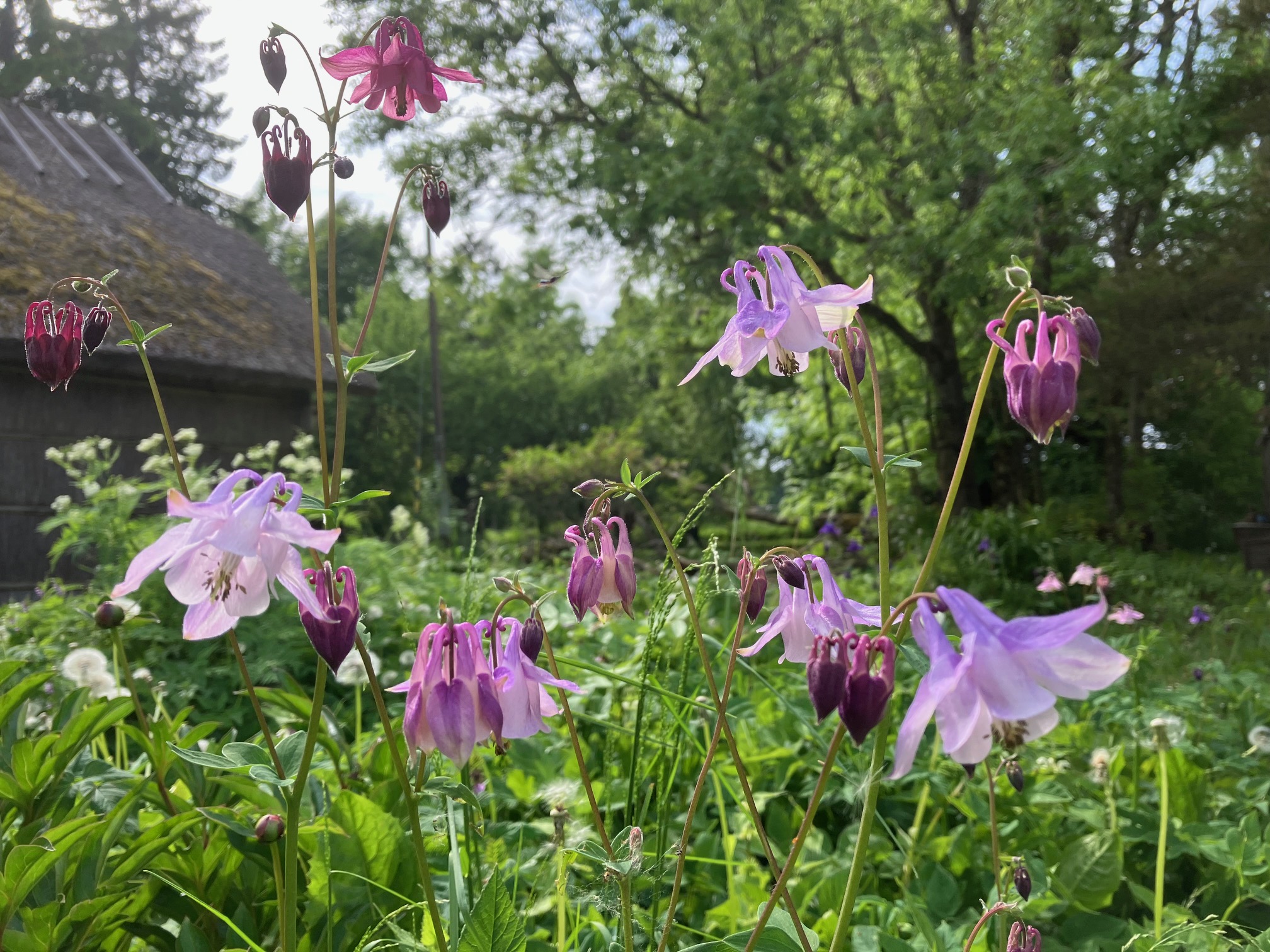
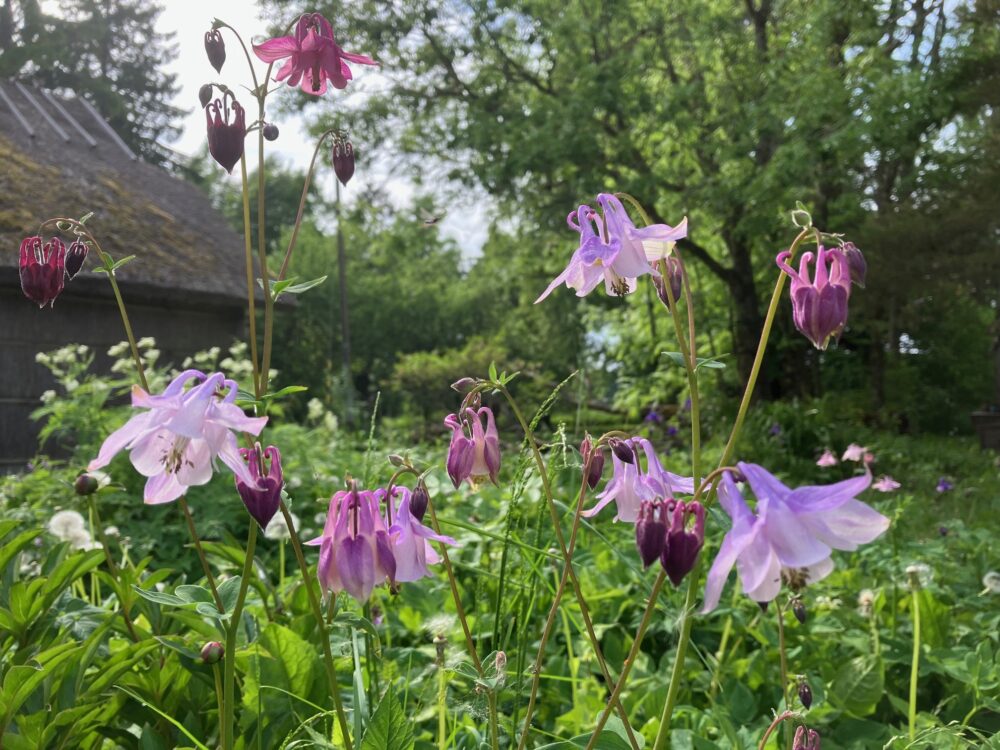
Few flowers carry a name as evocative as the Aquilegia. Derived from the Latin word Aquila, meaning "eagle," the name reflects the distinctive morphology of the flower’s nectar spurs. When viewed from a specific angle, these curved structures bear a striking resemblance to the talons of a majestic bird of prey. This botanical curiosity has captured the human imagination for centuries, turning the columbine into a staple of both formal perennially beds and the wilder edges of untended homesteads.
The columbine is a plant of endurance. It possesses an atmospheric quality, often lingering in abandoned courtyards long after human inhabitants have departed. There are documented cases where these resilient perennials have continued to bloom in remote, overgrown ruins for decades—a silent testament to the persistence of nature in the wake of human migration. As I observed in a survey of a rural site two years ago, specimens were still thriving in a garden space that had been abandoned since the early 1960s, a poignant reminder of the plant’s robust constitution.
The Prolific Bellis: A Meadow’s Constant Companion
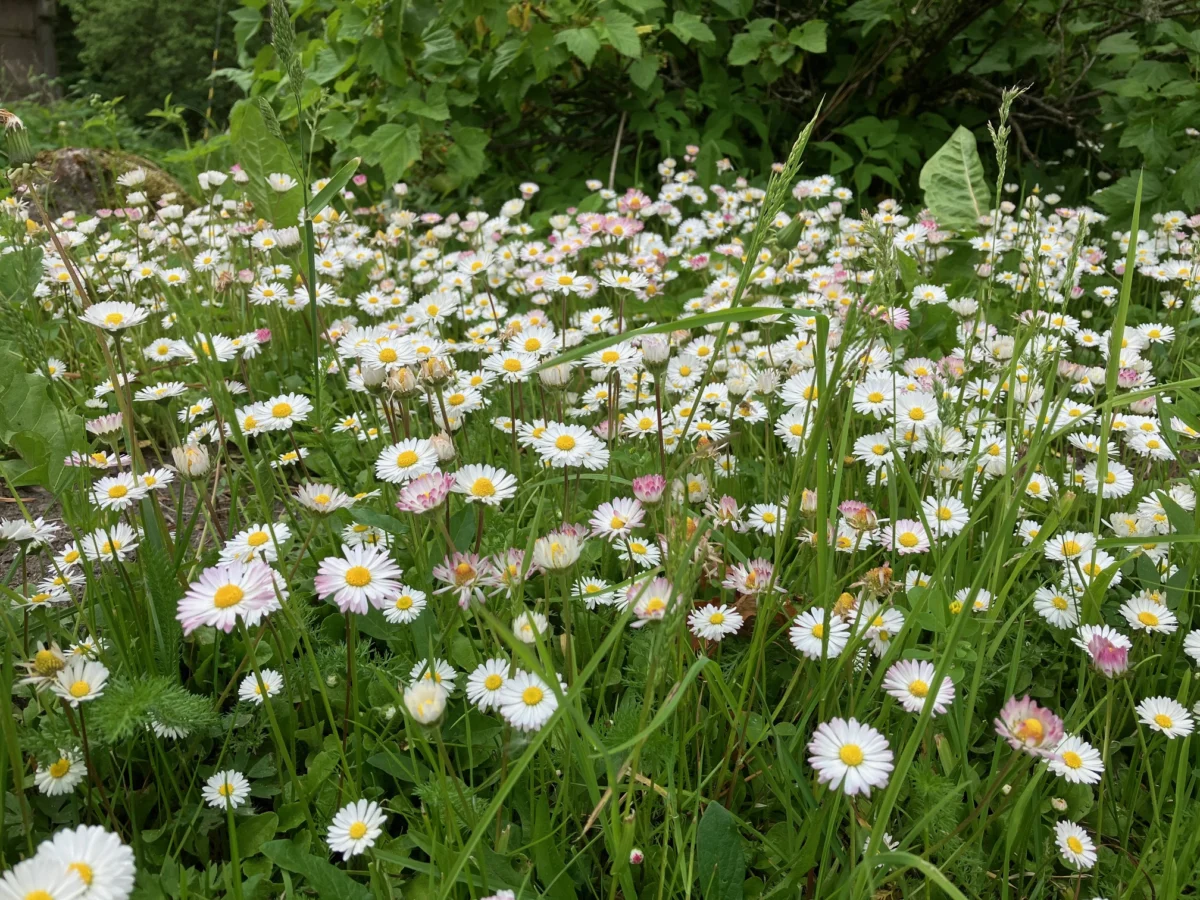
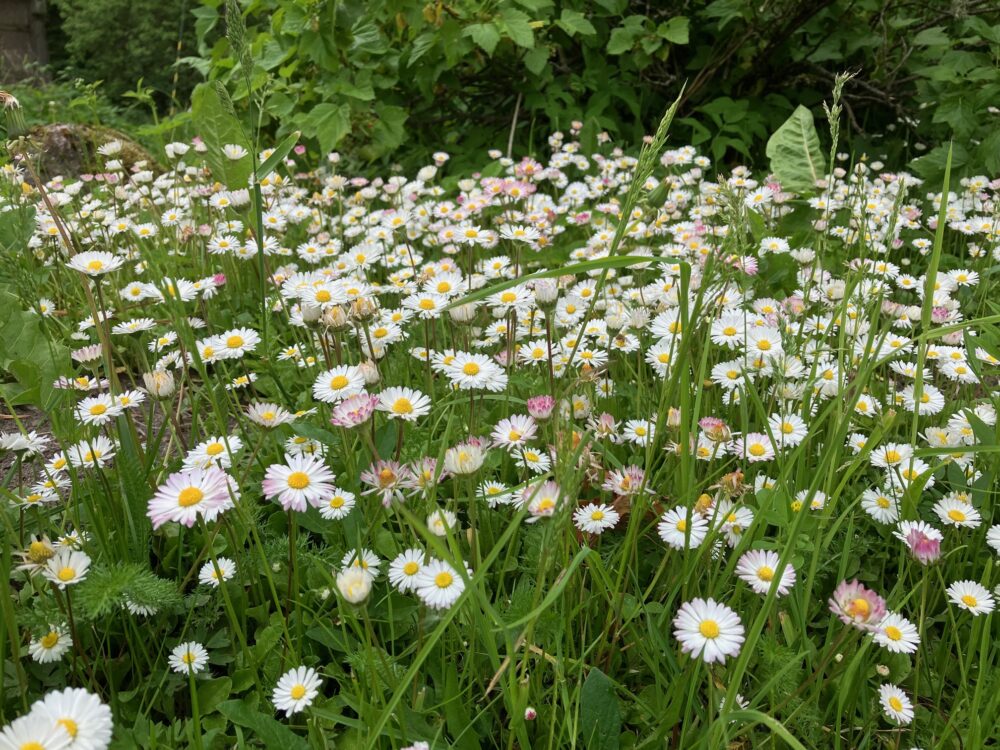
While the columbine offers architectural elegance, the Bellis perennis—commonly known as the daisy or "tuhatkauno"—provides the ground-level heartbeat of the meadow. The term Bellis, a nod to its scientific genus, describes a plant that can number in the thousands across a single plot of land. True to its Finnish name, kaunokainen (a beautiful one), it is a flower of simple, enduring charm.
Unlike the columbine, which has a more defined peak, the Bellis is a marathon runner. It begins its display in the spring and continues its bloom cycle well into the autumn. Its presence on a property is not merely aesthetic; it serves as a crucial resource for pollinators throughout the growing season. By strategically timing the mowing of a lawn or a naturalized meadow, homeowners can foster a thriving environment that supports biodiversity while maintaining the visual splendor of these flowers.
Chronology of the Season: A Rhythmic Bloom
The interplay between these two species defines the progression of the early summer.
- Late Spring (May): The Bellis begins its emergence, colonizing the lawn and meadow edges. The first buds of the Aquilegia begin to swell, preparing their distinctive spurs.
- Early June (Peak Bloom): This is the definitive moment of the season. The columbines reach their architectural peak, their colors ranging from deep violets to soft pastels. Simultaneously, the daisy population reaches its most dense coverage, turning the ground into a carpet of white and gold.
- Mid-to-Late June: As the summer solstice passes, the columbines begin to fade, though their seeds—which must be handled with care due to their toxicity—begin to develop. The Bellis, however, persists, providing a steady floral anchor as the season transitions toward the heat of July.
Supporting Data and Botanical Management
To successfully incorporate these plants into a landscape, one must understand their distinct environmental preferences. The Aquilegia thrives in light-dappled environments, preferring soil that is slightly drier and well-drained. In contrast, the Bellis flourishes in the fresher, more moisture-retentive conditions of a meadow or lawn.
For the gardener, the strategy should be two-fold:
- Cultivation: Encourage columbines within perennial borders for their height and unique structural beauty.
- Conservation: Allow the daisies to spread by limiting the frequency of mowing in specific "naturalized" zones of the yard.
This approach creates a "pellis-meadow," a managed natural space that provides a spicy, eclectic addition to the garden. Moreover, the columbine is remarkably easy to propagate from seed, though caution is advised. As with many members of the Ranunculaceae family, all parts of the Aquilegia plant, particularly the seeds, are toxic if ingested. Proper labeling and awareness are essential in gardens frequented by children or pets.
Cultural Insights: The Estonian Example
In observing these flora, one cannot ignore the regional differences in land management. My recent fieldwork in Estonia has provided a compelling case study. Estonian residential landscapes are typically characterized by a high degree of order, yet they manage to integrate a profound sense of natural richness. There is a discernible "space for nature" in the Estonian approach that is often missing in other Nordic or Baltic gardening traditions.
Estonians treat their yards as extensions of the surrounding forest and meadow. They demonstrate that one does not need to choose between a "kept" garden and a "wild" one. By adopting this philosophy, we can learn to appreciate the "weeds" that are actually vital native species, creating a landscape that is both productive for biodiversity and deeply comforting to the human soul.
Implications for Future Stewardship
The preservation of these perennially favored plants has significant implications for local ecology. As urban and suburban sprawl continues to fragment natural habitats, the "domestic meadow" becomes an increasingly important refuge.
Biodiversity Benefits
When we cultivate these species, we are not merely engaging in decorative horticulture; we are creating corridors for pollinators. The Bellis, in particular, offers an accessible nectar source for a variety of insects, while the deeper, more complex structure of the Aquilegia attracts specific specialized pollinators.
The Human-Nature Connection
The longevity of these plants—the way they stay behind to guard an empty house—speaks to a fundamental human need to remain connected to the cycle of the seasons. There is a psychological benefit to witnessing the same flowers return year after year. It provides a sense of continuity and stability in an increasingly fast-paced world.
Policy and Education
Local municipalities and environmental agencies would do well to promote the planting of heritage and native species over exotic, high-maintenance varieties. Education regarding the toxicity of certain plants like the columbine should be integrated into community gardening programs, ensuring that the return to naturalized gardening is as safe as it is ecologically sound.
A Note on the Solstice
As we observe the midsummer festivities, it is worth noting the cultural timing of these plants. In Finland, the midsummer celebrations—Juhannus—often feel like a fleeting moment that has already "slipped into the past" by the time the flowers are in full glory. Yet, just across the water in Estonia, the midsummer eve is celebrated with a fervor that aligns perfectly with the peak blooming of the meadows.
This synchronization between the human calendar and the botanical calendar is what gives the season its magic. Whether you are tending to a patch of wild daisies or marveling at the eagle-like spurs of a columbine, remember that you are participating in a tradition that spans generations. By nurturing these spaces, we ensure that the beauty of the early summer remains a permanent feature of our lives, long after the solstice sun has begun its slow retreat.
Samuli Haapasalo is a researcher and contributor to the "Vuosi luonnossa" (A Year in Nature) project. His work focuses on the intersection of traditional gardening practices and modern ecological stewardship.