The contrast is as immediate as it is profound. In the bustling, sun-drenched streets of Kuressaare, the capital of Saaremaa, the peak of the summer tourist season is in full swing. Yet, a mere thirty-minute ferry ride across the shimmering Baltic Sea transports the traveler to a realm that feels detached from the ticking of the modern clock. This is Abruka—a serene, sparsely populated island where the rhythm of life is dictated by the rustle of ancient leaves and the slow grazing of Highland cattle.
The Gateway to Another World
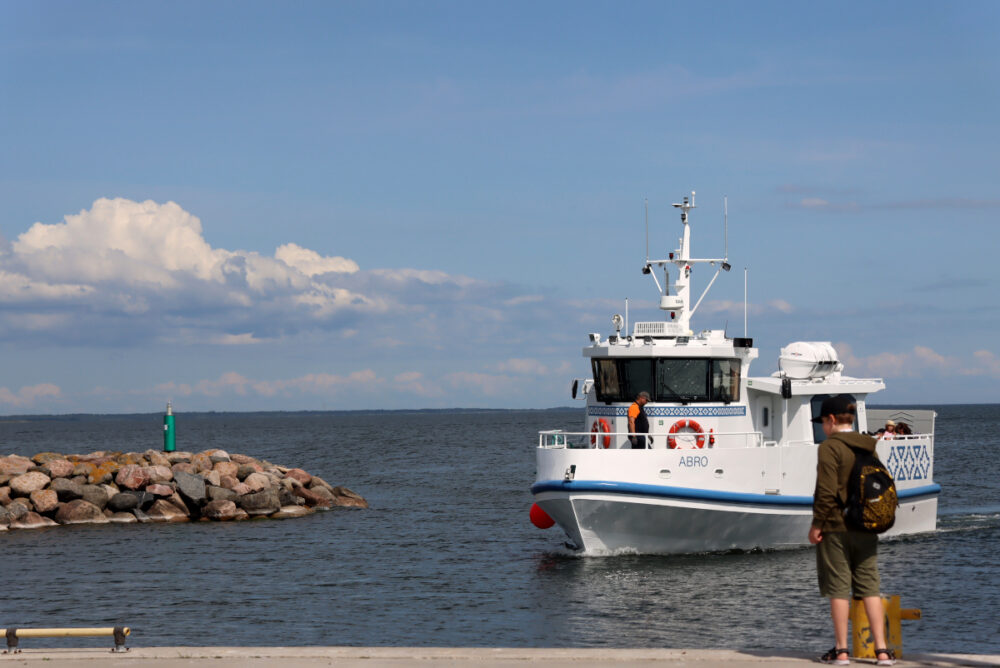
The journey begins with the rhythmic hum of bicycle tires against the pavement as we cycle from Kuressaare to Roomassaare harbor. Loading our bikes onto the deck of the local ferry, we leave the mainland behind. The crossing is brief, but the transition is transformative. As the harbor of Abruka appears on the horizon, the frantic energy of the Estonian summer tourist hub dissipates, replaced by the hushed, verdant tranquility of an island that feels like a well-kept secret.
Core Geographical and Environmental Context
Abruka, spanning approximately eight square kilometers, is not merely a remote outpost; it is an ecological treasure. Central to its identity is a protected primeval hardwood forest, granted sanctuary status in 1937. This forest is widely considered the northernmost reach of the Central European deciduous forest belt.
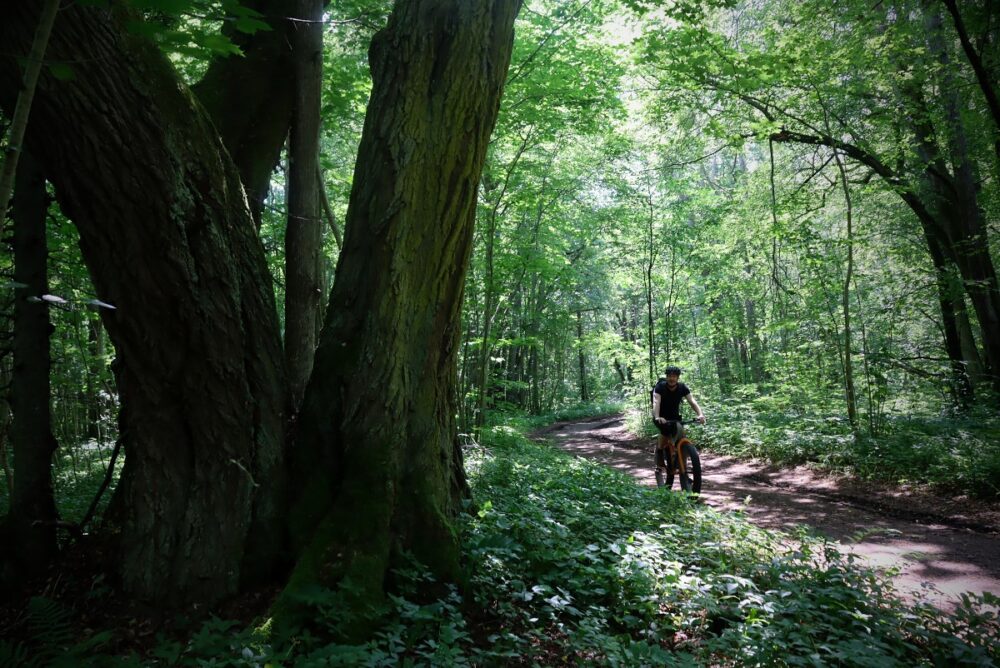
Walking—or in our case, cycling—through this woodland is akin to stepping into a folklore-infused tapestry. The forest floor, carpeted in a lush, verdant canopy, provides a cool respite from the sweltering heat of the summer sun. Massive, centuries-old oaks and linden trees, draped in thick curtains of ivy, create a cathedral-like atmosphere that feels entirely distinct from the coniferous forests typical of the Nordic region.
Chronology of a Summer Expedition
Our expedition was structured to capture both the ecological diversity and the historical depth of the island.
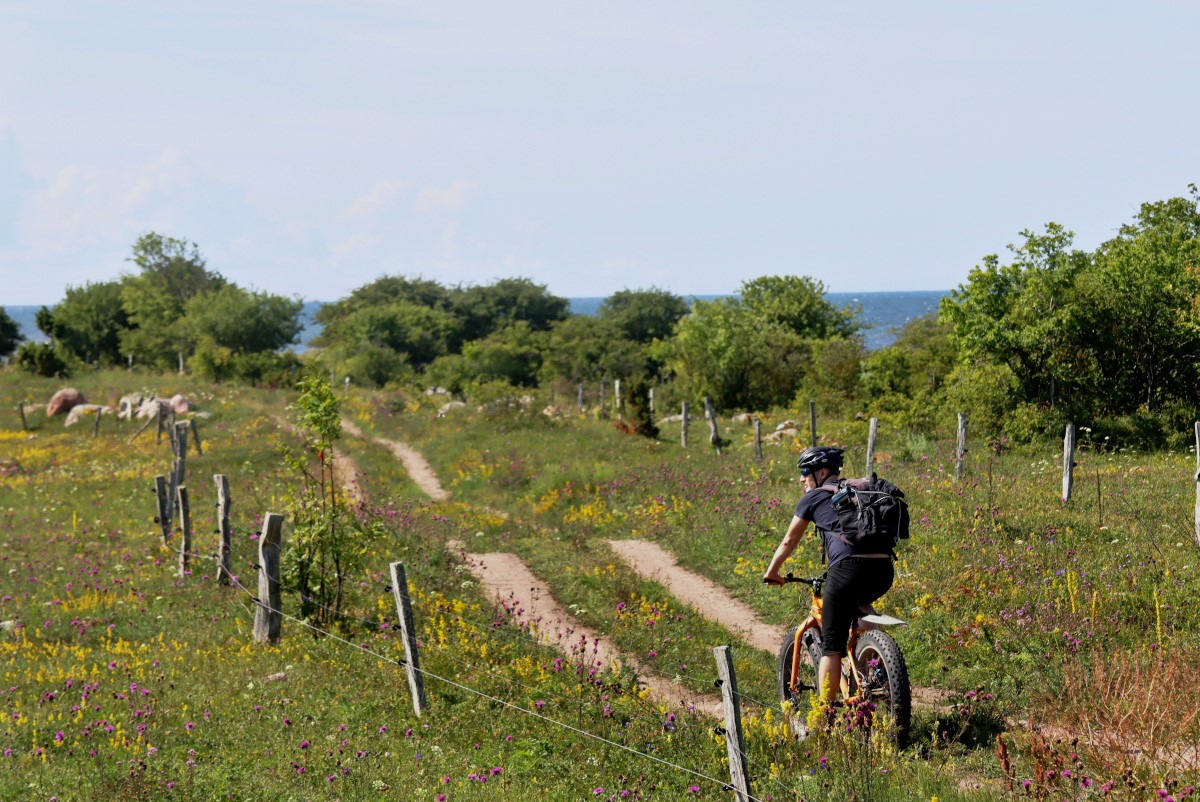
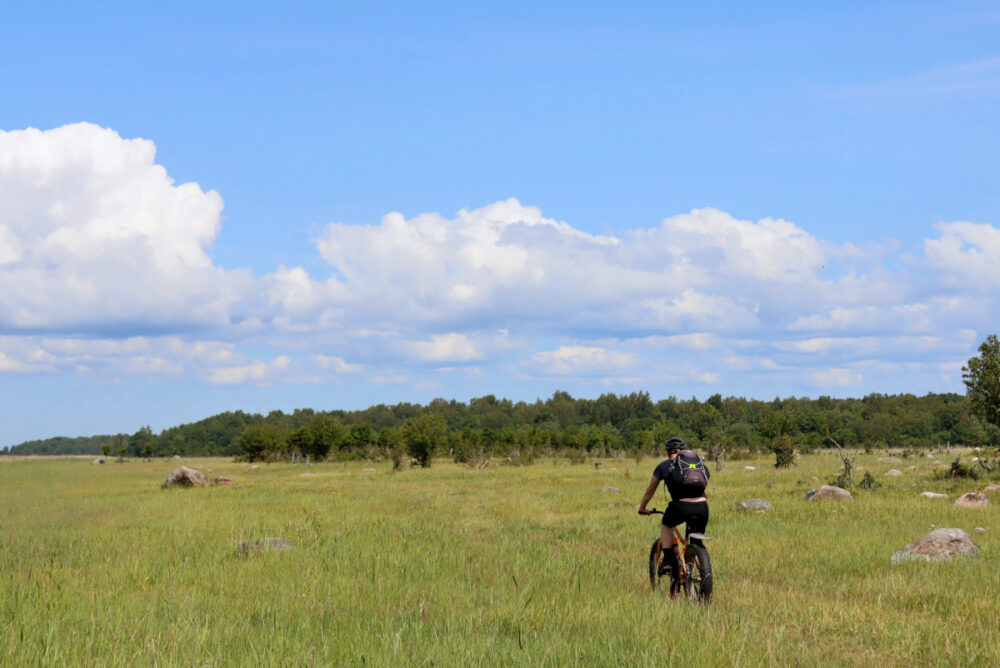
09:00 AM – The Forest Heart: After arriving at the island, we headed inland. The transition from the coastal scrub to the deep, shaded interior of the primeval forest was immediate. The gravel paths here are ideal for cyclists, winding through the dense vegetation where the air feels heavy with the scent of damp earth and blooming linden.
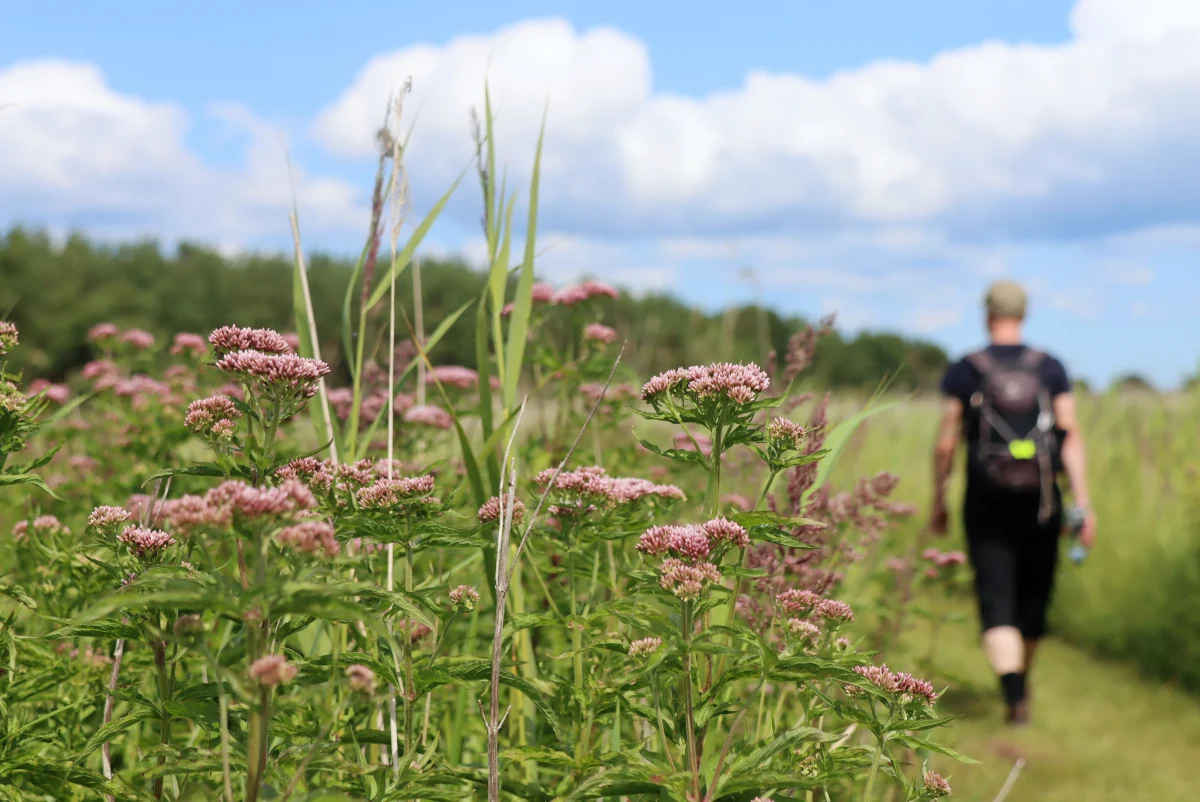
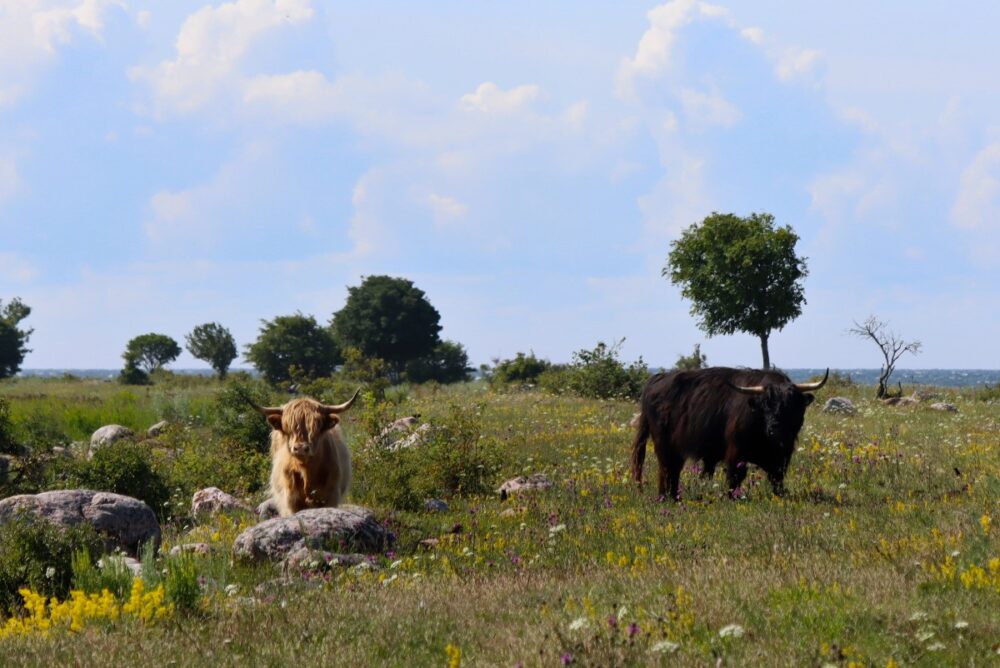
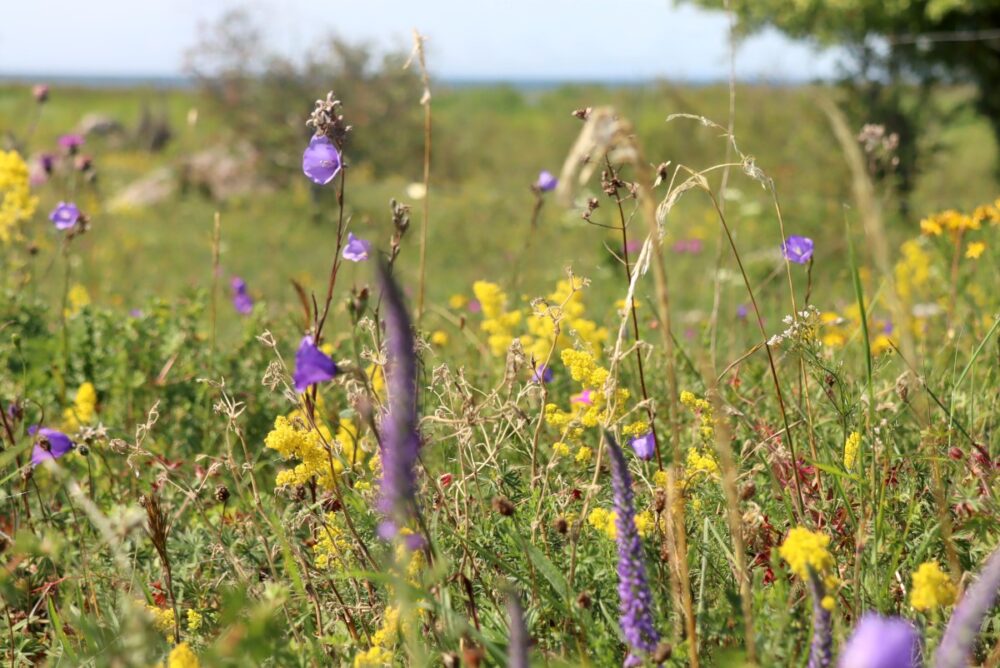
11:30 AM – The Southern Pastures: Emerging from the woods, the landscape shifts to the expansive, flower-rich coastal meadows of the island’s southern tip. This area is a biodiversity hotspot. Here, the Highland cattle act as natural landscapers, grazing the meadows and keeping the scrub at bay. The flora is spectacular: harebell, yellow bedstraw, knapweed, and various species of speedwell paint the ground in a vibrant mosaic.
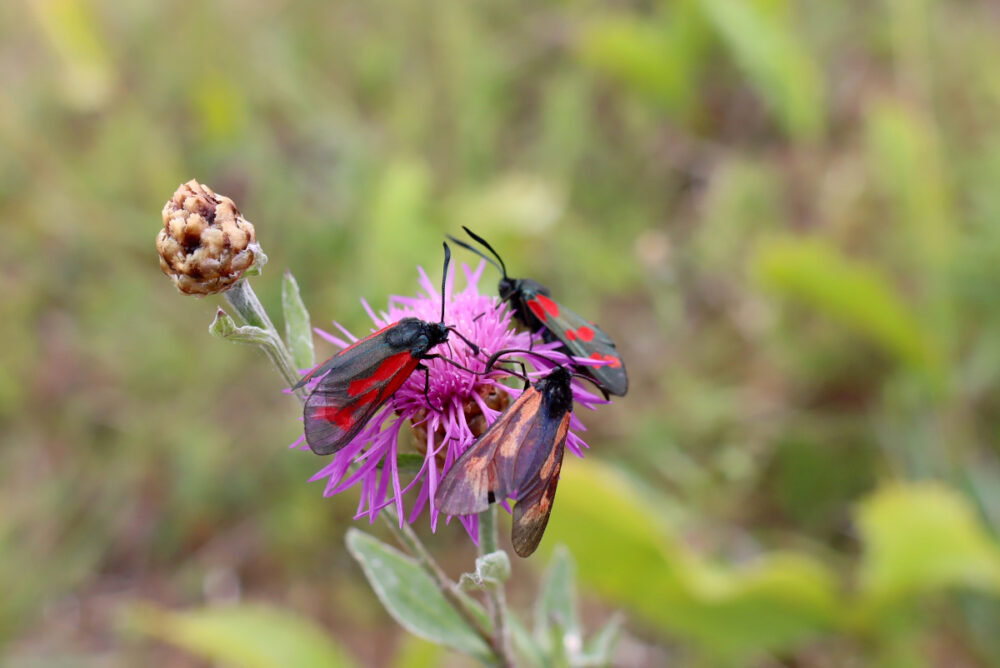
A striking feature of this summer was the proliferation of the Zygaena minos—the crescent moth—a striking black-and-red insect that seemed to populate every flower head, adding a rhythmic pulse of color to the scene.
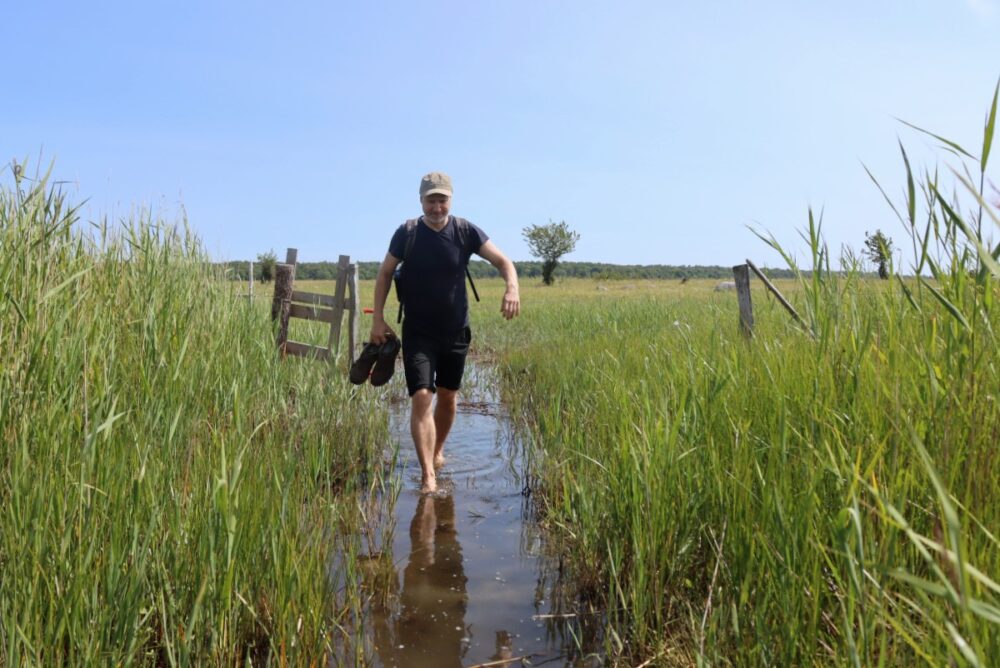
02:00 PM – The Wading Passage to Vahase: Perhaps the most adventurous leg of our trip involved the crossing to the neighboring islet of Vahase. Following historical records and local advice, we parked our bicycles at the edge of the grazing land. The crossing requires wading through the shallow sea, a 300-meter stretch that, while challenging due to the sharp reeds at the entry point, offered a refreshing relief from the afternoon heat. At its deepest, the water barely reached our mid-thighs, turning a simple commute into a sensory experience of the Baltic ecosystem.
04:00 PM – The Megalithic Guardians: On Vahase, the terrain changes. While we only had time for a brief exploration, we were struck by the presence of two massive glacial erratic boulders. In Estonia, these boulders are treated with immense cultural reverence, often equipped with ladders for visitors to climb and gain a vantage point over the surrounding waters—a testament to the nation’s deep-rooted connection to its geological history.
06:00 PM – Evening Reflections: Returning to the main village of Abruka, we visited the local lighthouse and the island’s small museum. The museum serves as a vital archive, housing narratives of the island’s history, its traditional fishing culture, and the resilience required to inhabit such a remote environment.
Supporting Data and Biodiversity Observations
The significance of Abruka lies in its role as a biological bridge. The existence of the Central European deciduous forest type at this latitude is an anomaly that provides a unique habitat for species rarely found elsewhere in the Baltic.
| Feature | Data/Observation |
|---|---|
| Protected Area Status | Established 1937 |
| Forest Composition | Oak, Linden, Ash, Elm |
| Primary Grazers | Highland Cattle (Essential for habitat maintenance) |
| Crossing Route | 300m shallow-water wading (seasonal) |
| Human Infrastructure | ~20-30 permanent homes, local museum, lighthouse |
The presence of the Highland cattle is not merely for aesthetic or agricultural purposes; it is a critical management strategy. Without this grazing, the open meadows would quickly be overtaken by woody shrubs, leading to a loss of the meadow-specific pollinators and wildflowers that characterize the southern tip of the island.
Official Perspectives on Conservation
While our visit was recreational, the stewardship of Abruka is a serious undertaking for Estonian environmental authorities. Local conservation policies emphasize the "non-intervention" approach within the core of the primeval forest, allowing for natural decay and forest regeneration.
According to regional environmental reports, the primary challenge for the island is maintaining the delicate balance between sustainable tourism and habitat protection. The "wading route" to Vahase, while popular among hikers, is monitored to ensure that foot traffic does not disrupt the nesting patterns of coastal birds. The island’s museum, supported by the Saaremaa municipality, acts as an educational hub, teaching visitors that the "untouched" look of the island is, in fact, a result of careful, centuries-old land-use traditions.
Implications: A Model for Sustainable Tourism
The Abruka experience carries broader implications for the future of eco-tourism in Northern Europe. As "over-tourism" plagues major European destinations, islands like Abruka offer a blueprint for low-impact, high-value travel.
- Seasonality and Flow: By promoting walking and cycling, the island naturally limits the volume of visitors. The requirement to use a ferry and then navigate the terrain on foot acts as a filter that preserves the quietude of the environment.
- Cultural Integration: The preservation of the island’s history via the local museum ensures that tourists engage with the island as a living community, rather than a mere theme park or photo opportunity.
- Biodiversity as a Product: The focus on the primeval forest and the meadow flowers shows that nature itself, when protected, is the most compelling attraction.
As our time on the island drew to a close, it became clear that one day—or even two—is insufficient to fully grasp the layers of Abruka. From the dense, shaded silence of the linden groves to the open, wind-swept expanse of the coastal meadows, the island demands a slower, more deliberate pace of exploration. For the traveler seeking to reconnect with the rhythms of the natural world, Abruka remains an essential, albeit fleeting, encounter with the wild heart of the Baltic.
We left with the firm resolve that our visit was not a final goodbye, but a prelude to a return. The emerald silence of the forest is already calling us back.