By Automotive Editorial Desk
July 24, 2026
Toyota has long been the North Star for the global overlanding community. From the legendary reliability of the Land Cruiser series to the ubiquitous presence of the Hilux in the world’s most challenging terrains, the Japanese automaker has built a reputation on capability and longevity. In recent years, as overlanding transitioned from a niche hobby to a mainstream lifestyle, Toyota shifted its strategy to capture this growing market segment directly from the factory floor. Following the immense success of the "Trailhunter" designation on the Tacoma and 4Runner, Toyota announced this week that it is extending this rugged, adventure-ready trim to its flagship full-size offerings: the 2027 Toyota Tundra and the 2027 Toyota Sequoia.
The Main Facts: Defining the 2027 Trailhunter Package
The Trailhunter trim is not merely a cosmetic "appearance package." Toyota has positioned it as a turn-key solution for enthusiasts who want to venture off the beaten path without spending months sourcing aftermarket components and worrying about warranty voiding.
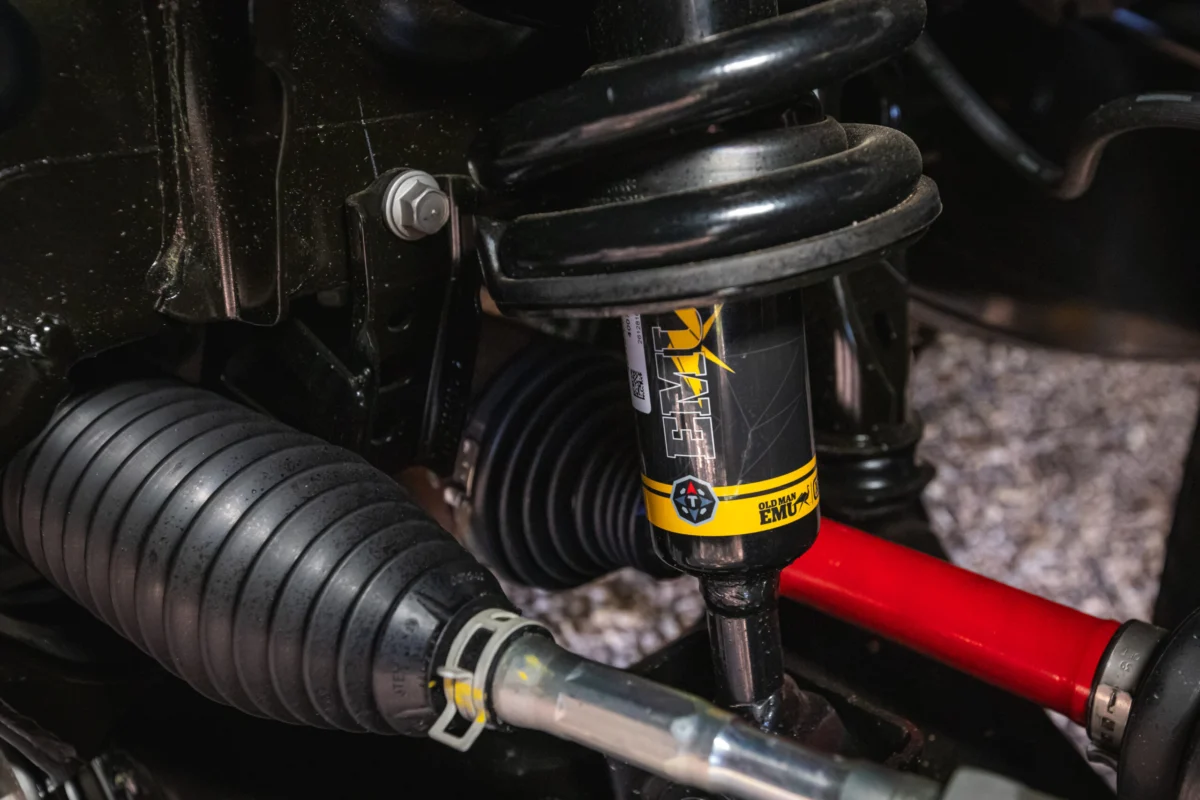
For the 2027 model year, the Tundra and Sequoia Trailhunter variants will be built upon the robust SR5 foundation. However, the transformation is significant. At the heart of the package is a factory-engineered suspension lift. Toyota has partnered with the Australian legends at ARB to integrate Old Man Emu (OME) dampers. Known for their durability in the harsh conditions of the Outback, these dampers represent a premium upgrade that significantly enhances both articulation and load-carrying capacity—critical factors for vehicles loaded with roof-top tents, fridge slides, and recovery gear.

Beyond the suspension, the Trailhunter suite includes:
- Off-Road Footwear: The trucks will ride on Michelin LTX Trail all-terrain tires (265/70R18), specifically chosen for their balance of on-road civility and off-road traction.
- Aesthetic and Functional Wheels: Trailhunter-exclusive bronze alloy wheels, which provide a wider track and a distinct visual identity.
- Underbody Protection: A full suite of high-strength metal skid plates designed to protect vital components—the engine oil pan, transmission, and fuel tank—from rock strikes and trail debris.
- Off-Road Intelligence: Integration of Toyota’s proprietary Multi-Terrain Select (MTS) and Crawl Control systems, allowing the driver to modulate throttle and braking inputs to traverse sand, mud, or rock with precision.
- Mechanical Traction: A rear locking differential comes standard, a feature that provides a significant advantage in low-traction scenarios and cements the Trailhunter’s status as a serious off-road machine.
A Chronology of the Trailhunter Identity
To understand why the Tundra and Sequoia are getting this treatment now, one must look at the recent history of Toyota’s "go-anywhere" strategy:
- 2023–2024: Toyota begins signaling a shift toward factory-integrated overlanding with the introduction of the Trailhunter concept, focusing on the mid-size Tacoma platform.
- 2025: The 2025 Toyota 4Runner launches with a dedicated Trailhunter trim, setting the standard for factory-equipped overlanders. The inclusion of unique aesthetic touches, such as the heritage-inspired grille and specific color palettes, solidifies the brand identity.
- Early 2026: Market research shows that Tundra and Sequoia owners are among the most active "upgraders" in the Toyota ecosystem. Dealers report a high volume of requests for suspension lifts and larger tires immediately following purchase.
- July 2026: Toyota officially confirms that the 2027 Tundra and Sequoia will join the Trailhunter family, marking the first time the full-size platform has received this specific branding and engineering focus.
Supporting Data: Why Full-Size Matters
The shift to full-size overlanding vehicles is a logical evolution. While mid-size trucks like the Tacoma are nimble, the Tundra and Sequoia offer a level of towing capacity and interior volume that is difficult to replicate.
According to internal industry data, the "overland segment" has seen a 14% year-over-year growth in consumer interest. The primary pain point for consumers has historically been the "aftermarket dilemma." When a consumer modifies a brand-new vehicle, they often encounter issues with insurance premiums, warranty claims, and the complexity of integrating aftermarket electronics with modern vehicle CAN-bus systems.

By offering the Trailhunter trim, Toyota is essentially "de-risking" the ownership experience. The Old Man Emu components are tested to meet Toyota’s rigorous durability standards, and the vehicle is calibrated from the factory to handle the increased weight and ride height of the lift. This reduces the risk of drivetrain vibrations, premature CV joint wear, and electronic sensor errors that often plague home-brewed suspension lifts.
Official Responses and Notable Omissions
Despite the excitement surrounding the announcement, there was one notable absence in the press materials: the high-clearance air intake (or "snorkel"). On the 4Runner and Tacoma Trailhunter models, this intake is a signature design element that aids in cleaner air induction during dusty trail driving.
When queried regarding the omission of the snorkel on the full-size models, a spokesperson for Toyota remained tight-lipped, stating only that the "packaging requirements for the Tundra and Sequoia presented different engineering constraints."
Industry analysts suggest that the larger frontal area of the Tundra and the different engine bay layout of the twin-turbo V6 may have made the routing of a functional snorkel difficult without compromising the aerodynamic efficiency that Toyota aims to maintain for highway driving. Regardless, the absence of this feature leaves the door open for the thriving aftermarket community to provide solutions for those who truly need water-fording protection.

Implications for the Market
The arrival of the 2027 Trailhunter Tundra and Sequoia carries significant implications for the automotive market.
1. The Death of the "Stock" Limitations
Toyota is effectively ending the era where the base model is "not enough." By standardizing the locking rear differential and the OME suspension, Toyota is telling the consumer that the base-level off-road experience should be high-performance. This puts immense pressure on competitors like Ford (with the Tremor/Raptor lines) and Chevrolet (with the Z71/ZR2 trims) to standardize their off-road equipment.
2. The "Warranty Advantage"
For many, the biggest factor in choosing a Trailhunter over a standard SR5 with aftermarket parts is the peace of mind. A vehicle that is lifted, geared, and armored under a factory warranty is an incredibly strong value proposition. This is likely to siphon sales away from third-party suspension shops, though it may actually increase business for shops that specialize in secondary modifications like lighting, roof racks, and secondary battery systems.
3. Future-Proofing the Drivetrain
While the official debut of these trucks is slated for the fall of 2026, it is widely understood that the Trailhunter trim will utilize the i-FORCE MAX hybrid powertrain. This is a strategic move: the instant torque provided by the electric motor is arguably more useful in a technical rock-crawling scenario than the raw horsepower of a naturally aspirated engine. As overlanding continues to lean into high-tech solutions, the hybrid-electric torque curve will likely become the standard for the segment.

Conclusion: A New Benchmark
The 2027 Toyota Tundra and Sequoia Trailhunter models represent a maturation of the overlanding trend. Toyota has recognized that the modern adventurer values the synergy of a factory-engineered vehicle over the unpredictability of a custom build. While we await final pricing—which is expected to place these vehicles at the premium end of their respective lineups—it is clear that Toyota is not just participating in the overlanding market; they are defining it.
For the driver who wants to pull off the highway, engage a button, and navigate a washboard trail with the confidence of a three-year/36,000-mile warranty, the Trailhunter is likely to be the gold standard for the 2027 model year. Whether you are hauling a trailer into the backcountry or simply looking for the most capable full-size rig on the market, the Trailhunter badge is quickly becoming the most recognizable sign of an adventure-ready machine.