Introduction: The Secret Life of Our Gear
If you look closely at a photographer’s closet, you will see a collection of bags that seem to possess distinct personalities. There is the sleek, minimalist sling that remembers the crisp air of an Icelandic glacier, the rugged roller case that perpetually smells like airport terminal carpeting, and the cavernous backpack—a heavy, nylon beast that believes it is carrying the entire weight of the photographic industry on its shoulders.
But beneath the humor lies a universal truth for those who document the world: photographers are, by nature, serial overpackers. Whether it is a professional wedding photographer bracing for a twelve-hour shift or a hobbyist heading to their child’s weekend football game, the compulsion to "just bring one more lens" is a psychological phenomenon that transcends experience level. In this deep dive, we explore the habits, health implications, and tactical realities of our obsession with being prepared.
The Chronology of the "Just in Case" Mentality
To understand why we carry so much, we must look at the evolution of the photographer’s kit. Decades ago, the kit was restricted by the physical limitations of film and manual focus glass. You took what you could carry, and you made it work.
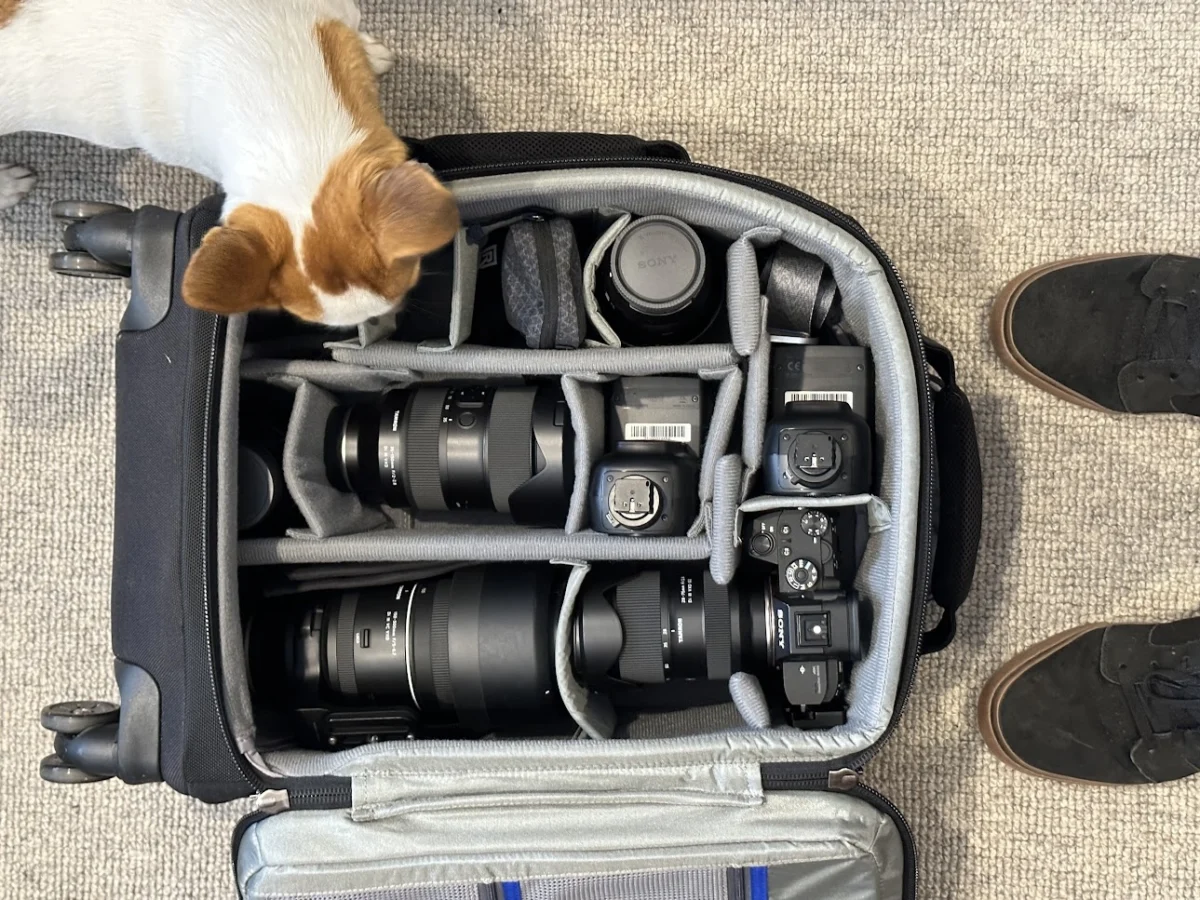
As the digital revolution took hold, the barrier to entry for high-quality gear plummeted. Suddenly, having a 70-200mm f/2.8, a 24-70mm f/2.8, a 35mm prime, a 50mm prime, and two camera bodies became the standard "essential" kit for many.
The Phases of Packing:
- The Enthusiast Stage: You buy your first DSLR or mirrorless camera. You pack a small shoulder bag, feeling proud of your portability.
- The "Gas" (Gear Acquisition Syndrome) Stage: You realize your bag is empty in specific lighting scenarios. You buy a larger bag to accommodate your growing collection of "just in case" glass.
- The Reality Check: You arrive at a location with 25 pounds of gear. You use 10% of it. You spend the rest of the day feeling the physical weight of your insecurity, wondering why you brought the macro lens to a landscape shoot.
Supporting Data: The Psychology of Over-Preparation
Why do we pack for every scenario when experience tells us we won’t use 80% of our equipment? Psychologists suggest that photographers suffer from a specific form of "preparedness anxiety."
In the digital age, we are conditioned to believe that the perfect shot is only a focal length away. If we don’t have the 85mm prime, we feel we are missing out on the perfect portrait. If we don’t have the ultra-wide lens, we fear we won’t capture the scale of a landscape.
According to surveys within professional photography circles, nearly 65% of photographers report carrying more equipment than they actually use during a standard shoot. This behavior is rarely about necessity; it is about insurance. By carrying the gear, the photographer is "insuring" themselves against a missed opportunity.
The "Weight of Responsibility"
The irony, of course, is that the weight of the gear often prevents the photographer from being truly creative. When your shoulders are aching and your back is tight, your focus shifts from composition and light to the physical discomfort of the strap digging into your skin. The gear that was meant to empower your creativity becomes the primary obstacle to your comfort.
Professional Perspectives and Industry Standards
We reached out to industry veterans to discuss the shift toward "leaner" setups. Many professionals who spent decades lugging heavy Pelican cases through airports are now pivoting toward the "one body, two lenses" philosophy.
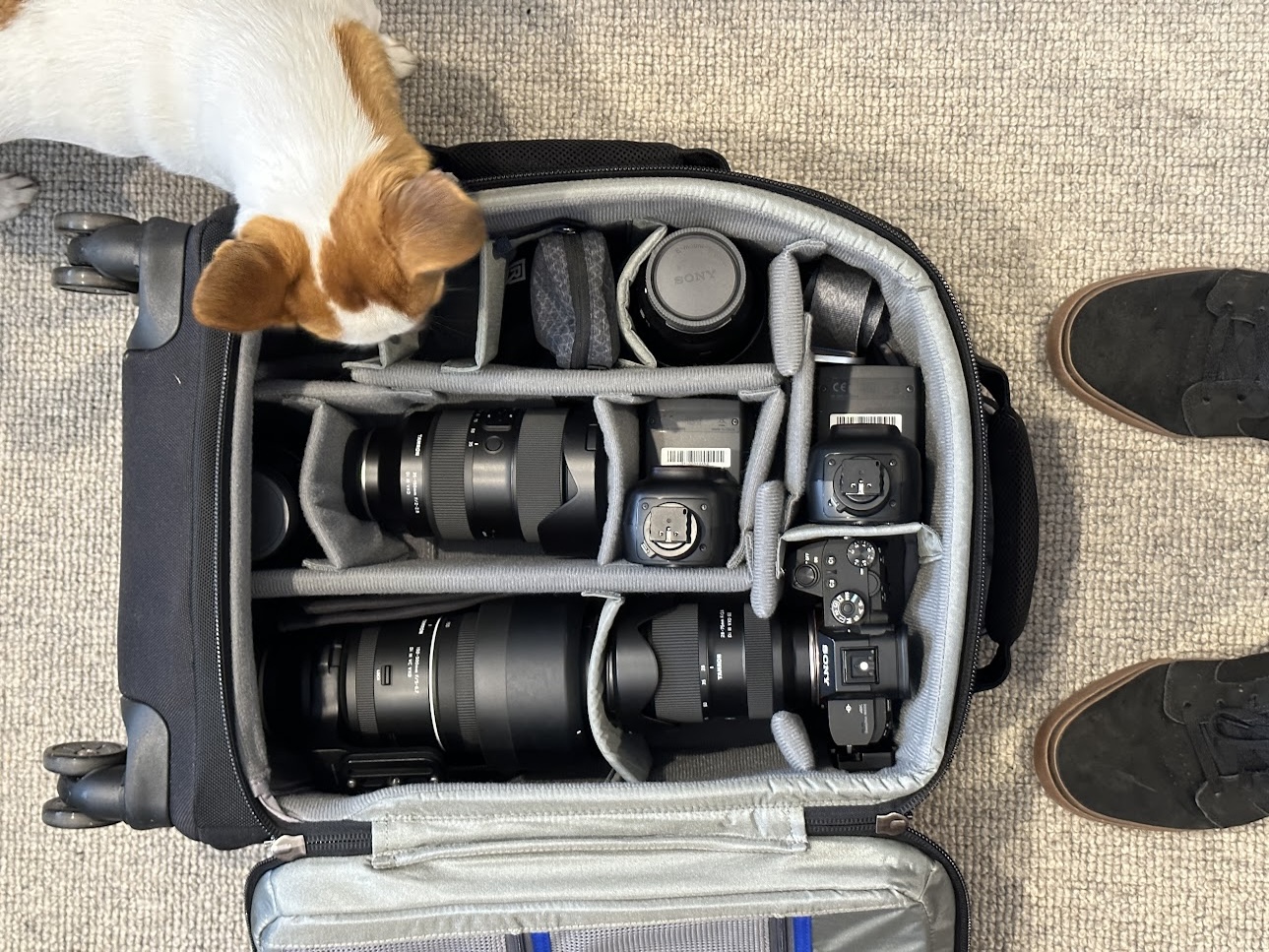
"The greatest piece of equipment a photographer can possess is not a lens," says one veteran photojournalist. "It is the ability to walk. If your bag is so heavy that you cannot move comfortably or quickly, you are going to miss the shot regardless of what is in your bag."
Official guidelines from ergonomic specialists suggest that a camera bag should never exceed 10-15% of an individual’s body weight. Yet, many photographers routinely push this limit to 20% or more, often exacerbated by the choice of a single-shoulder sling bag, which forces the spine into an unnatural curvature over long periods.
The Physical Implications: A Case for Self-Care
The consequences of our overpacking habits are not merely humorous anecdotes; they have tangible health implications. Repetitive strain injuries (RSIs), chronic lower back pain, and shoulder impingement are common complaints among those who have spent years carrying heavy glass.
Recommended Ergonomic Adjustments:
- Backpack vs. Sling: While slings are convenient for quick access, they are detrimental to spinal health. Backpacks that feature proper waist straps distribute weight across the hips, which are far better equipped to handle heavy loads than the shoulders.
- The Weight Test: Before you head out, do a "shake down." If you haven’t touched a specific lens in three consecutive shoots, leave it at home.
- The "One-Body" Challenge: Periodically force yourself to shoot an entire event with a single prime lens. This not only saves your back but also forces you to think more creatively about your composition and movement.
Implications for the Future of Photography
As camera technology advances, the physical footprint of gear is paradoxically both shrinking and expanding. While modern mirrorless bodies are smaller, the high-end lenses required to resolve the latest sensors are often heavier than ever.
The industry is reaching a tipping point. As photographers prioritize health and longevity in their careers, the "minimalist" movement is gaining significant traction. Influencers and professionals alike are beginning to showcase "Everyday Carry" (EDC) kits that emphasize utility over volume.
Strategic Planning for the Field:
- Pre-Shoot Assessment: Evaluate the lighting and the environment. If you are shooting a football game in daylight, you don’t need a heavy f/1.4 prime. If you are shooting an indoor wedding, you don’t need a 400mm telephoto.
- Modular Packing: Use a bag that allows for modular inserts. Don’t carry a bag designed for ten lenses if you are only taking three. Use a smaller bag to physically limit how much you can pack.
Conclusion: Letting Go of the Gear
The next time you find yourself standing in front of your camera cabinet, tempted to toss that extra teleconverter or "just-in-case" flash into your bag, stop. Consider the "Secret Life of Your Bags." Do they really want to be dragged across the country, burdened with gear you won’t use?
The goal of photography is to capture the moment, not to catalog every possible piece of equipment you own. By lightening your load, you do more than just save your back; you free your mind to focus on what truly matters: the light, the subject, and the story you are trying to tell.
Whether you are a professional who has worked with gear for 16 years or an enthusiast with a new kit, the best approach is often the simplest one. Pack for the shot, not for the fear of missing out. Your body, your creative process, and your bags will thank you for it.
Q: Do you tend to overpack your camera bag when it comes to photography gear, or are you in the "only what I need" camp? Let us know in the comments below!