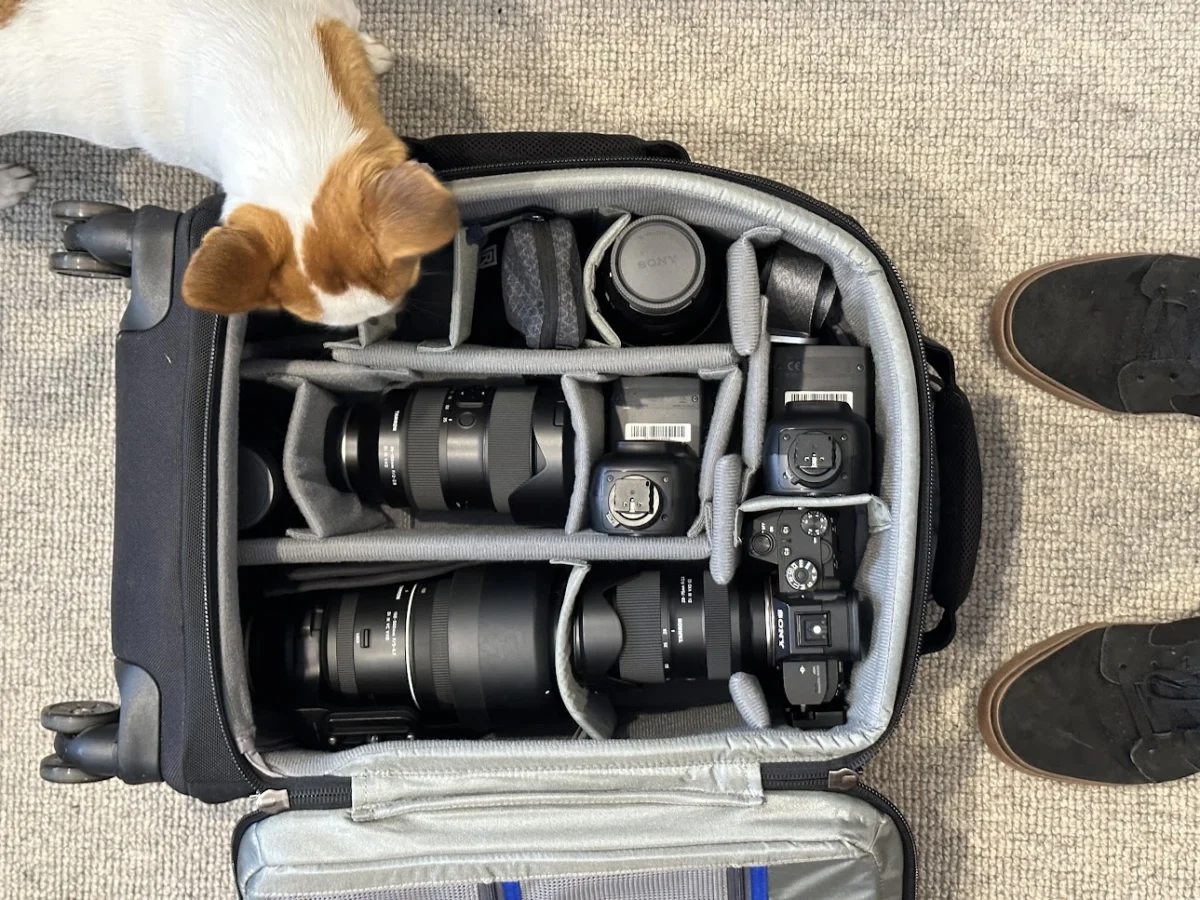
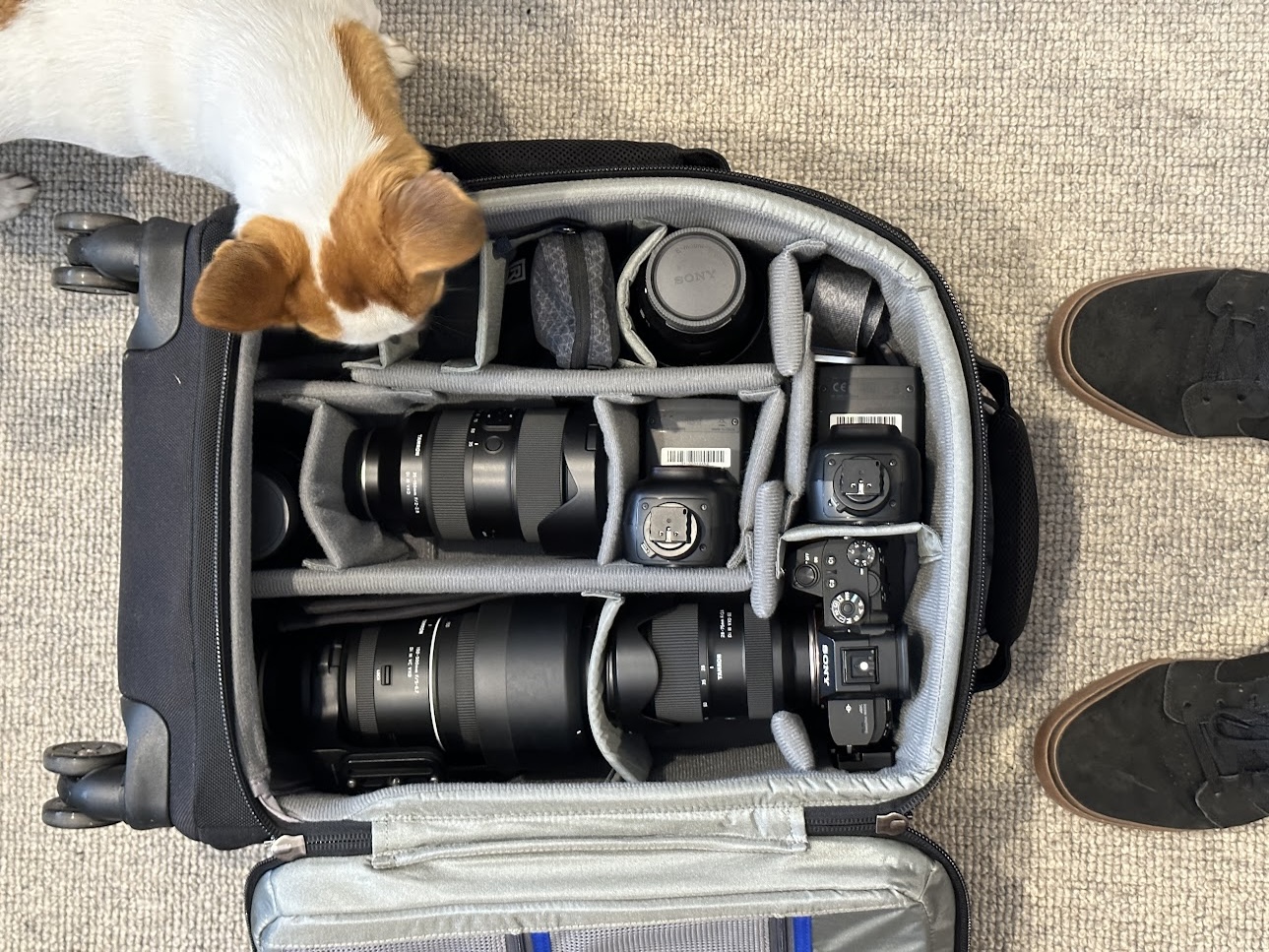
For the average observer, a photographer arriving at a simple family event or a local sporting match might look like they are preparing for a month-long expedition into the uncharted wilderness. With a heavy-duty roller case in tow, a tactical backpack strapped to their shoulders, and perhaps a sling bag across their chest, the modern photographer often appears more like a pack mule than an artist.
According to long-time photography industry veteran and contributor to Digital Photography School, Sime, there is a pervasive, almost humorous psychological phenomenon at play: the secret lives of camera bags. While it may seem like a lighthearted observation, the tendency to overpack gear is a complex issue that touches on equipment anxiety, physical health, and the evolving nature of professional photography.
The Psychology of the "Just in Case" Mentality
The primary driver behind the bulging camera bag is the "What If" scenario. Photographers, by nature, are visual hunters. We are trained to anticipate the perfect shot, which inherently leads to a fear of being unprepared. If you leave the telephoto lens at home, surely that is the day a rare bird will land on a nearby fence. If you omit the wide-angle, you will certainly encounter a landscape so breathtaking that a standard lens simply cannot capture its scope.
This "gear-hoarding" mentality is bolstered by the sheer variety of tools available today. As Sime notes, after 16 years of working within the photography equipment industry, the temptation to own—and carry—everything is overwhelming. "I have many bags," he explains. "Gotta love options, but because I have those options, the one thing I do consistently is overpack."
This behavior isn’t limited to beginners. Even seasoned professionals often find themselves packing a redundant array of gear, justifying it with the logic that it is better to have it and not need it than to need it and not have it. However, this creates a cognitive dissonance: the photographer knows exactly what they need for a specific shoot—such as a 12-year-old’s football game—yet they still find themselves loading up their bag with unnecessary weight.
Chronology of Gear Accumulation
To understand why we carry so much, we must look at how the photographer’s relationship with gear has evolved over the last two decades.
- The Early 2000s: With the advent of digital SLRs, photographers were limited by the size of memory cards and the battery life of early models. Packing extra meant carrying physical backups for everything.
- The Mid-2010s: As lenses became more specialized, manufacturers pushed the "must-have" kits. The industry saw a surge in the popularity of "pro-sumer" gear, leading photographers to believe that having a specific lens for every conceivable aperture range was a hallmark of professionalism.
- The Present Day: We are currently in an era of "hybrid" photography. Photographers are now expected to carry gear for high-resolution stills, high-bitrate video, audio recording, and lighting stabilization. The "bag" has transformed from a simple equipment carrier into a mobile production studio.
Supporting Data: The Cost of Excessive Weight
While the humor of carrying 17 mismatched lens caps and stale snacks from years past is palpable, the implications of overpacking are grounded in serious data regarding physical health.
The average professional camera bag, when fully loaded with a body, two to three professional-grade lenses, a flash unit, and a tripod, can easily weigh between 20 to 35 pounds (9 to 16 kilograms). When this weight is carried on a single shoulder via a sling bag or a messenger bag, it places significant asymmetrical stress on the trapezius and rhomboid muscles.
Studies on occupational ergonomics suggest that carrying a load exceeding 10% of one’s body weight on a regular basis can lead to chronic musculoskeletal issues. For photographers, this manifests as "Photographer’s Shoulder"—a condition characterized by nerve impingement and inflammation caused by the constant, uneven strain of heavy straps.
Official Perspectives on Injury Prevention
The industry is beginning to address the "overpacking crisis" with a renewed focus on ergonomics. Industry experts, such as Suzi, who has written extensively on the subject for Digital Photography School, argue that the solution is twofold: better equipment management and improved physical self-care.
"Pack evenly," is the golden rule, according to ergonomics specialists. If a photographer insists on carrying a massive amount of gear, the use of a dual-strap backpack that distributes weight across the entire back is non-negotiable. Furthermore, many professionals are now pivoting to "minimalist kits." This involves selecting one lens and one body that can handle 90% of the day’s work, leaving the "just in case" gear in a locked vehicle or at home.
The shift is not just physical; it is a movement toward intentionality. By choosing the gear for the specific story being told, the photographer is freed from the distraction of constant lens-swapping and the physical exhaustion that inevitably sets in after four hours of shooting with 30 pounds of gear.
Implications for the Future of Photography
The overpacking epidemic has significant implications for how we view the craft of photography. When a photographer is weighed down by their own equipment, they become less mobile, less spontaneous, and less observant. The "gossiping" bags that Sime describes are, in a sense, a metaphor for the mental clutter that keeps a photographer from being present in the moment.
The future of the industry seems to be trending toward lighter, more versatile equipment. Mirrorless technology has allowed for smaller bodies and lenses, yet the human tendency to fill the "empty space" in our bags remains. As we look forward, the most successful photographers may be those who define themselves not by the amount of gear they carry, but by their ability to achieve maximum impact with minimum weight.
The Self-Care Checklist for Photographers:
- The "One-Hour Rule": Before leaving the house, ask yourself, "If I only had one hour to shoot this event, what would I absolutely need?" If it isn’t in your hand or on your body, it stays behind.
- Audit Your Bag: Once a month, empty your bag completely. Remove the lens caps that don’t fit, the old snacks, and the cables for devices you no longer own.
- Invest in Ergonomics: If you must carry heavy gear, invest in a high-quality harness system or a backpack with a rigid, supportive frame.
- Physical Maintenance: Incorporate stretches for the neck, shoulders, and lower back into your daily routine. Photography is a physical performance; treat it as such.
Conclusion
Whether we are professional shooters or enthusiastic hobbyists, we all share the same temptation: to over-prepare for the unexpected. However, the next time you find yourself reaching for that extra, unused prime lens, remember the wisdom of the bag: it’s not the weight of the equipment that makes a great photograph—it’s the photographer’s ability to move freely and see the world clearly.
As Sime puts it, perhaps it is time we stop listening to our bags and start listening to our bodies. The perfect shot is waiting, but you don’t need to carry the weight of the entire world to capture it.
What is your stance on the gear-packing debate? Are you a minimalist, or do you feel naked without your entire kit? Let us know in the comments below.