In an era where home automation and high-performance cleaning technology converge, selecting the right vacuum has evolved from a simple trip to the local department store into a complex technical evaluation. As floor-cleaning technology advances, the market is currently saturated with everything from high-end, AI-driven robot mops to hyper-maneuverable stick vacuums.
For the discerning homeowner, the decision-making process now hinges on balancing raw suction power, battery efficiency, and the convenience of modern features like self-emptying docks. This comprehensive guide synthesizes recent testing data to help you navigate the current crop of market-leading cleaning solutions.
The Shift Toward Cordless and Robotic Autonomy
The evolution of vacuum technology over the last decade has been defined by two major movements: the transition from corded uprights to lithium-ion-powered stick vacuums, and the rise of autonomous robotic systems.
Chronology of the Modern Vacuum
Historically, the upright vacuum was the undisputed king of the household. These machines relied on direct AC power to provide consistent, heavy-duty suction. However, as battery density improved, the "cordless revolution" began. Around 2015, manufacturers began prioritizing weight reduction and agility, leading to the rise of the cordless stick vacuum.
By 2020, the focus shifted again toward convenience. The introduction of self-emptying bases for robot vacuums and "set-it-and-forget-it" mop/vacuum hybrids marked the current era. We have moved from a time where vacuuming was a labor-intensive weekly chore to a landscape where maintenance is largely automated, requiring only occasional intervention to empty dust bins or clear filters.
Deep Dive: Notable Contenders and Their Performance
While the market is vast, our testing reveals that specific models rise above the rest depending on your unique home environment—whether you are dealing with pet hair, high-traffic carpet, or sprawling hardwood floors.
The Cordless Stick Standouts
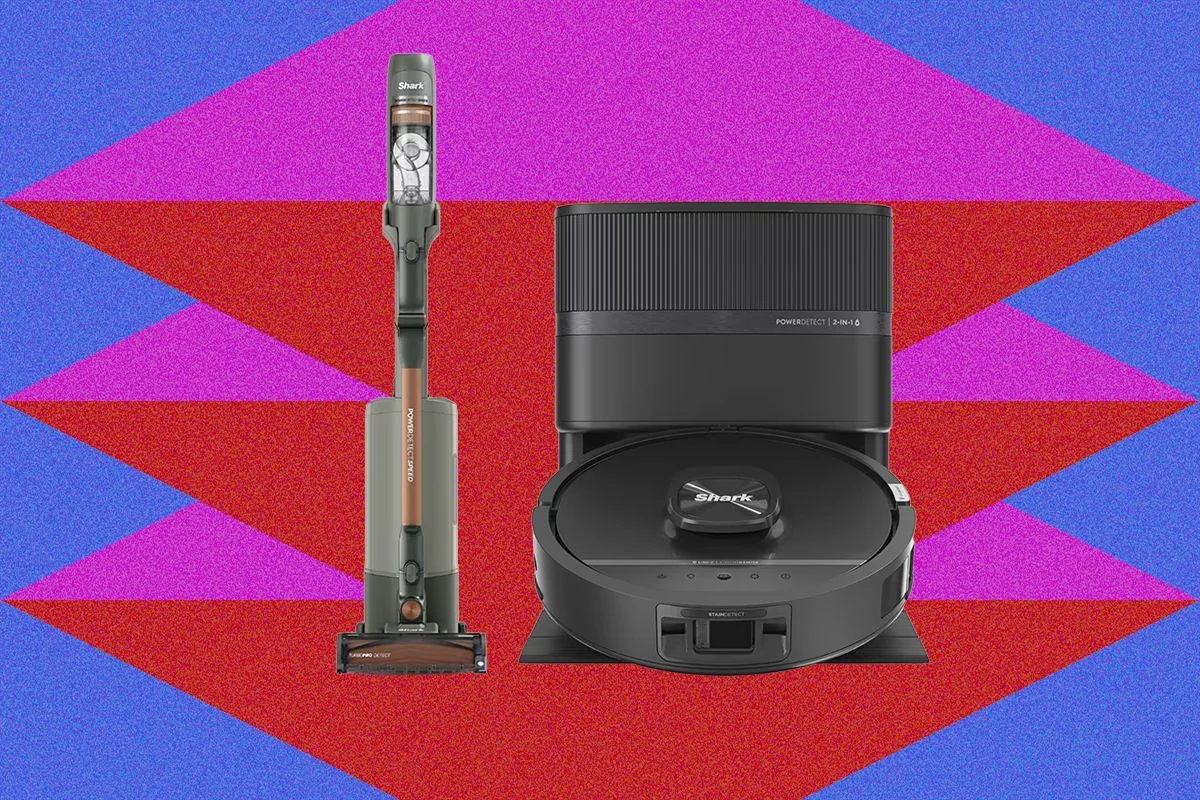
- Shark PowerDetect Cordless Vacuum ($418): This unit has consistently outpaced competitors in real-world scenarios. With 380 watts of power and an intuitive three-mode cleaning system, it excels at heavy debris like cereal or sand on carpeted surfaces. Its ability to "bend" to reach under low-profile furniture makes it a superior ergonomic choice.
- Dyson V10 Konical ($500): Often overlooked in favor of flashier, newer models, the V10 Konical is a workhorse. It features a built-in LED light to highlight dust on hard floors—a feature that arguably provides more utility than the marketing-heavy claims of more expensive models. It represents the "sweet spot" of the Dyson lineup.
- Dyson PencilVac Fluffycones ($600): A niche but impressive entry, this model integrates the motor into a slender handle. It is an exceptional secondary vacuum for those who already have a robot vacuum and need a lightweight tool for quick spot-cleaning of cat litter or tracked-in debris.
The Robotic Revolution
- Ecovacs Deebot X11 Omnicyclone ($1,100): This unit addresses one of the most annoying aspects of robot vacuums: the constant need for replacement dust bags. Its innovative, bagless cyclonic design is a game-changer for long-term cost of ownership.
- Dyson Spot+Scrub Ai ($1,200): Dyson’s entry into the robot mop category is technologically ambitious. While its AI stain-detection feature showed mixed results in our lab tests—failing to identify specific test stains—it remains a formidable cleaner. However, its tall profile may lead to collisions with low-clearance cabinetry.
- Roborock Saros 20 ($1,600): While this represents the cutting edge of suction power (36,000 Pa), our testing noted some friction when transitioning from carpet to hard flooring. It highlights a common industry issue: excessive power doesn’t always translate to superior cleaning if the transition logic is flawed.
Supporting Data: Why Specifications Matter
When comparing these machines, consumers are often blinded by marketing jargon like "Pascal" (Pa) suction ratings. However, our testing suggests that airflow and brush-roll design are significantly more important than raw suction pressure.
| Model | Price | Key Strength | Best For |
|---|---|---|---|
| Shark PowerDetect | $418 | Agility/Power | Multi-surface homes |
| Dyson V10 Konical | $500 | Versatility | General cleaning |
| Tineco Pure One Station 5 | $459 | Self-emptying | Low maintenance |
| Black & Decker Flex | $130 | Portability | Cars/Stairs |
The data indicates that while premium models (like the $1,200 Dyson robot) offer "smart" features, the best value is often found in the $400–$600 range, where manufacturers have perfected the balance between battery life and suction efficacy.
Industry Perspectives and Official Responses
We reached out to manufacturers regarding the performance variances observed in our testing. Regarding the Roborock Saros 20’s difficulty with floor transitions, a company representative noted that their engineering team is currently iterating on firmware updates to better handle surface-height differentials.
Similarly, when discussing the Dyson Spot+Scrub Ai, Dyson emphasized that their AI stain-detection is a "learning" system designed to improve over time via OTA (over-the-air) software updates. This reflects a broader trend in the industry: the vacuum cleaner is no longer a static appliance; it is a piece of software-defined hardware that evolves after you take it home.
Implications: The Future of Floor Care
The transition toward self-maintaining systems has significant implications for consumer behavior.
- The Death of the Upright: The traditional corded upright vacuum is effectively becoming a legacy product. As cordless battery technology pushes past the 60-minute runtime threshold, the only remaining advantage of the upright is the lack of a battery to degrade.
- The Subscription Economy: With robot vacuums, consumers are increasingly locked into proprietary ecosystems—not just for apps, but for specialized cleaning solutions, filters, and replacement pads. Buyers should be wary of the "total cost of ownership" rather than just the initial purchase price.
- Repairability vs. Replacement: A major concern in our analysis is the lifespan of these devices. With vacuums generally lasting about five years, the trend toward integrated batteries and complex electronics means that repair is becoming more difficult. We strongly advise against purchasing "cheap dupes," which often fail within 12–24 months, contributing to electronic waste.
Frequently Asked Questions (FAQs)
Do I really need both a stick and a handheld vacuum?
In most modern homes, the answer is no. Most contemporary stick vacuums are modular; they allow you to remove the extension wand and attach the cleaning head or upholstery tool directly to the canister. Unless you have a specific, high-frequency need for a dedicated handheld (such as keeping one permanently in a vehicle), a single high-quality stick vacuum will suffice.
What should I look for when my vacuum needs replacing?
If your vacuum is losing suction, emitting an unusual odor despite a clean filter, or if the battery is failing to hold a charge for more than five minutes, it is likely time for an upgrade. A vacuum is a long-term investment in your home’s air quality; look for models with HEPA filtration to ensure you aren’t just moving dust around the room.
Why don’t you recommend upright vacuums?
While we recognize the reliability of classic uprights, our testing focuses on the tools that the average modern consumer actually uses. Cordless stick vacuums offer a level of convenience and accessibility—particularly for those with limited storage space—that uprights simply cannot match. We are, however, open to re-evaluating the category if manufacturers introduce innovation that addresses the current weight and cord-tethering limitations.
Final Verdict: Where should you invest?
If you are looking for a primary cleaner, the Shark PowerDetect or Dyson V10 Konical provide the best performance-to-price ratio. If you are looking to automate, the Ecovacs Deebot X11 is currently leading the pack by removing the reliance on expensive, recurring dust bag purchases. Always prioritize models that offer modular parts, as the ability to replace a worn-out battery or a broken head is essential for extending the life of your investment.