In November 2024, a pivotal collaboration unfolded on the banks of the sacred Ganga and the thunderous Brahmaputra. Ben Schmidt and Sam Johnston, lead instructors from the Whitewater Rescue Institute (WRI), embarked on a ten-day mission to Northwestern India. Their objective: to bridge global safety standards with local expertise by training the elite guides of Aquaterra Adventures. This expedition was not merely a professional exchange of technical curriculum; it was a profound cultural immersion that highlighted the intersection of world-class outdoor logistics and the raw, untamed power of India’s most significant river systems.
The Foundations of the Expedition: Professional Synergy
The Whitewater Rescue Institute (WRI) has long been a vanguard in river safety, and this partnership with Aquaterra Adventures—a recognized leader in India’s outdoor tourism sector—represented a strategic effort to formalize and harmonize rescue protocols across international borders. Aquaterra, known for its extensive portfolio of trekking and river expeditions, provided the logistical backbone for the WRI team.
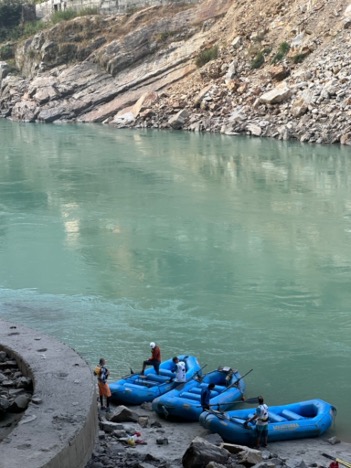
The primary goal was the implementation of a comprehensive swiftwater rescue curriculum tailored to the specific hydrology of the Indian subcontinent. By integrating universal risk management principles with the localized, generational knowledge of the Indian guides, the project aimed to elevate the safety culture for river professionals operating in some of the world’s most challenging environments.
Chronology: From the Bustle of Dehradun to the Brahmaputra’s Roar
Arrival and Adaptation
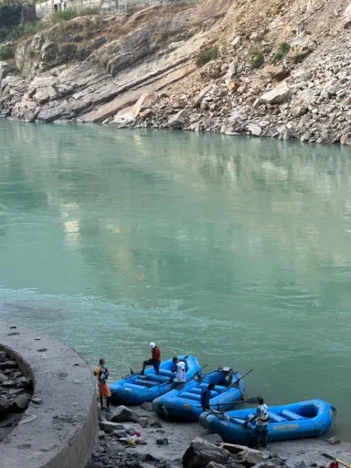
The journey began with an arrival in Dehradun, a city characterized by a sensory-rich environment of vibrant textiles, bustling commerce, and the quintessential cacophony of Indian transit. After navigating the urban landscape, the WRI team moved north toward Rishikesh, arriving at the Atali Ganga headquarters of Aquaterra Adventures. The basecamp, situated in a valley overlooking the turquoise, swirling currents of the Ganga, served as the primary classroom. The team was immediately struck by the sheer biological and geographical scale of the region—a landscape where giant orb weaver spiders and curious macaques defined the perimeter of their operational theater.

The Ganga Training Sessions
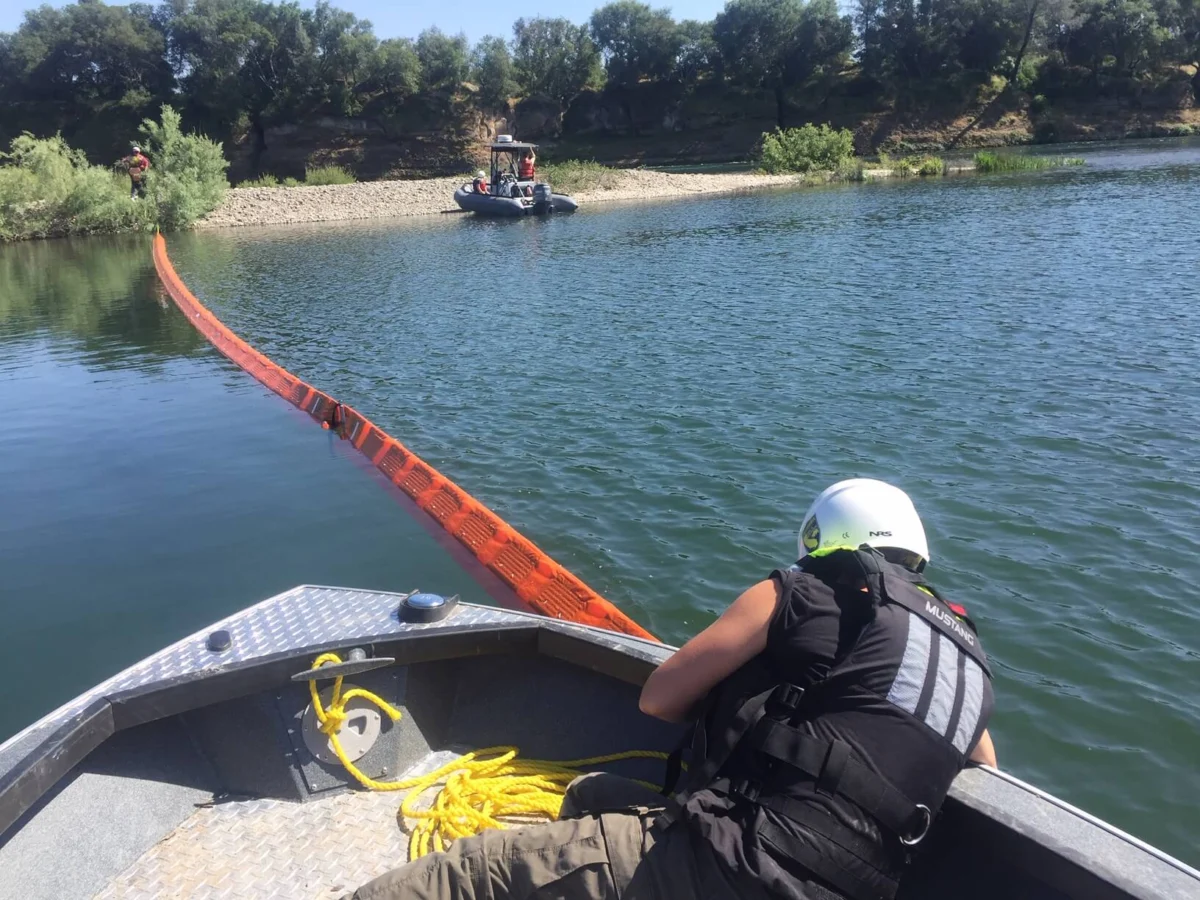
For ten days, the focus remained on rigorous skill acquisition and the exchange of pedagogical strategies. The curriculum covered a broad spectrum of critical rescue techniques, including:
- Defensive and Aggressive Swimming: Mastering body positioning in high-volume water.
- Throwbag Deployment: Precision techniques for victim retrieval.
- Inflow Rescue: Navigating the complexities of water movement near obstacles.
- Universal Risk Management: Implementing standardized emergency action plans and upstream/downstream safety protocols.
The interaction was characterized by mutual respect. The WRI instructors found themselves humbled by the Aquaterra guides, many of whom were raised on the tributaries of the Ganga. These local experts brought a tactile, intuitive understanding of the river that proved invaluable. By the end of the session, the WRI curriculum had been successfully integrated, ensuring a sustainable transfer of knowledge that would empower local guides to train future generations.

The Brahmaputra Expedition
Following the conclusion of the Ganga training, the mission shifted eastward to the Brahmaputra River, a legendary waterway synonymous with high-stakes whitewater. With the expert facilitation of Aquaterra founder Vaibhav Kala—whose logistical support proved indispensable in managing the complexities of travel, food safety, and regional navigation—the team journeyed into the heart of Arunachal Pradesh.
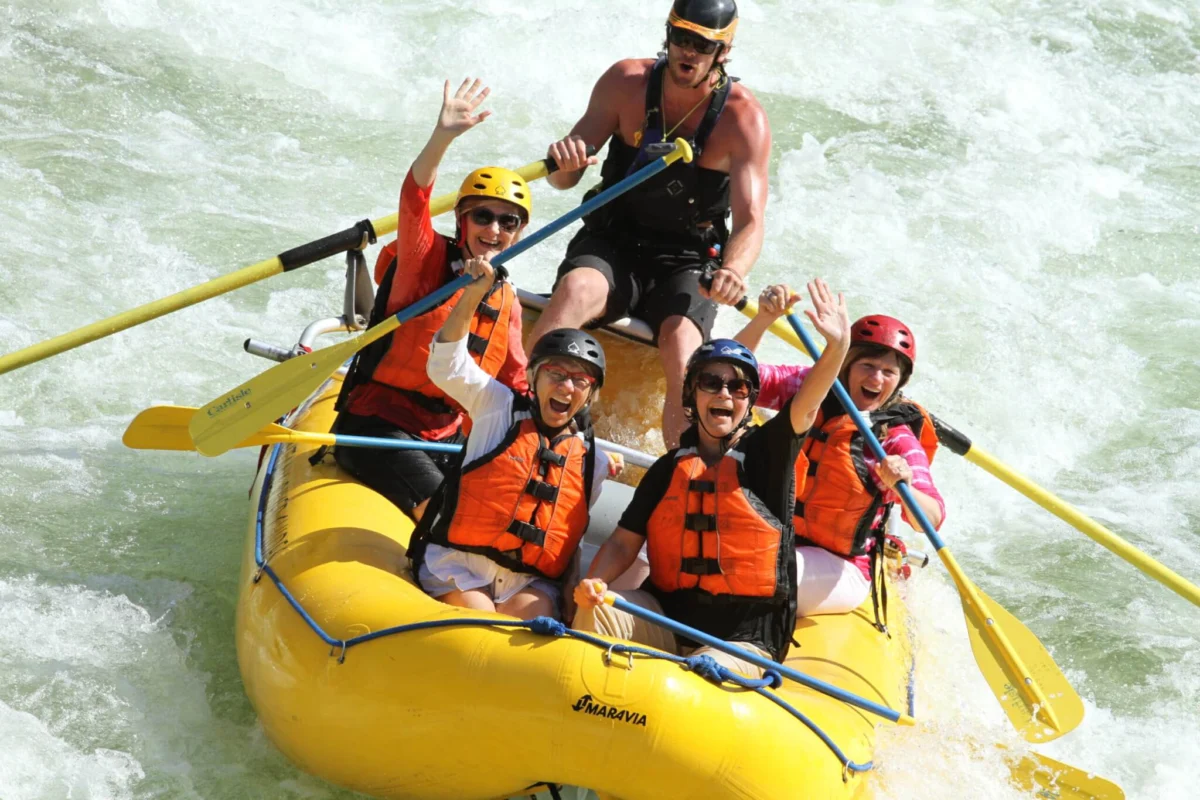
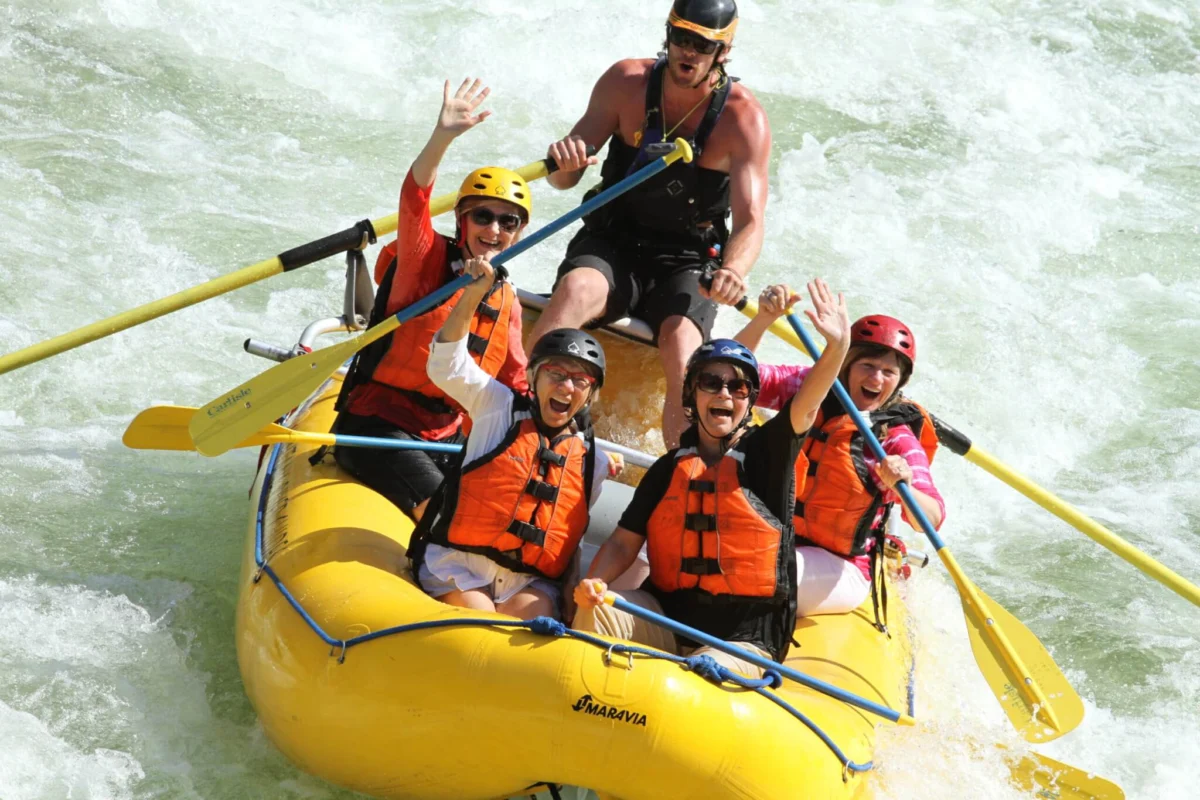
The group that gathered for the Brahmaputra descent was an assembly of world-class paddlers. Led by the veteran guide Rana G, who had navigated this specific river 23 times, the expedition faced conditions that challenged the limits of human endurance. The river, characterized by wave faces reaching 30 feet and lateral surges the size of buses, required precise synchronization. According to digital telemetry, the river speeds often reached 20 miles per hour, turning every rapid into a test of physical strength and mental fortitude.

Supporting Data and Technical Context
The success of the mission relied on a blend of traditional expertise and modern risk assessment. While the human element was the focus, the technical data gathered during the expedition underscored the necessity of the training.
- River Dynamics: The Brahmaputra’s hydraulic force, with speeds peaking at 20 mph, necessitates a specific "aggressive" rescue profile.
- Safety Infrastructure: The integration of WRI’s standardized equipment checks reduced the "time-to-rescue" window during simulation drills.
- Logistical Efficiency: Under the guidance of Vaibhav Kala, the team successfully managed high-volume expedition logistics across three provinces, demonstrating that safe, large-scale river tourism in India is dependent on deep regional knowledge combined with international safety certifications.
Official Perspectives and Cultural Exchange
The evening sessions around driftwood fires provided the most significant insight into the expedition’s success. These moments, characterized by shared meals and the exchange of stories dating back to the first successful commercial runs of the Brahmaputra 22 years ago, fostered a unique camaraderie.

Reflecting on the experience, Sam Johnston noted, "The resilience of the rivers and the vibrant spirit of the people we met along the way left a lasting impression." This perspective was shared by the Aquaterra team, who viewed the WRI visit as a validation of their long-standing commitment to professional development. The interaction between the WRI instructors and the Indian guides served as a model for how global outdoor organizations should engage with local communities: not as visitors imposing standards, but as partners exchanging wisdom.
Implications for Global River Safety
The WRI-Aquaterra collaboration carries significant implications for the future of whitewater safety.

1. Standardization of Training
By localizing the WRI curriculum, the initiative has created a blueprint for how swiftwater rescue training can be exported to developing markets. This reduces the dependency on external rescue support and empowers local communities to act as first responders.
2. Stewardship of Wild Spaces
The expedition reinforced the concept that river-running is fundamentally an exercise in humility. The transition from "conquering" the river to "understanding" the river is a vital shift in the philosophy of modern outdoor education. The participants concluded that true stewardship involves a holistic approach—protecting the ecosystem while ensuring that those who traverse it are equipped to do so safely.

3. Economic and Safety Longevity
As India continues to grow as a destination for extreme sports and adventure tourism, the need for professionalization in the guiding industry becomes paramount. The successful training of the Aquaterra guides provides a multiplier effect; these instructors are now qualified to pass on these essential skills to local enthusiasts, thereby elevating the safety standards of the entire regional industry.
Conclusion: A Lasting Legacy
The journey to India was, for Ben Schmidt and Sam Johnston, a transformative experience that extended far beyond the technical scope of swiftwater rescue. It was an exploration of the delicate balance between the raw, indifferent power of nature and the human capacity for coordination, courage, and communal support.

As the WRI team returned to the United States, they carried with them more than just photographs and technical notes. They brought back a renewed commitment to the responsibility of being stewards of wild places. The Brahmaputra and the Ganga are more than just watercourses; they are dynamic, living entities that demand respect and preparation. By fostering this international dialogue on safety, the Whitewater Rescue Institute and Aquaterra Adventures have ensured that the stories told around future campfires will be stories of survival, skill, and the enduring bond between those who live and work upon the river.