For the thousands of students, faculty, and staff who traverse the University of California, Santa Barbara (UCSB) campus each day, the horizon is dominated by the shimmering expanse of the Pacific Ocean. Yet, nestled between the academic intensity of lecture halls and the relentless energy of the surf lies a hidden, breathing ecosystem: the Coal Oil Point Reserve and its crown jewel, the Devereux Slough.
Often dismissed as mere “open space” by those hurrying to midterms or research labs, this 170-acre tidal wetland is a masterclass in ecological resilience. It is a place where the pulse of the earth is still audible—a dynamic, water-connected landscape that serves as both a critical biological refuge and a vital psychological sanctuary. To understand the true weight of this reserve, one must look past the surface and into the intricate, shifting relationship between human development and the untamed natural world.
The Anatomy of an Ecosystem: Main Facts
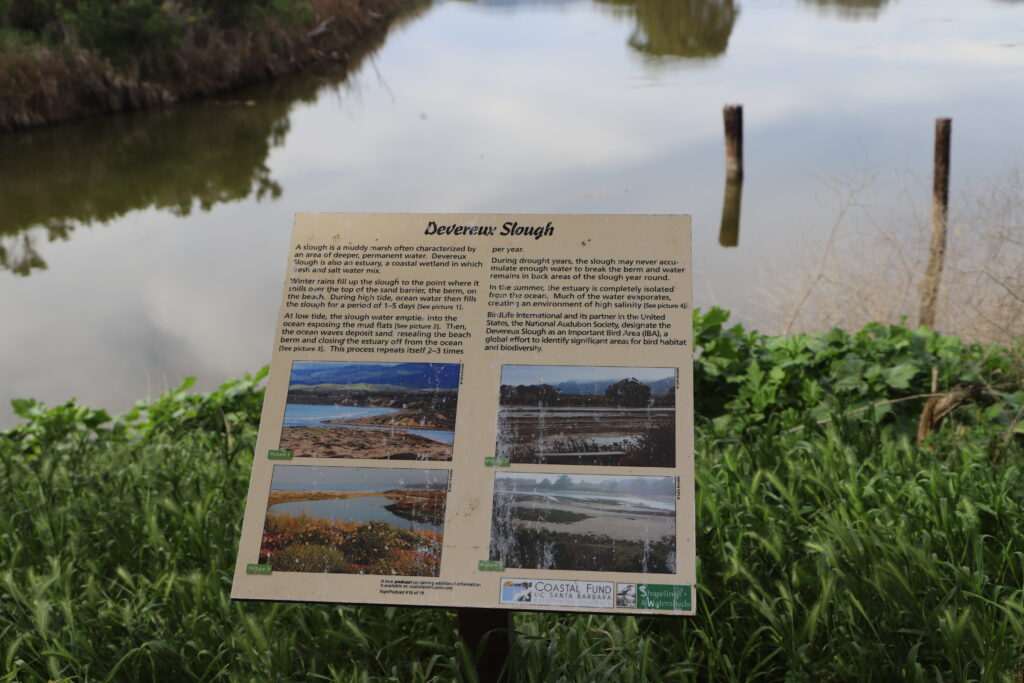
Coal Oil Point Reserve is not a static park; it is a complex mosaic of coastal habitats. The area encompasses salt marshes, estuaries, coastal dunes, and native grasslands, all anchored by the tidal ebb and flow of the Devereux Slough.
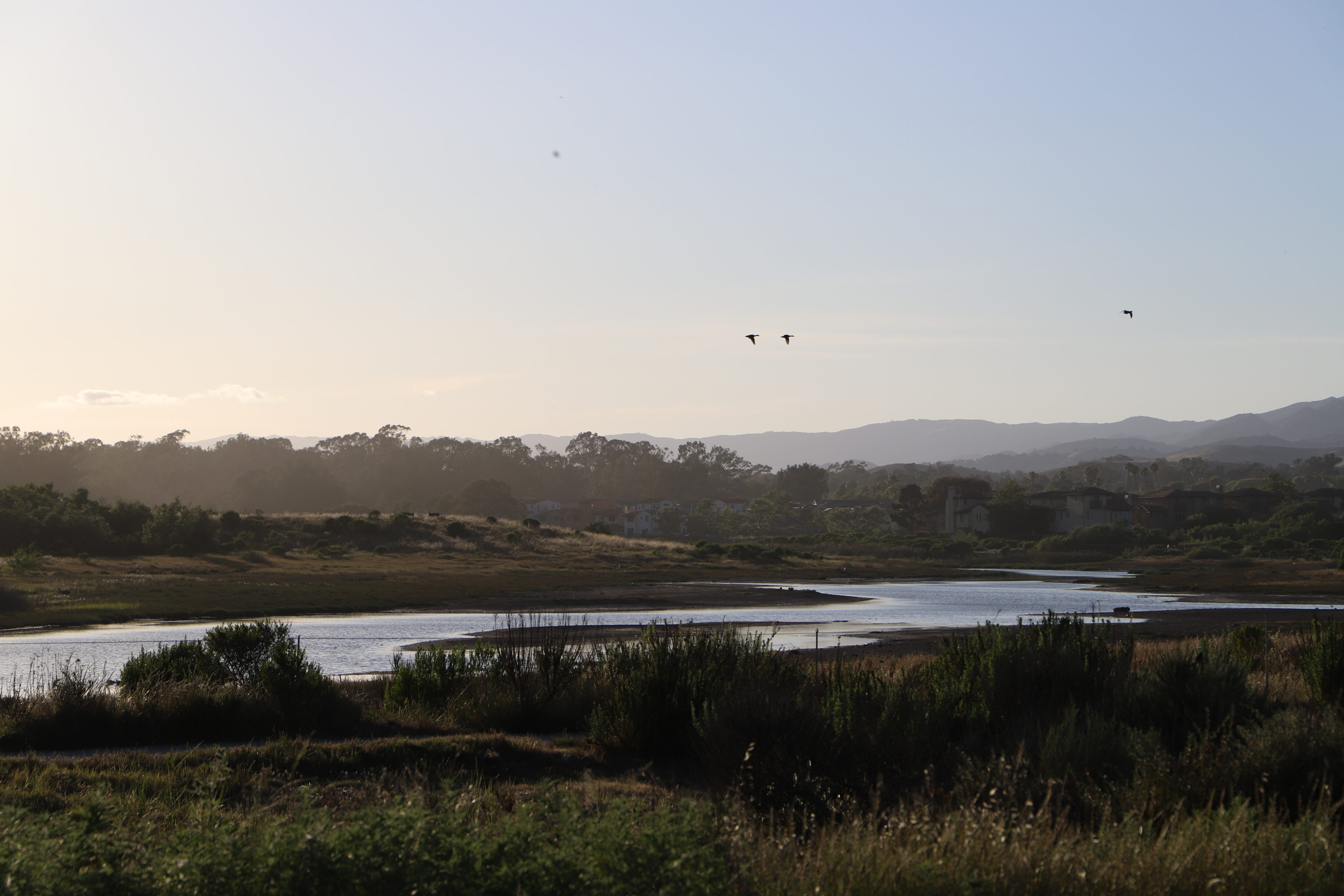
The slough itself is a study in constant transformation. Depending on the season and the rainfall, the landscape shifts from a brimming tidal basin to a patchwork of salt flats and shallow, nutrient-rich channels. This seasonal variability is not a sign of neglect, but a hallmark of a healthy, functioning wetland. It acts as a natural sponge, filtering runoff, mitigating flood risks, and providing a nursery for marine life and a resting point for thousands of migratory birds.
The reserve is part of the University of California’s Natural Reserve System, a network of protected wildlands used for research and education. However, its proximity to an urbanized university campus makes it a rare "living laboratory," offering students an unparalleled opportunity to study environmental biology in real-time.
A Chronological Perspective: From Shoreline to Sanctuary
The history of the Devereux Slough is one of resilience against the backdrop of California’s rapid coastal development. Long before the construction of UCSB, the land was managed by the indigenous Chumash people, who understood the ecological value of these estuaries for sustenance and spiritual connection.
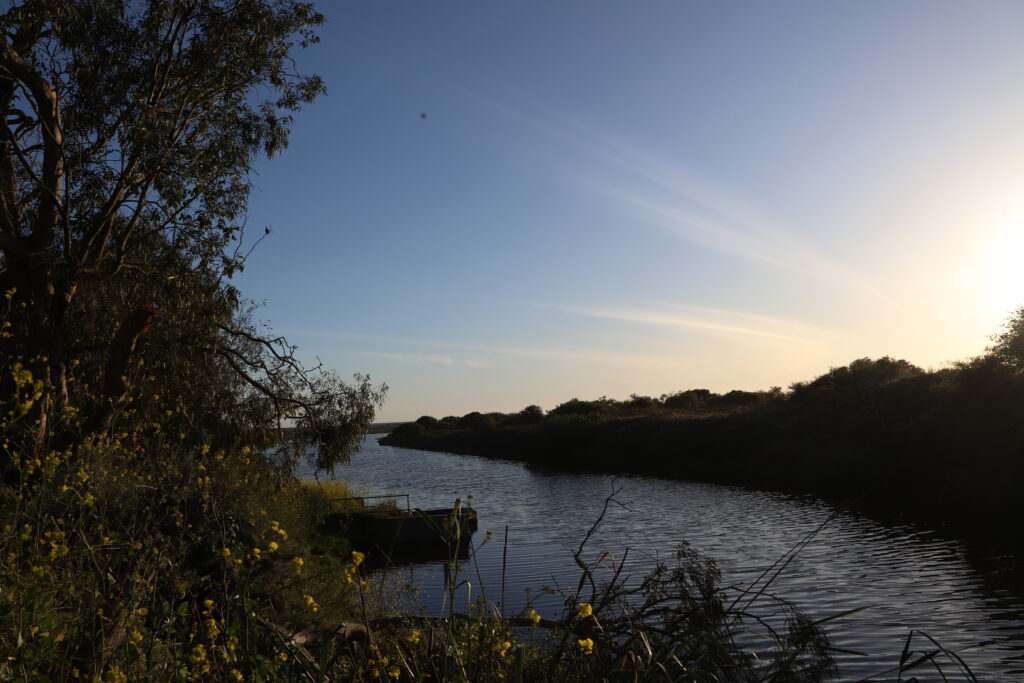
In the mid-20th century, as the university expanded, the pressure to develop the surrounding coastal bluffs intensified. The formal designation of the Coal Oil Point Reserve was a milestone in land conservation, ensuring that the development of the campus did not come at the cost of the region’s biological heritage.
Over the last few decades, restoration efforts have focused on invasive species removal and the stabilization of the dunes. These projects have transformed the area from a neglected buffer zone into a flourishing habitat. The chronology of the reserve is a testament to the idea that land management—when done with scientific rigor and environmental stewardship—can successfully bridge the gap between human progress and biodiversity.
Supporting Data: The Biological Significance
While the beauty of the slough is subjective, the data supporting its ecological importance is objective and staggering. The reserve is a critical node on the Pacific Flyway, a major north-south flight path for migratory birds.
Most notably, the area is internationally recognized for its role in the survival of the western snowy plover. This small, federally threatened shorebird relies on the undisturbed, sandy beaches of Coal Oil Point to nest and raise its young. During the winter months, the reserve hosts one of the largest concentrations of these birds in the United States.
Beyond the plover, the habitat supports a diverse array of species:
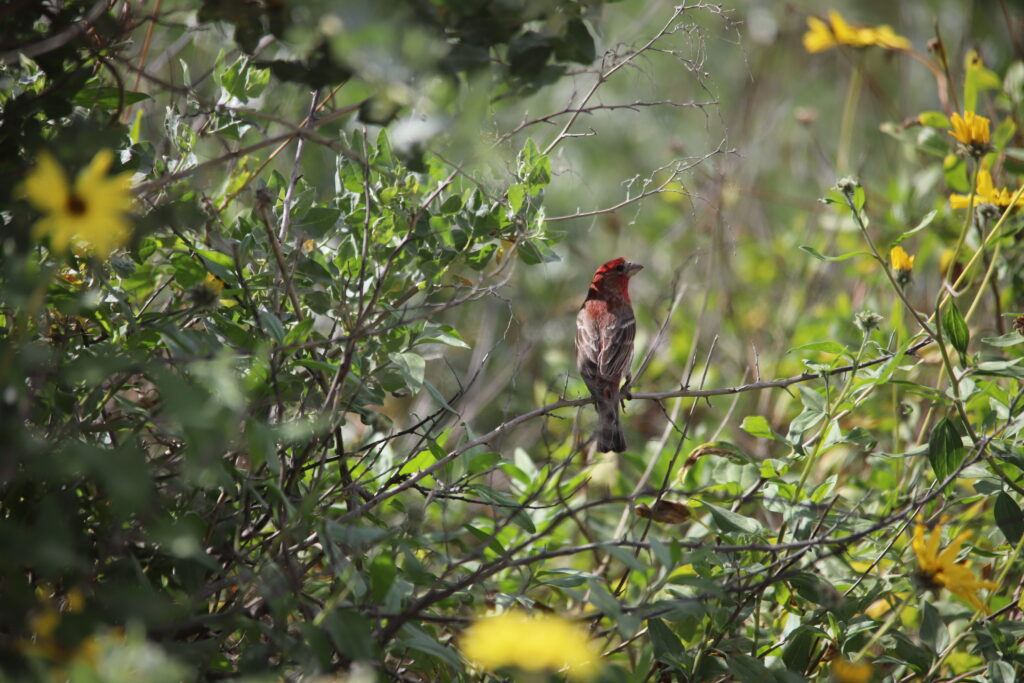
- Avian Life: Great blue herons, brown pelicans, and various raptors utilize the slough for foraging.
- Amphibians and Reptiles: The slough is home to native garter snakes and the elusive slender salamander, species that serve as bio-indicators of the wetland’s water quality.
- Vegetation: The native salt-marsh flora is essential for carbon sequestration and shoreline stabilization, protecting the campus from coastal erosion.
The Student Experience: Voices from the Field
For the UCSB student body, the reserve serves as a "third space"—somewhere between the dormitory and the classroom. The personal accounts of those who frequent the trails are a testament to the necessity of nature in high-stress academic environments.
"It just feels like a quiet break from everything, even if you’re right next to campus," notes an Environmental Studies student. This sentiment is echoed across disciplines. A student from the Earth Sciences department adds, "Once you actually stop and look, there’s so much going on. Birds and so many sounds; it’s definitely way more alive than you might think."
For those in the Seeds Club, the reserve is more than a scenic route to class. "Spaces like Coal Oil Point give students a controlled but natural environment to not just conduct research in, but also connect to it," says the club’s Communications Chair. "These spaces allow UCSB undergrads to be as close as possible to some of our beautiful native species."
Official Perspectives and Implications
The existence of the Coal Oil Point Reserve within the boundaries of a major research university carries significant implications for future conservation policy. It serves as a model for how educational institutions can act as custodians of the land.
"It reminds me that we live in nature, not just around it," says a board member of the UCSB Coastal Fund. "We should always keep working to ease the integration of people with our environment."
The implication is clear: if an institution as large and bustling as UCSB can successfully maintain a flourishing wetland on its doorstep, then similar integration is possible in urban environments worldwide. The challenge lies in the "human element"—ensuring that recreation, such as jogging, biking, and photography, does not compromise the sensitive nesting grounds of the snowy plovers or the water quality of the slough.
A Call to Mindful Stewardship
As we look toward a future defined by climate uncertainty, the importance of "micro-sanctuaries" like the Devereux Slough cannot be overstated. These spaces act as localized buffers against the broader impacts of climate change, providing cooling effects and essential wildlife corridors.
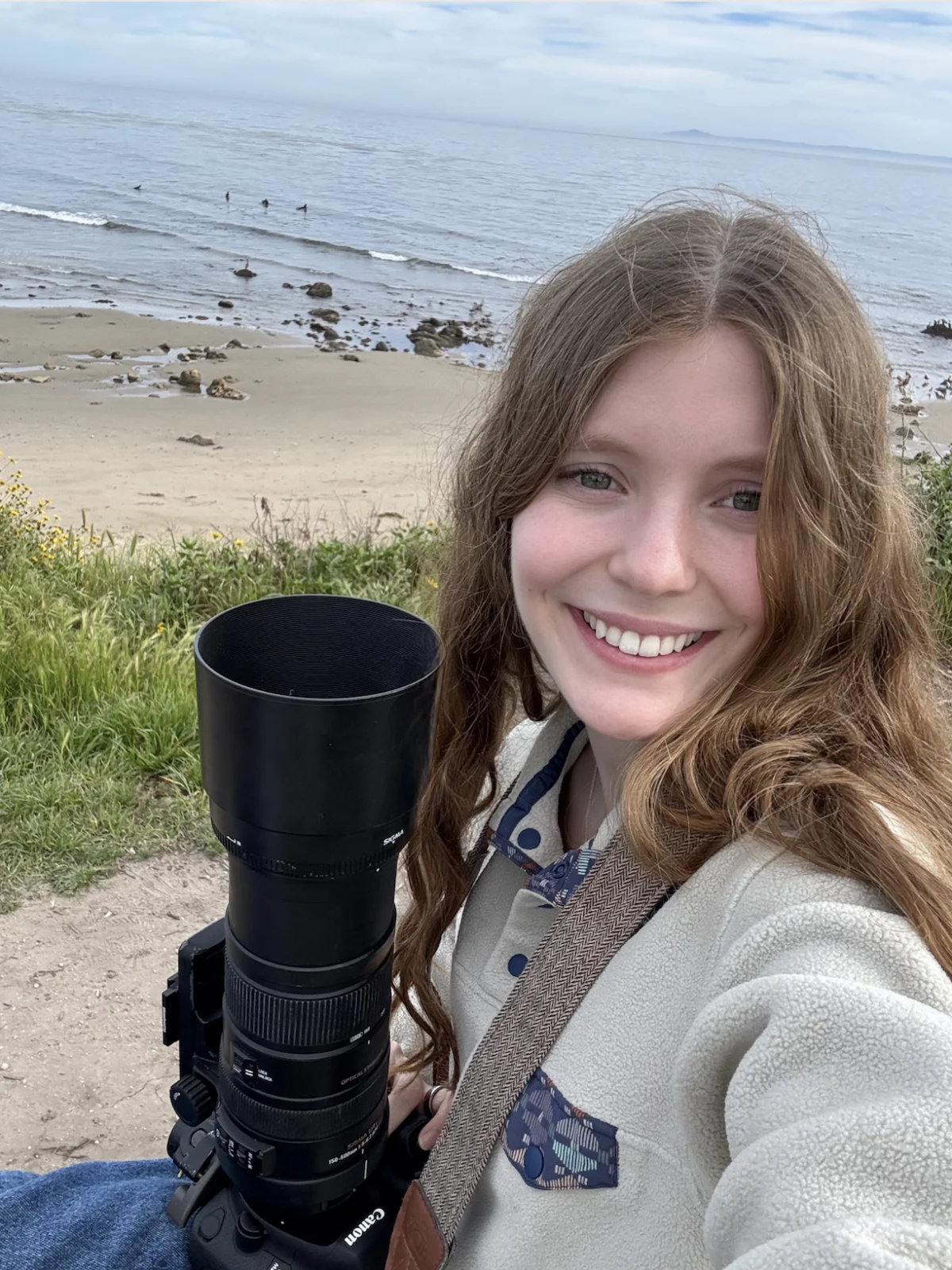
However, the preservation of these areas requires more than just policy; it requires a shift in public perception. As the communications intern for American Rivers who spent extensive time documenting this site, I have come to realize that the most powerful tool for conservation is simple: observation.
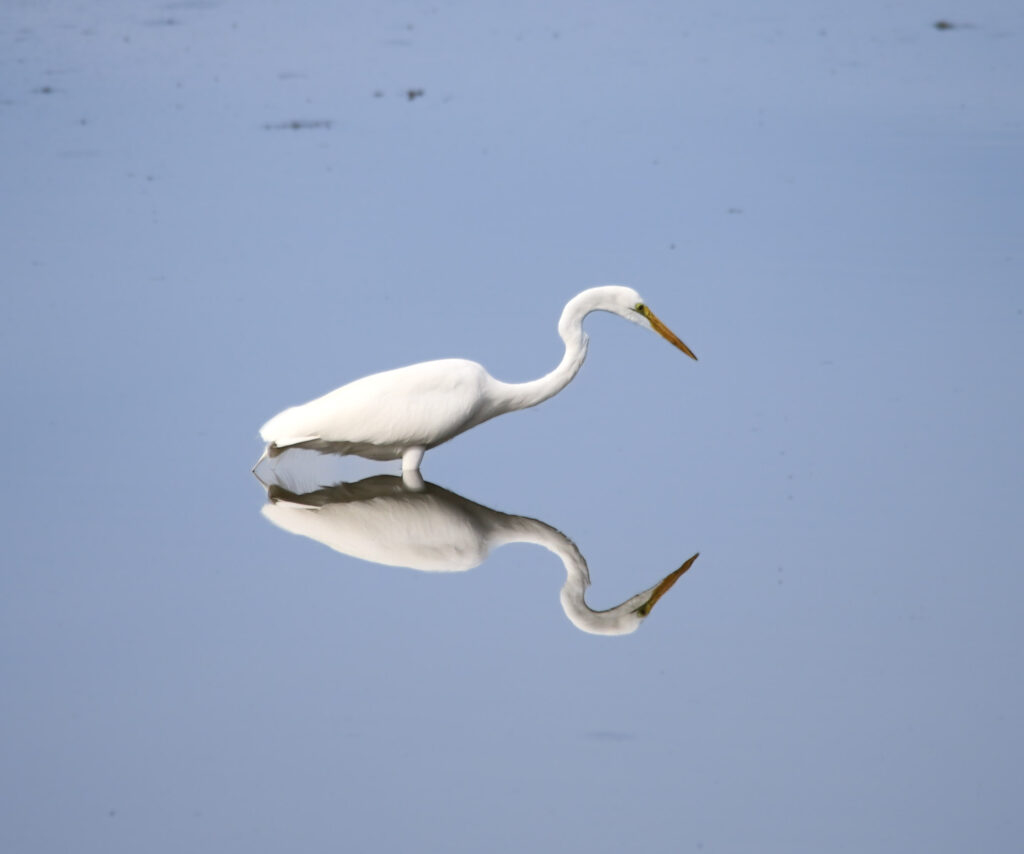
We often move through our days with our heads down, focused on the next deadline or the next notification. But the slough teaches us that there is value in the pause. When we stop to watch the egrets wade through the still water or listen to the wind rustling through the pickleweed, we are participating in the ecosystem. We are no longer just observers; we are stakeholders.
Conclusion: Why It Matters
The story of the Coal Oil Point Reserve is not just about birds, plants, or water. It is a story about the necessity of slowing down. In a world that is increasingly digitized and fast-paced, the slough serves as a grounding wire. It reminds us that we are biological creatures, fundamentally connected to the rhythms of the tide and the seasons.
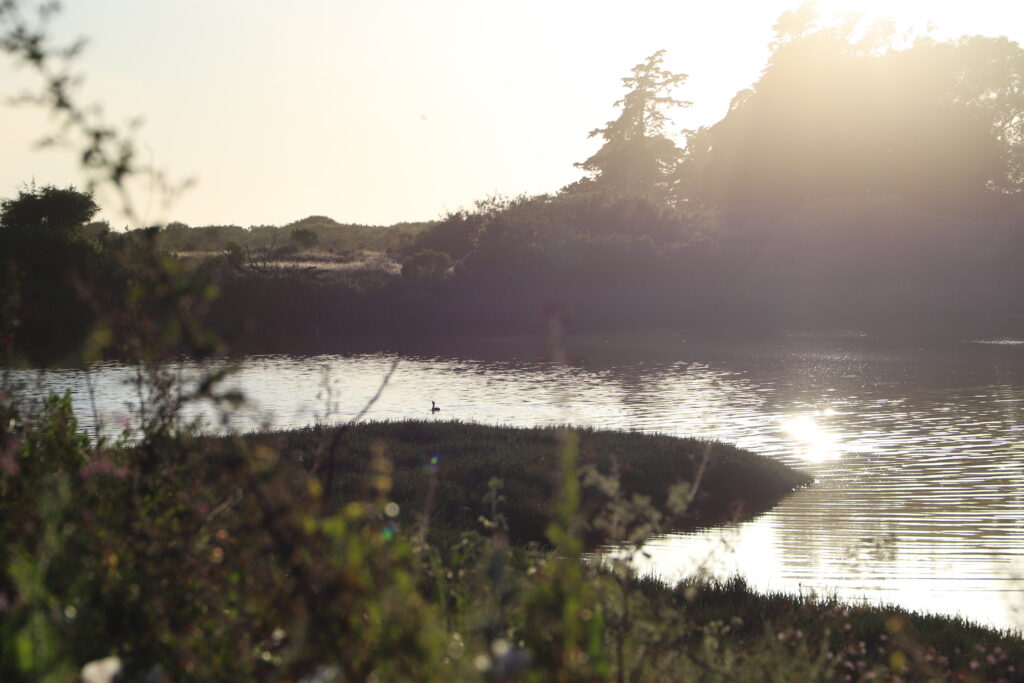
The next time you walk past your town’s natural oasis, I invite you to stop. Take five minutes. Watch the water, listen to the silence, and acknowledge the life that persists in the margins of our civilization. Conservation starts with the realization that a place exists, and it grows when we decide that it is worth protecting.
Devereux Slough is a quiet miracle on the edge of a busy campus. It is a testament to the idea that even in the midst of our modern, hectic lives, nature is never truly far away—if only we take the time to notice it.