Main Facts: The Shift from Technical Training to Recreational Adventure
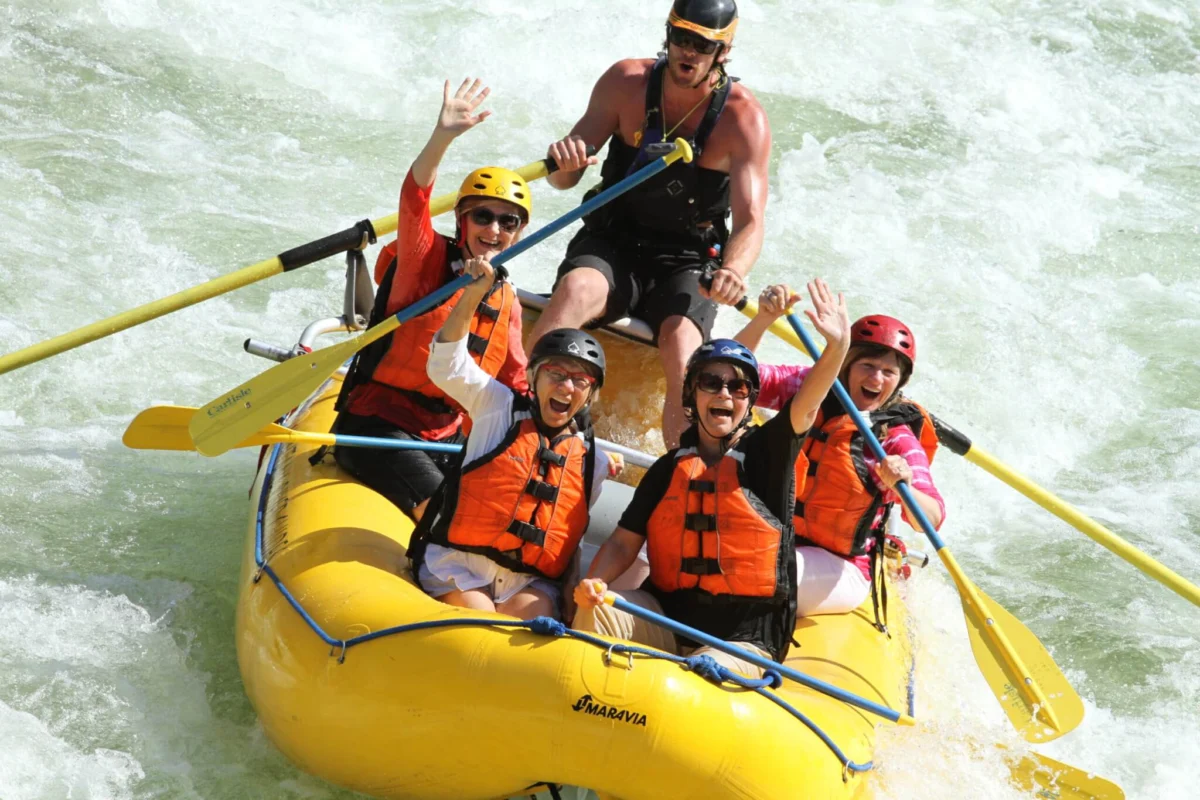
As the snowmelt subsides and the long, sun-drenched days of a Montana summer take hold, the rhythm of the Clark Fork River has fundamentally shifted. For the team at Montana River Guides, the conclusion of their intensive swiftwater rescue training season marks the beginning of their peak recreational window. With the transition to summer water levels, the legendary Alberton Gorge—located just a short drive from Missoula—has transformed into a playground of Class II and III rapids, offering the perfect balance of adrenaline and accessibility for rafters and kayakers alike.
The Alberton Gorge is currently operating at a flow rate of approximately 4,000 cubic feet per second (CFS). This volume is widely considered the “sweet spot” for local outfitters, providing enough momentum to carry rafts through technical features while maintaining a safety margin that welcomes families and novices. As the river settles into its summer cadence, Montana River Guides is opening its full suite of daily services, including guided whitewater rafting and scenic kayaking tours, inviting both locals and tourists to experience one of the state’s most iconic waterways.
Chronology: From Spring Melt to Summer Flows
The life cycle of the Clark Fork River is a subject of constant study by the professionals at Montana River Guides. The transition from the high-water, high-stakes environment of early spring to the technical, sun-warmed rapids of mid-summer is a process that dictates the operational focus of the company.
The Training Phase (Early Spring)
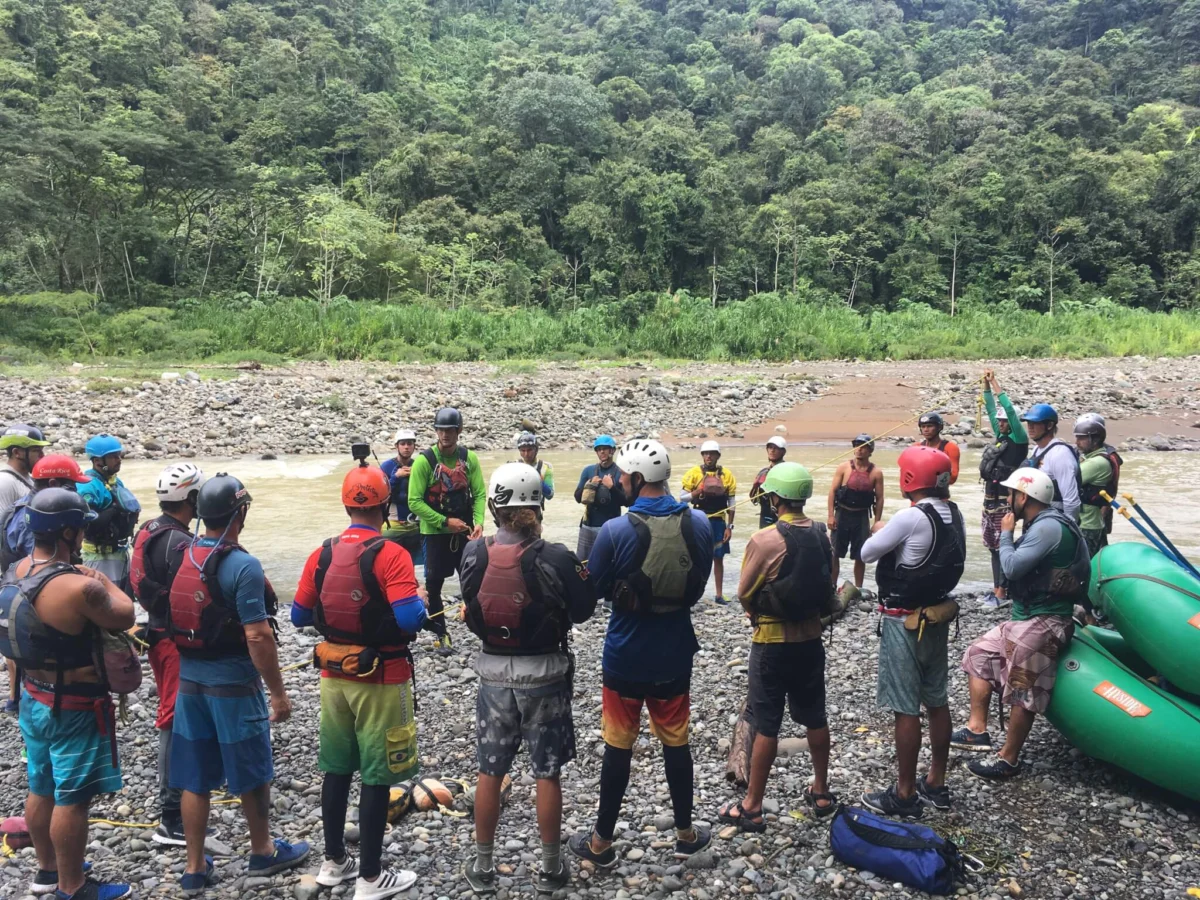
During the months of April and May, the river is often volatile. This is the period when Montana River Guides shifts its focus toward education. The “Swiftwater Rescue” curriculum, which serves as a cornerstone of the company’s mission, is conducted during these higher-flow periods. It is here that professional guides, emergency responders, and recreationalists hone their ability to manage risk. The focus is on self-rescue techniques, mechanical advantage systems, and the physics of moving water.
The Transition (June)
As June progresses, the “freshet”—the rush of snowmelt from the high country—begins to taper. The water temperature warms, and the river begins to reveal its underlying structure. During this transition, rocks in the upper gorge begin to emerge, changing the navigation lines that guides must memorize and respect.
The Recreational Peak (July–August)
By the time July arrives, the river has stabilized. The current flows of 4,000 CFS represent a reliable, consistent environment. This is the period of maximum engagement for the public. The daily operations now focus on the guest experience, moving from the technical rigor of the spring training months to the hospitality-driven world of guided river adventures.
Supporting Data: Navigating the Alberton Gorge
Understanding the hydrology of the Clark Fork is essential for anyone venturing onto the water. At 4,000 CFS, the river provides a specific set of challenges and rewards.
Navigating Key Rapids
- Tumbleweed and Fang Rapids: These are the highlights of the Alberton Gorge experience. Even at summer flows, these features possess enough hydraulic power to test a paddler’s balance. The data suggests that at these levels, the probability of "swimmers" (individuals falling out of a raft) remains consistent, providing that classic whitewater thrill without the overwhelming danger of peak runoff.
- The Upper Gorge Structure: As the water level drops, the geology of the riverbed becomes more prominent. The emerging rocks mentioned by the guides serve as natural obstacles that require precise steering. This makes the river more "technical," meaning it rewards paddlers who pay attention to eddy lines and current shifts rather than those who simply rely on the power of the water to carry them downstream.
Safety Protocols
Montana River Guides emphasizes a culture of safety. Despite the "friendly" nature of Class II and III rapids, the company mandates that all participants utilize appropriate Personal Protective Equipment (PPE), including coast-guard-approved life jackets and helmets. Their data-driven approach to safety ensures that they maintain a record of incidents that is well below the industry average, largely due to their pre-trip safety briefings and the constant vigilance of their certified guides.
Official Responses: Expertise and Stewardship
In a statement regarding the current state of the river, lead instructors at Montana River Guides emphasized the importance of community and situational awareness.
"We know you are all wearing the right gear and keeping an eye on each other," the company noted in a recent briefing. This philosophy of "mutual aid" is central to the Montana river culture. By encouraging guests to act as active participants in their own safety, the guides foster an environment of shared responsibility.
Regarding the transition into their upcoming specialized training modules, the company highlighted a unique intersection of recreation and utility. Later this summer, Montana River Guides will pivot back toward professional instruction with their Swiftwater Spill Response classes.
Bridging the Gap: Spill Response
The upcoming training sessions on the Clark Fork are designed for a different demographic: environmental professionals and wastewater management teams. "We’ll cover swiftwater rescue basics and equipment on day one," the company spokesperson stated. "But the core of the program is learning how to safely deploy spill response equipment in wastewater environments." This illustrates the multifaceted nature of the company—they are not merely a tourism outfitter, but a critical hub for technical water safety and environmental protection in the Missoula area.
Implications: The Long-Term Impact on Montana’s River Culture
The implications of a robust summer season on the Clark Fork extend beyond the immediate satisfaction of tourists.
Economic and Environmental Stewardship
By hosting daily tours, Montana River Guides plays a significant role in the local Missoula economy. However, their influence is perhaps more vital in the realm of environmental stewardship. Every guest who experiences the Alberton Gorge leaves with a greater appreciation for the health of the Clark Fork River. When people interact with the river as a source of recreation, they become more likely to advocate for its protection against pollution and mismanagement.
The Value of Professional Training
The decision to offer Swiftwater Spill Response training in addition to recreational rafting signifies a maturing industry. In an era where climate change may impact water levels and industrial accidents remain a constant threat, having a group of trained professionals capable of operating in moving water is a public safety asset. The Clark Fork is not just a destination for thrills; it is a resource that requires trained guardians.
Looking Toward the Future
As the summer progresses, the focus for the local community remains on maximizing the short window of ideal weather. For the guides at Montana River Guides, this means continuing to balance the demand for adventure with the necessity of safety. Whether it is navigating the technical boulders of the upper gorge or teaching professionals how to contain a chemical spill in a moving current, the company remains at the heart of the Missoula river experience.
For those looking to engage with the river, the message is clear: the water is at the perfect level, the guides are prepared, and the season is waiting. Whether you are a first-time rafter looking to navigate the Tumbleweed rapid or a professional seeking advanced spill response certification, the Clark Fork River remains a vital, flowing, and ever-changing monument to the Montana spirit.
For further information regarding guided trips or technical training registration, interested parties are encouraged to contact Montana River Guides through their official portal. As always, the river reminds us that safety is a shared journey—keep your eyes on the horizon, your gear secured, and your respect for the water at the forefront of your adventure.