The global energy landscape is undergoing a profound transformation. As the demand for 24/7, carbon-free baseload power skyrockets—driven largely by the voracious energy requirements of the artificial intelligence boom and the rapid expansion of hyperscale data centers—the world is looking beneath its feet. Long considered a niche, geographically constrained power source, geothermal energy is finally stepping into the spotlight as a primary contender in the quest for net-zero.
With the introduction of the Next-Generation Geothermal Research and Development Act in the US Senate this April, a clear signal has been sent: the era of "fringe" geothermal is over. The bipartisan legislation aims to accelerate the commercialization of next-generation technologies that promise to liberate geothermal from its reliance on tectonically active zones, potentially transforming it into a scalable, ubiquitous pillar of the future power grid.
The Technological Frontier: Breaking the Geological Chains
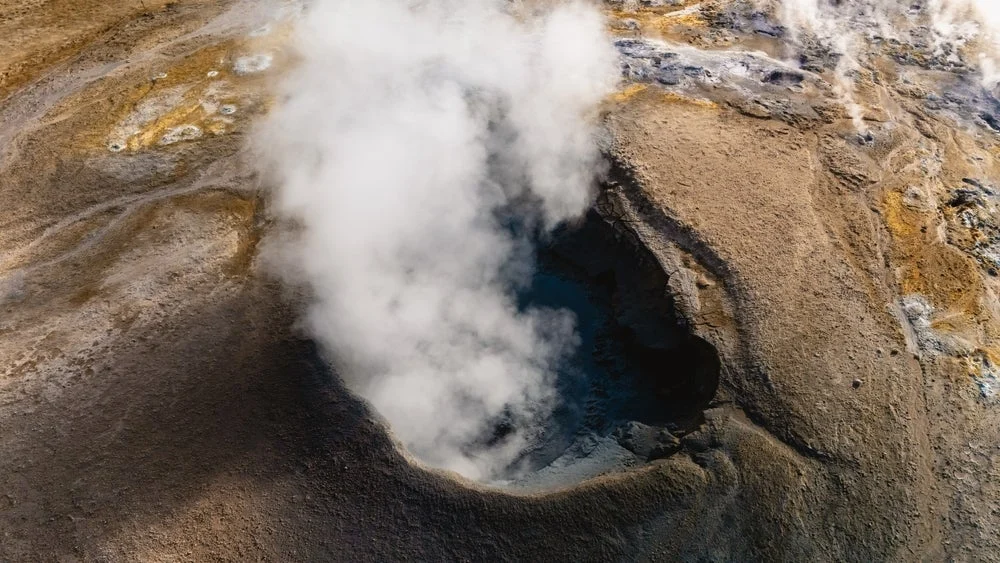
For decades, geothermal energy was confined to "hot spots"—regions like Iceland, the Philippines, and California’s Geysers, where volcanic activity provided easily accessible steam. However, the industry is currently benefiting from a massive technological transfer from the oil and gas sector.
The application of advanced horizontal drilling and hydraulic fracturing techniques has birthed two game-changing categories of development:
- Enhanced Geothermal Systems (EGS): By artificially creating permeability in hot, impermeable rock, EGS allows developers to access the earth’s heat in vast regions previously deemed unsuitable. Project Red, a landmark partnership between Google and Fervo Energy, successfully brought the world’s first commercial EGS facility online in 2023, providing 3.5MW of power to Nevada’s data center grid.
- Advanced Geothermal Systems (AGS): These "closed-loop" technologies extract heat through conduction, circulating a working fluid through a sealed underground loop. This eliminates the need to pump up geothermal brine, mitigating risks associated with fluid disposal and reservoir depletion.
Chronology of a Resurgence: From Niche to Necessity
The current momentum is not a sudden fluke but the result of a multi-year convergence of economic and technical factors:
- 2020–2022: The "missing middle" in financing began to close as private equity and venture capital firms recognized the untapped potential of geothermal startups. The success of pilot projects demonstrated that oil and gas service companies, such as Baker Hughes, possessed the precise drilling expertise required to scale these systems.
- 2023: A watershed year marked by the launch of Fervo Energy’s Project Red. It proved that "next-gen" geothermal could provide the firm, reliable power that wind and solar cannot guarantee on their own.
- 2024: Corporate giants, specifically tech leaders with massive AI computing needs, began aggressively seeking "firm" clean power. Geothermal moved from a corporate sustainability talking point to a critical infrastructure requirement.
- April 2025: The introduction of the Next-Generation Geothermal Research and Development Act signaled the beginning of a concerted federal effort in the US to standardize and subsidize the next phase of sector growth.
Supporting Data: The Case for Exponential Growth
While geothermal currently contributes less than 1% to the global electricity mix, the International Energy Agency (IEA) projects a seismic shift. Their models suggest that geothermal could account for as much as 15% of electricity demand growth through 2050.
In the United States, the market is poised for steady, robust growth. Analysts forecast a compound annual growth rate (CAGR) of 3.3% between 2026 and 2034, starting from a valuation of $2.34bn in 2025. This growth is underpinned by the realization that geothermal is a "firm" resource—it provides power 24 hours a day, 365 days a year, unlike intermittent renewables.
Expert Insight: An Interview with Florent Rousset, Baker Hughes
To understand the mechanics of this shift, we spoke with Florent Rousset, Vice-President of Geothermal at Baker Hughes.
ET: Why is geothermal suddenly dominating energy conversations?
FR: The drivers vary by region. In North America, it’s the intersection of data center expansion and the return of domestic manufacturing. In Europe, it’s about energy security and decarbonizing district heating. In emerging markets like Kenya or the Philippines, it’s about reliable, indigenous power. Crucially, the technology has caught up to the ambition. We are no longer limited to volcanic regions; we are drilling into heat, regardless of the geological "luck" of the location.
ET: Is there a significant appetite from major oil and gas operators?
FR: Absolutely. The skill sets—directional drilling, reservoir modeling, materials science—are essentially identical to those used in the oil and gas industry. For an operator, transitioning to geothermal is a natural hedge. It’s about diversifying their energy portfolio. While the return on investment (ROI) profile differs from traditional hydrocarbons, the stability of geothermal revenue is increasingly attractive to utilities and corporate energy buyers.
ET: How do we scale to the 15% mark by 2050?
FR: We must move away from "bespoke" projects. The industry is adopting a "cluster" approach: standardized modules of wells and power conversion units that can be replicated across a site. By treating geothermal projects more like manufacturing than wildcat drilling, we drive down costs through repetition and gain the speed necessary to meet the 2050 targets.
Implications: The Geopolitical and Economic Ripple Effects
The rise of geothermal energy promises to reshape global energy geopolitics. Unlike oil, which is a commodity prone to market volatility and geopolitical leverage, geothermal is a domestic, "under-your-feet" resource.
1. The Energy Security Dividend
Countries that rely heavily on imported natural gas or coal for baseload power will find in geothermal a path toward true energy sovereignty. By harnessing local heat, nations like Indonesia, Japan, and Taiwan can insulate their economies from global energy price shocks.
2. The "Data Center" Economy
The tech industry is perhaps the most influential catalyst for geothermal’s current boom. As hyperscalers (Google, Microsoft, Amazon) face massive pressure to power their data centers with 24/7 carbon-free energy, they have become the primary "offtakers" for geothermal power. This demand provides the long-term price certainty that banks need to fund massive, capital-intensive geothermal projects.

3. The Industrial Pivot
For the oil and gas sector, geothermal represents a life raft in an era of energy transition. It allows these companies to utilize their existing workforce, intellectual property, and supply chains to provide a product that is unequivocally "green." It is a rare example of a technological pivot that preserves jobs while solving a climate crisis.
Overcoming the Final Hurdles
Despite the optimism, the path to a geothermal-dominated future is not without its obstacles. As Rousset highlights, the "missing middle" in financing remains a concern. While early-stage venture capital is plentiful and established projects can secure bank loans, the transition phase—where a company needs to scale from a single pilot well to a 100MW field—remains capital-intensive and risky.
Furthermore, permitting remains a significant bottleneck. In many jurisdictions, the regulatory framework for geothermal is still entangled with mining or oil and gas laws that were not designed for renewable heat extraction. Streamlining these processes, as the US is attempting with its latest act, is the single most important administrative step to unlocking the sector’s potential.
Conclusion: The Time for the Pivot is Now
The case for geothermal energy has never been stronger. With the technological readiness of EGS, the insatiable demand for firm, clean power from the tech sector, and the availability of world-class drilling expertise from the oil and gas industry, the stars have aligned.
As the world races toward 2050, geothermal is no longer just a "promising alternative"—it is a necessity. By leveraging the earth’s natural heat, we are not just tapping into a renewable resource; we are tapping into a foundation for a stable, resilient, and carbon-free future. The industry is ready, the capital is beginning to flow, and the technology has arrived. The question is no longer if geothermal will play a major role in our energy mix, but how fast we can scale it to meet the demands of a new century.