Date: July 28, 2026
Author: Samuli Haapasalo (Vuosi luonnossa)
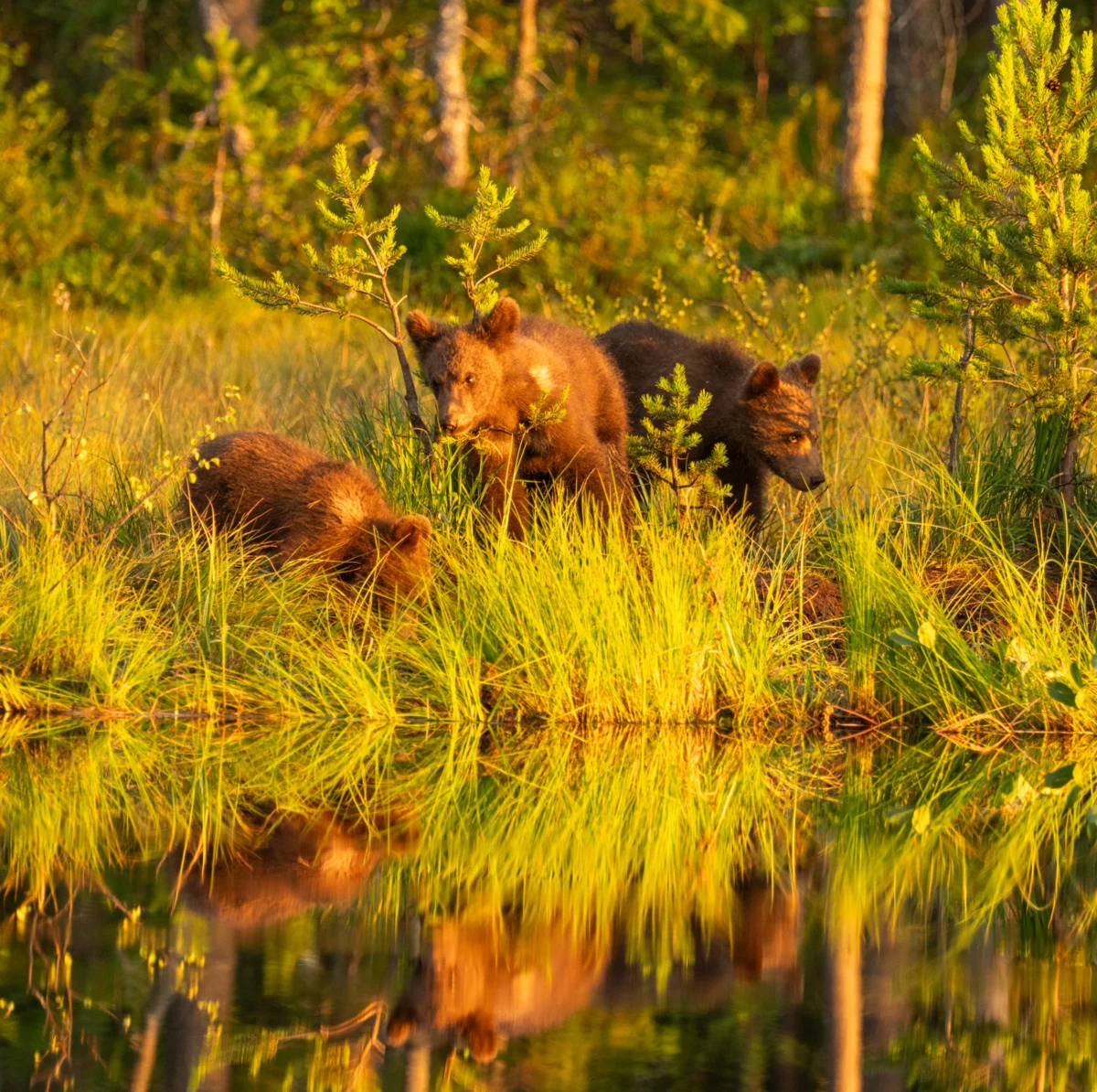
In the heart of the Martinselkonen wilderness, where the ancient spruce forests meet the expansive, mist-draped mires, a scene of timeless wild beauty unfolds. As the July sun hangs low in the northern sky, casting long, golden shadows across the moss-covered landscape, a mother bear and her two cubs emerge from the protective veil of the taiga. For the observer, it is a rare window into the private life of Europe’s most iconic apex predator.
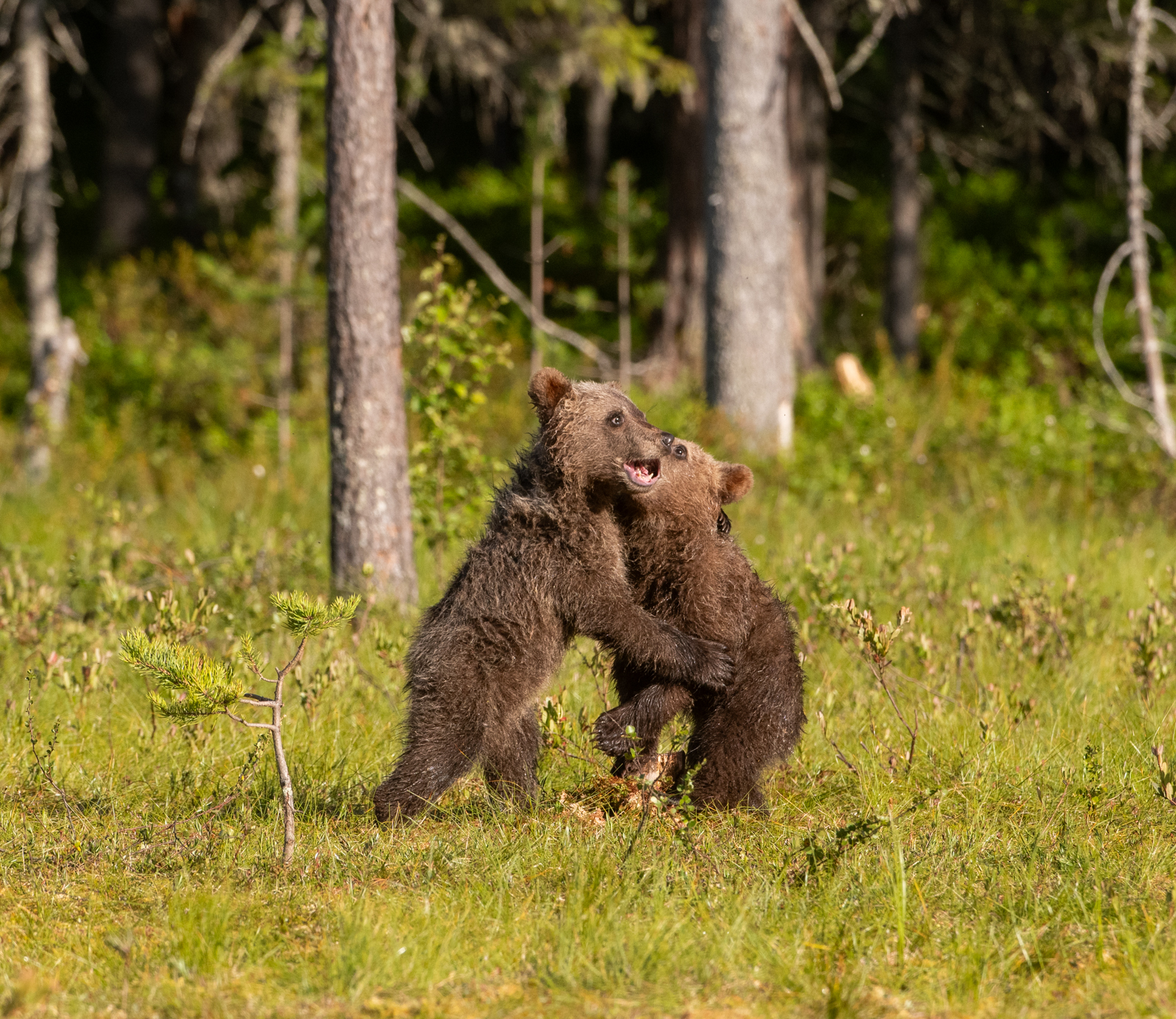
The Dance of the Wild: A Display of Instinct
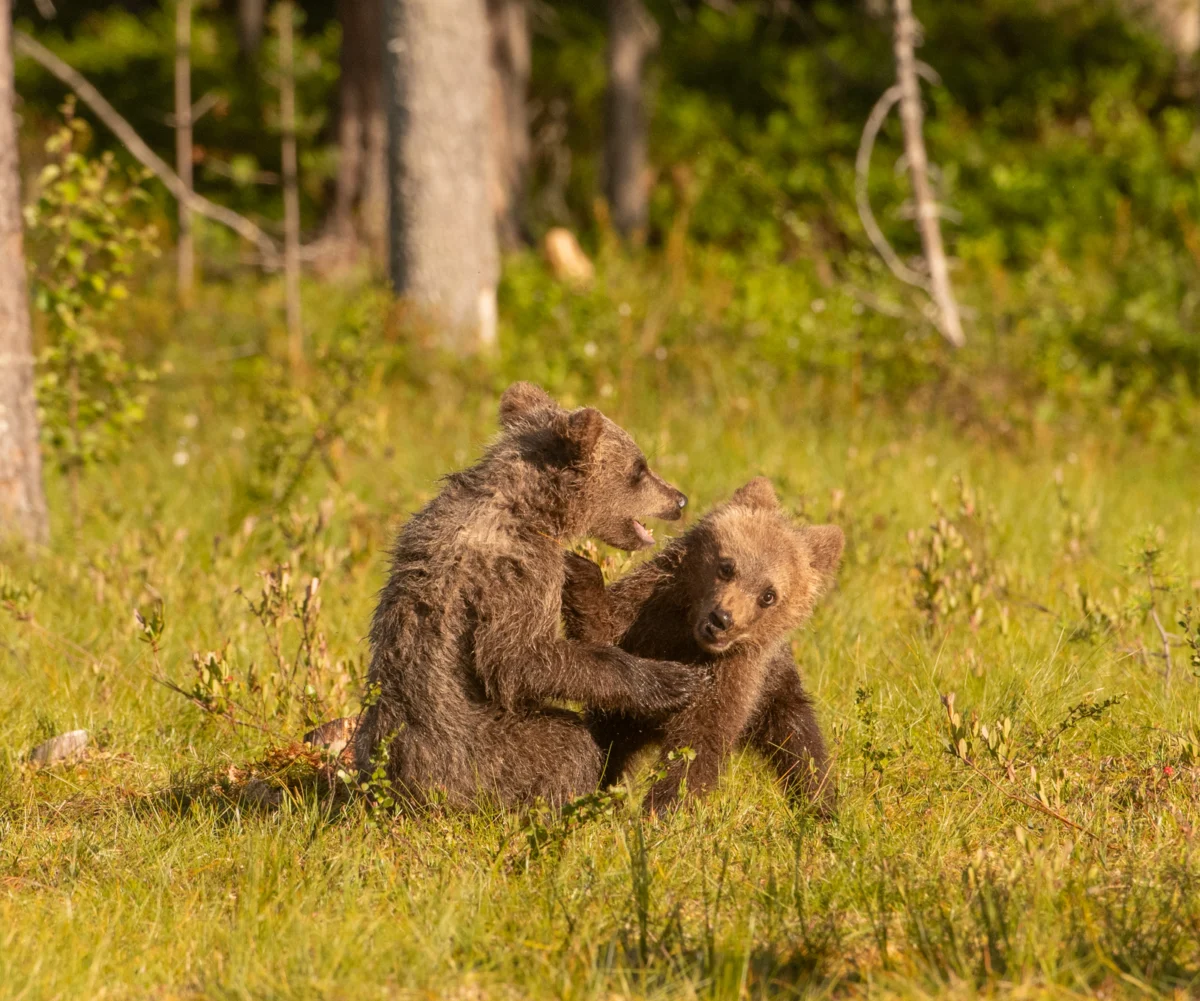
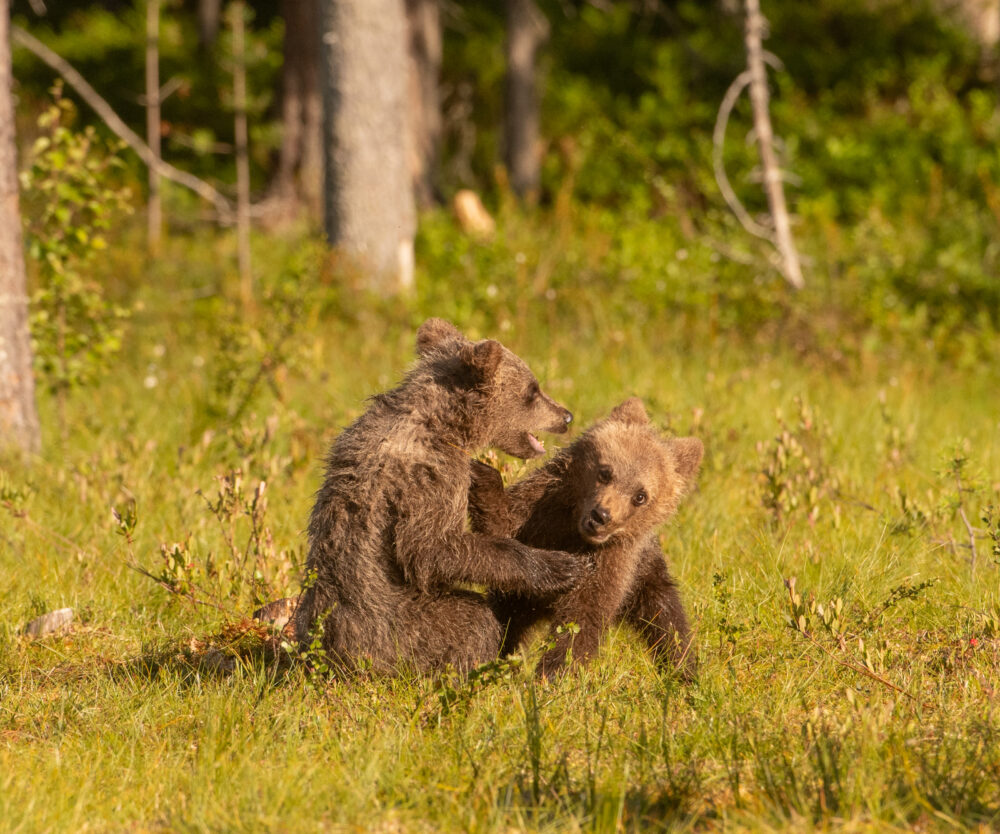
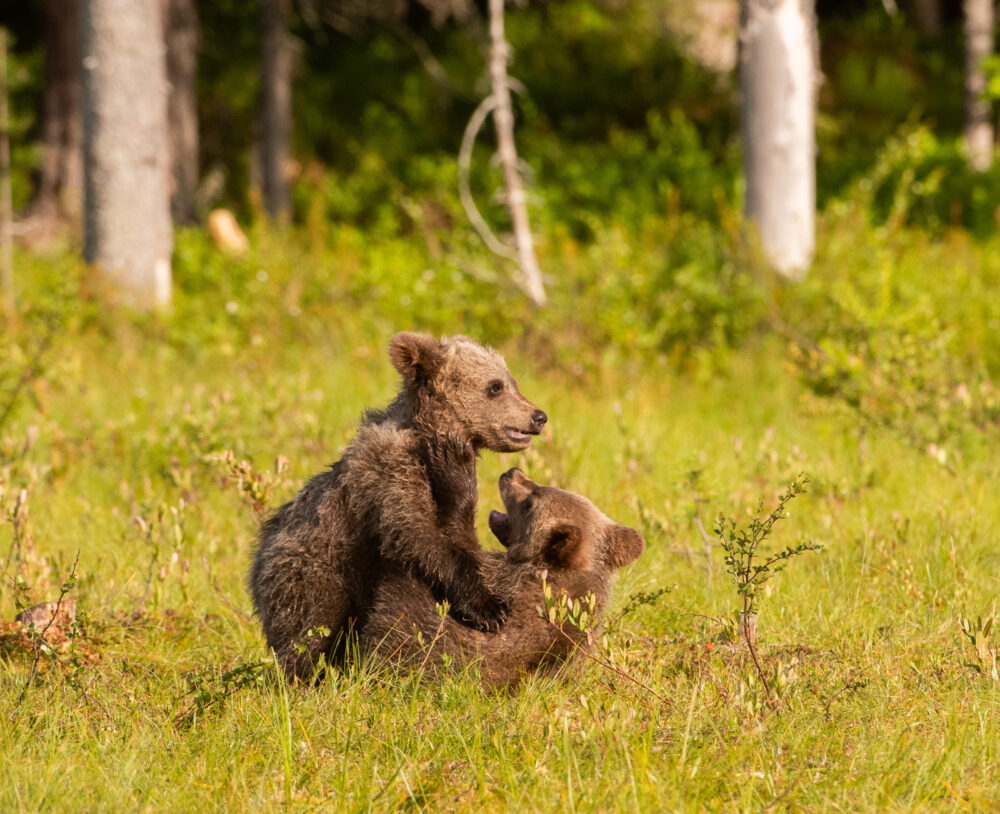
The atmosphere on the edge of the open mire is electric. The cubs, driven by an inexhaustible reservoir of juvenile energy, immediately initiate what can only be described as a masterclass in wrestling. In the literature of the Finnish wild, this playful combat is affectionately termed "ristipaini" (cross-wrestling)—a nod to the spirited, tumbling antics famously described in Aleksis Kivi’s Seven Brothers.
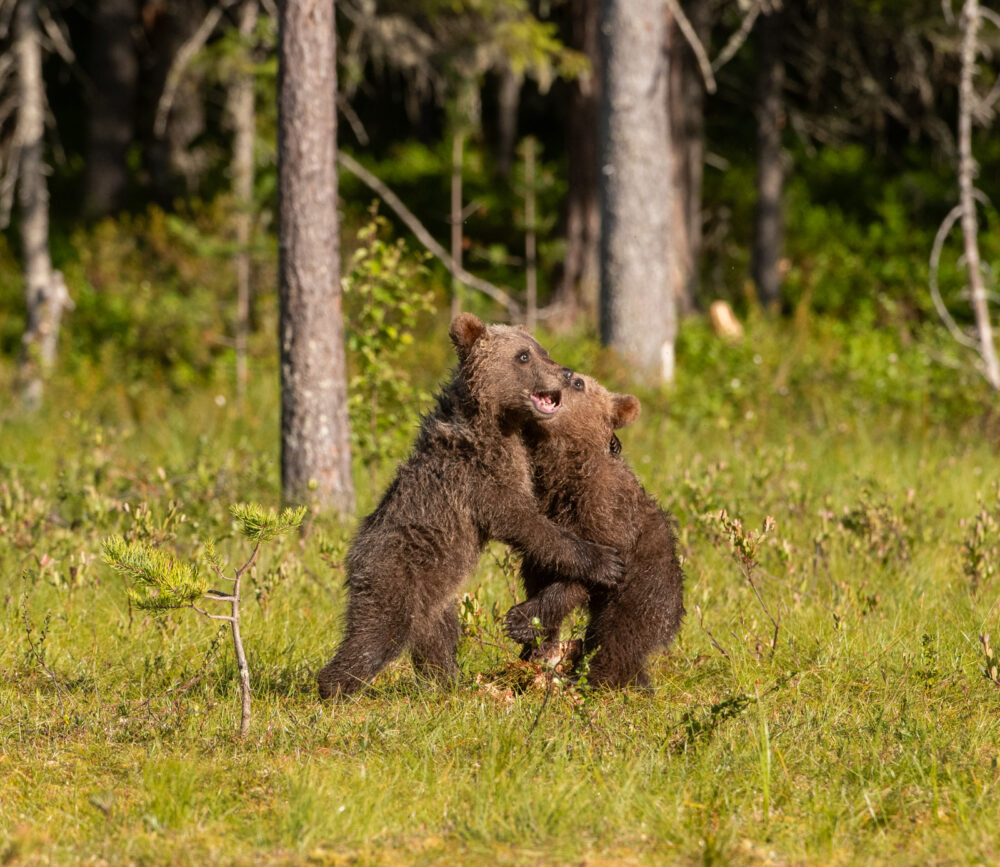
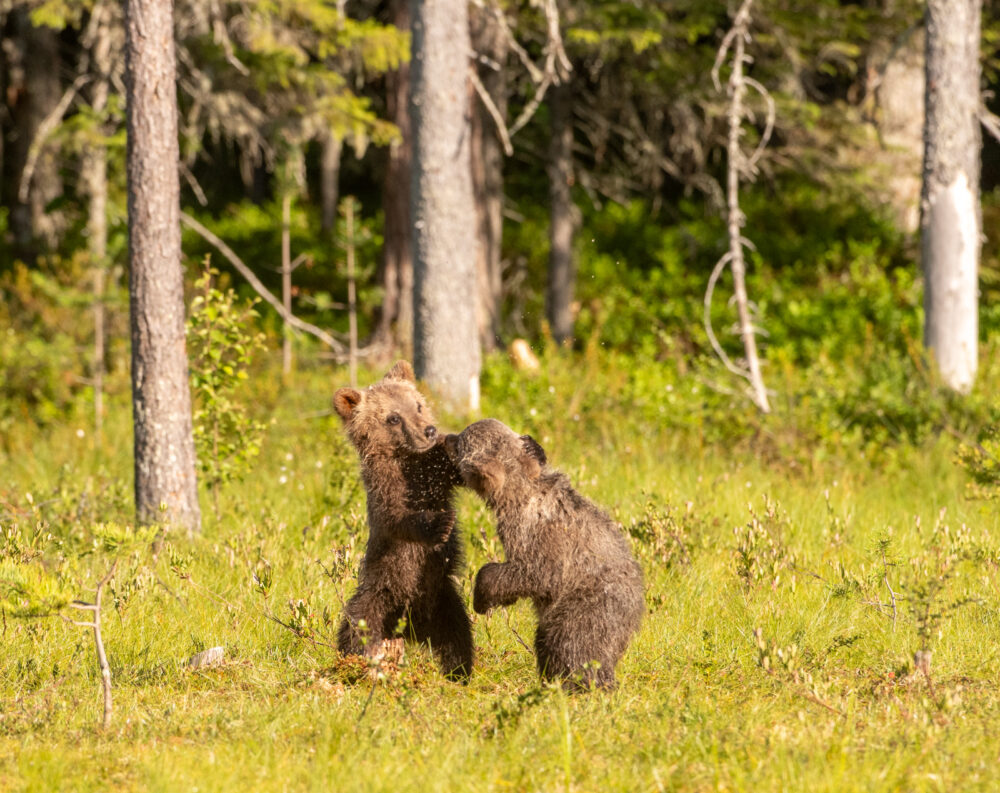
The choreography of the cubs is both chaotic and precise. There are neck locks, gravity-defying tosses, rolling maneuvers, and tactical pins that mimic the survival skills they will require in adulthood. Despite the intensity of the struggle, the interaction is strictly social; these are lessons in strength and coordination, conducted without malice. They tumble through the soft sphagnum moss, their dark coats contrasting sharply against the bright, open expanse of the bog, while the towering silhouettes of ancient pines and wind-sculpted kelo trees stand as silent sentinels over their play.
Chronology of the Encounter
The observation took place during the peak of the mid-summer season, a time when the Finnish wilderness is most vibrant.
- 18:00: Arrival of the mother bear and her two cubs at the periphery of the Martinselkonen mire. The mother displays characteristic caution, scent-testing the breeze before allowing the cubs to venture into the open.
- 18:15: The "wrestling match" commences. The cubs engage in high-intensity physical play for nearly forty minutes, testing their balance and endurance.
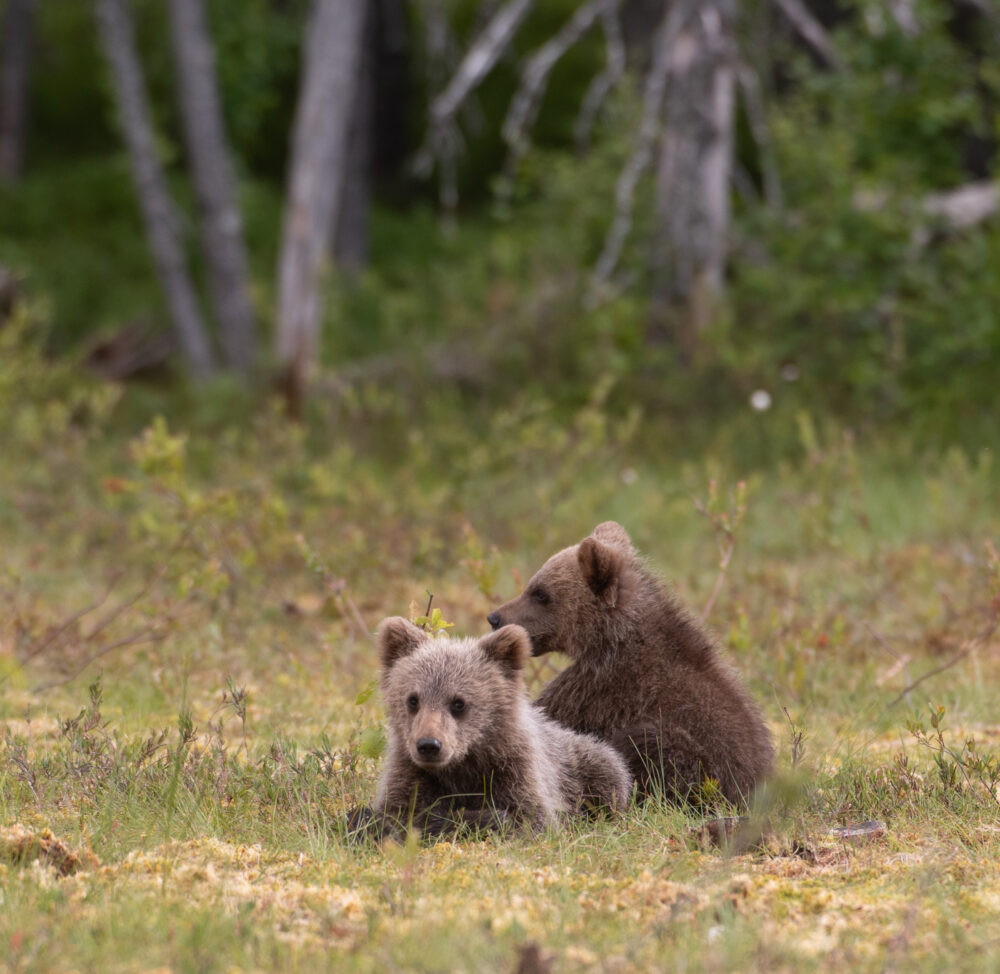
- 18:55: A period of respite. The mother, ever vigilant, begins foraging, while the exhausted cubs seek the comfort of the forest edge, where long, flowing curtains of lichen hang from the branches like natural tapestries.
- 19:30: The family unit retreats deeper into the forest, disappearing into the dense, dark coniferous cover as the evening light begins to fade.
Supporting Data: Understanding Bear Demographics
While this particular sighting featured two cubs, the biological reality of Ursus arctos in Finland is marked by significant variability. Typically, a female bear produces litters ranging from one to four cubs. While two or three is the statistical norm, rare cases of four-cub litters have been documented. Finland holds records of exceptionally large litters, including two historical instances of five cubs, though such occurrences are biological outliers.
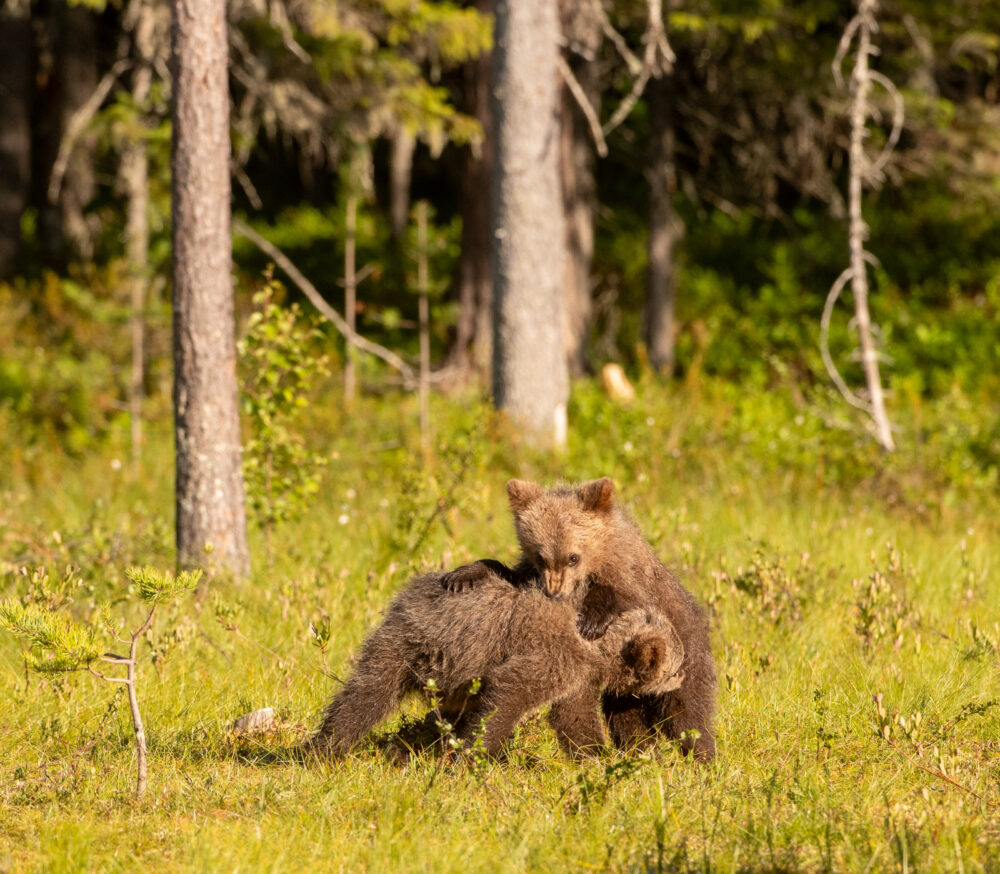
The reproductive cycle of the brown bear is one of nature’s most fascinating strategies. Females typically give birth every two to four years. The cubs are born during the deep winter, while the mother is still in a state of hibernation. They remain in the warmth of the winter den, nursing and growing, before emerging into the spring world. The bond remains strong well into their second year, with the cubs often sharing the mother’s winter den during their second hibernation.
Survival, however, is a harsh metric. Not every cub reaches maturity. Factors such as disease, lack of food, and interactions with adult male bears pose constant threats to the survival of a litter. The sight of two healthy, active cubs is a testament to the mother’s success in providing sustenance and protection in a challenging, albeit resource-rich, habitat.
Expert Perspectives and Human-Bear Coexistence
The brown bear is more than just a forest inhabitant; it is a keystone species and a symbol of the Finnish wilderness. From an ecological standpoint, their presence indicates a healthy, functioning ecosystem. However, as human activities increasingly overlap with bear habitats, the importance of education cannot be overstated.
"The bear is a magnificent animal, a sovereign of the forest," notes the field observation report. "It deserves our respect, our protection, and, most importantly, our distance."
When asked about safety in bear country, experts emphasize a single, critical rule: Never place yourself between a mother and her cubs. A sow with cubs is inherently protective, and any perceived threat to her offspring will trigger a defensive response. To mitigate the risk of a surprise encounter, hikers are advised to make noise—talk, sing, or whistle—while moving through dense brush. This gives the bear ample opportunity to identify the human presence and move away, as bears generally prefer to avoid human contact whenever possible.
Implications for Conservation
The stewardship of these animals is a reflection of the nation’s commitment to its wild heritage. In Finland, the bear population is managed through a delicate balance of conservation and regulated hunting to maintain stability and mitigate conflicts with human interests.
The "Year in Nature" project underscores that the bear’s value lies in its role within the forest’s natural ecology. The creature, with its enigmatic winter sleep and the tender nurturing of its young, demands a degree of space that allows it to behave naturally.
As urban expansion continues to put pressure on rural landscapes, the preservation of large, contiguous tracts of forest like those in the Martinselkonen area becomes vital. These corridors ensure that bears can move, forage, and raise their young without the constant stress of human proximity.
Final Reflections
Watching the cubs wrestle in the twilight of the Finnish summer, one is reminded of the profound simplicity of the natural order. These animals are the living legacy of a vast, untamed northern landscape. They are a reminder that beneath the surface of our modern lives, there exists a world driven by ancient instincts and the simple, rhythmic pulse of the seasons.
To protect the bear is to protect the integrity of the Finnish forest itself. As we move further into the 21st century, the ability to coexist with such powerful, wild neighbors will be the true test of our environmental maturity. We do not own the forest; we share it. And in that sharing, we find a responsibility that transcends borders and generations: to ensure that when the next generation of cubs emerges into the light of a summer evening, they find a wilderness that is still wild, still quiet, and still theirs.