Introduction: The Foothills Frontier
The dawn broke over the Blackstone River not with a whisper, but with the shivering realization that alpine camping—even in the relative comfort of a gravel bar—demands a certain resilience. Located in the rugged transition zone between the Canadian Rockies and the Alberta foothills, just north of Highway 11, the Blackstone River serves as a quintessential, albeit challenging, destination for the dedicated angler.
For those who venture off the Forestry Trunk Road, the Blackstone offers more than just scenic vistas; it presents a unique ecological theater where the elusive Bull Trout, a species often associated with aggressive, sub-surface predation, defies convention by rising to dry flies. This article explores the logistics, the strategy, and the sheer thrill of pursuing one of Alberta’s most iconic apex predators in its native, winding habitat.
Chronology of the Expedition
The excursion began with the logistical realities of remote wilderness travel. Arriving at the river at approximately 10:00 PM, the party was forced to navigate the setup of camp under the shroud of darkness. By 6:00 AM, the cold—a brisk 30°F (approx. -1°C)—and the inevitable discomfort of a thin sleeping pad on rocky terrain ensured an early, if somewhat groggy, start.
To bypass the lethargy of a fellow angler, the morning routine was deliberately punctuated by the sounds of camp preparation. By mid-morning, the team was on the water, working downstream from the campsite. The initial hour yielded little success, a common occurrence in the technical, structure-heavy waters of the foothills. However, the discovery of a deep, crystalline pool near a river bend marked the turning point. Observing surface activity, the decision was made to experiment with fly selection, shifting from standard prospector patterns like the Red Humpy and Stimulator to more specific offerings.
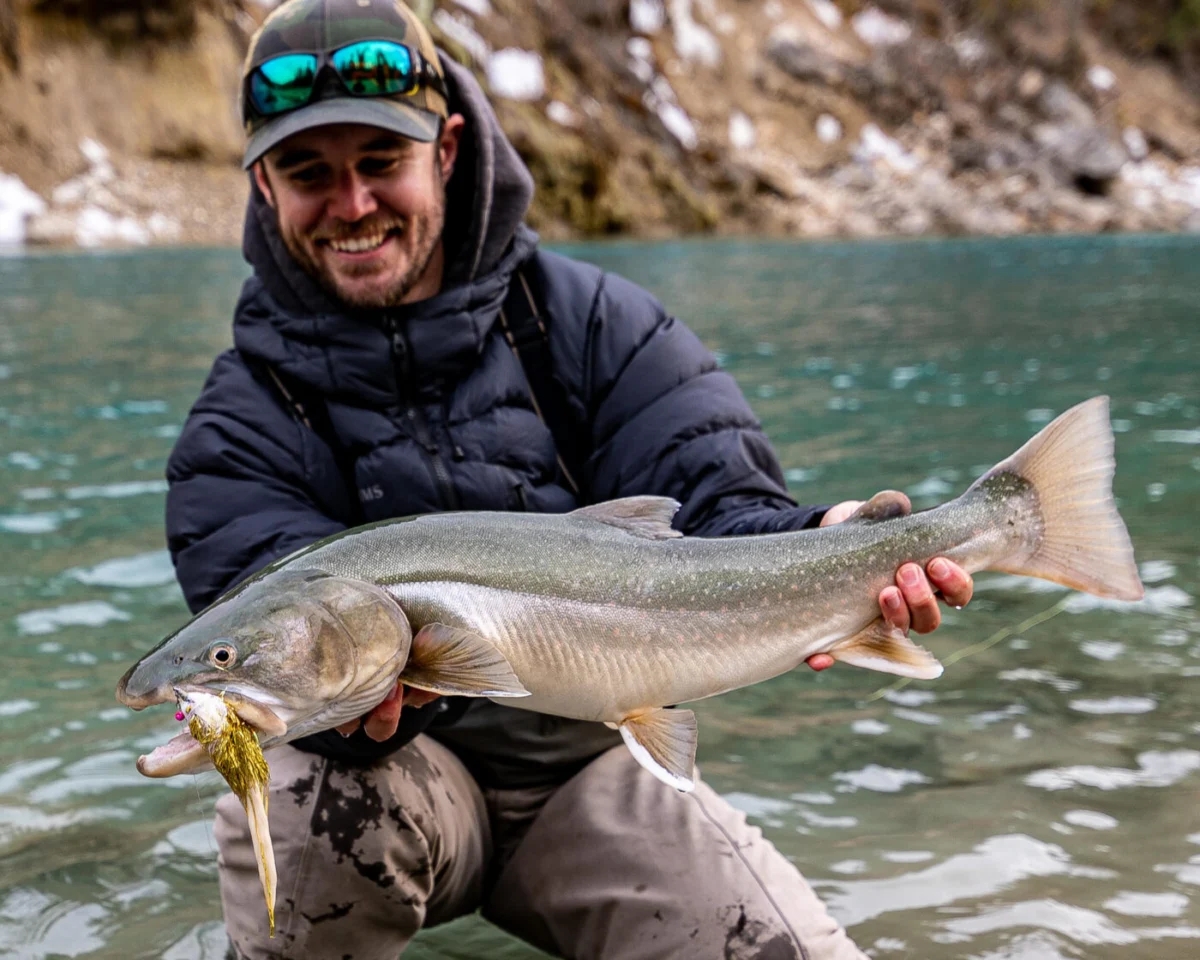
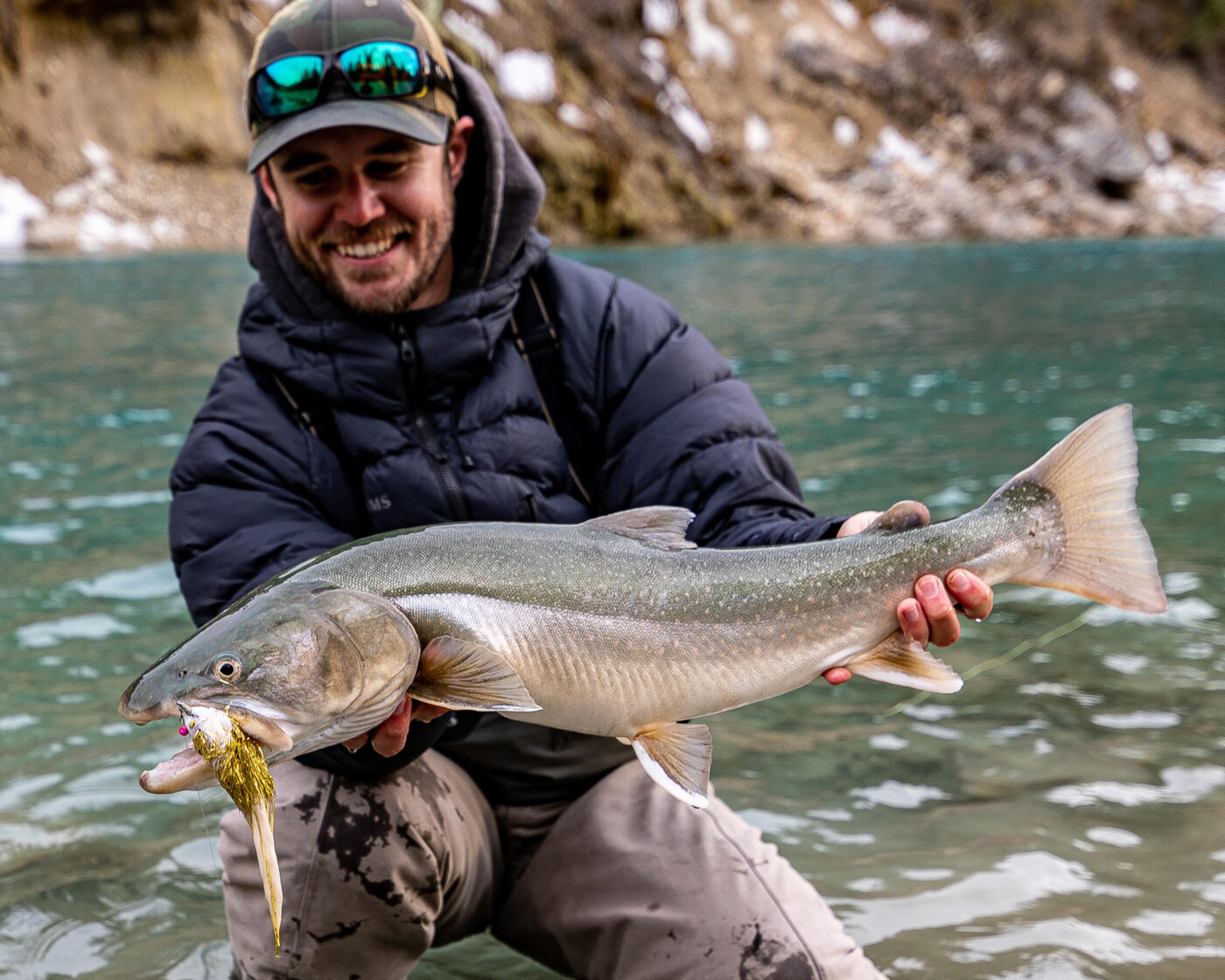
The subsequent success—landing a substantial Cutthroat Trout and, eventually, an aggressive Bull Trout on a dry fly—served to validate both the location’s reputation and the effectiveness of surface-action tactics.
Gear, Flies, and Tackle Selection
Successful angling in the Blackstone requires a balance between finesse and durability. The gear utilized for this expedition reflected a "minimalist but reliable" philosophy:
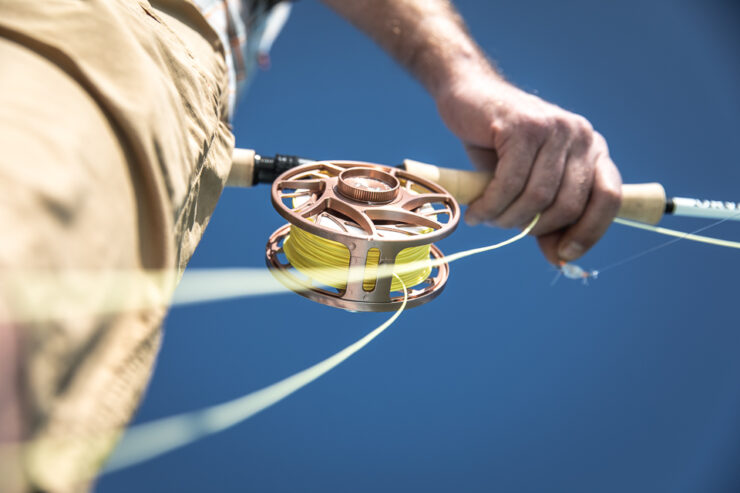
- Rods and Reels: The primary rig consisted of a 9-foot, 5-weight Echo Carbon XL paired with a Redington Crosswater reel—a combination prized for its versatility in smaller, technical streams. A secondary, backup setup featured a 5-weight Cabela’s store-brand rod and an Okuma reel, proving that high-end pedigree is secondary to the angler’s ability to read the water.
- Fly Strategy: The expedition relied on a curated selection of flies rather than an exhaustive collection.
- Dry Flies: Standard Alberta foothill patterns, designed to mimic the local insect hatches.
- Nymphs: A focused array of bead-head nymphs to probe the deeper channels.
- Terrestrials: Large-profile patterns, specifically selected to trigger the predatory instincts of Bull Trout.
- The "Fat Albert" Factor: The decision to utilize a large, high-buoyancy terrestrial pattern (the "Fat Albert") was a calculated gamble based on the aggressive nature of Bull Trout. By treating the fly as a surface-based streamer, the angler was able to solicit a violent, decisive strike—a departure from traditional, subtle dry-fly presentation.
Supporting Data: The Ecology of the Blackstone
The Blackstone River, winding through the foothills northwest of Nordegg, Alberta, is a geological and biological marvel. Measuring approximately 20 meters in width, it is characterized by moderate flow rates and clear, cold water—the ideal environment for salmonids.
The significance of the Blackstone lies in its status as a premier Bull Trout fishery. According to regional angling authorities, including the foundational work of Barry Mitchell, the Blackstone is one of the few rivers in Alberta where Bull Trout exhibit a consistent willingness to strike at surface flies.
Why Bull Trout Matter
Bull Trout (Salvelinus confluentus) are listed as a "Threatened" species in Alberta. They are sensitive to environmental degradation, water temperature fluctuations, and habitat fragmentation. The fact that they populate the Blackstone is an indicator of the river’s overall health. Anglers are reminded that due to their status, catch-and-release practices are not merely a preference but a necessity for the survival of the population.
Official Perspectives and Ethical Implications
The pursuit of Bull Trout is governed by strict provincial regulations designed to protect the species. Any expedition to the Blackstone must be preceded by a review of the Alberta Guide to Sportfishing Regulations.
The Ethics of Catch-and-Release
As the expedition demonstrated, the absence of a net—while an oversight—highlighted the critical need for proper landing gear. For large, powerful fish like Bull Trout, minimizing the time out of water is paramount.
- Minimal Handling: Keeping the fish in the water as much as possible reduces stress and increases survival rates.
- Gear Preparedness: The inclusion of a rubber-mesh net is highly recommended to protect the protective slime coat of the trout.
- Photography: As noted, a waterproof camera is an essential tool for capturing the experience without compromising the fish’s well-being.
The Broader Implications for Anglers
The experience on the Blackstone serves as a case study for modern fly fishing. It suggests that while high-end equipment is often marketed as the key to success, "reading the water" and adaptability are the true determinants of an angler’s capability.
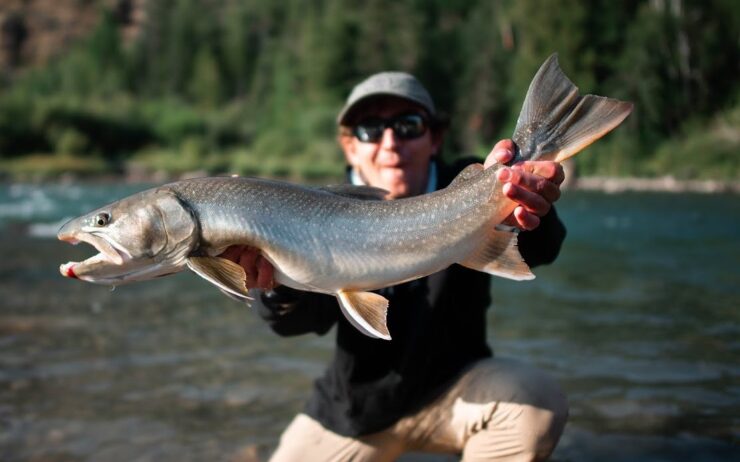
Furthermore, the "discovery" that Bull Trout will take dry flies is a testament to the unpredictable and exciting nature of wilderness fishing. It challenges the conventional wisdom that these predators are exclusively ambush hunters of the deep. For the conservation-minded angler, the Blackstone is a reminder that our interaction with these fish is a privilege. As recreational pressure on Alberta’s waterways increases, the responsibility rests with the individual to practice ethical fishing, ensure the protection of riparian zones, and contribute to the ongoing monitoring of these fragile populations.
Final Thoughts
Whether you are a seasoned veteran of the Canadian Rockies or a newcomer to the sport, the Blackstone River offers a profound experience. It is a place where the grandeur of the mountains meets the intricate, delicate life cycle of the trout. By keeping gear simple, maintaining a respectful distance from the environment, and prioritizing the health of the fish over the glory of the catch, anglers can ensure that the Blackstone remains a premier destination for generations to come.
As the day concluded, the lessons were clear: pack your net, respect the water, and never underestimate the willingness of a big Bull Trout to smash a well-placed dry fly. The river is waiting—and it is just as wild as you imagined.