By Samuli Haapasalo
July 7, 2026 | From the blog "A Year in Nature"
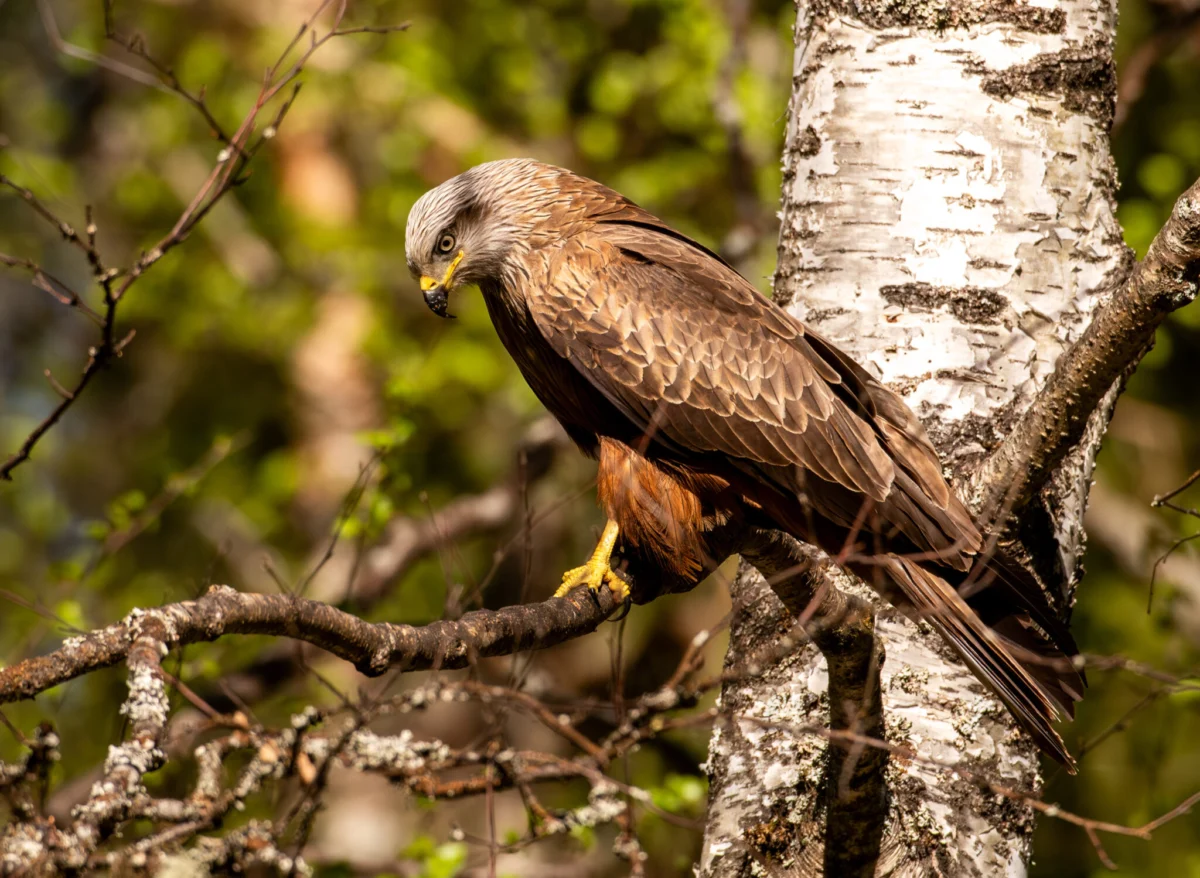
In the vast, shifting tapestry of the Finnish wilderness, few sights are as captivating as the silhouette of a red kite (Milvus milvus) carving through the air. Known in Finnish as "haarahaukka"—a name derived from the distinct notch in its tail—this raptor is a master of aerodynamics. It moves with a fluid grace, executing rapid turns and sudden, high-speed dives that leave other birds of prey appearing cumbersome by comparison. As we track the patterns of these birds throughout the 2026 season, it becomes clear that the red kite is not merely a visitor to our landscape, but a highly specialized opportunist of the highest order.
Main Facts: The Anatomy of a Master
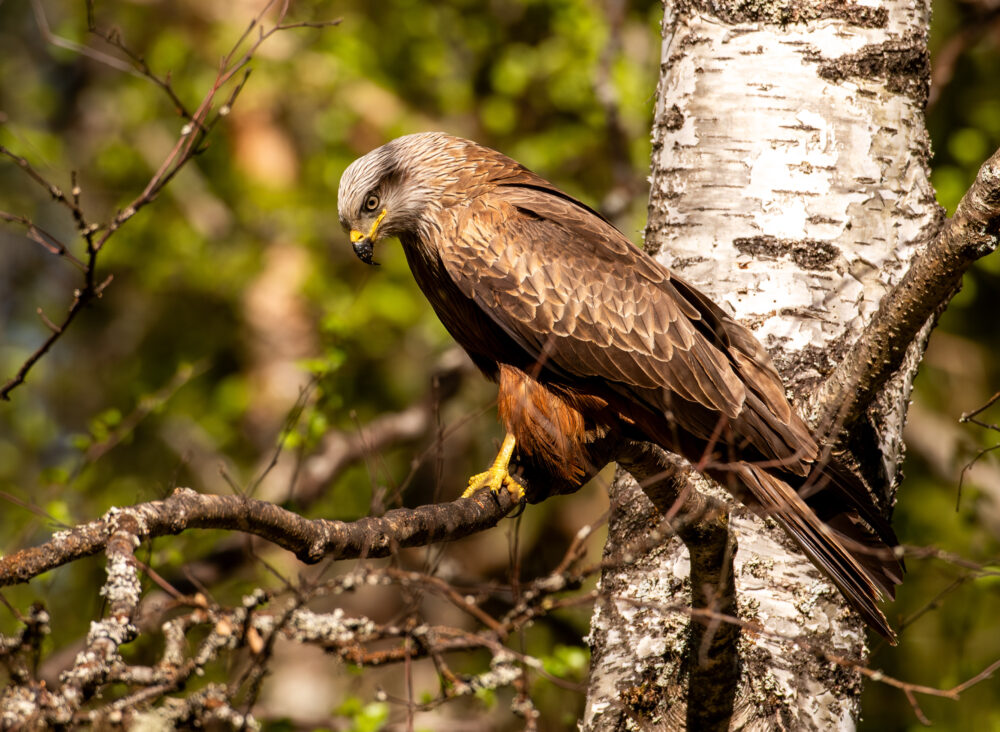
The red kite is an unmistakable raptor, often described as possessing the regal, imposing presence of a small eagle. Its physical design is a marvel of evolutionary engineering. With long, slender wings and a deeply forked tail—its most iconic feature—the bird exhibits a lightweight, agile silhouette that belies its actual size.
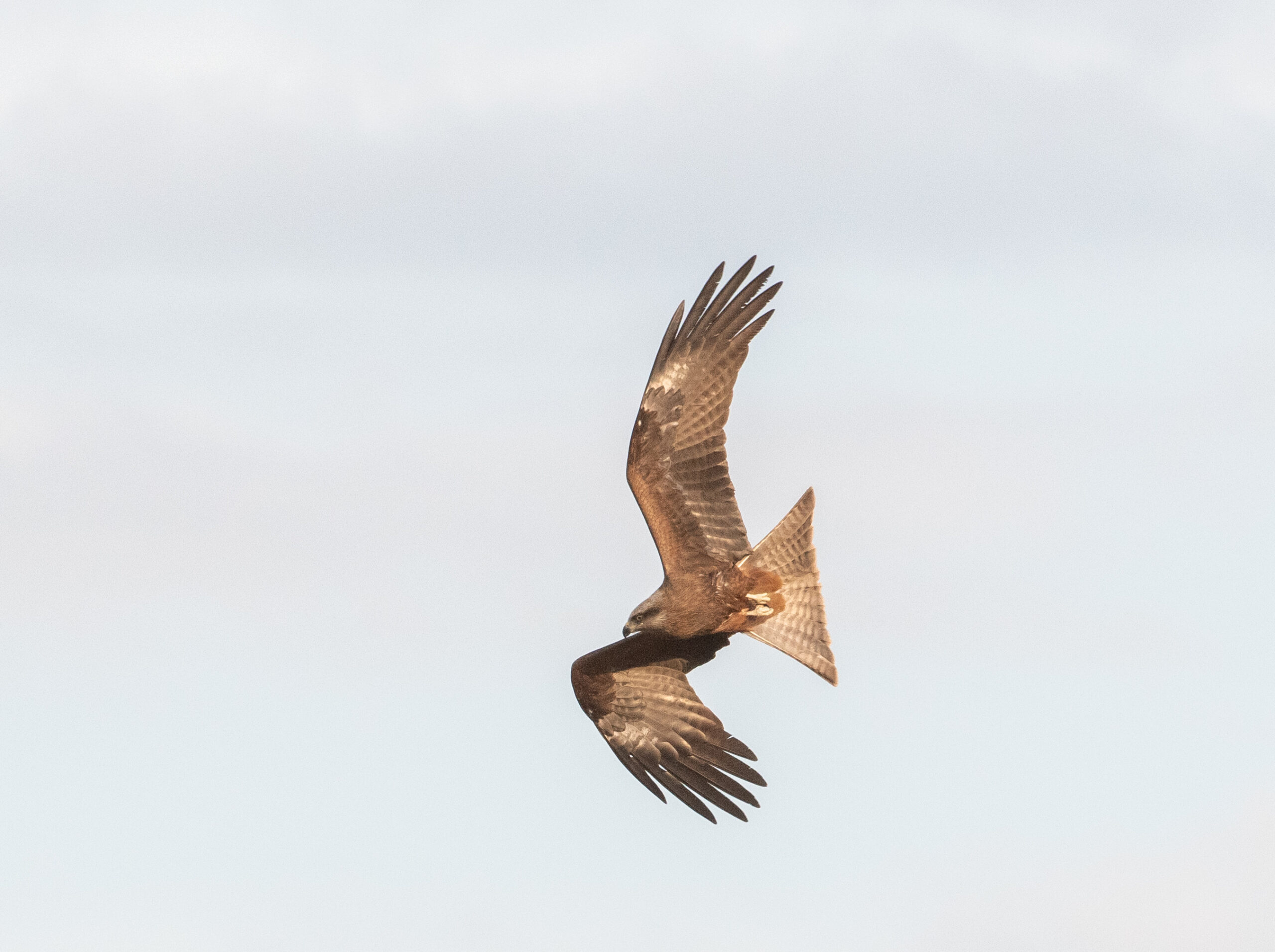
The forked tail serves as a sophisticated rudder, allowing the kite to adjust its flight path with instantaneous precision. While many raptors rely on raw power, the red kite relies on finesse. It can navigate turbulent air currents and tight maneuvers that would cause more rigid flyers to stall. Its plumage, a subtle yet expressive blend of earthy tones, provides both camouflage and a striking visual identity when seen against the backdrop of the Finnish sky.
Chronology: Seasonal Movements and Observations
Our tracking of the red kite throughout 2026 has revealed fascinating behavioral cycles. Early in the spring, during the month of May, these birds began to reappear in areas typically frequented by larger mammalian predators. Interestingly, we have observed a recurring presence near the photography hides used for monitoring large carnivores.
By mid-summer, specifically throughout August, the kites become bold participants in the ecosystem. During our observations on the 27th of June, the kite’s behavior shifted from mere patrol to active scavenging and kleptoparasitism—the act of stealing food from others. It is a true "grab-and-go" specialist. With a sudden, powerful hook of its flight path, the kite descends to the ground, snatching a piece of fish or carrion at full speed with its talons, barely breaking its momentum.
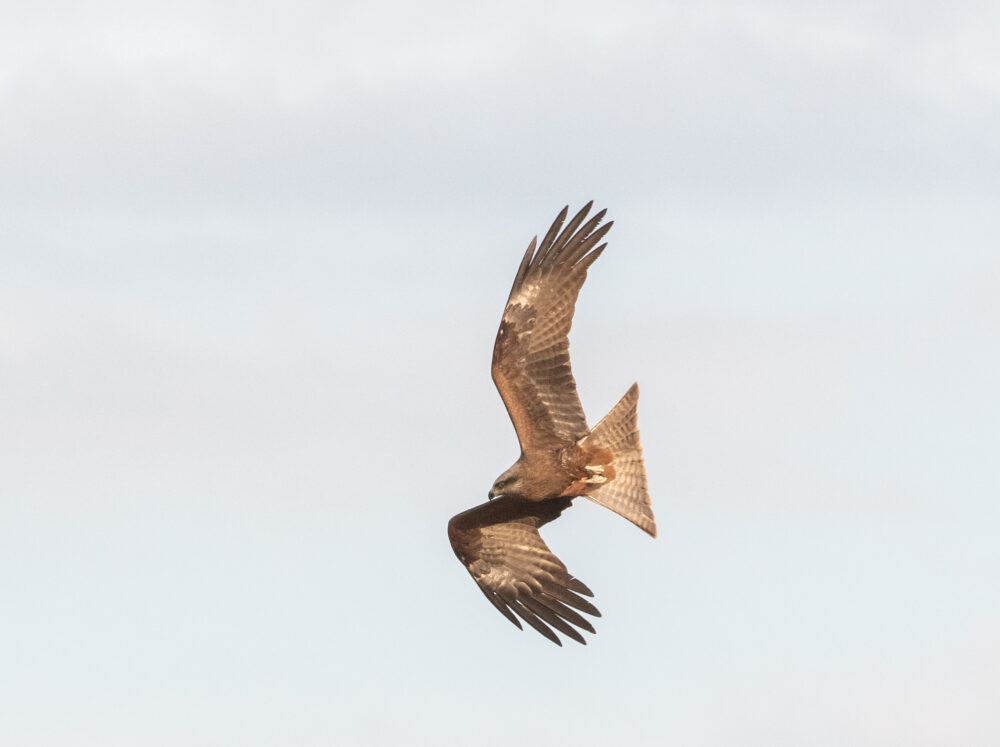
This seasonal rhythm suggests that the red kite is highly responsive to the availability of food sources left behind by other apex predators. By following the "waste" of larger carnivores, the kite has carved out a niche that allows it to survive in the relatively sparse, yet demanding, northern environment.
Supporting Data: Survival Strategies in the Sky
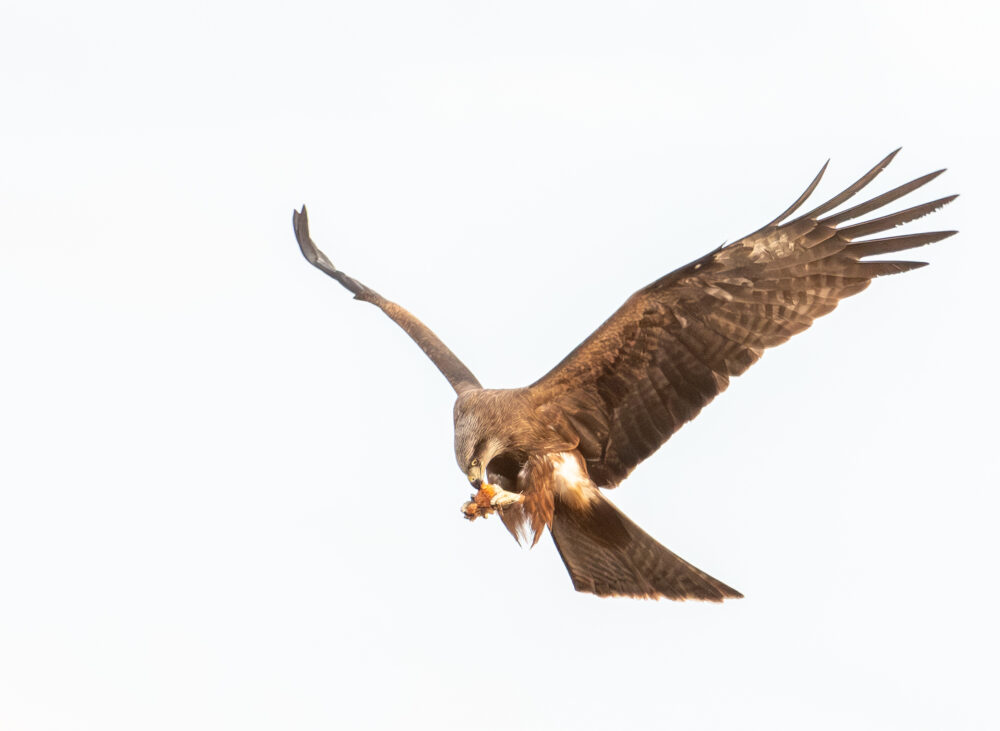
One of the most remarkable behaviors documented this year is the kite’s ability to consume its catch while remaining in flight. By contorting its neck and adjusting its talons mid-air, the red kite manages to tear off small, manageable pieces of its prey without ever touching down.
Why engage in such high-energy acrobatics? The prevailing theory among field researchers is one of competitive avoidance. In the vicinity of a carcass, competition is fierce. Ravens, crows, and other scavenging birds often patrol these areas with predatory intent. By feeding on the wing, the red kite denies these competitors the chance to harass it or challenge its possession of the food. It is a tactical decision that minimizes the time spent in vulnerable positions.
Global Distribution vs. Local Rarity
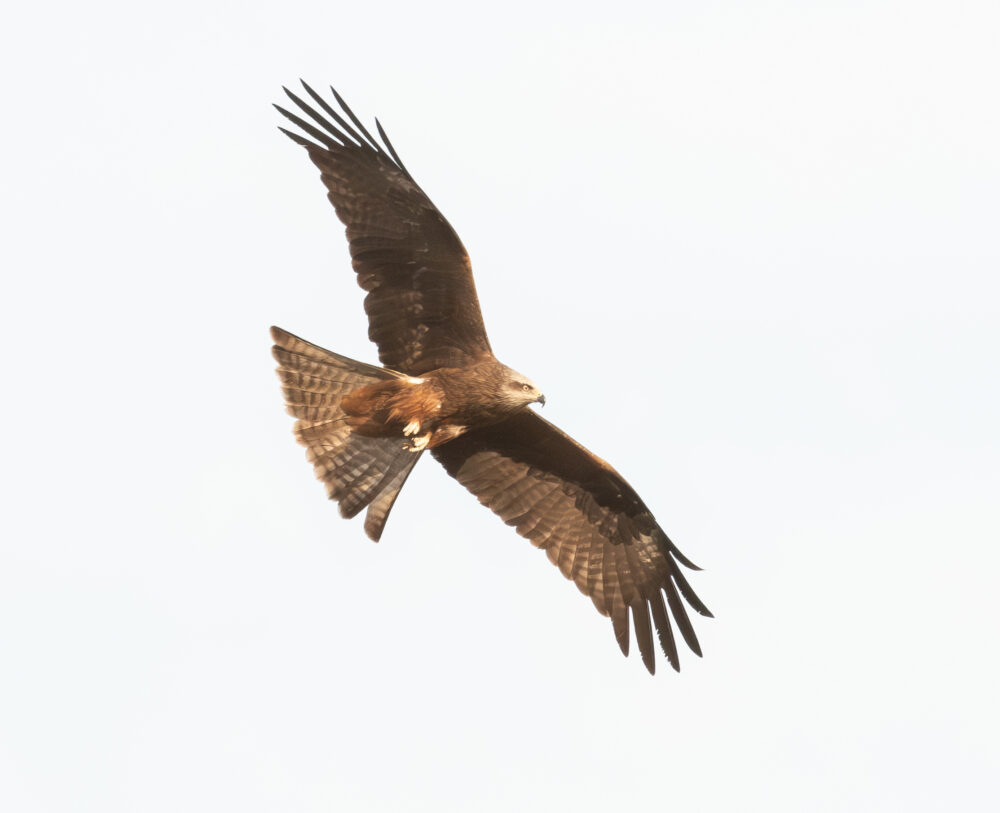
The red kite is a global success story with a wide distribution spanning across Europe, Asia, Africa, and even Australia. Because of this vast range, the species has diverged into several distinct subspecies. The "isohaarahaukka" (a larger variant) is notable for its more pronounced tail fork and distinctively lighter patches on the wings, distinguishing it from the standard red kite.
However, in Finland, the story is quite different. Despite their success elsewhere, red kites remain exceptionally rare in our northern latitudes. Current estimates suggest a precarious population of only 10–25 breeding pairs. Beyond these residents, the Finnish skies occasionally host migratory visitors or summer wanderers, but the species remains a rare sight for even the most dedicated birdwatchers.
Official Responses and Conservation Status
The status of the red kite in Finland remains a subject of ongoing debate among ornithologists and conservationists. Because the species is at the northernmost edge of its range, it is inherently sensitive to climatic fluctuations and changes in land management.
Wildlife experts have emphasized that if the red kite were to increase its numbers in Finland, it would represent a significant ecological enrichment. The bird acts as a vital scavenger, helping to keep the landscape clean and maintaining the balance of the food chain. However, their reliance on open areas and specific scavenging opportunities means they are vulnerable to the fragmentation of the countryside.
Conservation groups are currently pushing for habitat preservation, specifically targeting the protection of potential nesting sites and the maintenance of traditional farming landscapes, which provide the open spaces the kite requires for hunting.
Implications: A Future for the Kite?
The presence of the red kite in Finland serves as a barometer for the health of our open landscapes. Their agility in the face of competition and their innovative feeding habits highlight the resilience of nature, yet their low population density reminds us of our responsibility.
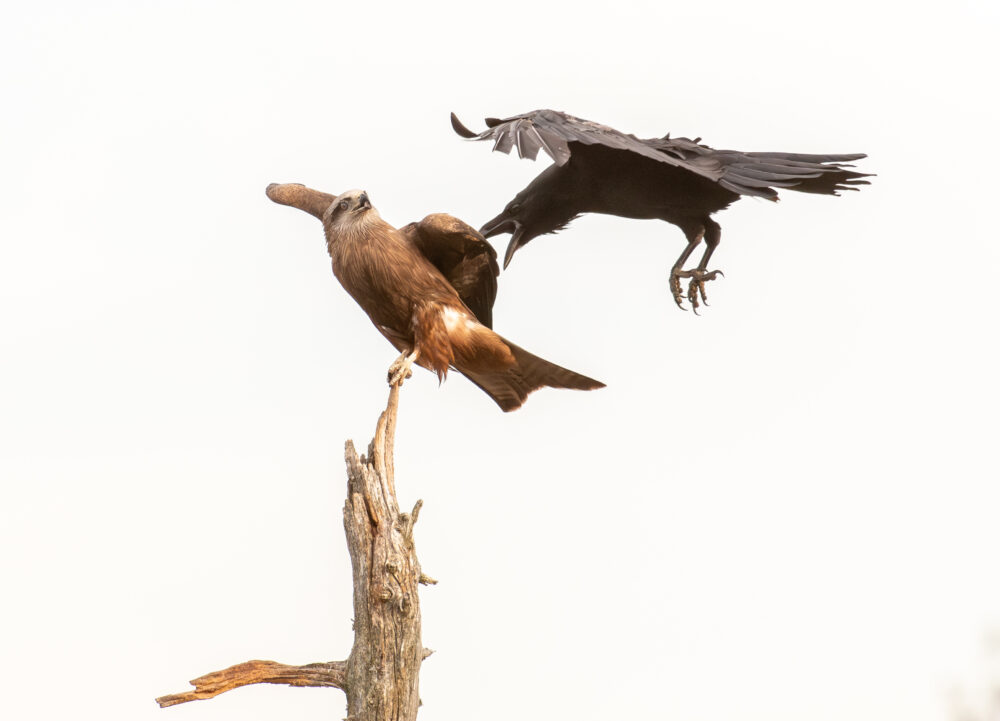
If we wish to see these "aerial acrobats" thrive, we must consider the landscape as a whole. The encroachment of urban development into traditional hunting grounds, the changes in agricultural practices, and the reduction of carrion availability all play a role in their survival.
For now, those of us lucky enough to witness a red kite in the Finnish wilderness are treated to a masterclass in flight. Whether it is darting away from a persistent raven or catching a thermal current to survey the ground below, the red kite remains a symbol of the untamed, intelligent, and highly adaptable spirit of the natural world.
As we look toward the remainder of the year, our focus remains on documenting these rare encounters. Every observation contributes to a larger, more detailed understanding of how this species navigates the challenges of the north. We invite all nature lovers to stay engaged, support ethical wildlife photography, and continue to value the rare beauty that the red kite brings to our skies.
Samuli Haapasalo is a wildlife photographer and contributor to Suomen Luonto. His work aims to document the changing seasons of the Finnish wilderness through the lens of its most elusive inhabitants.