The National Park Service (NPS) has long been heralded as "America’s best idea." From the rugged, jagged peaks of the Tetons to the sprawling, ancient forests of the Redwoods, these protected landscapes represent the pinnacle of conservation. Public sentiment remains overwhelmingly positive; poll after poll confirms that Americans across the political spectrum view the National Park Service with deep esteem, and the legacy of Theodore Roosevelt—the father of the American conservation movement—remains a cornerstone of the national identity.
However, a harrowing disconnect has emerged between this national reverence and the reality of day-to-day operations on the ground. During a recent peak-season visit to Yosemite National Park, the romantic ideal of the "wilderness experience" was replaced by a stark, sobering reality: visitors are treating these crown jewels as common dumping grounds. This investigation explores the growing crisis of visitor behavior, the erosion of infrastructure, and the ethical dilemma facing our most cherished public lands.
The Tragedy of the Commons: A Firsthand Account
Yosemite, a cornerstone of the NPS system, has seen visitation numbers soar, straining the delicate ecosystem and the limited human resources tasked with its maintenance. In late July, I traveled to the park to document the intersection of high-density tourism and environmental stewardship. What I witnessed was a systemic failure of the social contract that keeps our parks operational and pristine.

Rule-Breaking as the New Normal
While "Leave No Trace" (LNT) principles are widely publicized, the execution on the ground is failing. Accidents occur—a granola bar wrapper lost in the wind or a cat hole dug slightly too shallow—but what I observed went beyond accidental negligence. It was a pattern of blatant disregard. On multiple occasions, I witnessed picnic parties leaving behind mountains of plastic, food scraps, and refuse, seemingly unfazed by the presence of nearby trash receptacles.
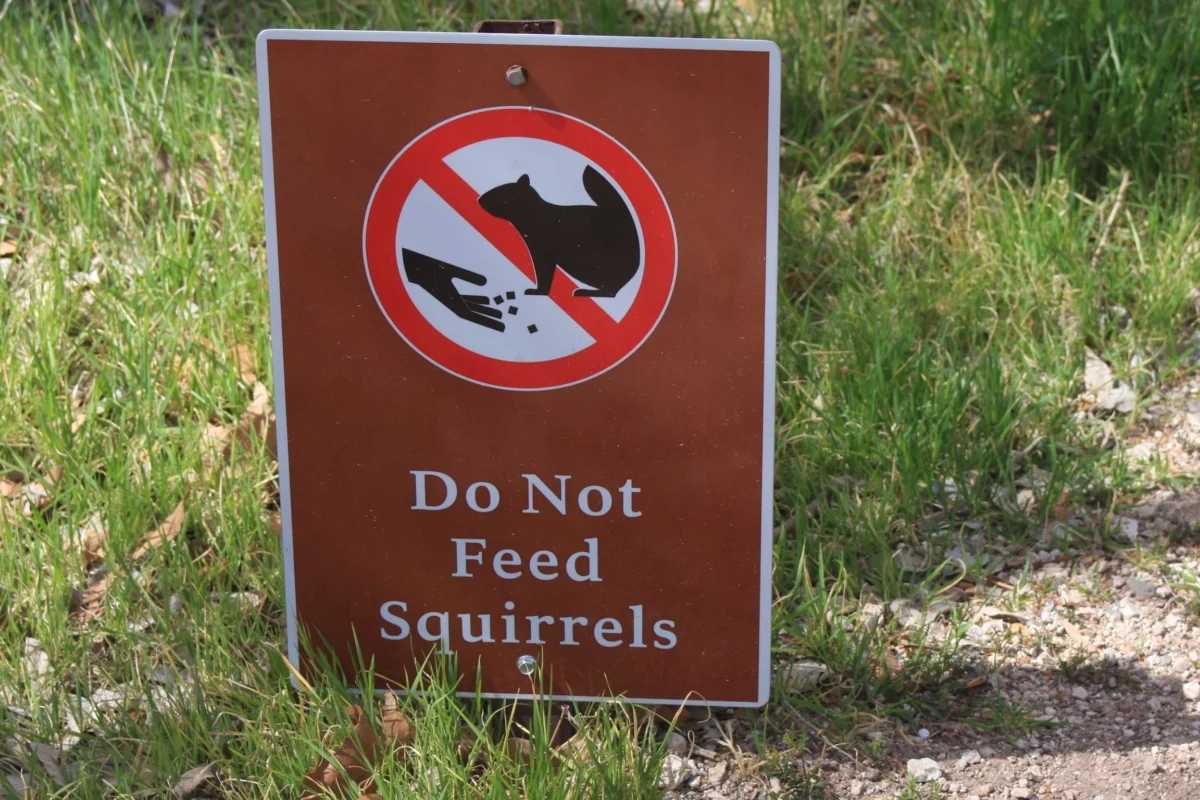
The issue of wildlife interaction was perhaps the most alarming. Despite the ubiquity of signs warning visitors not to feed, touch, or approach wild animals, and despite the explicit, signed pledges required for overnight guests at places like Curry Village, the behavior remained unchanged. I watched a mother actively encourage her child to "kiss" a squirrel for a photograph—a dangerous and deeply misguided interaction that highlights a profound lack of respect for both the animal’s health and the potential risk to the child.
This, combined with tourists chasing chipmunks and birds, suggests a view of the park as a theme park rather than a living, breathing ecosystem.

Chronology of Neglect: Infrastructure Under Siege
The degradation of park infrastructure is not a singular event but a slow, daily accumulation of abuse.
- The Morning Ritual: Before setting out on a hike, I checked a standard bear-proof container intended for food storage. Instead of being empty for hikers, the bin was a putrid mix of dog feces, half-eaten produce, and non-biodegradable waste.
- The Trailhead Crisis: Throughout the day, the scene repeated itself. Trailhead bathrooms, often the first point of contact for visitors, were littered with trash, leading to an infestation of pests and a level of filth that suggests a complete breakdown of visitor responsibility.
- Roadside Hazards: The roads within the valley were equally chaotic. I observed cars abandoned in front of "No Parking" and "Fire Lane" signs. On one occasion, I had to execute an emergency stop because a vehicle halted abruptly in the middle of a high-traffic road, merely to snap a photo of El Capitan.
- The Shuttle Incident: Most egregious was the man who sprinted into the middle of a two-lane road to flag down a park shuttle. He forced the bus to stop, blocked traffic in both directions, and put himself at risk—all to ask for directions that were clearly printed on a map he likely held in his hand.
Supporting Data and the Burden of Volume
According to NPS data, Yosemite has struggled for years with the logistical burden of its own popularity. The sheer volume of visitors creates a bottleneck where infrastructure—designed for a smaller, more disciplined population—is overwhelmed.
While the NPS has not released specific statistics on the increase in "trash-related incidents" this year, the anecdotal evidence is supported by the broader context of federal land management. Recent budgetary constraints and staffing shortages have left the NPS with fewer boots on the ground to manage the crowds. However, the data suggests that even with a full staff, the sheer number of daily visitors makes enforcement an impossible task. When 20,000 people enter a confined valley on a single day, the "tragedy of the commons" becomes a mathematical certainty: if each person leaves just one piece of trash, the result is a catastrophic environmental impact.

Official Responses and the Policy Gap
The National Park Service maintains a strict stance on visitor conduct, utilizing a combination of education, signage, and, where necessary, citations. However, park officials acknowledge that the current model of reliance on voluntary compliance is under immense pressure.
In discussions regarding visitor behavior, NPS spokespeople have emphasized that the parks are not just playgrounds but vital refuges for endangered flora and fauna. When visitors ignore trail closures intended for native plant restoration—as I witnessed when two individuals hopped a fence to trample a delicate meadow—they are actively destroying the very environment they claim to love.
The NPS has noted that they are looking into more restrictive measures, such as expanded reservation systems, to throttle the flow of traffic. However, these systems are often met with public outcry from those who believe the parks should remain "open" to all, regardless of the impact. The dilemma for the NPS is clear: how to protect the resource while fulfilling the mandate to provide public access.

Implications: The Future of Our Heritage
The consequences of this behavior are far-reaching. When human food is left in bear boxes or on trails, it habituates wildlife, often leading to "problem" bears that must eventually be euthanized for the safety of humans. When visitors stray from trails, they cause soil compaction and erosion that can take decades to reverse. When they treat the park as a trash heap, they degrade the experience for every other visitor and place an unsustainable burden on maintenance crews.
Why Is This Happening?
The primary driver appears to be a psychological shift in the modern traveler. Many visitors arrive with a "bucket list" mentality. They have invested time and money into a "big trip" and feel entitled to a perfect photo, regardless of the rules or the surrounding impact. This entitlement, combined with the anonymity of being one of millions of visitors, allows people to mentally offload the responsibility of conservation.
The Path Forward
A significant increase in staff will not be the panacea. You cannot station a ranger at every trail junction or behind every bush. The solution must be cultural.

- Personal Responsibility: Visitors must move away from the "consumption" mindset. A national park is not a commodity; it is a trust.
- Radical Education: The NPS should consider moving toward a mandatory orientation program, similar to the protocols in place at some wilderness areas, where visitors must sign a pledge and watch an instructional video before entering high-traffic zones.
- Respect for Boundaries: The signage is not a suggestion. Whether it is a "stay on trail" sign or a "do not feed the wildlife" warning, these are critical survival instructions for the park’s ecology.
Ultimately, the majesty of landscapes like Yosemite serves as a mirror for our society. If we cannot manage to behave with basic respect in the most beautiful places on Earth, it reflects a deeper, more systemic issue in how we interact with the natural world. Protecting these lands requires us to evolve from mere "tourists" into "stewards." If we fail to make this transition, we risk losing not just the beauty of the parks, but the very idea that they are worth saving.