The Käsivarsi Wilderness Area in the extreme northwest of Finland is a landscape of stark beauty, unpredictable weather, and profound isolation. Home to Halti, the highest point in the country, this region serves as a pilgrimage site for hikers and a critical study area for researchers monitoring the impacts of climate change on arctic flora and fauna.
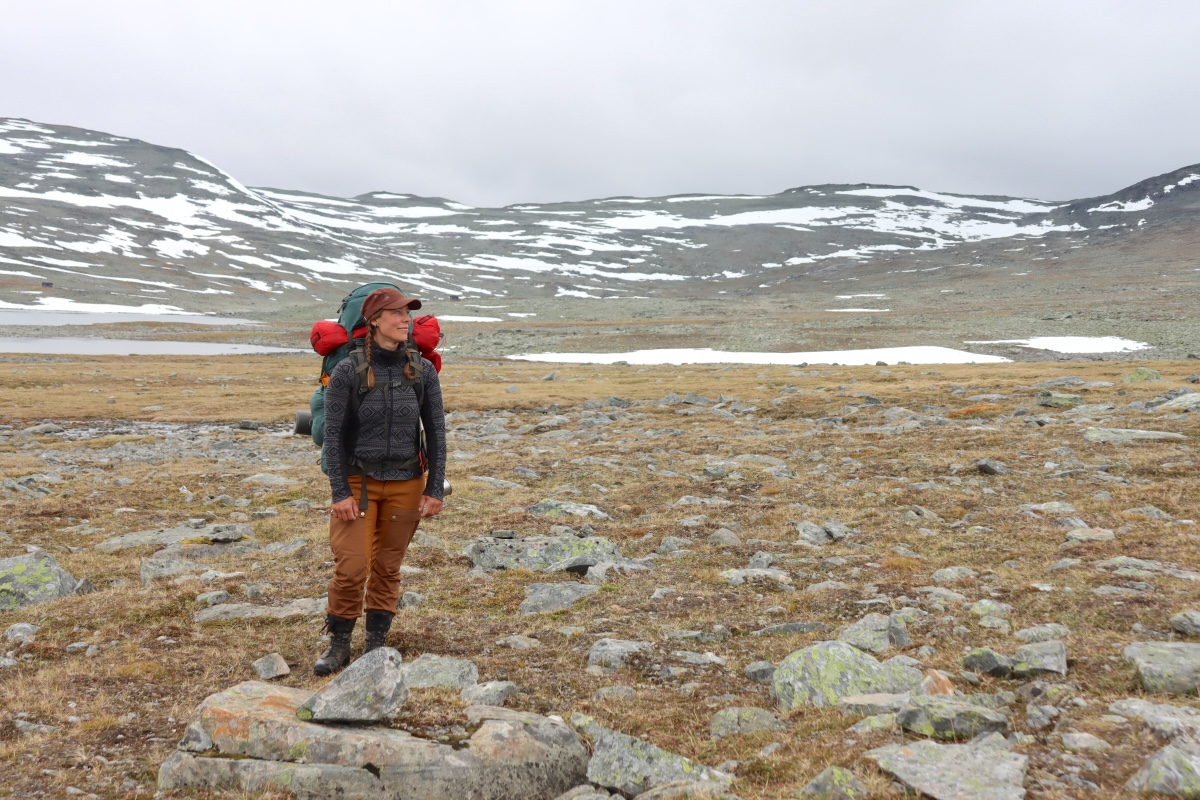
A recent expedition to this high-altitude terrain offers a detailed look at the realities of trekking in one of Europe’s most challenging wilderness environments. Covering the stretch from the Kilpisjärvi Visitor Centre to the summit of Halti and back via the Mallan Nature Reserve, the journey highlights the logistical, physical, and environmental complexities of subarctic hiking.
The Journey: A Chronology of the Expedition
June 23: The Ascent Begins
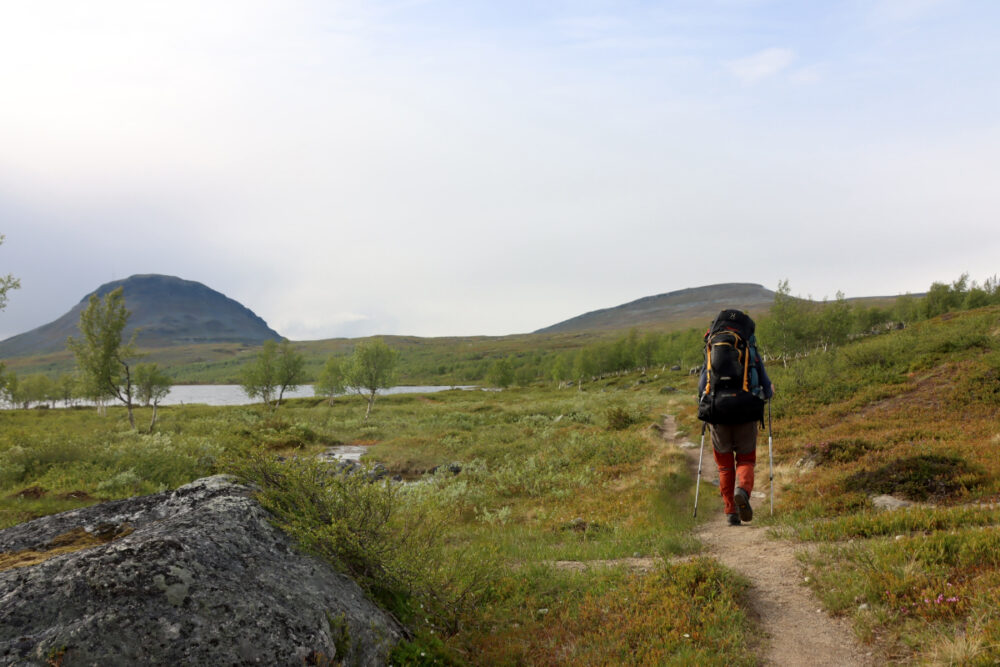
The trek commenced with a long journey from southern Finland, culminating in an arrival at the Kilpisjärvi Visitor Centre at 5:30 PM. Carrying a 26-kilogram pack—necessitated by the need to pack ten days’ worth of supplies—the initial leg of the trip focused on the Halti trail. Within a few kilometers, the treeline vanished at Tsahkaljärvi, marking the transition into the open fell tundra. The temperature hovered around 10°C, with incoming weather patterns from Norway and Sweden threatening early rain.
June 24: The First Taste of the High Fells
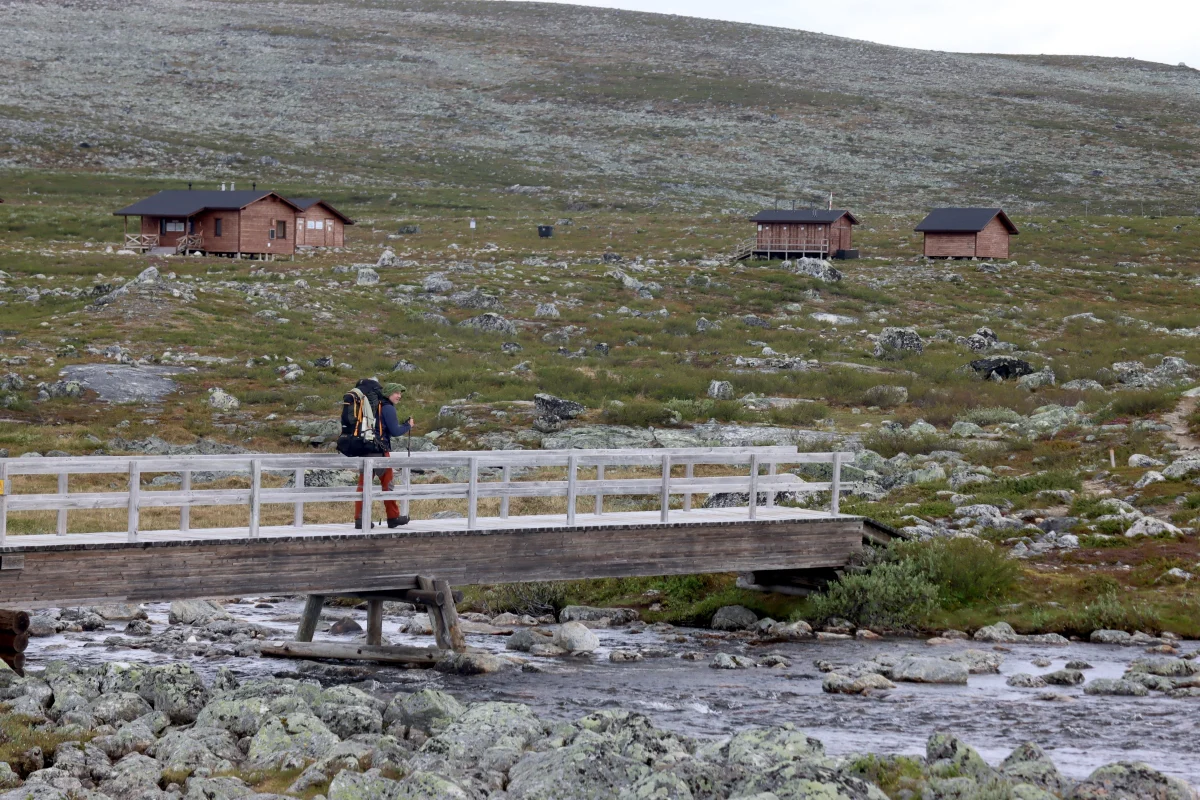
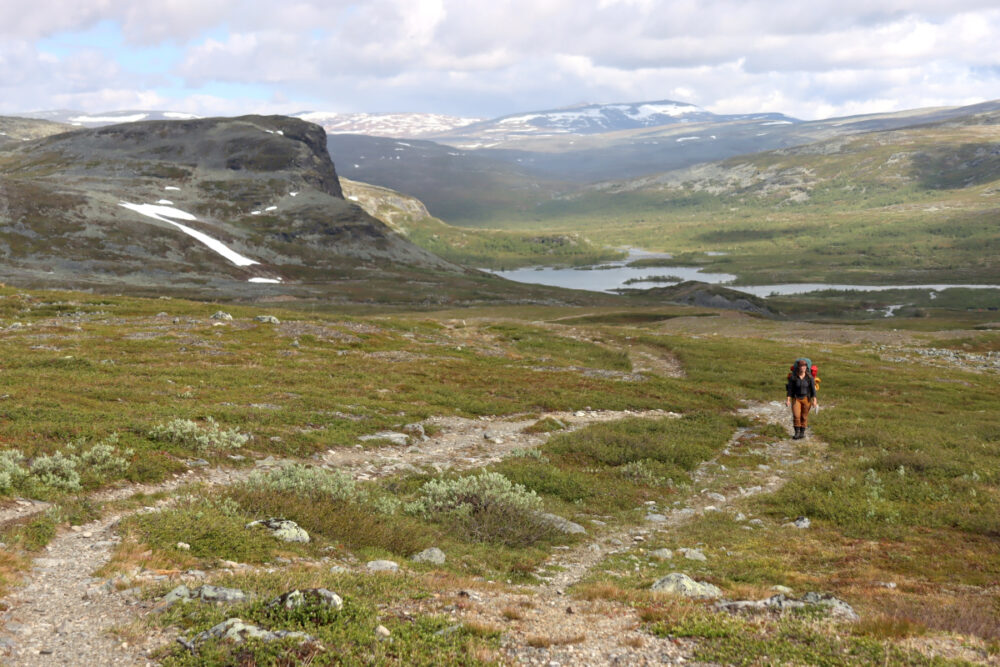
The trek to the Kuonjarjoki wilderness hut covered 13 kilometers. The morning was defined by the arrival of the "rääkkä" (the peak mosquito season), which had arrived a week early due to an unseasonably warm spring. While the insects were a nuisance, the rapid snowmelt made river crossings significantly safer and more manageable. The trail, characterized by challenging, rocky terrain, climbed to 900 meters, where the vegetation became sparse—a sobering preview of the high-altitude conditions near Halti.
June 25: The Beauty of the Meekonjärvi Valley
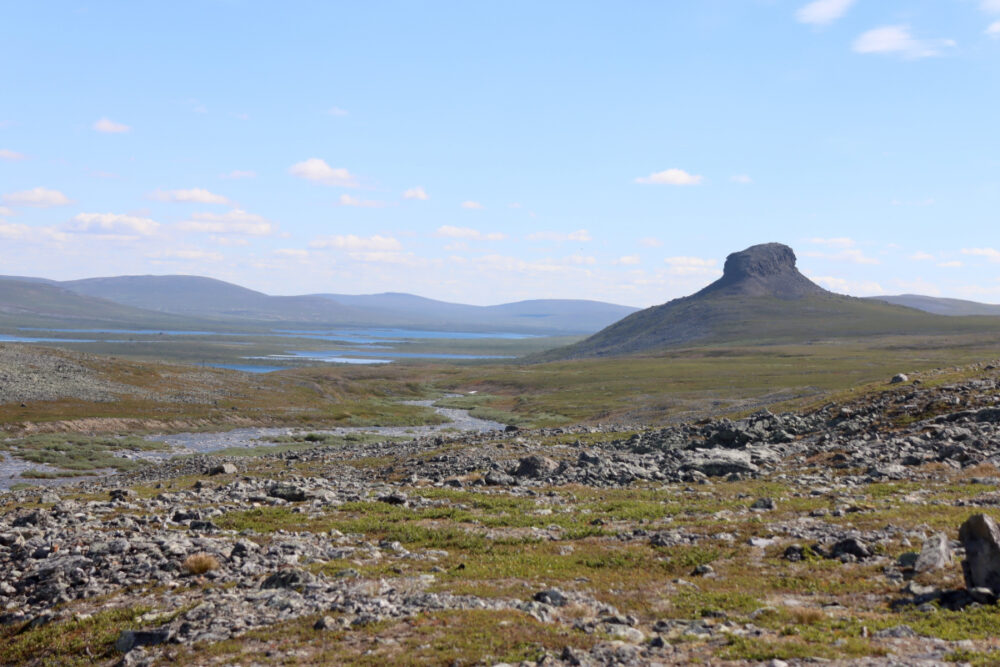
Covering 21 kilometers toward Pitsusjärvi, the team navigated the dramatic Meekonjärvi valley. This area is defined by sharp ridges, lingering snow patches, and the striking silhouette of Saivaara mountain. Despite the scenic rewards, the physical toll of navigating massive boulder fields in mosquito head nets proved exhausting. The day concluded with a swim in the icy Pitsusjärvi lake, accompanied by the haunting calls of long-tailed ducks.
June 26: Reaching the Summit
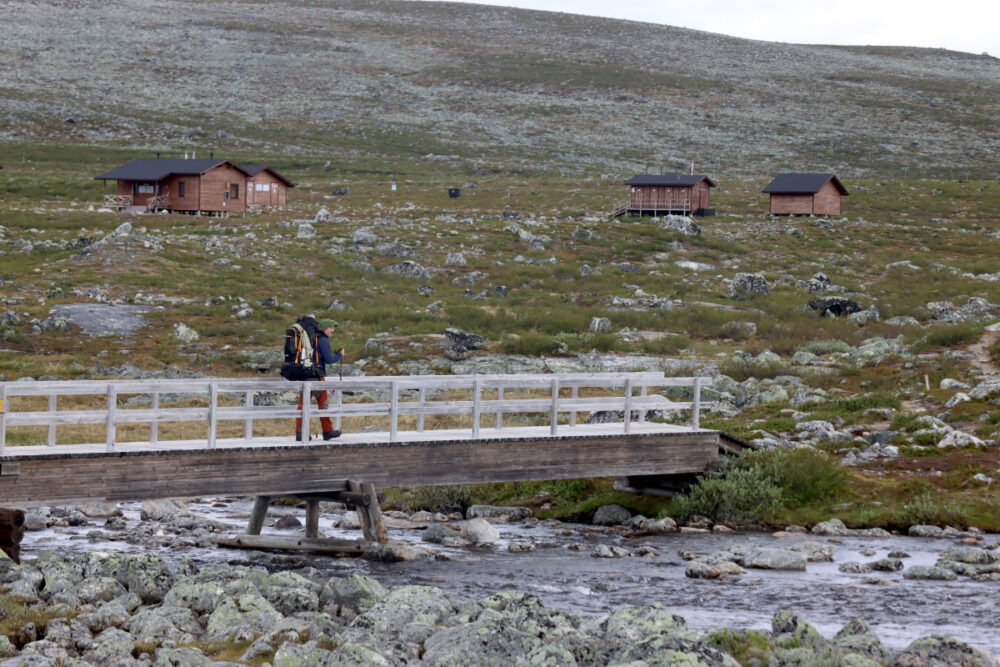
The 15-kilometer push to the Halti summit was a test of endurance. Upon reaching the Halti wilderness hut, the team opted to drop the heavy packs, choosing to summit with lighter day bags. The climb was less technically demanding than anticipated, though the arctic winds required heavy layering despite the midsummer date. After documenting the visit in the summit guestbook, the return to the hut provided a base of operations for the night, shared with a small, international group of fellow hikers.
June 27–29: The Return and Environmental Observations
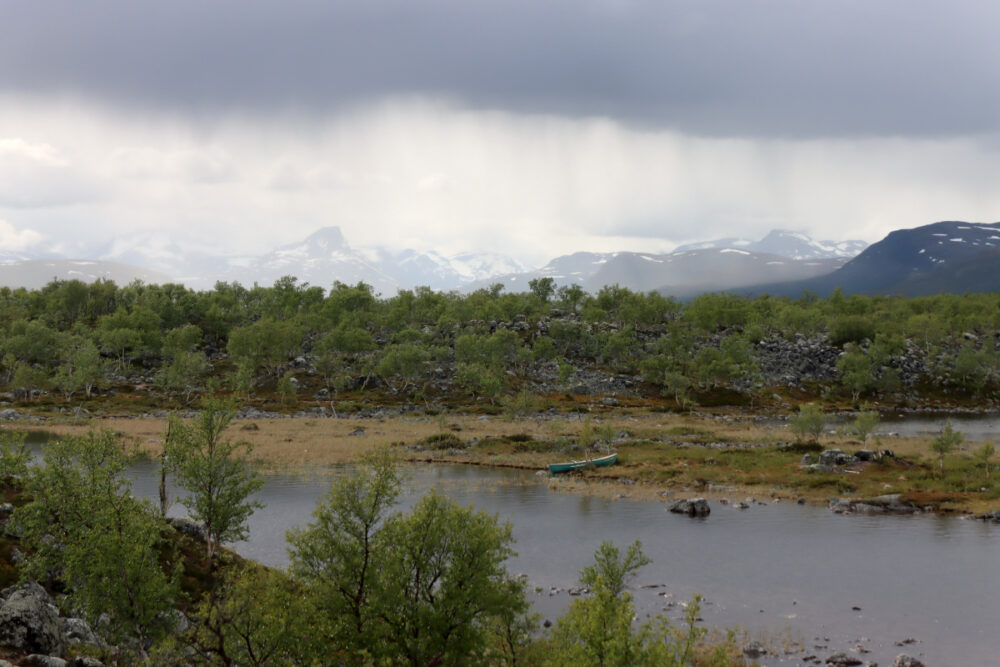
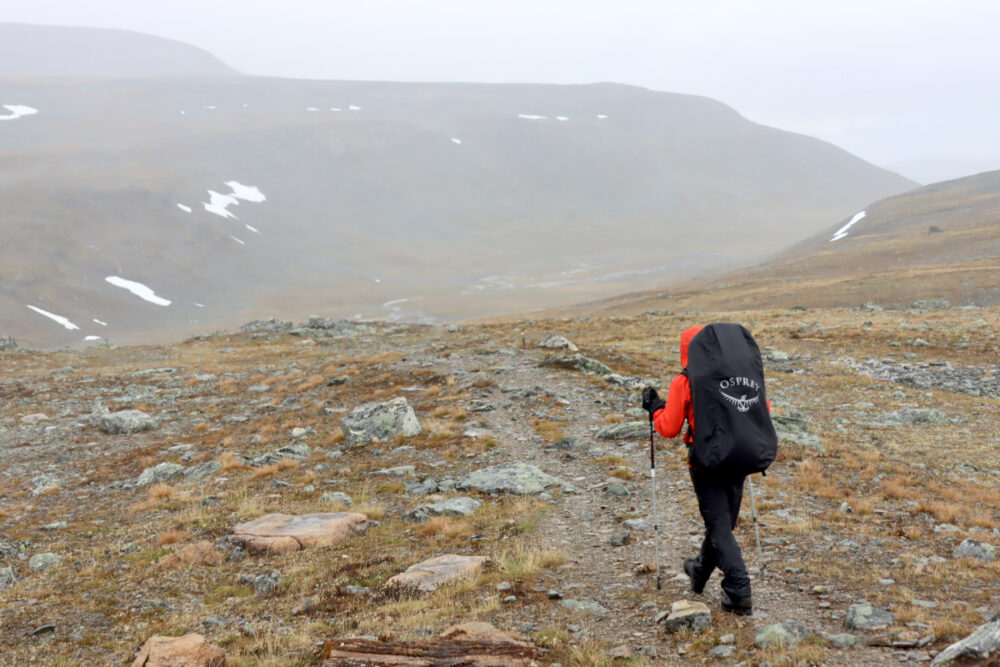
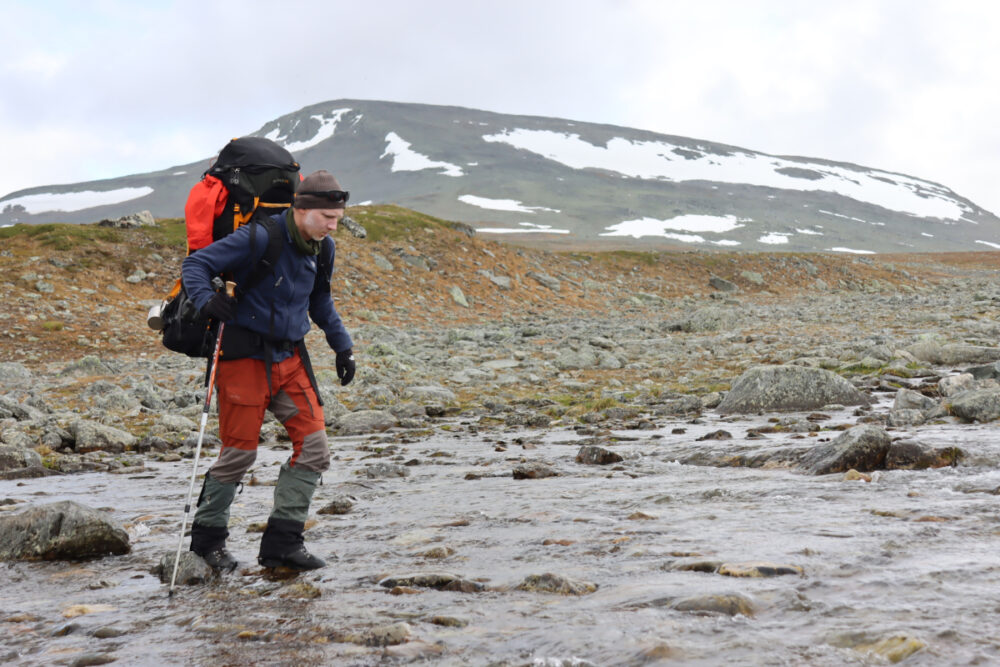
The return journey was marked by severe weather, with heavy rains turning the trail into a network of streams. On June 28, a detour was necessary to avoid high water levels in the Urtasjoki river. This deviation proved fortuitous, leading to the discovery of rare alpine flora, including the protected Arnica angustifolia (tunturiarnikki) and the endangered Ranunculus glacialis (jääleinikki). These observations serve as a vital indicator of the health of the alpine ecosystem.
June 30–July 1: The Mallan Wilderness
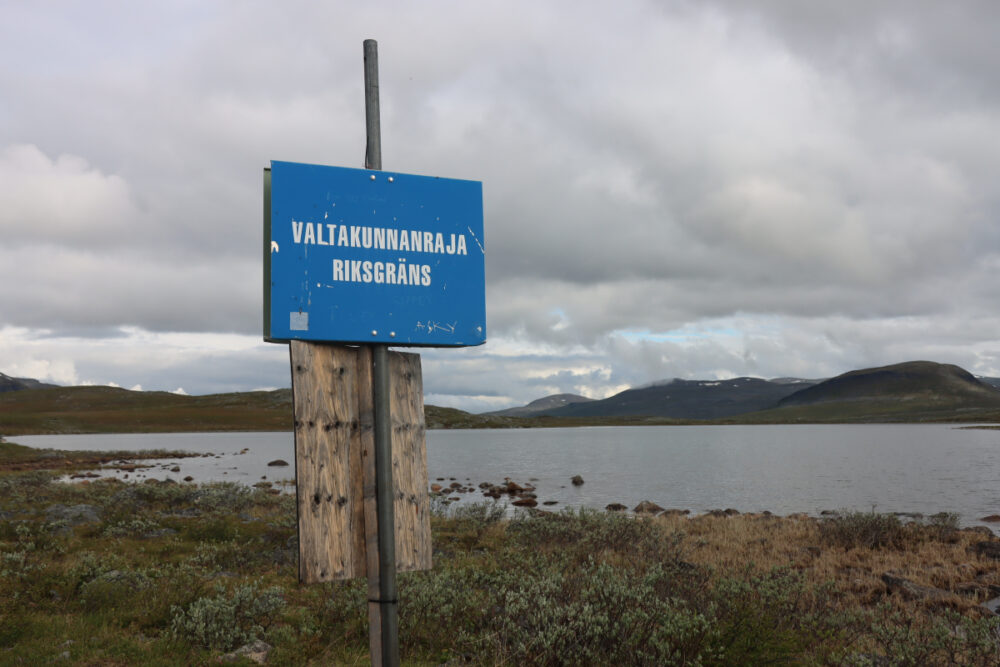
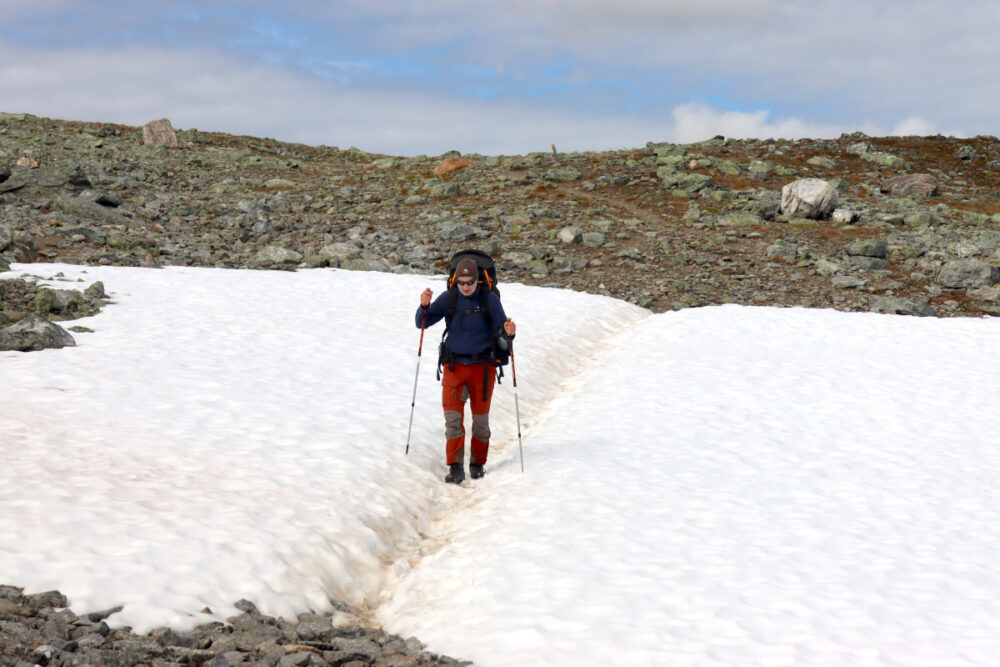
The final leg traversed the Mallan Nature Reserve. Navigating the trail in heavy rain and mud, the expedition finally reached the Three-Country Cairn, where the borders of Finland, Norway, and Sweden meet. After enduring a final night of torrential rain, the trek concluded back at the Kilpisjärvi center, leaving the hikers with a deep appreciation for the fragility of the Käsivarsi landscape.
Supporting Data and Environmental Context
The Käsivarsi Wilderness is not merely a hiking destination; it is a barometer for climate change. The early arrival of the mosquito season, as noted during this trek, is consistent with broader trends of warming in the Arctic.
- Flora Sensitivity: The identification of endangered species like the jääleinikki (Glacial Buttercup) underscores the importance of the area’s strictly protected status. These plants are highly sensitive to soil moisture and temperature fluctuations.
- Hydrological Volatility: The 39 millimeters of rain recorded during a single night on June 30 illustrates the extreme weather volatility of the region. For hikers, this means that even marked trails can become hazardous, and river crossings that are trivial in dry conditions can become life-threatening in hours.
- Visitor Impact: The high density of tents at the Kuonjarjoki and Pitsusjärvi huts suggests that the popularity of the Halti route is increasing. This poses a challenge for land management, as the delicate tundra soil is easily damaged by foot traffic and unauthorized camping.
Official Responses and Management Implications
Metsähallitus, the state enterprise responsible for managing Finland’s national parks and wilderness areas, continuously emphasizes the "Leave No Trace" principle for the Käsivarsi region. Due to the terrain’s ruggedness, the organization frequently issues warnings that the Halti trail is not suitable for novice hikers.
- Infrastructure Sustainability: The maintenance of wilderness huts is essential for safety, providing necessary shelter during the sudden, severe weather events characteristic of the fell region.
- Search and Rescue: Local authorities note that a significant portion of rescue operations in the area results from hikers underestimating the "boulder fields" (rakka) and the speed at which temperatures can drop during rain.
- Strategic Recommendations: Experts advise that travelers in the Käsivarsi area should prioritize:
- Redundancy in Navigation: While marked, the trail can vanish in fog or snow. GPS and physical maps are mandatory.
- Thermal Management: The rapid shift from 12°C to 3°C requires gear capable of handling near-freezing conditions even in summer.
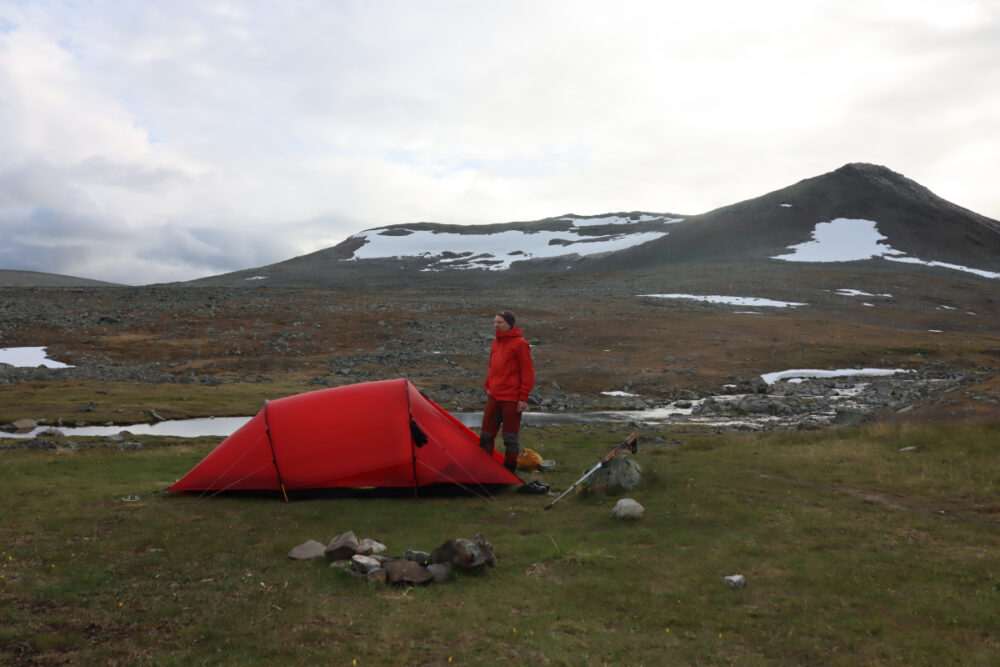
- Waterproofing: As evidenced by the tent failures during the June 30 storm, high-quality, weather-tested equipment is a requirement, not a luxury.
Implications for Future Arctic Trekking
The expedition to Halti serves as a microcosm for the broader experience of trekking in the North. As climate change accelerates, the Käsivarsi Wilderness Area faces a dual pressure: increased human visitation and shifting ecological zones.
For the hiker, the experience is transformative. The combination of the sheer, desolate scale of the terrain and the intimate details of rare mountain flowers creates a unique connection to the natural world. However, the trek also acts as a cautionary tale. The wilderness of the north does not offer the conveniences of southern trails; it demands respect, preparation, and a humble acknowledgment of human vulnerability in the face of the arctic elements.
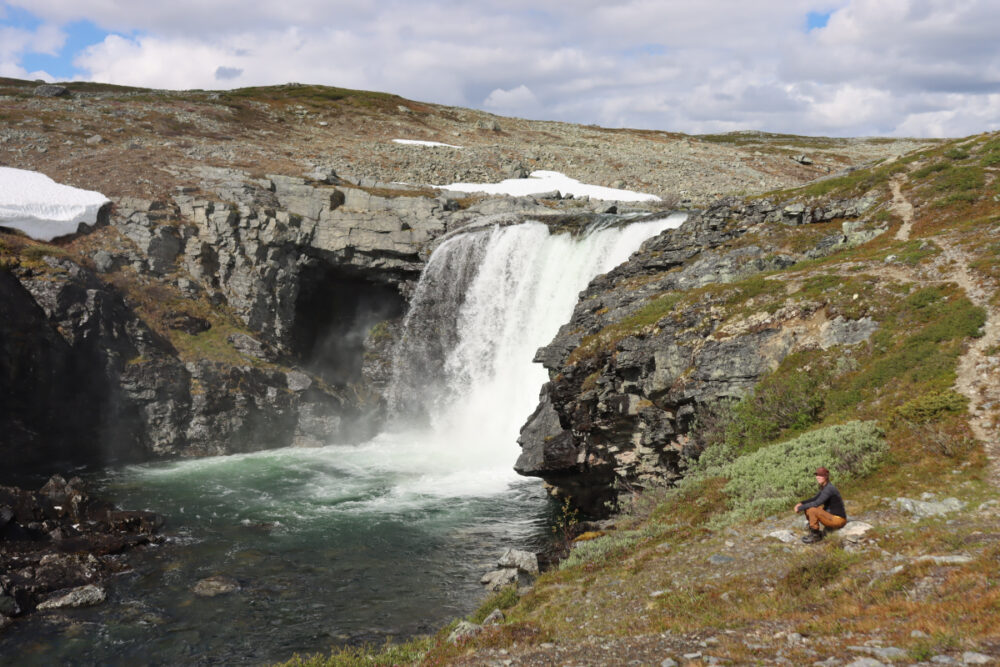
As the summer season progresses, the trail continues to test those who seek the summit. Whether one is a seasoned adventurer or a nature enthusiast, the Halti route remains a premier, albeit demanding, experience in the Finnish wilderness—a place where the wind, the stone, and the rain dictate the pace of life.