In the insular, sweat-stained world of long-distance trekking, certain aphorisms have become scripture. Phrases like “hike your own hike,” “the trail provides,” “you pack your fears,” and “don’t quit on a bad day” are recited with the rhythmic regularity of a mantra. These slogans serve as the collective wisdom of the thru-hiking community, providing comfort during grueling climbs and guidance when morale hits rock bottom.
However, beneath the polished veneer of trail philosophy lies a collection of sentiments that rarely make it into the highlight reels. During a recent 300-mile trek across Washington’s rugged Olympic Peninsula, veteran hiker and author of The Hiking Life began cataloging the thoughts that hikers genuinely harbor but almost never voice. These are the "anti-mantras"—the quiet, often hilarious contradictions that define the reality of living out of a backpack for months on end.
Main Facts: The "Anti-Mantras" of Long-Distance Trekking
The reality of thru-hiking is a juxtaposition of profound beauty and mundane misery. While hikers are expected to project an image of stoic resilience and minimalist perfection, the internal monologue often tells a different story.

The list of "unspoken" phrases compiled during recent expeditions highlights the gap between the hiker’s persona and their lived experience. For instance, while the community praises the efficiency of "zero days" (rest days spent off-trail), the reality is that many hikers find the forced inactivity of a trail town to be profoundly isolating or physically uncomfortable.
Furthermore, the obsession with ultralight gear often leads to a silent, mounting frustration. The ironic admission—"Not a day goes past when I don’t regret ditching that camp chair"—speaks to the universal desire for comfort that battles with the dogmatic pursuit of low base weights. These sentiments, ranging from the absurdity of brand loyalty to the secret longing for the stability of a desk job, reveal a subculture that is as self-aware as it is self-deprecating.
Chronology: From 1999 to the Present
The evolution of these "unspoken" truths mirrors the evolution of the gear and the culture itself. Looking back at the gear used in the late 1990s, such as the 7.28 lb (3.3 kg) Dana Designs Terraplane pack and heavy leather Scarpa boots used during a 1999 Pyrenean Haute Route expedition, the shift toward modern, ultralight equipment is stark.

- 1999: The era of heavy, durable leather boots and massive external-frame packs. The "unspoken" thought back then was likely, "I wish my pack didn’t weigh as much as a small child."
- 2011: A period of transition on trails like the Pacific Northwest Trail. Hikers began experimenting with lighter gear, but the culture of "trail town" camaraderie remained the primary focus.
- 2023–2024: The modern era, defined by specialized gear like 1/8-inch CCF mats, carbon-fiber trekking poles, and a preoccupation with specific shoe colorways, despite the availability of older, cheaper models.
This timeline demonstrates that while the technology of hiking has advanced, the fundamental human experience—the blisters, the hunger, the social dynamics, and the longing for home—has remained remarkably consistent.
Supporting Data: The Anatomy of Trail Discomfort
To understand why hikers say the things they don’t say, one must look at the specific stressors of the trail.
Gear Obsession vs. Reality
The data surrounding gear consumption is telling. Modern hikers often prioritize the aesthetics of the "current year" model of trail runners (like the Brooks Cascadia 17) over the functional utility of previous, discounted models. The unspoken truth here is one of vanity: the desire to look the part of the "pro" hiker, even when the older, cheaper model would suffice.

Nutrition and Health
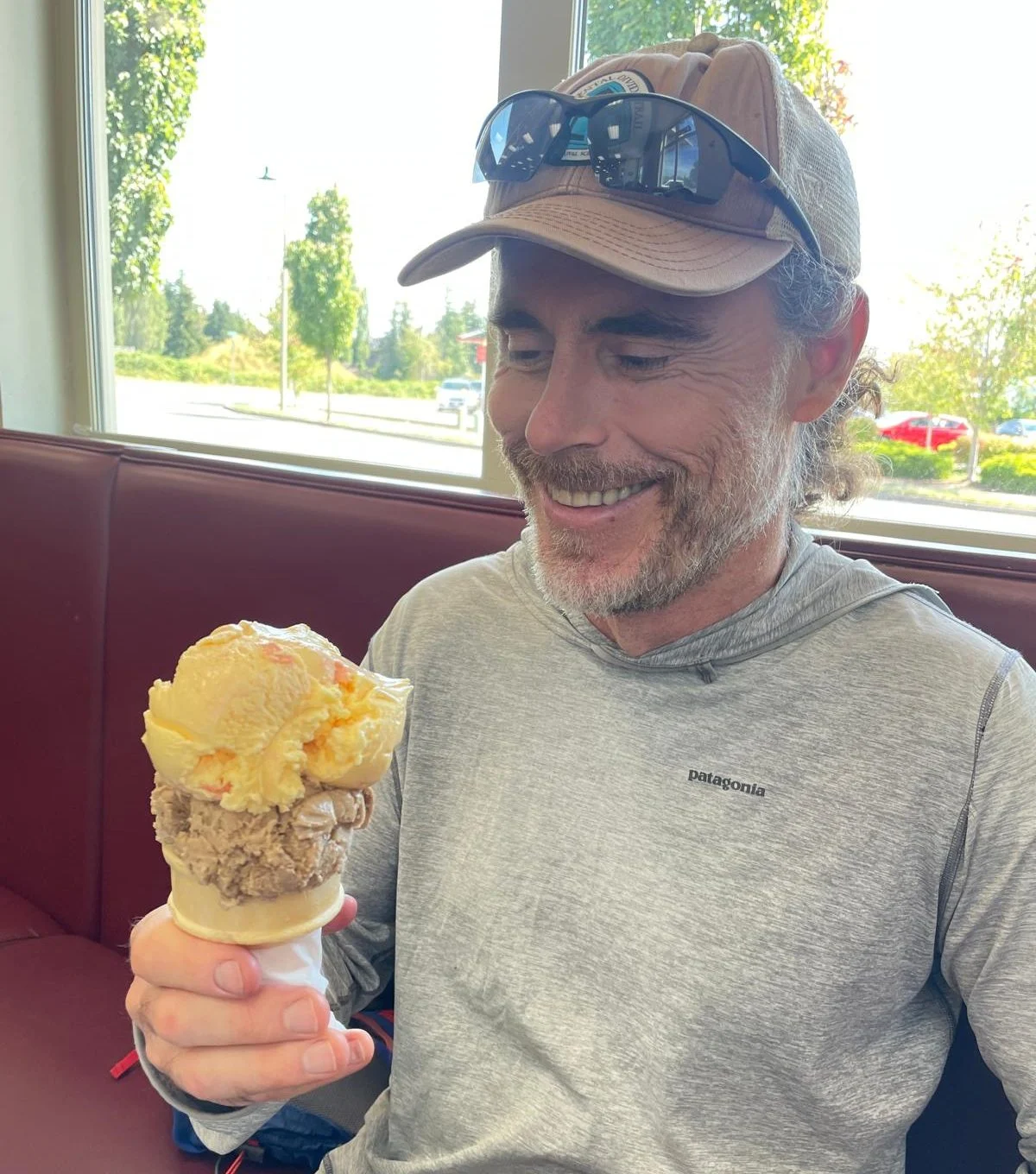
The "hiker hunger" phenomenon is well-documented, but the psychological toll of monotonous nutrition is rarely discussed. The admission that one might grow tired of Clif Bars or that a single scoop of ice cream at a trail town is insufficient is a testament to the caloric desperation that defines the lifestyle. Furthermore, the taboo subject of digestive health—often hidden behind the euphemism of "trail grit"—remains a constant, if unspoken, challenge.
Social Dynamics and Safety
The debate over safety—specifically the inclusion of firearms or the rejection of rides from strangers—highlights a divide between the "ideal" hiker, who is self-reliant and open to the kindness of strangers, and the "real" hiker, who may harbor anxieties about personal safety or the physical strain of certain tasks, such as putting on wet, frozen socks in the morning.
Official Perspectives: The Psychology of the "Hike"
Experts in outdoor recreation psychology suggest that these unspoken phrases are a natural byproduct of the "Thru-Hiker Identity." When an individual commits to a long-distance trail, they adopt a persona. This persona is expected to be resilient, optimistic, and deeply appreciative of the wilderness.

When a hiker experiences the urge to complain about an "All You Can Eat" (AYCE) buffet or admit that they would, in a moment of weakness, prefer a desk job, they are experiencing a clash between their internal state and their projected identity. The "unspoken" list serves as a pressure valve. By acknowledging these truths—even in a humorous list—hikers reaffirm their humanity against the rigid expectations of the community.
The sentiment regarding "no trespassing" signs also points to a broader cultural friction. Whether in the US or in remote corners of New Zealand, the hiker is always a visitor in someone else’s world. The humor found in these signs is a way of processing the lack of control the hiker has over their environment.
Implications: The Future of Long-Distance Hiking
What do these unspoken truths imply for the future of the sport? As long-distance hiking grows in popularity, the pressure to conform to the "perfect hiker" archetype will likely increase. This creates a risk of burnout, as hikers may feel they cannot express their genuine struggles without violating the "trail culture" code.

- Normalization of Struggle: Future trail literature should focus more on the "ugly" side of hiking—the wet socks, the bad weather, and the desire to quit. This would foster a healthier, more inclusive community.
- Redefining Success: Success on a trail should not be defined solely by the miles covered or the gear list, but by the ability to balance the physical challenge with the mental reality of the journey.
- Sustainability of the Culture: By acknowledging that hikers are, in fact, human beings who occasionally want a chair, a burger, and a warm bed, the community can become more sustainable. Rigid adherence to "purist" ideals can be exclusionary.
The Verdict
Ultimately, the beauty of the trail lies in the tension between the ideal and the real. "The trail provides," yes—but sometimes what it provides is a blistered heel, a bowl of cold-soaked beans, and a profound realization that you are very much looking forward to the comforts of home.
By bringing these unspoken thoughts into the light, hikers can find common ground. Whether you are a gram-counting ultralighter or a traditionalist with a heavy pack, the reality is that we are all, at some point, wishing we were somewhere else—only to find ourselves, inevitably, planning the next trek.
As the industry moves forward, it is essential that we continue to strip away the curated Instagram version of hiking and embrace the raw, often uncomfortable, and deeply human truth of what it actually means to walk thousands of miles. The next time you find yourself on a trail, remember: it is perfectly acceptable to admit that you have entirely too much chocolate, that your feet hurt, and that, for just one moment, you wouldn’t mind trading the mountain view for an office chair. You aren’t failing at the hike; you are succeeding at being human.