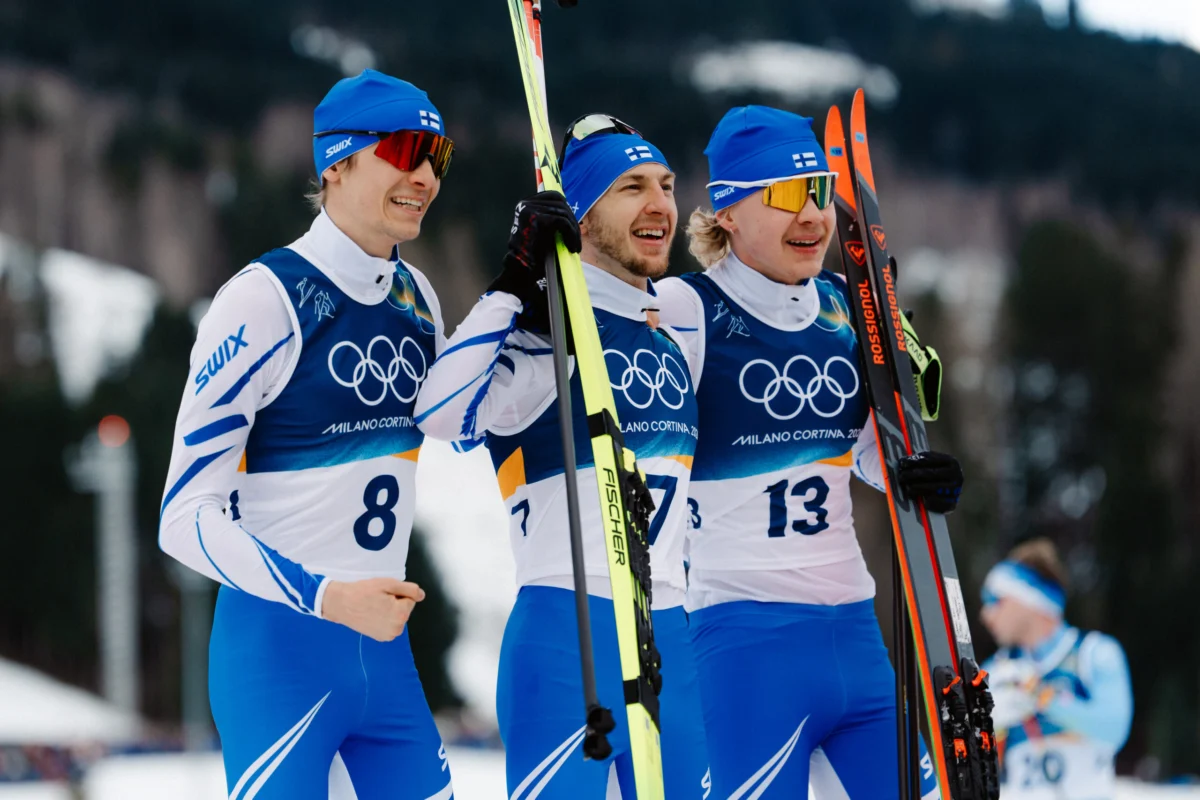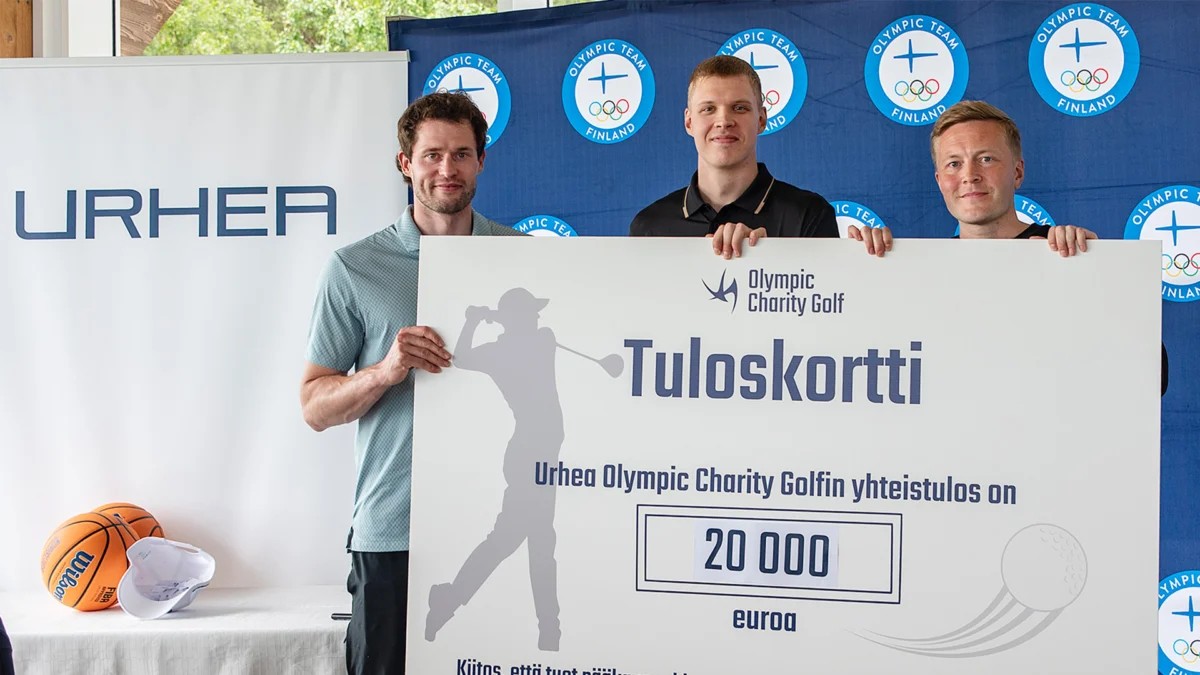

In a landmark move aimed at bolstering the "dual career" model, the Finnish government has introduced a legislative proposal to amend the Student Financial Aid Act. The initiative, currently under review, seeks to formally recognize high-level competitive sports as a valid ground for extending the duration of state-funded student financial aid. This development, which has garnered strong support from the Finnish Olympic Committee, represents a pivotal shift in how the nation supports its young elite athletes as they navigate the rigorous demands of both academia and professional sports.
Main Facts: A Legislative Bridge for Dual Careers
The core of the government’s proposal (VN/35745/2023) is to integrate "target-oriented competitive sports" into the criteria for the discretionary extension of student financial aid. This applies to both higher education and vocational/secondary education pathways.
For many years, the "dual career" model—where an athlete pursues a professional sporting career while simultaneously working or studying—has been championed as a vital safety net. It ensures that athletes are not left vulnerable once their sports careers conclude. However, the intensity of elite training, travel requirements, and competition schedules often leads to extended study times, which traditionally put these students at risk of losing their financial aid or accumulating unsustainable debt.
Under the proposed legislation, student athletes would be granted the flexibility to extend their maximum study time if they can demonstrate that their academic progress has been hindered by their pursuit of athletic excellence. The definition of "target-oriented competitive sports" would align with the 2024 guidelines for sports academy and coaching center operations, specifically targeting athletes at the Tier 1 or Tier 2 level.
Chronology: From Policy Proposal to Implementation
The journey toward this legislative update has been a multi-year effort involving sports federations, the Ministry of Education and Culture, and student organizations.
- 2023: The government mandate, led by Prime Minister Petteri Orpo, prioritized the harmonization of professional sports with education and employment. The goal was clearly stated: to enhance the conditions for athletes to reach the world stage without sacrificing their future career prospects.
- May 2024: The draft legislation was finalized and circulated for comments, marking the beginning of the formal review process.
- June 2024: The Finnish Olympic Committee officially submitted its response, praising the flexibility of the proposed changes and offering to act as the primary vetting body for athletic certification.
- Future Outlook (2025-2026): If the bill passes, the framework for "athlete status" will be established, allowing students to apply for extensions through Kela (The Social Insurance Institution of Finland) supported by certifications from their respective national sports federations.
Supporting Data and the "Dual Career" Necessity
The necessity for these reforms is rooted in the unique economic reality of Finnish athletes. According to data provided by the Olympic Committee, the vast majority of athletes in the 1st and 2nd categories face severe time constraints that prevent them from engaging in traditional student employment.
- Income Instability: Unlike standard students who may work part-time, elite athletes often face "negative income" during their training years. Travel, equipment, coaching fees, and health insurance often outweigh the prize money or stipends received by developmental athletes.
- Educational Attainment Goals: The Finnish government has set a target of having 50% of young adults hold a higher education degree. Without legislative support for athletes, this demographic is statistically more likely to drop out of higher education, creating a long-term "brain drain" from the professional sports sector into the workforce.
- The Burden of Proof: Currently, the responsibility for managing complex athletic criteria is decentralized. By centralizing this through the Olympic Committee, the government stands to save on administrative costs while ensuring a transparent and objective assessment process for Kela.
Official Responses: The Olympic Committee’s Stance
Petri Keskitalo, Deputy CEO of the Finnish Olympic Committee, has been a vocal proponent of the changes. In his official statement dated June 22, 2024, Keskitalo emphasized that these changes are not merely "perks," but essential structural adjustments.
"The Finnish Olympic Committee views the development of more flexible student aid as an excellent move for the advancement of Finnish elite sports," Keskitalo stated. He highlighted that by allowing the Olympic Committee to act as the neutral, national expert body to verify an athlete’s status, the state can avoid the bureaucratic burden of defining athletic excellence within the social security system.
Keskitalo also stressed the importance of the "Certificate of Status." Instead of forcing Kela officials to judge the quality of an athlete’s training, the athlete would simply present a verified certificate from their national federation. This ensures that the process remains streamlined, fair, and based on objective, sport-specific data.
Implications: A New Era for Student Athletes
The potential implications of this legislation extend far beyond the immediate financial relief.
1. The Financial Aid Shift
As the Finnish student aid system moves toward a more loan-heavy model, the risk for students increases. The Olympic Committee is calling for safeguards to ensure that athletes remain eligible for "study loan forgiveness" even if their studies are delayed due to athletic commitments. Without this protection, an athlete who represents their country at a world championship could find themselves unfairly penalized by the financial aid system, effectively taxing them for their patriotism and dedication.
2. Institutional Flexibility
The reform forces a conversation about the culture of universities and vocational schools. Keskitalo notes that "flexible student aid alone is not enough." There is a pressing need for "individual study paths," where professors and academic departments accommodate the travel and training schedules of elite performers. This is already being seen in the development of "Elite Athlete Friendly Higher Education" (HUMKK) programs, but these need to be scaled nationwide.
3. Proactive Planning
A significant recommendation from the Olympic Committee is the concept of "predictability." They suggest that a student should be able to receive a guarantee of flexibility at the start of their studies if they meet the criteria. This would allow an athlete to map out a 7- or 8-year degree plan that accounts for, for example, two Olympic cycles, rather than having to apply for extensions retroactively when a crisis of study progress occurs.
4. A Model for Other Nations
Finland’s approach, if successful, could serve as a global benchmark for the "dual career" model. By integrating athletic development into the national education policy, Finland is signaling that high-level sport is not a hobby to be pursued in the margins of life, but a legitimate pursuit that deserves to be nurtured alongside intellectual development.
Conclusion: Investing in the Whole Human
The proposed changes to the Student Financial Aid Act are a pragmatic recognition of the modern athlete’s struggle. As the world of sport becomes increasingly professionalized at younger ages, the window of opportunity for an athlete to reach the podium is narrow. By removing the financial anxiety associated with extended study times, the Finnish government is not just supporting a student—it is investing in a future professional who will eventually transition from the track or the pool into the workforce with a degree in hand.
As the legislative process moves forward, the focus will remain on the transparency of the criteria and the cooperation between the state, the Olympic Committee, and the academic institutions. For the thousands of young Finns currently balancing the weights of a barbell and the weight of a thesis, this reform offers more than just money; it offers the security to pursue both of their dreams with equal vigor.