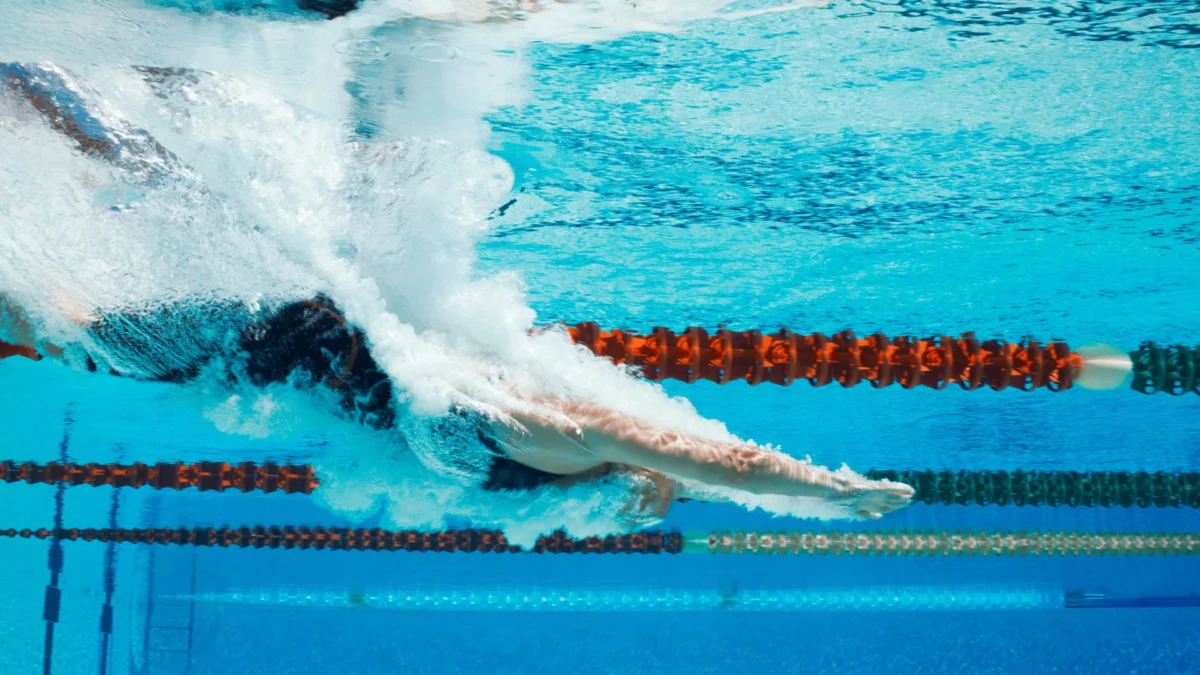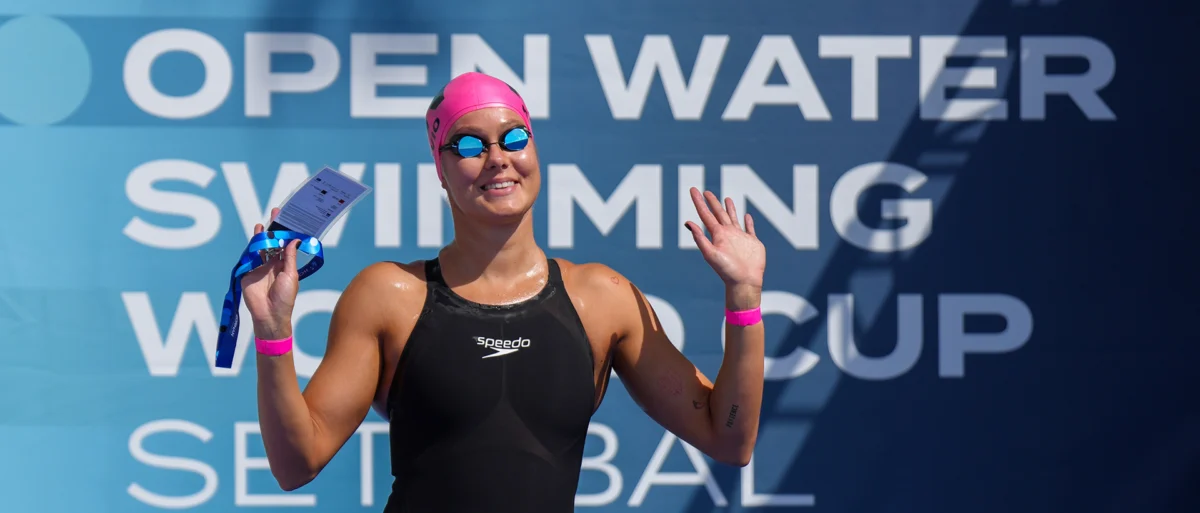
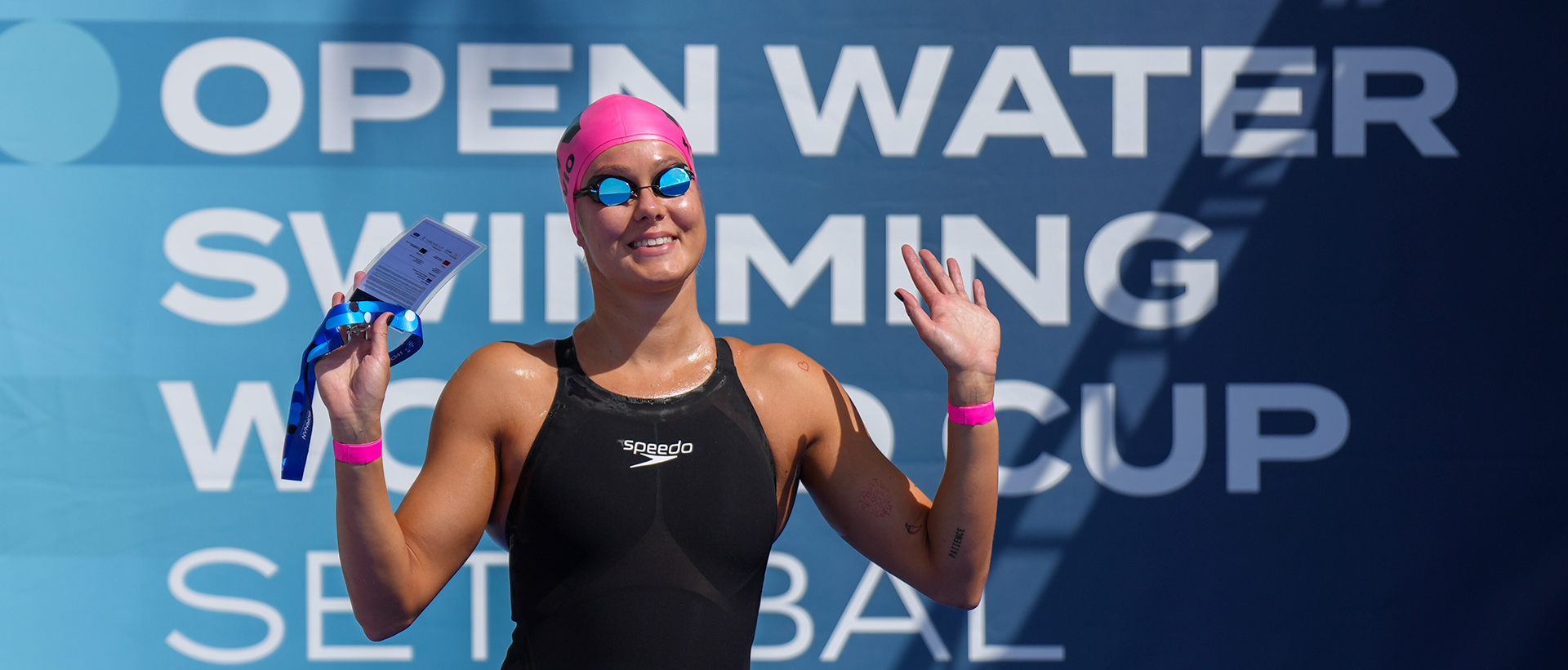
In the quiet, rhythmic churn of the Leppävaara outdoor pool, a lone figure cuts through the water with a combination of relaxed grace and relentless velocity. This is Louna Kasvio, the solitary star of Finnish open-water swimming. While the morning mist hangs heavy over the lanes, she is already two hours into a grueling session—a daily ritual that defines her existence.
As she reaches the wall and pulls herself out, her face breaks into a modest, yet determined smile. "Could you move slightly?" she asks, peering past the poolside bustle to check the pace clock. "I was planning to swim for a bit longer."
For the 20-year-old athlete, "a bit longer" is merely a fraction of a 35-hour training week. Kasvio is not just a swimmer; she is a professional athlete operating at the razor’s edge of human endurance. With a weekly volume of 80–100 kilometers in the water, supplemented by three weightlifting sessions and four aerobic conditioning workouts, her life is a meticulously choreographed sequence of exertion and recovery.
The Weight of a Legacy
To understand Louna Kasvio’s drive, one must acknowledge the shadow—or perhaps the foundation—of her surname. She represents the fourth generation of a Finnish sporting dynasty. Her father and coach, Antti Kasvio, is a freestyle world champion, European champion, and Olympic bronze medalist. Her grandfather, Matti Kasvio, competed in the 1964 Olympics, and her grandmother, Ulla Patrikka, was an Olympic swimmer in 1968. The lineage extends further back to the pioneers Einari and Rauha Patrikka, and the family patriarch, Taisto Kasvio, a former national team coach.
Yet, Louna is fiercely protective of her own identity. "When I was younger, it used to irritate me when I was constantly compared to my father, my grandparents, or my ancestors," she admits. "I decided early on that I wanted to carve my own career and achieve my own results."
While she does not shy away from the history, she refuses to let it define her. "Swimming has always been at the center of our family, a natural part of life. But I wasn’t forced into the pool. I don’t dwell on the past or feel pressure from the lineage; I look forward to my own path."
Chronology: From Prodigy to Professional
Louna’s journey was not a straight line from birth to the world stage. Though she learned to swim before the age of three, it took years for her competitive fire to ignite.
- Early Years: As a child, she was more interested in reading and intellectual pursuits than athletics. The turning point came in the first grade when she won a 25-meter school competition. That initial taste of success transformed her perspective.
- Age 10: By the time she was ten, she was competing in national age-group championships, training five times a week.
- The Breakthrough: At 17, she established herself as a top-tier pool swimmer, winning medals at the European Junior Championships and reaching finals at the senior level.
- The Pivot to Open Water: Following a difficult season marred by illness, her father suggested she try open-water swimming at the Finnish Championships in Raseborg. Despite the cold, rain-swept conditions, she finished second overall, ahead of most of the men’s field. She was instantly hooked. Shortly thereafter, she finished fifth at the European Junior Championships, signaling a permanent shift in her career focus.
The Brutality of the Marathon Distance
Antti Kasvio, having transitioned from a world-class sprinter to his daughter’s coach, is the first to note the differences in their disciplines. "I trained for events that lasted two to four minutes," Antti explains. "Louna’s events last 120 minutes. You cannot use the same training methods."
The physiological demands are staggering. Open-water swimming is not merely about speed; it is about tactical navigation, endurance, and physical toughness.
"Open-water swimming is a marathon in shifting conditions," Louna says. "You have to be prepared for everything—the waves, the cold, and the other 80 swimmers who are constantly bumping into you."
Her training philosophy, directed by Antti, focuses on technical mastery under fatigue. "We concentrate on maintaining an efficient stroke so that she can swim at her anaerobic threshold for the entire race, while still having the capacity to change pace when needed," Antti notes. "Louna’s process is, in many ways, even more brutal than what I experienced."
Supporting Data: The Logistics of Elite Performance
The Kasvio "family team" operates with the efficiency of a corporate entity. While Louna trains, her mother, Hanna Kasvio, manages the complex logistics, travel, and sponsorships required to keep an elite athlete on the international circuit.
- Global Travel: Over one-third of the year is spent abroad, chasing warm-water training camps and international competitions.
- Infrastructure Challenges: A significant hurdle for Finnish swimmers is the lack of exclusive pool time. "To train for marathon swimming properly, you need two hours of uninterrupted lane time, twice a day," Hanna Kasvio explains. "In municipal pools, this is nearly impossible. Our international competitors often have access to private facilities or dedicated lanes."
Despite these infrastructural disadvantages, Louna has produced world-class results:
- 2025 Season: Winner of the Junior World Cup overall title and 19th in the senior World Championships.
- Current Season: 8th place in the 10km and 10th in the 5km at the European Championships.
Official Responses and Programs
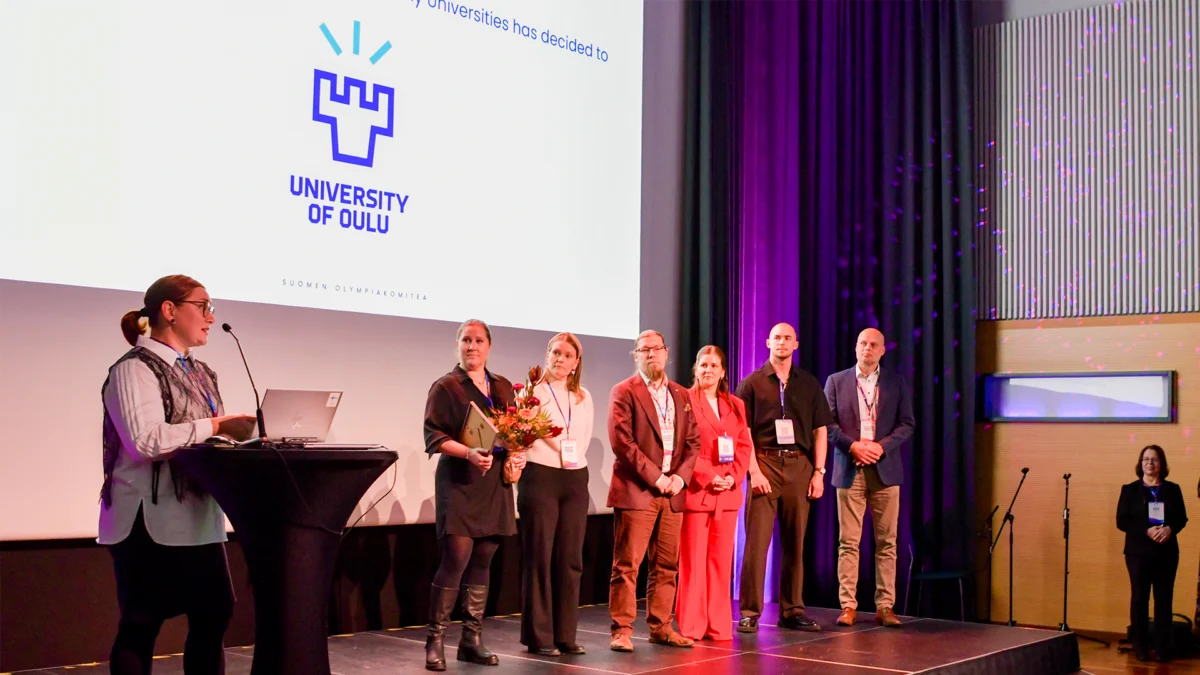
Louna’s potential has not gone unnoticed by the Finnish sporting establishment. Earlier this year, she was selected for the Next Generation Team Finland program, an initiative by the Finnish Olympic Committee.
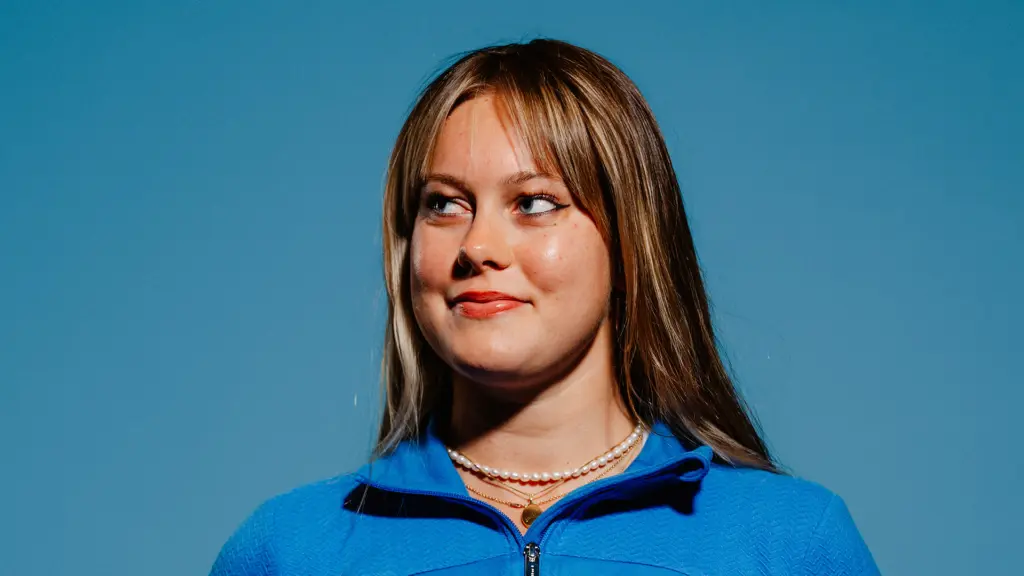
The program is designed to identify athletes aged 15–22 with the potential to reach the absolute world summit. It provides a customized support package worth over €10,000, covering financial assistance, expert services, and specialized equipment. This investment is crucial for athletes like Louna, who must bridge the gap between national-level training and the professional, full-time setups of major swimming powers.
"The goal is to provide these young talents with the resources to focus entirely on their development," a representative from the Olympic Committee stated. For Kasvio, this means better access to recovery experts, specialized nutritionists, and the ability to travel to international competitions without the burden of self-funding.
Implications: The Road to 2028 and Beyond
The average age for success in elite open-water swimming is 24–25, giving the 20-year-old Kasvio a clear runway for growth. However, she remains grounded. Her success is built on a foundation of consistency—the idea that if she is not injured, she will perform.
"I don’t look for shortcuts," Louna says. "I know that the early mornings in the dark, cold Finnish autumn are part of the process. I know the work will be rewarded."
The sport of open-water swimming is gaining popularity, but it remains a niche discipline compared to its pool-based counterpart. Kasvio’s rise is helping to shift that narrative in Finland. By becoming the first Finnish open-water swimmer to reach consistent international success, she is essentially inventing the roadmap for the next generation of Finnish swimmers.
Her ambition is simple yet profound: "I want to have a long career and enjoy every moment of it. I want to win, yes, but more than that, I want to fully exhaust my potential. I don’t feel like I need a break or a life outside of this right now. There will be time for that when I’m older."
As she stands on the pool deck, dripping with water and ready for her next set, there is a sense of inevitability about her. Louna Kasvio is no longer just a daughter of a swimming dynasty; she is a trailblazer in a sport that demands everything. And for now, that is exactly where she wants to be.