By Tapio Kujala
July 28, 2026
For the Finnish Entomological Society, the annual spring excursion is more than just a trip; it is a pilgrimage into the heart of nature’s smallest, most complex societies. This year, the society set its sights on a destination that, while geographically closer to Helsinki than Hämeenlinna, offers a vastly different biological tapestry: Estonia.
Crossing the Gulf of Finland reveals a true paradise for entomologists. Estonia serves as a gateway to species that are currently rare or non-existent in Finland, providing a glimpse into the shifts in biodiversity occurring across the Baltic region.
Main Facts: A Gateway to Baltic Biodiversity
The expedition, while officially scheduled as a weekend event, was extended by participants to maximize the potential for discovery. The proximity of Estonia to Finland—combined with the distinct ecological barriers presented by the Gulf—has created a scenario where species distribution remains uneven. Many insects thriving in the Estonian landscape have not yet successfully crossed the maritime gap to establish populations in Finland, or they remain confined to southern regions of their range.
The primary objective of this trip was not merely observation, but the documentation of species density and the study of specialized habitats that are rapidly disappearing in more industrialized regions. By utilizing personal transport, the researchers secured the freedom to navigate between remote, promising sites and respond to fleeting weather windows that often dictate the activity of invertebrates.
Chronology: The Journey Unfolds
The Arrival and Logistics
The journey began on Thursday, two days before the official society meeting, allowing for a thorough "pre-expedition" scouting phase. The team opted to head toward the western coast, specifically the region near Muraste, just twenty kilometers west of the Tallinn port.

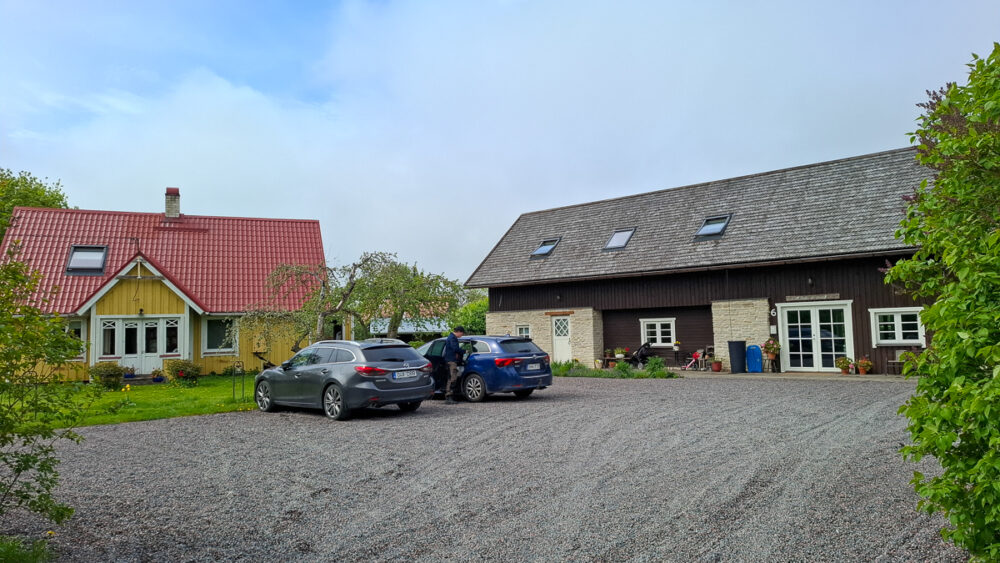
The choice of lodging, Loo Kodu & Köök, proved to be an invaluable asset. Housed in a historic 1901 building, the B&B offered a quintessential rural Estonian atmosphere. The autonomy provided by the vehicle allowed the researchers to access coastal dunes and marshes during the most productive hours, bypassing the constraints of public transport.
Thursday: Initial Observations
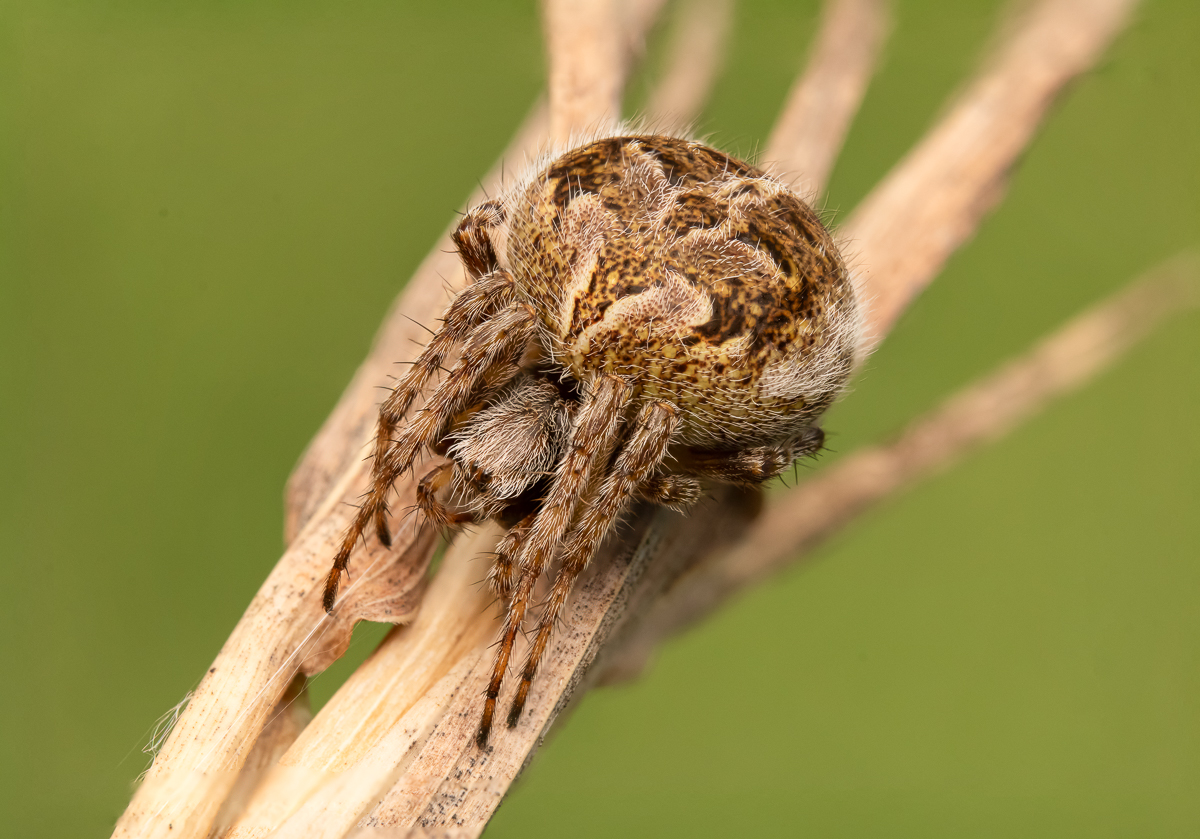
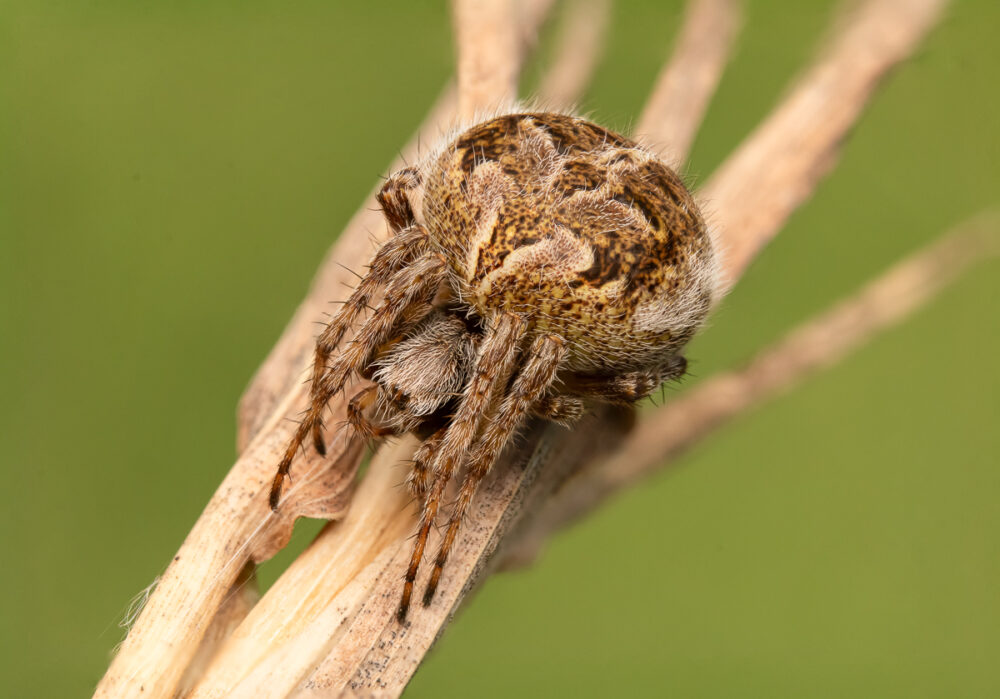
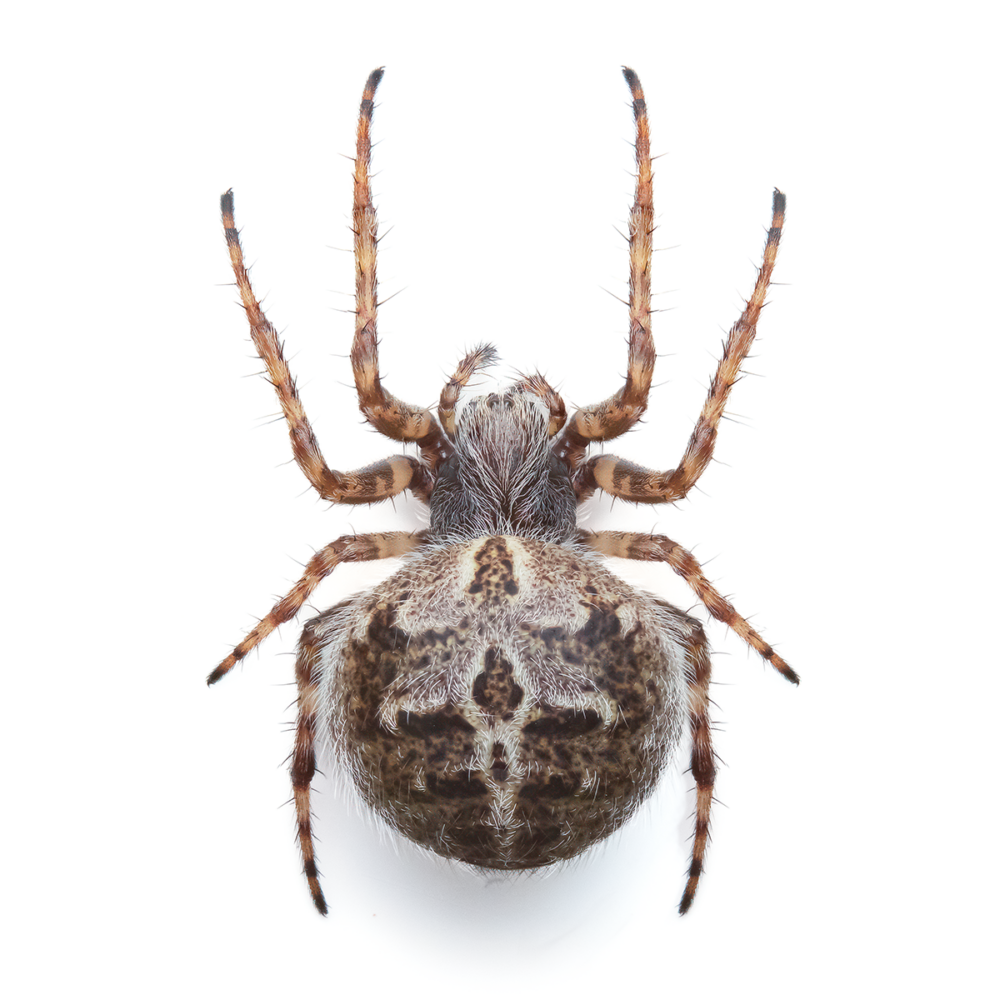
Despite a chilly, overcast start on Thursday, the team’s resolve remained unshaken. The primary focus was the immediate vicinity of the historic estate. Within hours, the researchers identified the "Pörrökki" (Agalenatea redii), a species of orb-weaver spider. In Finland, this spider is classified as a species of concern—a rare sight for most enthusiasts. In Estonia, however, it is relatively common. The spider, whose name is as delightful as its appearance, served as a poignant reminder of why these cross-border expeditions are essential.
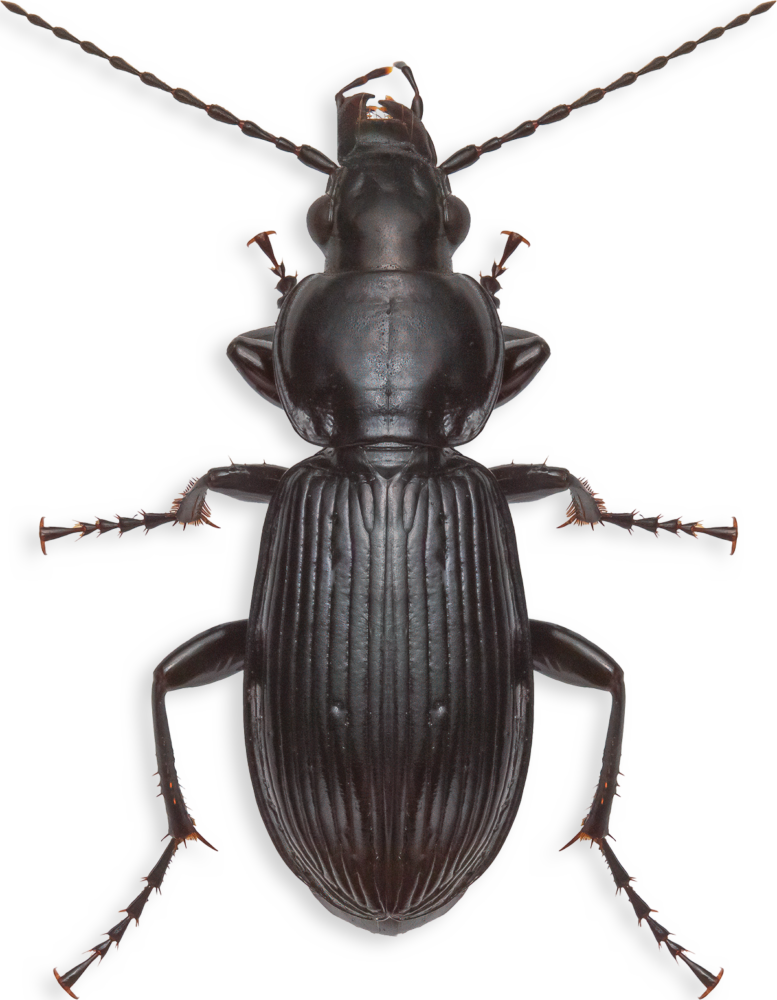
Later that afternoon, the team encountered a black ground beetle scurrying through the undergrowth. Upon closer inspection and subsequent classification, it was identified as Pterostichus aethiops (the wood-dwelling ground beetle). A predator of old-growth forests, this beetle is a rare find in the Finnish interior, making its discovery in the Estonian shadows a highlight of the first day.
Friday: Into the Coastal Marshlands
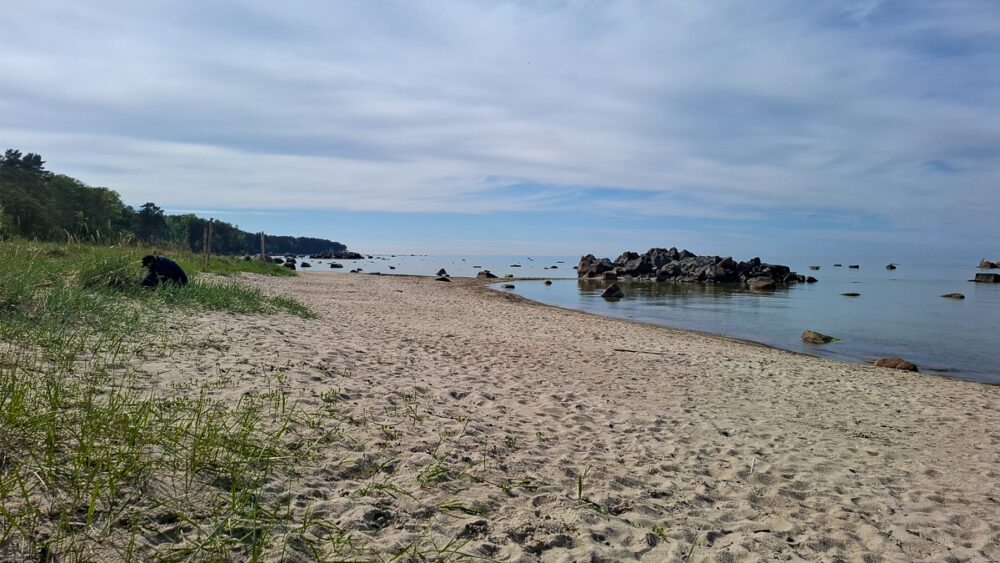
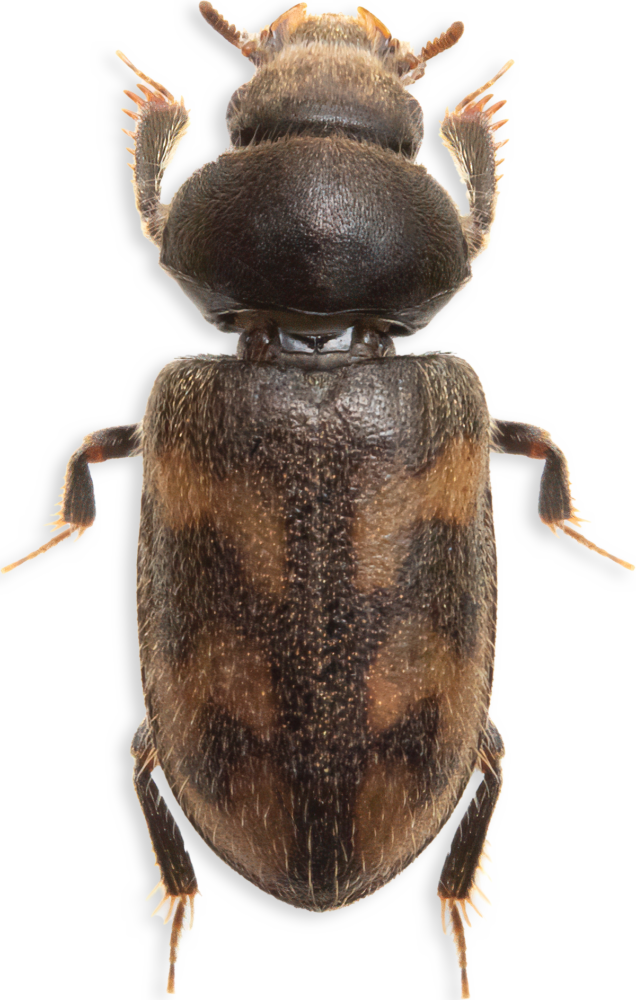
Friday shifted the focus toward the coastline. The target was the muddy, shifting sands of the Meriküla region. Here, the team encountered the Augyles hispidulus, known in Finnish as the "Hietatöyryläs." This species, part of the variegated mud-loving beetle family, is an endangered resident of the Finnish coast, found only in fragmented populations between Kokkola and Oulu. Its presence in Estonia, in higher densities, provided critical data on the species’ habitat requirements and behavioral patterns.
Supporting Data: The Science of Small Things
The research conducted during the trip highlighted several key biological phenomena:
1. The Strategy of Subterranean Life
The Augyles hispidulus provides a masterclass in survival. These beetles possess robust front legs designed for excavating complex, maze-like tunnels in mud. They live in dense communal colonies beneath the surface, filtering organic matter and algae between grains of sand. The expedition recorded the fascinating detail that both larvae and adults produce stridulating sounds by rubbing body parts together. This acoustic communication is vital for social cohesion in the pitch-black environment of their tunnels and serves as a deterrent to predators.
2. Specialized Morphology
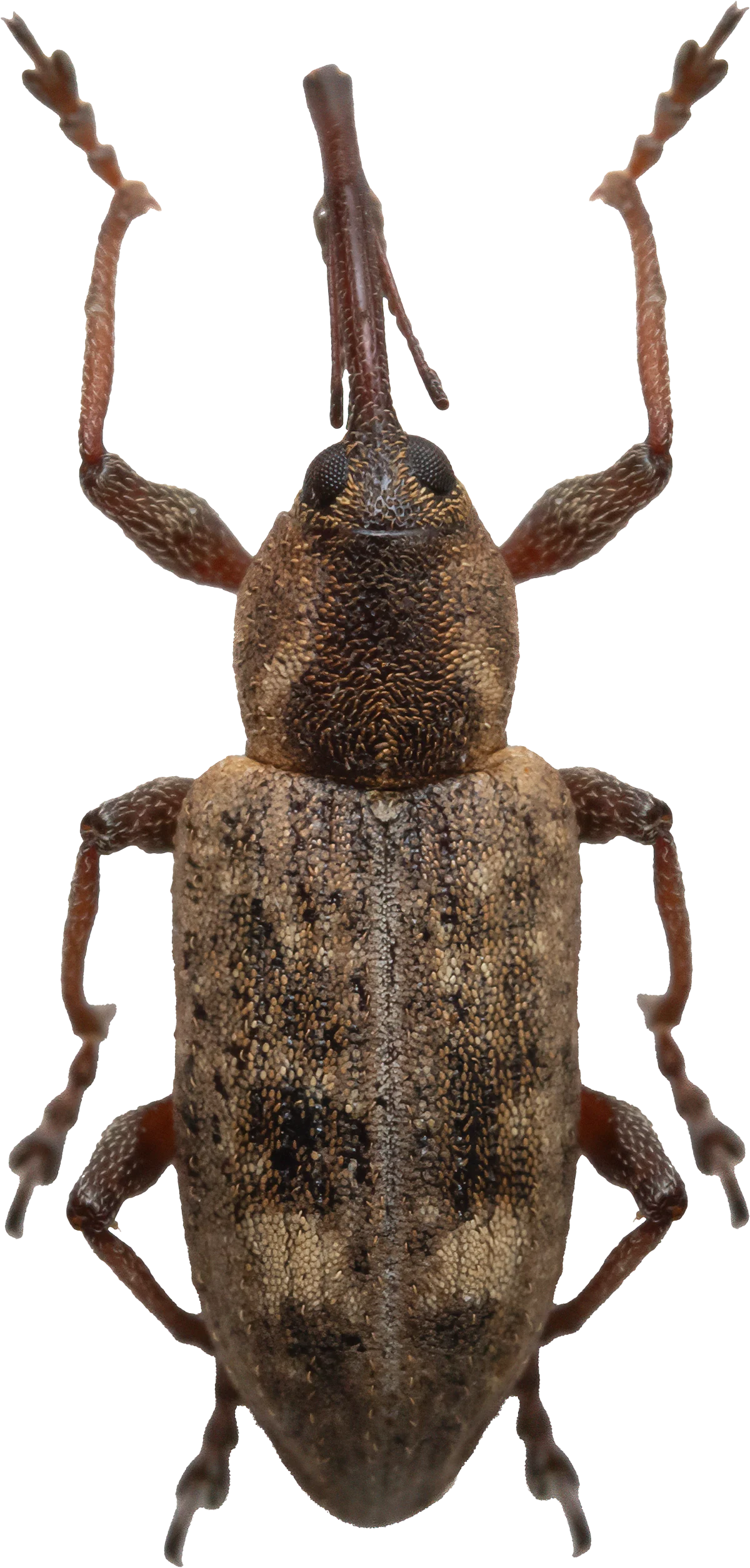
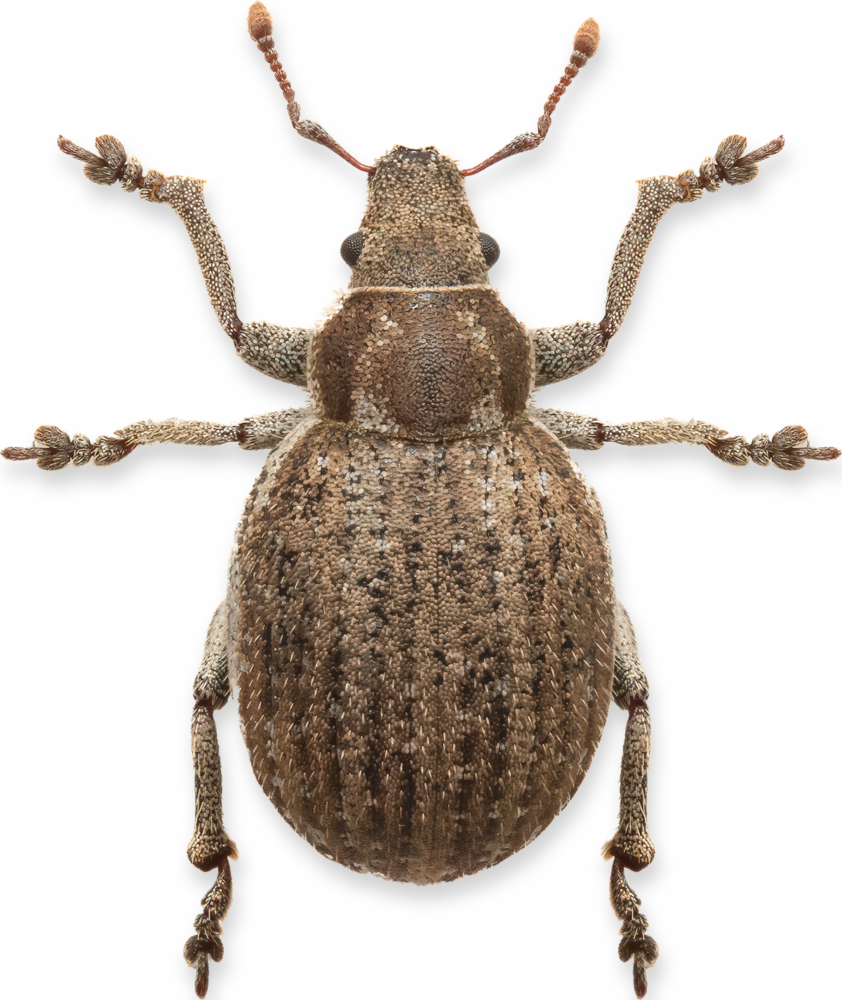
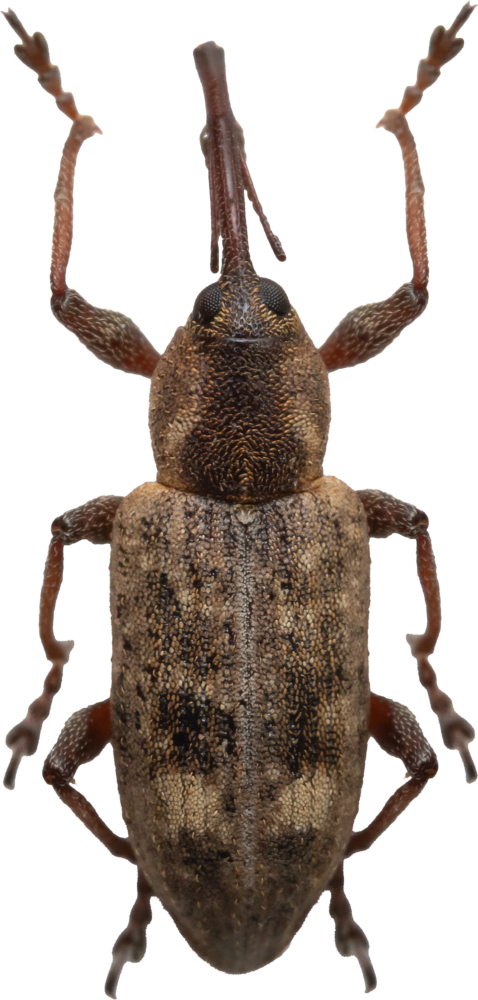
The discovery of the Thryogenes festucae (Isorytikärsäkäs) offered a contrast in evolutionary adaptation. Unlike the burrowing beetles, this weevil is a specialized resident of reeds and sedges. Its elongated, straw-like body allows it to bore deep into the stems of common reeds, accessing the nutrient-rich pith within. By remaining inside the plant structure, the beetle effectively masks its presence from avian and insectoid predators, a survival strategy that relies heavily on the maintenance of healthy, undisturbed wetland vegetation.
Official Perspectives: The Entomological Society’s Stance
The Finnish Entomological Society emphasizes that these trips are not merely recreational. They serve as essential monitoring tools. By comparing the species distribution in Estonia with Finnish data, researchers can better predict the movement of populations in response to climate change.
"We are seeing a trend where species that were once considered strictly southern are beginning to push northward," one researcher noted. "The Estonian sites act as a biological ‘early warning system’ for what we might expect to see in the Finnish archipelago in the coming decades."
The Society’s internal reports suggest that the preservation of these specific micro-habitats—the muddy shores and the ancient woodlands—is the single most important factor in maintaining regional biodiversity.
Implications: A Future for Conservation
The implications of this trip extend far beyond a list of identified species. Several conclusions can be drawn:
- Cross-Border Collaboration: The success of this trip underscores the necessity of pan-Baltic cooperation. Species do not recognize national borders; therefore, conservation efforts must be aligned between Finland and Estonia to protect the migratory paths of invertebrates.
- The Value of Citizen Science: The enthusiasm of amateur and professional entomologists alike contributes to massive datasets. Platforms like the ones discussed on Instagram (@hyonteismies) allow for the rapid sharing of visual evidence, which helps scientists track species movement in real-time.
- Habitat Restoration: The observation of Pterostichus aethiops in old-growth areas confirms that the presence of decaying wood and undisturbed forest floor is non-negotiable for high-level biodiversity. If Finland wishes to see a return of such species, the restoration of "wild" forest pockets must be prioritized.
As the team prepared to leave on Sunday, the mood was one of both accomplishment and urgency. The expedition to Estonia was a resounding success, but it served as a stark reminder of the fragile balance required to keep these species thriving.
The journey concluded with the team planning future visits to the limestone cliffs and storm-lashed shores of the northern coast, hoping to uncover even more of the hidden life that pulses just beneath the surface of our northern landscapes.
For those interested in the ongoing results of this study, the Finnish Entomological Society encourages public engagement. Protecting the smallest members of our ecosystem is, ultimately, the most effective way to ensure the health of the entire environment.
For more information on the species discussed or to view the full gallery of macro-photographs, follow the updates via the Society’s channels and the @hyonteismies feed.