In the world of high-performance backpacking, the mantra has long been "lighter is better." For decades, the pursuit of the lowest possible base weight has pushed hikers toward minimalist equipment, including ultralight rain shells. While these featherweight garments are ideal for fair-weather trips or predictable climates, they often fail when confronted with the brutal realities of sustained, inclement weather.
As outdoor gear technology evolves, there is a growing realization that for serious backcountry enthusiasts, the "ultralight at all costs" mentality may be a liability. This article explores the strategic decision to carry a few extra ounces of weight in exchange for superior durability, refined ventilation, and reliable thermoregulation.
The Core Philosophy: Balancing Weight, Durability, and Ventilation
The primary compromise in ultralight rainwear is the sacrifice of mechanical features for weight reduction. A typical sub-5-ounce rain jacket is often a simple, pull-on shell with limited adjustment points and no active ventilation—no pit zips, no hood volume toggles, and minimal cuff control.
While these jackets keep you dry in short bursts of rain, they struggle during high-exertion activities. When you are moving uphill in the rain, your body generates significant heat and moisture. Without proper ventilation, this internal moisture has nowhere to go, leading to "wetting out" from the inside. You are essentially wearing a plastic bag; while you are protected from the outside, you are soaked by your own perspiration.
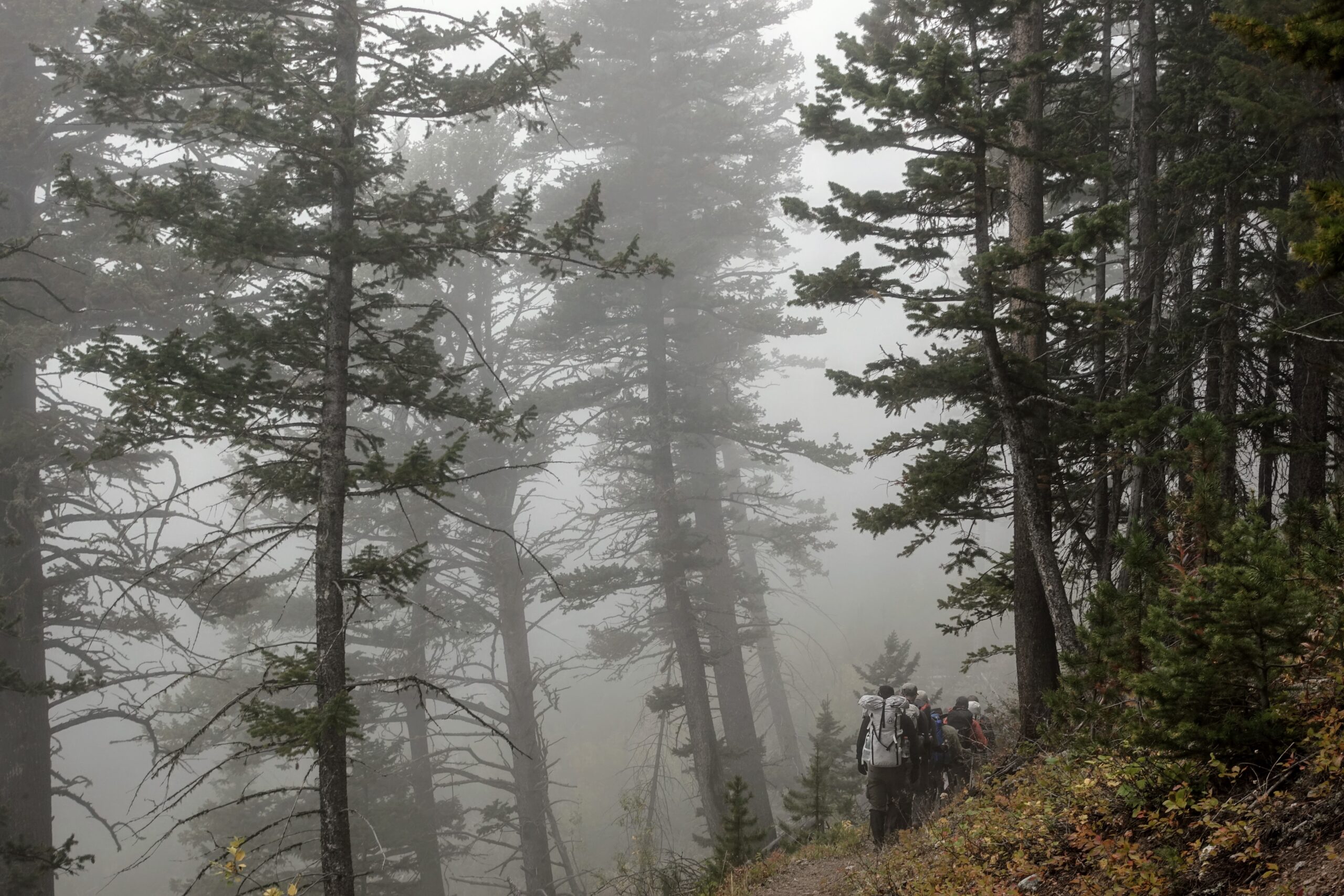
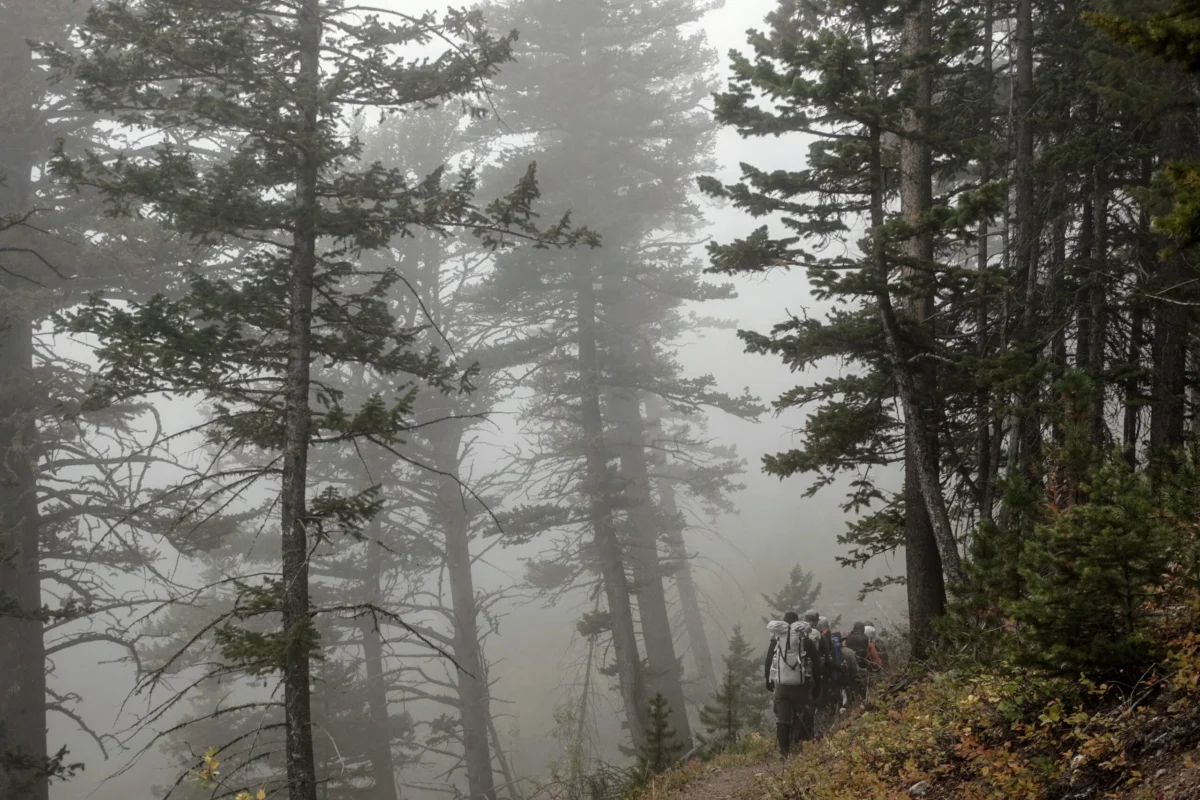
For the hiker in sustained, rugged conditions—such as a week-long trek in the Pacific Northwest or a shoulder-season crossing in the Rockies—the extra 5 to 8 ounces spent on a more robust jacket is not merely "extra weight"; it is an essential investment in safety and comfort.
The Evolution of Layering Systems
To understand why traditional raingear design is being re-evaluated, one must first look at the classic three-layer system. This system is designed to address three distinct functions:
- Wicking (Base Layer): Moving moisture away from the skin.
- Insulation (Mid-Layer): Trapping body heat.
- Shell (Outer Layer): Providing a barrier against wind and external moisture.
In this model, the goal is to keep the hiker dry and within a comfortable thermal range. However, the system relies on the shell’s ability to "breathe." As fabric technology advances, the focus has shifted toward membranes that offer higher moisture vapor transmission rates (MVTR) and more durable, hydrophobic face fabrics. Modern gear, such as jackets utilizing Gore-Tex ePE laminates with 40D nylon face fabrics, provides a significant leap in performance over the 7D or 10D fabrics common in the ultralight market.
Chronology of Gear Adaptation
The shift in gear philosophy hasn’t happened overnight. It has been a gradual response to the evolving needs of the backpacking community.
- The Early 2000s: The rise of the "ultralight" movement prioritized cutting every possible gram, leading to the proliferation of thin, non-breathable, or minimally breathable rain gear.
- 2010–2020: As hikers pushed into more remote, high-altitude, and multi-week routes, reports of gear failure—specifically punctures, abrasion from pack straps, and catastrophic wetting-out—became more common.
- 2020–2025: A period of refinement. With the introduction of high-tech membranes and more sustainable, yet durable, manufacturing processes, the industry began producing "hybrid" gear—jackets that weigh significantly less than traditional mountaineering shells but offer far more features than emergency ponchos.
- May 2026 (Current State): The market now distinguishes between "trail running" rain gear (ultra-minimalist) and "expedition-ready" backpacking gear. The consensus among expert guides is that for serious shoulder-season trips, the latter is the only responsible choice.
The "Wind-Cold-Rain" Trifecta: A Danger Zone
Every hiker should be acutely aware of the "discomfort trifecta": the intersection of temperatures in the 50s°F (10°C) or lower, sustained precipitation, and wind speeds exceeding 10 mph.
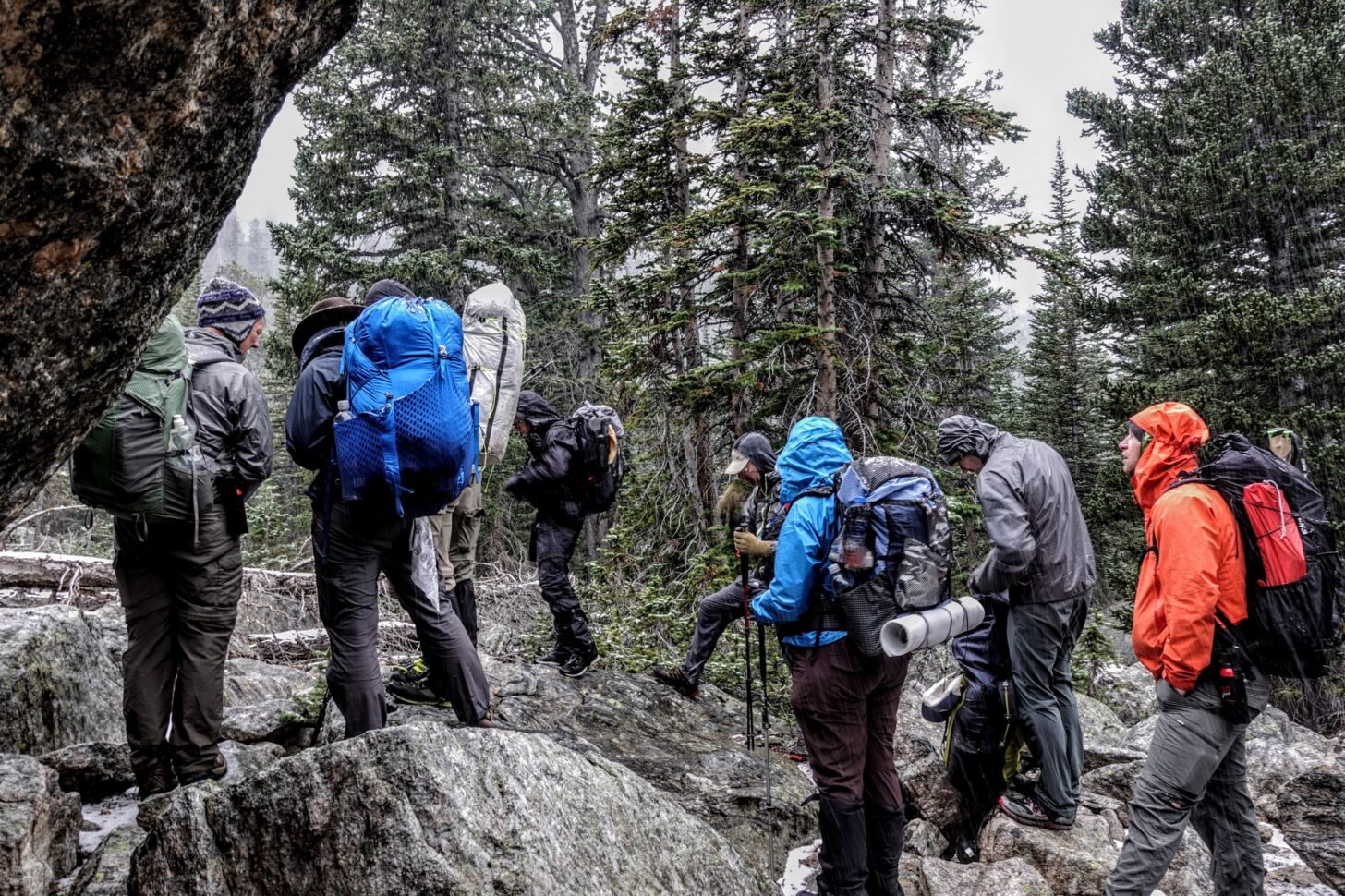
When these three factors converge, the risk of hypothermia rises sharply. In such conditions, simple rain jackets often fail because the user cannot dump excess heat. When you stop to catch your breath or navigate a technical section, your sweat-soaked base layer begins to cool, and the evaporation process leaches heat from your body.
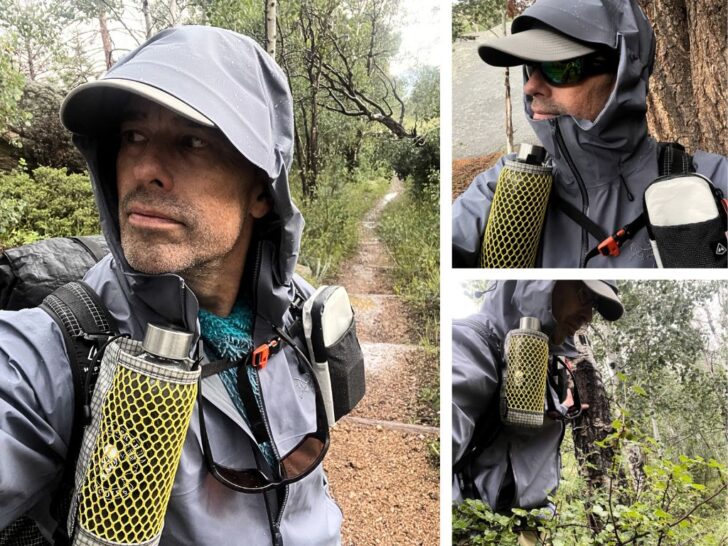
A jacket equipped with pit zips, adjustable hood volume (to keep the brim out of your eyes while maintaining a seal), and adjustable cuffs allows the user to modulate airflow. By opening these vents, you can keep your core temperature stable during intense exertion, preventing the accumulation of moisture that leads to the "post-hike chill."
Supporting Data: Efficiency vs. Weight
To illustrate the disparity in systems, consider the contrast between an ultralight setup and a high-performance system:

- The Ultralight System: A merino base layer (116g), a synthetic mid-layer (99g), and a 7D waterproof smock (88g) totals approximately 303g (10.7 oz). It is incredibly light, but it offers almost no room for error if the weather turns truly foul.
- The High-Performance System: A robust base layer, a high-loft fleece, and a 40D, fully-featured, pit-zipped shell (approx. 340g just for the jacket). While the total system weight may jump to nearly 600-700g, the utility is vastly higher.
The data indicates that while the ultralight system is "sufficient" for fair-weather summer hiking, it fails the threshold test for extended shoulder-season use. The cost of carrying the extra 300g is a small price to pay for the ability to safely navigate a 34°F (1°C) sleet storm in the backcountry.
Official Industry Perspectives
Manufacturers and gear experts increasingly point toward the "intended use" of a product as the most important metric.
"We design our 7D shells for the athlete who knows they will be moving fast and light, and who has a high tolerance for moisture," says one lead product designer at a major outdoor brand. "But for a multi-day trip where you aren’t sure if you’ll be able to dry out your gear in a hut or a car, we advocate for something more substantial. The durability of a 40D face fabric isn’t just about resisting tears; it’s about maintaining the integrity of the DWR (Durable Water Repellent) finish and the membrane underneath, which can be crushed and compromised in thinner fabrics under the weight of a heavy pack."
Implications for Future Backpacking Trips
As we look toward the future of the sport, the implications for the average hiker are clear:
- Context is King: Before purchasing a rain shell, evaluate your most frequent environment. If you hike in the desert, keep it light. If you hike in the mountains, prioritize features.
- Redefine "Weight Penalty": Start viewing "extra weight" as "safety margin." The comfort of a dry, regulated core is worth the physical effort of carrying a few extra ounces.
- Invest in Versatility: A jacket with pit zips and a high-volume hood can serve you in 90% of weather conditions, whereas a minimalist smock may leave you stranded when conditions turn.
The "ultralight" movement has been transformative for the sport, but it is not a dogma. True skill in backpacking lies in selecting the right tool for the specific job. By embracing durable, ventilated raingear, hikers can extend their season, increase their safety, and—perhaps most importantly—stay comfortable enough to enjoy the wild places they have traveled so far to see.