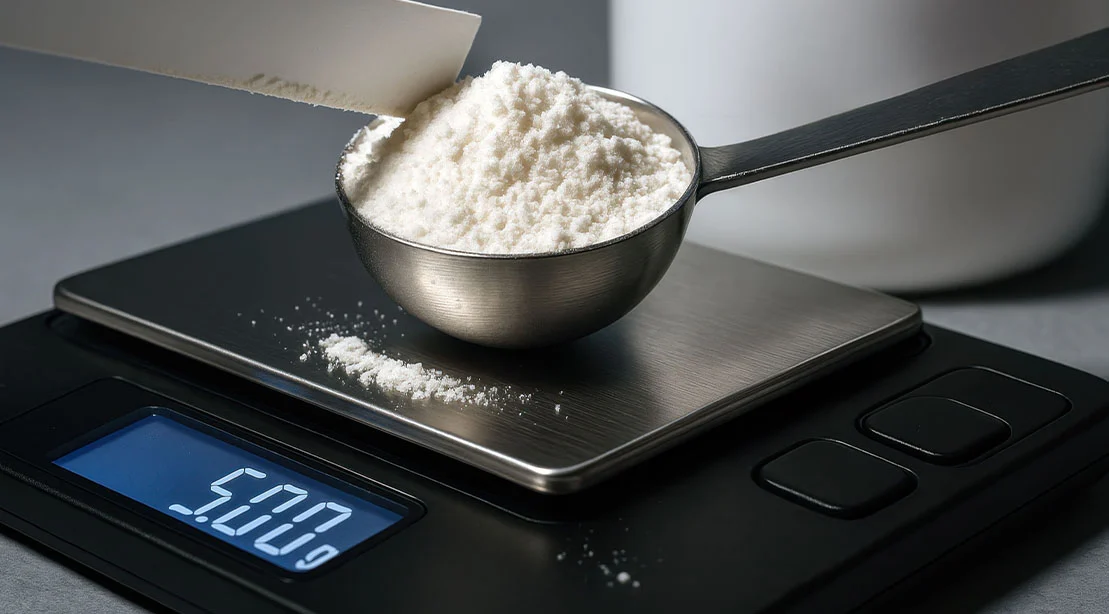
In the high-stakes world of fitness, few topics incite as much fervor, debate, and dogmatic adherence as the optimal daily protein intake. Walk into any gym across the globe, and you are likely to hear a singular, pervasive mantra: "You need one gram of protein per pound of body weight." For the more ambitious or those seeking professional-grade physiques, that number often balloons to 1.5 or even two grams.
This numerical benchmark has become the cornerstone of modern bodybuilding nutrition. It is whispered in locker rooms, printed in glossy fitness magazines, and integrated into the mobile applications of millions of fitness enthusiasts. However, a critical examination of the literature—and a departure from the "broscience" that birthed this rule—reveals a startling reality: the one-gram-per-pound rule is largely a myth, lacking a foundation in rigorous scientific inquiry.
The Genesis of a Fitness Legend
To understand why this figure remains the gold standard of gym-goers, we must look at its origins. The rule was not derived from a landmark longitudinal study conducted in a metabolic ward. Instead, it evolved through a complex synthesis of anecdotal evidence, trial-and-error by early bodybuilding pioneers, and marketing-driven nutrition advice.
In the mid-20th century, as the bodybuilding subculture moved from the fringes into the mainstream, the philosophy of "more is better" took hold. If protein builds muscle, then consuming vast quantities must surely lead to superior growth. Coaches and magazine columnists, seeking to simplify nutrition for a burgeoning audience, codified these experiences into the simple, memorable rule of thumb that persists today. Over decades of repetition, this heuristic transitioned from a speculative strategy to an accepted fact, effectively bypassing the rigorous peer-review processes that govern other aspects of nutritional science.
The Flaw in the Calculation: Lean Mass vs. Total Body Weight
The most fundamental error in the "one gram per pound" rule is the confusion between total body weight and lean body mass. From a physiological standpoint, this distinction is critical.
Consider two individuals: a 250-pound bodybuilder at 8% body fat and a 250-pound sedentary individual at 35% body fat. The former possesses a significantly higher amount of metabolically active muscle tissue, which requires constant repair and maintenance. The latter carries a substantial amount of adipose tissue, which, while biologically active, does not demand the same level of protein synthesis for structural maintenance.
When a person includes their body fat in their protein calculation, they often end up in a caloric surplus that leads to unintended weight gain—specifically fat, not muscle. The body, efficient and adaptive, does not store excess protein as muscle tissue simply because it is available. If the caloric load exceeds the body’s metabolic demands, the surplus is stored, often leading to the "doughboy" effect that many lifters fear.
Scientific Data: What the Research Actually Says
While the bodybuilding community held onto its folklore, the scientific community was conducting actual metabolic studies. The Recommended Dietary Allowance (RDA) for the average, sedentary adult is a mere 0.8 grams of protein per kilogram of body weight (roughly 0.36 grams per pound). It is vital to note that this figure is designed to prevent deficiency, not to optimize hypertrophy.
Resistance training does, indeed, elevate these requirements. However, research consistently indicates that the ceiling for muscle protein synthesis (MPS) is reached much sooner than the "one gram per pound" rule suggests. Data suggests that 1.6 to 2.2 grams of protein per kilogram of lean body mass—or approximately 0.7 to 1.0 grams per pound of lean body mass—is sufficient to maximize muscle growth in the vast majority of trained individuals.
Beyond this threshold, the body experiences rapidly diminishing returns. Consuming additional protein does not equate to additional muscle growth; rather, it shifts the body’s metabolic pathways. Excess protein may be oxidized for energy or converted into glucose through gluconeogenesis. The body treats amino acids as a versatile, precious resource, but it will not "build" more muscle simply because the supply is infinite.
The Hierarchy of Muscle Growth
If protein isn’t the magic key, what is? Muscle growth is a highly regulated biological process governed by a hierarchy of factors:
- Training Stimulus: The primary driver of hypertrophy. Muscles only grow when forced to adapt to progressively greater workloads.
- Recovery: The period in which the actual repair occurs. Without sufficient rest, the muscle remains in a state of catabolism.
- Hormonal Environment: Genetic predisposition and endogenous hormone production play a significant role in how efficiently an individual builds muscle.
- Total Caloric Intake: An energy surplus is generally required for significant muscle gain, but it must be managed to avoid excessive fat storage.
- Nutritional Building Materials: Protein provides the essential amino acids required to repair the damage caused by training.
One cannot compensate for a lack of intensity in the gym by consuming excessive amounts of protein. As the analogy goes: no construction project has ever been completed simply because more bricks were delivered to the site. The labor—the training—must happen first to create the demand for those bricks.
The Importance of Protein Quality
When discussing protein intake, the type of protein is arguably more important than the raw gram count. The body requires essential amino acids that it cannot synthesize on its own.
Animal-based proteins are "complete," meaning they contain all the necessary amino acids in the correct proportions. Plant-based proteins, conversely, are often incomplete, requiring the consumption of a variety of sources to form a complete amino acid profile. While this is entirely possible, it is often calorically inefficient. For instance, obtaining a specific amount of protein from rice and beans may require three to four times the calories found in a lean, animal-based source like tuna. For an athlete trying to manage body composition, these "hidden" calories can quickly derail progress.
The Synergy of Macros: Carbohydrates and Protein
The modern fitness narrative often pits carbohydrates against protein, but their roles are deeply interconnected. Carbohydrates are protein-sparing. When glycogen stores are topped off through sufficient carbohydrate intake, the body is less likely to break down muscle tissue for energy (gluconeogenesis). By fueling the body with enough calories and carbohydrates, one can actually ensure that dietary protein is utilized for its intended purpose: building and repairing muscle tissue.
Implications for the Modern Lifter
So, where does this leave the average lifter? The evidence suggests a move toward a more nuanced, individualized approach.
- Stop Tracking Total Body Weight: Use body composition tools to estimate your lean body mass and calculate your intake based on that figure.
- Aim for the Sweet Spot: For those engaged in serious resistance training, 0.7 to 1.0 grams of protein per pound of lean body mass is a robust, evidence-backed target.
- Prioritize Training: If your muscle growth has stalled, the solution is almost certainly in your training volume, intensity, or recovery protocols—not in your protein shaker.
- Don’t Overcomplicate: If you are eating a balanced diet with complete protein sources, you are likely hitting your needs without the need for extreme supplementation or excessive consumption.
Conclusion: Returning to the Fundamentals
The obsession with high-protein diets has obscured the fact that muscle building is a simple, albeit difficult, process. It requires a sustained stimulus that challenges the muscles, adequate rest to facilitate repair, and a nutritional foundation that supports these physiological demands.
The "one gram per pound" rule serves as a testament to the power of tradition over science, but for the modern athlete, the data is clear. By focusing on lean body mass, prioritizing the quality of nutrients, and ensuring that training intensity drives the growth, one can build a superior physique without the unnecessary, and often counterproductive, bloat of excessive protein consumption. Ultimately, the "magic sauce" of bodybuilding isn’t found in a container of protein powder—it’s found in the consistency of the work done in the gym, fueled by a thoughtful and balanced approach to nutrition.