The global power sector is currently navigating a period of unprecedented transformation. As grids become increasingly decentralized and the reliance on intermittent renewable energy sources grows, the margin for error in infrastructure management has effectively vanished. In this high-stakes environment, the traditional "run-to-failure" maintenance model—or even scheduled, time-based maintenance—is proving to be both economically unsustainable and operationally risky.
Enter the era of Predictive Maintenance (PdM), a paradigm shift underpinned by the sophisticated application of Artificial Intelligence (AI) and Machine Learning (ML). By moving from reactive to proactive strategies, utility companies are not only extending the lifespan of critical assets but are also fundamental to the stability of the modern energy grid.
Main Facts: The Convergence of Data and Reliability
At its core, predictive maintenance is the use of data-driven analytical tools to detect anomalies and predict equipment failure before it occurs. In the power industry, this involves deploying a dense network of Internet of Things (IoT) sensors across generation plants, transmission lines, and distribution transformers.
These sensors collect vast streams of data—vibration patterns, thermal signatures, acoustic emissions, and oil chemistry metrics. However, the data itself is useless without intelligence. Machine learning algorithms process these telemetry streams, establishing a "digital twin" of the physical asset. By comparing real-time performance against historical baselines, AI can identify the subtle "micro-deviations" that precede a catastrophic failure.
The primary objective is the optimization of the "Mean Time Between Failures" (MTBF). By intervening only when the data indicates a decline in performance, utilities can reduce unnecessary maintenance labor costs by an estimated 20% to 40% while simultaneously increasing asset availability.
Chronology: From Mechanical Intuition to Algorithmic Foresight
The evolution of maintenance in the power sector can be categorized into four distinct eras:
- The Corrective Era (Pre-1970s): Maintenance was purely reactive. Equipment was allowed to run until it stopped, leading to significant downtime and often compounding damage to auxiliary components.
- The Preventive Era (1970s–1990s): Utilities moved toward time-based maintenance. Technicians performed inspections on fixed schedules, regardless of the actual condition of the asset. While safer, this resulted in significant "over-maintenance," where healthy equipment was disassembled unnecessarily.
- The Condition-Based Monitoring Era (2000s–2015): The introduction of SCADA systems and early remote monitoring allowed engineers to track specific parameters. However, this required constant human oversight and struggled to handle the sheer volume of data produced by modern power plants.
- The AI-Driven Predictive Era (2016–Present): With the democratization of cloud computing and the maturation of deep learning neural networks, the industry has shifted toward autonomous prediction. AI now processes thousands of variables simultaneously, identifying patterns that are invisible to the human eye.
Supporting Data: Quantifying the Efficiency Gains
The shift toward AI-integrated maintenance is backed by compelling economic and operational metrics. According to industry analysis, the integration of AI-led PdM offers the following advantages:
- Reduction in Unplanned Outages: Predictive maintenance can decrease unplanned downtime by up to 50%. In the context of a power plant, where an hour of downtime can cost hundreds of thousands of dollars in lost revenue and penalties, this is a bottom-line transformation.
- Asset Longevity: By identifying issues like bearing fatigue or insulation degradation early, equipment can be operated within its "sweet spot," extending the operational life of assets like transformers and gas turbines by 5–10 years.
- Operational Expenditure (OPEX) Optimization: Studies indicate that predictive maintenance can reduce overall maintenance costs by 15% to 25% by streamlining inventory management—ensuring that spare parts are only ordered when they are actually needed, rather than stocking warehouses with depreciating capital.
- Safety Improvements: By minimizing the need for manual inspections in hazardous environments—such as inside boilers, atop high-voltage towers, or near live substations—AI-driven monitoring significantly reduces the risk to field personnel.
Official Responses and Industry Perspectives
Major stakeholders in the energy sector have been vocal about the necessity of this digital shift. During a recent energy technology summit, a leading executive from a global original equipment manufacturer (OEM) noted: "The challenge is no longer about gathering data; we have been doing that for years. The challenge is the ‘siloed’ nature of our data. AI allows us to break those silos and create a holistic view of the grid that was previously impossible."
However, the transition is not without its skeptics. Cyber-security experts within the power industry have issued warnings regarding the "attack surface" created by connecting legacy power infrastructure to cloud-based AI platforms. An official report from a national regulatory body highlighted that while PdM is essential for reliability, it must be accompanied by "Zero Trust" architecture to ensure that the sensors providing the data do not become entry points for malicious actors.
Furthermore, labor unions representing power plant workers have expressed concerns about the displacement of traditional maintenance roles. Industry leaders have countered this by emphasizing "upskilling"—transitioning traditional mechanics into "Data-Enabled Technicians" who can interpret AI outputs and manage the digital infrastructure of the plant.
Implications: The Future of the Intelligent Grid
The implications of AI and ML in predictive maintenance extend far beyond the individual power plant; they are fundamental to the global transition toward a decentralized, decarbonized energy system.
1. Integration of Renewables
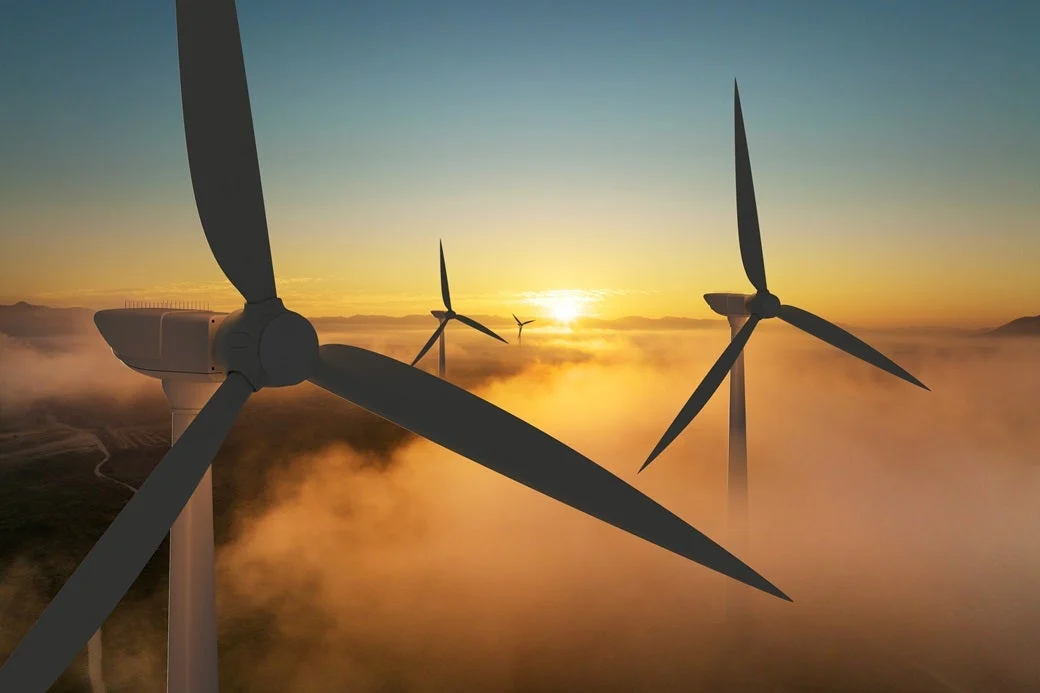
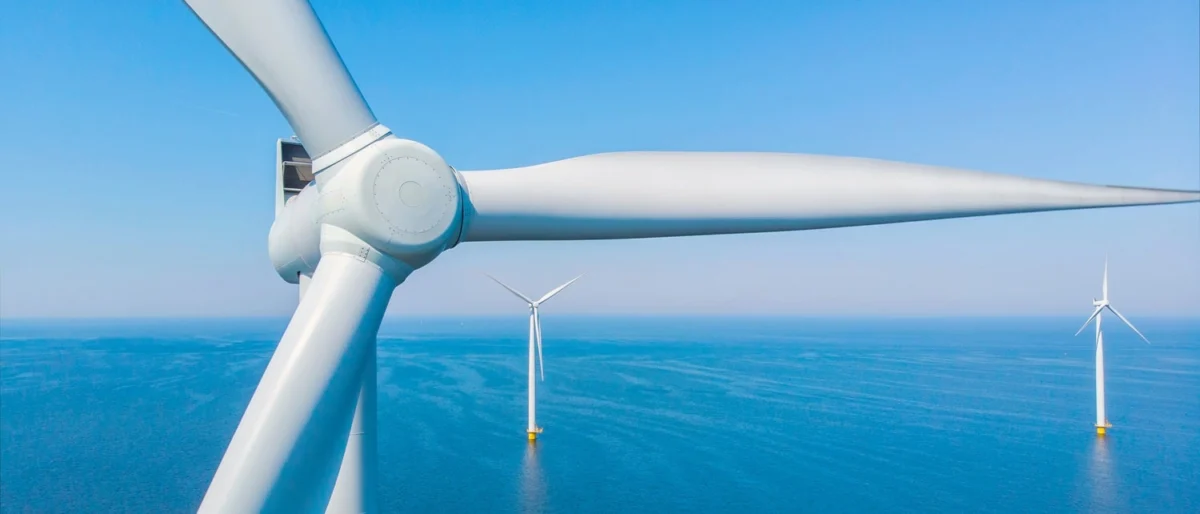
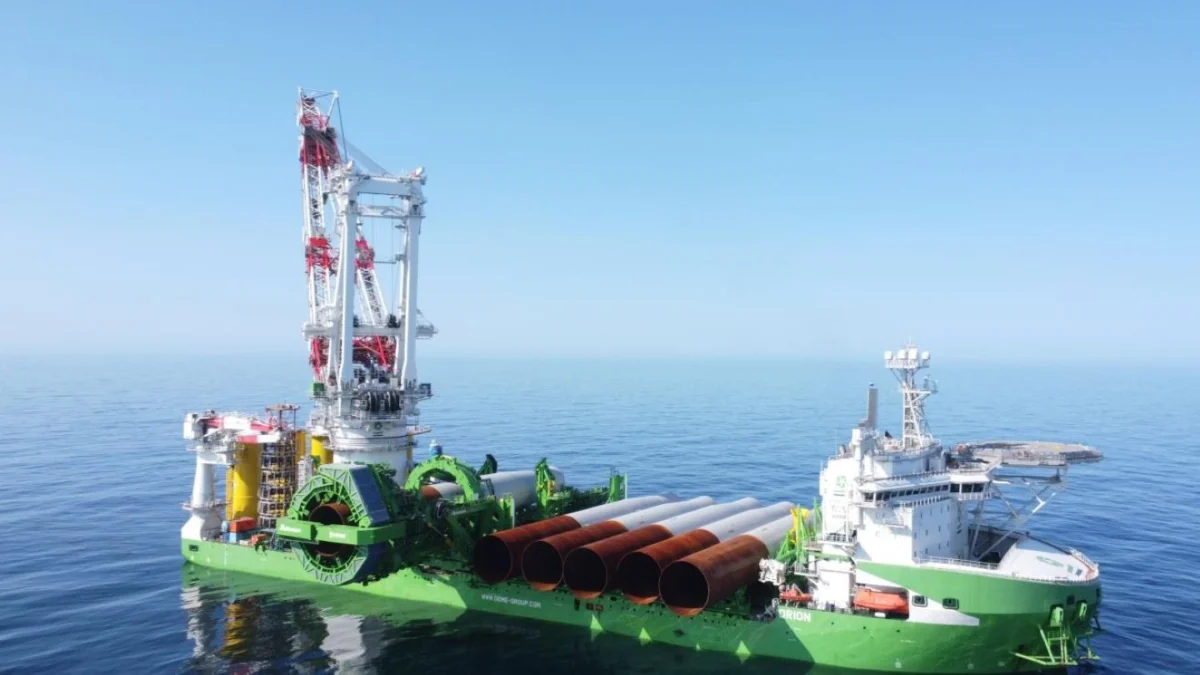
Variable renewable energy (VRE) sources, such as wind and solar, place unique stresses on the grid. Wind turbines, in particular, are located in remote or offshore environments where manual inspection is prohibitively expensive. AI-driven predictive maintenance is the only viable path to managing these assets at scale, ensuring that the transition to green energy remains economically feasible.
2. The Rise of the "Self-Healing" Grid
As AI models become more sophisticated, we are moving toward the concept of the self-healing grid. In this scenario, predictive maintenance isn’t just about alerting a human to a problem; it involves AI communicating with grid controllers to automatically reroute power and balance loads before a failing component causes a cascading blackout.
3. Data as a Strategic Asset
Utility companies are increasingly finding that their data is as valuable as their electricity. By utilizing AI to analyze performance, utilities can gain insights into equipment manufacturing flaws, allowing them to exert more pressure on OEMs to improve quality standards. This creates a virtuous cycle of feedback that improves the entire industrial ecosystem.
4. Regulatory and Policy Shifts
Regulators are beginning to incentivize the adoption of digital technologies. In several jurisdictions, rate-of-return regulations are being modified to reward utilities for "smart" investments in digital infrastructure, recognizing that these technologies lower costs for the end consumer and improve overall grid reliability.
Conclusion
The integration of Artificial Intelligence and Machine Learning into predictive maintenance represents the most significant advancement in power plant reliability since the invention of the SCADA system. While the transition requires substantial investment in digital infrastructure and workforce training, the potential rewards—a more reliable, efficient, and safer energy grid—are too great to ignore.
As we look toward an increasingly electrified future, the ability to predict the "pulse" of our power infrastructure will determine which utilities survive the disruption of the energy transition and which fall behind. The digital sentinel is now on watch, and the days of waiting for a machine to fail are rapidly drawing to a close. By embracing these technologies, the industry is not just maintaining assets; it is securing the backbone of modern civilization.