Beyond the sun-bleached ruins of Knossos and the azure tranquility of the Mediterranean coast lies the rugged, defiant soul of Crete: the White Mountains, or Lefka Ori. Among these limestone giants, one natural monument stands as a testament to both geological violence and human resilience: the Samaria Gorge. Spanning 16 kilometers (9.9 miles) from the high-altitude forests of the interior to the Libyan Sea, this National Park is not merely a hiking trail—it is a cultural pilgrimage, a sanctuary of history, and one of Europe’s most iconic wilderness experiences.

Main Facts: A Geological and Historical Titan
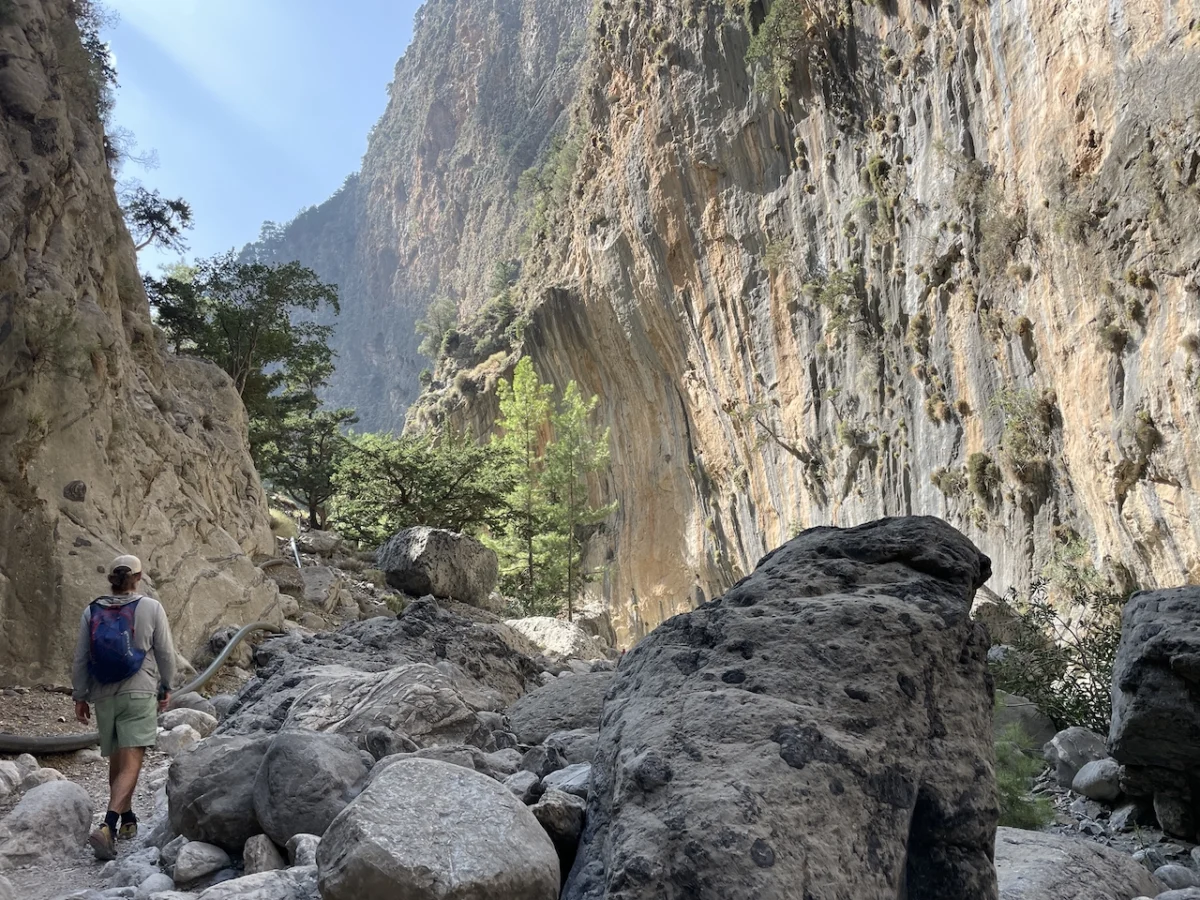
The Samaria Gorge is widely regarded as the crown jewel of Cretan natural attractions. Carved over millennia by the seasonal torrents of the Tarraios River, the canyon floor drops from the Xyloskalo trailhead at 1,230 meters to the coastal village of Agia Roumeli. With walls soaring up to 300 meters high and narrowing to a mere three meters at its most famous passage—the "Iron Gates"—the gorge provides a claustrophobic, awe-inspiring contrast to the expansive Cretan sky.

The gorge is also an essential ecosystem. It serves as the primary habitat for the Kri-kri (Cretan Goat), a shy, agile ruminant with a distinct dark stripe and impressive, backward-curving horns. Once on the brink of extinction in the 1960s with a population estimated at only 200, the establishment of the National Park has seen these iconic creatures flourish, with current estimates exceeding 2,500. Their presence on the steep, vertical cliffs remains one of the most remarkable sights for any hiker navigating the canyon.

Chronology: The Evolution of a Landmark
The Pre-Park Era: A Refuge for Freedom
Historically, the gorge was more than a natural wonder; it was a fortress. From the Byzantine period through the centuries of Ottoman occupation, the canyon’s inaccessibility made it the ultimate hideout for Cretan rebels. The most storied episode occurred in 1770, during the height of Ottoman oppression. Legend recounts that 4,000 women and children sought refuge within the gorge’s depths. A local resistance leader, Giannis Bonatos, famously held the Iron Gates with a small force of 200 men, successfully repelling the invading forces and securing the safety of those inside.

The Modern Era: Designation and Resettlement
The village of Samaria, located at the heart of the gorge, functioned as a self-sustaining settlement until 1962. That year, the area was designated a National Park, the only one of its kind in Crete. This status necessitated the relocation of the village residents, transforming the settlement from a living community into a base for forest rangers, medical personnel, and scientific researchers. Today, the stone ruins remain, offering hikers a poignant glimpse into the lives of those who once thrived in this secluded environment.

Supporting Data: The Logistics of the Trek
For the modern adventurer, the hike is a test of endurance and preparation. While often labeled "easy" due to its popularity, the physical demands of a 14.5-kilometer (8.9-mile) descent should not be underestimated.

- Total Distance: 14.5 km (8.9 miles)
- Total Elevation Loss: 2,327 m (7,635 ft)
- Total Elevation Gain: 1,099 m (4,285 ft)
- Average Duration: 5–6 hours (one way)
- Water Accessibility: Excellent (potable water stations are located at key intervals).
The trail begins with a steep, switchbacked descent from the Xyloskalo ticket office. Hikers pass the chapel of Ayios Nikolaos—a site that once housed a temple to Apollo in the 1st Century B.C.—before entering the deep, forest-lined corridors that eventually open into the riverbed.

Official Responses and Bureaucratic Hurdles
The management of the National Park is stringent, reflecting the volatility of the terrain. The authorities are tasked with balancing tourism with strict conservation efforts. During a recent two-way (out-and-back) trek, the interaction between hikers and park officials highlighted the intensity of these safety protocols.

Official park policy generally encourages a one-way, top-to-bottom route, ending in a ferry ride from Agia Roumeli. When hikers attempt the more strenuous out-and-back journey—covering nearly 30 kilometers in a single day—they are often met with skepticism by park rangers. During one such excursion, multiple park officials intervened to discourage the return journey, citing the 6:00 PM closing time. The tension between the hikers’ ambition and the rangers’ duty to ensure no one is left in the canyon after sunset is a recurring theme for those who choose to deviate from the standard route.

However, once a hiker demonstrates both the capability and the necessary permits, the park staff—often hardened by years of managing the gorge’s unpredictable nature—shift from skepticism to a cautious, respectful camaraderie.

Implications: The Legacy of the Trail
The Samaria Gorge is more than a bucket-list destination; it is a vital link to Crete’s past. Its role as a symbol of resistance is woven into the identity of the local Cretans. When a hiker navigates the narrow, three-meter-wide path of the Iron Gates, they are walking through the same corridor that shielded thousands from tyranny centuries ago.

Furthermore, the conservation success story of the Kri-kri serves as a global model for environmental management. By protecting the habitat of these animals, the National Park has effectively preserved a piece of Minoan history, as the creatures appear frequently in ancient art, pottery, and sealstones dating back to 3100 B.C.

Travel Tips for the Modern Hiker
For those planning to experience this wonder:

- Stay Local: The village of Omalos, located at the northern end of the gorge, offers heritage accommodation such as the Hotel Neos Omalos, which has served hikers for over 70 years.
- Preparation is Key: While water is abundant, the sun can be brutal. Early starts are essential to beat the heat and the crowds.
- Respect the Rules: The rangers are there for your safety. If they advise against a route or warn of closing times, their guidance is based on decades of experience in one of the Mediterranean’s most unforgiving terrains.
Conclusion
The Samaria Gorge remains a profound intersection of natural beauty and human perseverance. Whether you are trekking for the adrenaline of the descent, the historical weight of the Iron Gates, or the simple joy of watching a Kri-kri scale a vertical cliff, the experience is transformative. It is a place where the landscape commands silence and the echoes of history remain as sharp as the limestone walls themselves. As one leaves the canyon to the cool breeze of the Libyan Sea, the hike serves as a reminder that some places on earth are still defined by their resilience—a quality that has served the Cretans well for millennia.

Note: The insights provided in this article have been adapted from the title "Wanderlust Mediterranean," published by Gestalten. For readers looking for a comprehensive guide to the region’s best hikes, the book offers detailed insights into the trails that define the Mediterranean landscape.