The scent of ammonia stinging the air, the rhythmic, low-frequency thud of iron plates meeting rubber, and the palpable tension of a room filled with the world’s strongest humans—these are the sensory hallmarks of a premier powerlifting meet. At the Henrico Sports and Events Center, during Powerlifting United’s (PLU) American Pro, this atmosphere was not merely a backdrop for a story; it was a crucible.
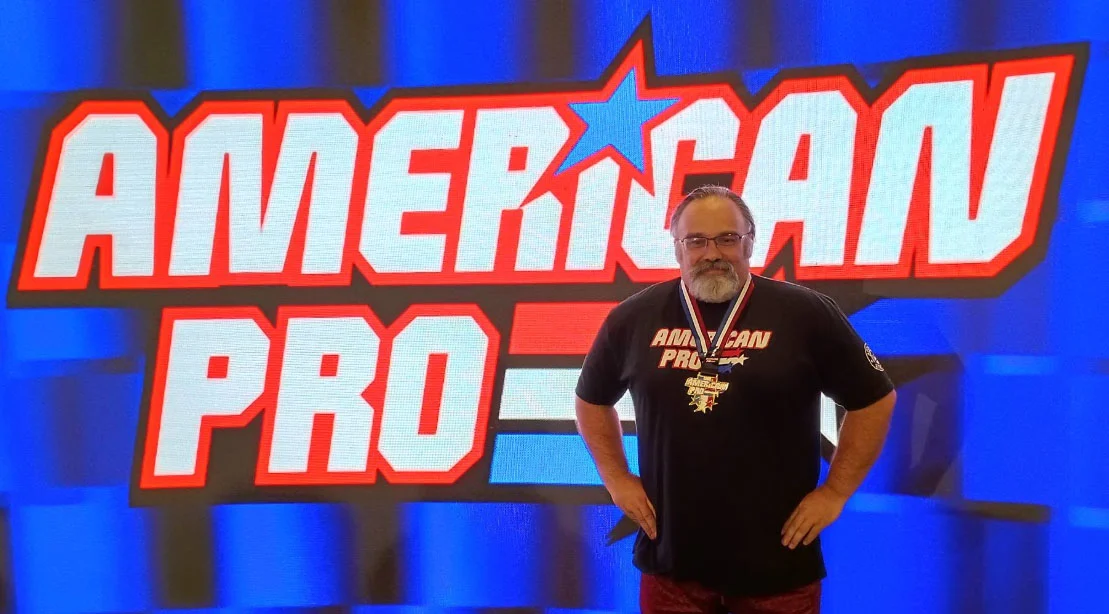
For the author, the American Pro served a dual purpose: one part professional coverage, one part personal participation. On August 7 and 8, the transition from media credentials to a competition singlet provided a rare, 360-degree view of the sport. It was a journey intended to move beyond the cold critique of the observer and into the "arena" described by Theodore Roosevelt—a place where sweat, blood, and the raw vulnerability of failure exist in equal measure with triumph.
The Invisible Variables: The Anatomy of a Training Cycle
Powerlifting prep is often romanticized as a linear progression of strength. In reality, no training cycle survives its first contact with life. A 12-week block may be mapped out with surgical precision, with peak weights calculated to the pound, but the universe rarely cares for spreadsheets.
The Unseen Burden of Preparation
Every athlete backstage at a meet like the American Pro carries an invisible rucksack of variables. These are the external stressors that threaten to derail even the most disciplined lifter: professional adversity, the loss of a primary training facility, or the sudden, sharp onset of an injury.
Consider the journey of Maddy Forberg. Her return to the platform was not a simple matter of returning to old habits; it was a strategic navigation of recovery and a shift in athletic focus. Balancing the aesthetic demands of bodybuilding with the raw, explosive requirements of powerlifting, Forberg’s appearance at the American Pro was a testament to the resilience required to transition between disciplines while managing physical fragility.
Similarly, the presence of John Haack—a name synonymous with world records—highlights the psychological toll of elite performance. When the entire fanbase of a sport treats your training sessions like must-see television, the pressure to execute is immense. For these athletes, success is not just about the numbers on the bar; it is about the ability to compartmentalize external noise and internal doubt. The lesson is clear: meet prep is not merely about execution; it is about the capacity to absorb adversity without conceding.
Chronology of the Arena: From Warm-Up to Platform
The transition from the gym to the competition stage is a psychological shift that occurs long before the first plate is loaded. By the time an athlete arrives at the venue, the physical work is finished. What remains is the battle for mental composure.
The Warm-Up Room: A Study in Focus
Stepping into the warm-up area at the Henrico Sports and Events Center is akin to entering a controlled chaos. The room is divided by temperament: some athletes sit in absolute stillness, noise-canceling headphones creating a sanctuary of silence. Others pace with the intensity of caged predators, their bodies primed for the explosive violence of a heavy lift. Coaches and handlers move with stopwatches, constantly calculating flight rotations and recovery times. Every second is accounted for; every breath is a commodity.
The Platform: Where Silence Meets Judgment
When the curtain rises and the announcer calls your name, the cacophony of the warm-up room vanishes. Under the searing glare of the arena lights, the world narrows to the barbell and the three referees seated in the shadows of the stage.
Powerlifting is fundamentally binary. You either move the weight, or you do not. A successful lift requires two out of three white lights. The strategy of the day is a delicate dance of risk and reward:
- The Opener: The conservative choice. Its sole purpose is to clear the board and ensure a total is posted. It is the hurdle that separates the competitor from the spectator.
- The Second Attempt: The realization of the training block. This is the weight that reflects the reality of your current strength.
- The Third Attempt: The "house money" phase. If the first two are successful, this is where the personal records (PRs) are chased, and the limits of the human frame are tested.
Supporting Data: The Cost of the Total
The statistics of the American Pro underscore the volatility of the sport. For the author, the journey was defined by a specific set of challenges. A hip injury, sustained during the final weeks of preparation, introduced a volatile variable into the equation.
Performance Breakdown
- Squat: 308 lbs (140 kg)
- Bench Press: 292 lbs (132.5 kg)
- Deadlift: 275 lbs (125 kg)
- Total: 876 lbs (397 kg)
While these numbers sat at the lower end of the men’s field, the context of the performance is vital. The injury, which was aggravated during the third squat attempt, forced a pivot in strategy. The objective shifted from "personal record" to "survival." Despite the setback, the result was a testament to the importance of the official total. By completing the meet, the author secured an Open category medal and filled the previously vacant West Virginia state records for the PLU 140-kilogram Raw Open and Masters 45-49 categories.
Official Responses and Community Impact
The powerlifting community is unique in the sporting world. It is a space where fierce competition is paradoxically paired with unwavering support. Throughout the American Pro, this sentiment was echoed by athletes and spectators alike.
"The competition happens on the platform, but the benefits are taken far beyond it," noted one attendee. This is not merely a platitude. Powerlifting provides a framework for discipline that improves the quality and quantity of life. The requirement to monitor nutrition, prioritize recovery, and engage in progressive overload creates a blueprint for health that serves the athlete long after they hang up their singlet.
Furthermore, the sport’s culture of camaraderie—where opponents often cheer for each other’s successes—acts as a counterweight to the isolation of modern life. When a legend like John Haack breaks a record, the crowd erupts, not because they are losing, but because they are witnessing the expansion of human potential.
Implications: The Lessons of the Iron
What does it mean to step onto the platform? The implications of participating in a meet like the American Pro extend far beyond the shiny trophy or the spreadsheet metrics.
The Value of Showing Up
The true essence of powerlifting is the courage to present oneself for judgment. Whether you are a world-record holder or a Masters athlete pulling half of your original goal, the barbell demands the same tax: focus, effort, and honesty.
The author’s experience—balancing the role of reporter and athlete—revealed that the "man in the arena" is not a static hero, but a shifting identity. One moment you are analyzing the technique of a peer; the next, you are staring at a heavy bar, your hip burning, searching for the strength to complete a single repetition.
Final Reflections
The American Pro was not just a collection of successful lifts; it was a case study in human persistence. The prep work, the injuries, the mental fatigue, and the eventual triumph of posting a total—however modest—provided a deeper understanding of the "why" behind the sport.
Powerlifting is not about defying gravity; it is about learning how to negotiate with it. It teaches us that when our plans fall apart, our character is what remains. By accepting the challenge of the platform, athletes at all levels learn that they are capable of far more than their internal critics would have them believe. Whether or not you walk away with a gold medal, walking away with the knowledge that you stood in the arena and faced the weight is, in itself, the ultimate victory.