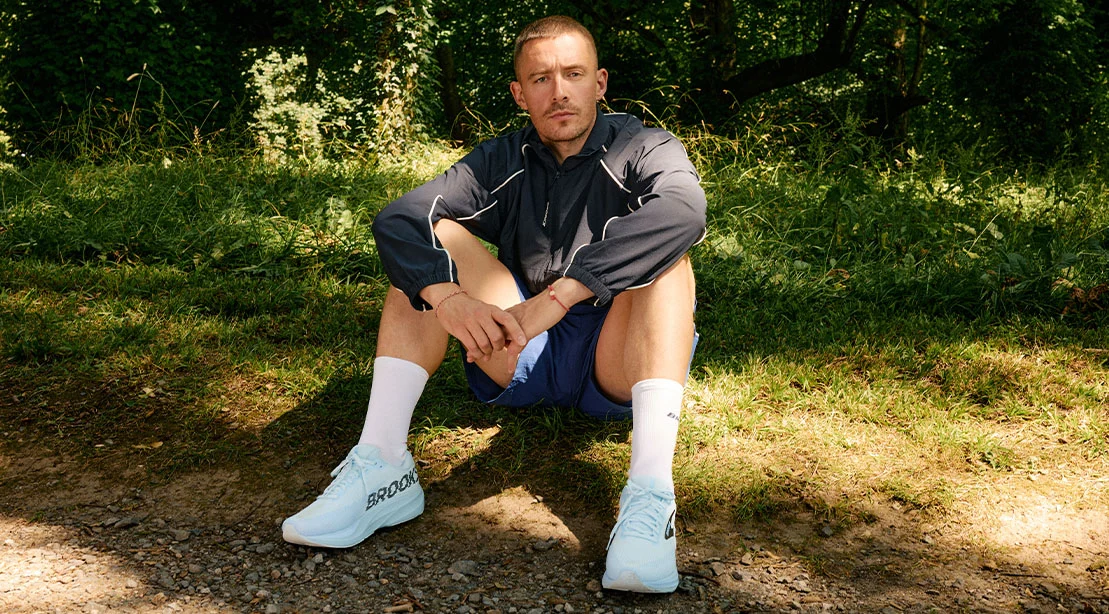
For Irish singer-songwriter Dermot Kennedy, the stage is not merely a platform for artistic expression; it is a high-stakes arena that demands the physical conditioning of a professional athlete. As he navigates the global tour for his third studio album, The Weight of the Woods, Kennedy has shifted from a reactive approach to health toward a highly deliberate, performance-based lifestyle. By integrating cardiovascular training, vocal recovery, and a philosophy of "detachment" from self-imposed pressure, Kennedy is redefining what it means to be a modern touring musician.
The Intersection of Athletics and Artistry
The link between the concert stage and the athletic field is more than metaphorical for Kennedy. Before his ascent to international stardom, his life was defined by the pitch. As a dedicated central midfielder, Kennedy harbored dreams of playing professional football for Manchester United. That formative obsession with the sport—and the tactical discipline required to excel in it—now underpins his entire touring philosophy.
"I was obsessed with football," Kennedy reflects. That obsession was not just about the game, but about the physiological state of "flow" and the importance of being "light and quick." He argues that the demands of a ninety-minute football match are not dissimilar to the demands of a two-hour live set. Both require immense cardiovascular capacity, precise breath control, and the ability to maintain peak energy levels under pressure.
"Being fit is really important for singing," he notes. "You need to be able to control your diaphragm, and obviously your breathing is a huge part of the craft." By prioritizing his VO2 max through a rigorous running regimen, Kennedy ensures that his voice remains supported, his energy remains consistent, and his recovery time is minimized between back-to-back shows in disparate time zones.
Chronology of a Creative Cycle
The life of an artist is often viewed through the lens of album releases and tour dates, but the emotional labor begins long before the public hears a single note.
The Private Genesis
The creation of The Weight of the Woods was, for Kennedy, a deeply private, months-long endeavor. During this phase, the songs are living, breathing entities that he constantly questions and evolves. By the time an album is released, Kennedy has already traversed its full emotional landscape. The "weight" referenced in the album title is, in many ways, the culmination of that intense internal process.
The Public Transition
Once the music is released, the cycle enters a period of public scrutiny and anticipation. Kennedy admits that this transition can be fraught with self-imposed pressure. "The pressure is mostly self-inflicted," he says. His method for handling this is a practice of "detachment"—stepping back from the noise of industry expectations to appreciate the work itself. This detachment allows him to remain present, transforming the act of touring from a high-stress obligation into a source of genuine gratitude.
The Performance and Recovery Phase
Currently, Kennedy is in the midst of his world tour, a period characterized by the physical toll of travel and the mental discipline of daily performance. This phase is defined by his partnership with Brooks Running and his commitment to the DK5K series, a way to ground his tour in shared physical activity with fans.
The DK5K Series: A Community-Based Partnership
The partnership with Brooks Running is not a traditional celebrity endorsement; it is an organic extension of Kennedy’s own training habits. The DK5K Series, which kicked off in Dublin, serves as a bridge between the artist and his audience, moving the relationship out of the concert hall and onto the running path.
For Kennedy, the appeal lies in the lack of artifice. "I think the beauty of it is that it doesn’t feel forced," he explains. By hosting these runs alongside his tour dates, Kennedy is creating a space for communal wellness. This initiative aligns with the launch of the Brooks Ghost Amp, marking a convergence of high-performance footwear and the artist’s own commitment to endurance.
Sustaining the Instrument: Recovery Strategies
The reality of global touring is a grueling test of endurance. When the stage lights go down, the work of recovery begins immediately. Kennedy’s post-show routine is meticulous, focusing on both vocal preservation and physical homeostasis.
Vocal Maintenance
Kennedy employs a gentle vocal warm-down immediately following each performance. By humming quietly, he helps his vocal cords transition from the high-intensity output of a show back to a state of rest. It is a simple, non-revolutionary practice, but one that is essential for his longevity.
Physical Restoration
On the road, Kennedy has become a proponent of contrast therapy. During a recent run of shows in Canada, he utilized a combination of hot tubs and cold plunges to manage muscle soreness. "When you’re doing show after show, you start paying attention to anything that helps you feel better the next day," he states.
The Sleep Challenge
Despite his fitness routine, Kennedy admits that sleep remains his greatest hurdle. The combination of shifting time zones, late-night adrenaline, and the inherent inconsistency of travel makes rest a luxury. Eschewing complex supplement regimes, he prefers a "back to basics" approach: prioritizing sleep hygiene and natural recovery methods over synthetic interventions.
Implications: The Power of Unplugging
Perhaps the most significant shift in Kennedy’s philosophy occurred recently in Switzerland, where he lost his phone. This accidental "digital detox" provided him with a rare, uninterrupted space. In an industry that demands constant connectivity and social media engagement, the absence of his device was, in his words, "unexpectedly refreshing."
This experience has had lasting implications on how he views his career. He is now considering ways to intentionally carve out "space" within his schedule. For an artist whose work is built on emotional honesty, the ability to disconnect is not just a form of rest—it is a creative necessity. It provides the silence needed to hear the next idea.
Official Perspective and Future Outlook
As Kennedy moves forward with The Weight of the Woods, his approach to his career is increasingly defined by a sustainable, long-term outlook. He is no longer chasing the next milestone with reckless abandon; instead, he is pacing himself, treating his career with the same strategic foresight he once used as a midfielder on the football pitch.
Supporting data from his recent tour cycles suggests that this commitment to physical health has allowed him to increase his show frequency without a corresponding dip in vocal quality or energy. By treating the "weight" of his work as something to be managed rather than something that consumes him, he has found a state of professional contentment.
The Next Chapter
As the tour continues, Kennedy’s focus remains clear: make the best music possible and allow the results to follow. The integration of running into his professional life serves as a metaphor for his broader philosophy. He is running toward the next chapter—not in a frantic sprint, but with the steady, rhythmic pace of someone who understands that the journey is just as vital as the destination.
"Making the best music" remains the North Star of his career. Whether through the lyrics of his latest tracks or the steady, rhythmic cadence of his morning run, Dermot Kennedy is proving that the secret to artistic longevity is not found in a miracle, but in the disciplined, consistent care of the mind and body. As he laces up his shoes for the next city on his tour, it is clear that he is prepared for whatever the road—or the stage—demands of him next.