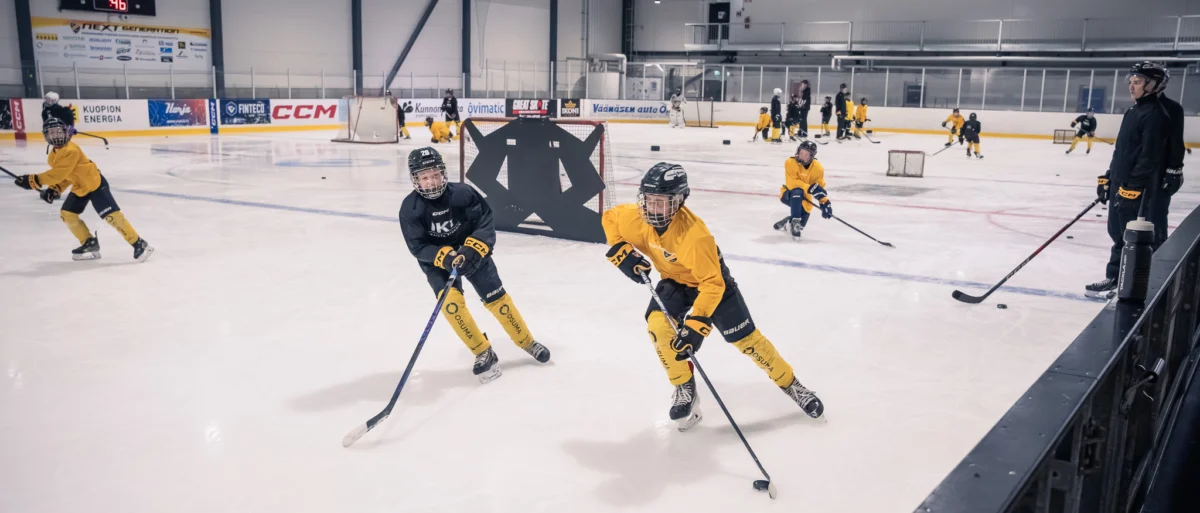
In the landscape of Finnish youth sports, a quiet revolution is underway. Juniori-KalPa, one of the nation’s premier ice hockey organizations, has taken a definitive step toward redefining the developmental experience for its young members. By implementing a comprehensive, structured "Sports Operations Handbook," the club is moving beyond traditional win-loss metrics to focus on long-term individual growth, athlete retention, and holistic well-being. This initiative aligns seamlessly with the national "Children’s Sports Framework" and the updated "Finnish Hockey Player Path," setting a new standard for how sports organizations can foster both excellence and enjoyment.
The Foundation: A New Blueprint for Development
The core philosophy of Juniori-KalPa’s new handbook is built upon the pillars of versatility, long-term development, and personalized pathways. While the written handbook is a recent addition to the club’s documentation, its principles have been woven into the fabric of the organization’s daily operations for some time.
Benjamin Laurinkari, the junior sports director of the KalPa community, notes that the club’s internal evolution mirrors the broader shifts in Finnish sports policy. "The Children’s Sports Framework and the updated Finnish Hockey Player Path helped us to articulate, strengthen, and unify our operations," Laurinkari explains. "It wasn’t about reinventing our identity, but rather about creating a shared language and a clear, actionable structure that ensures every coach and parent understands our collective goals."
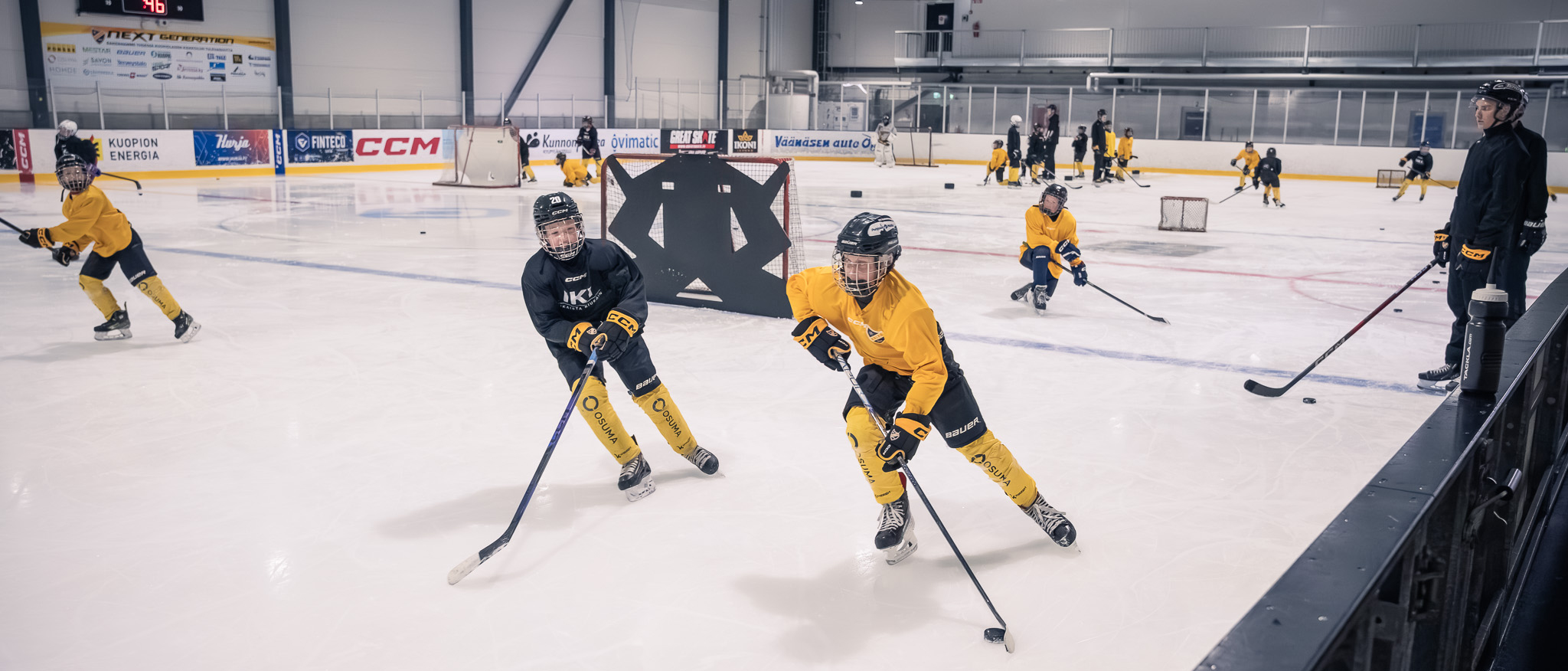
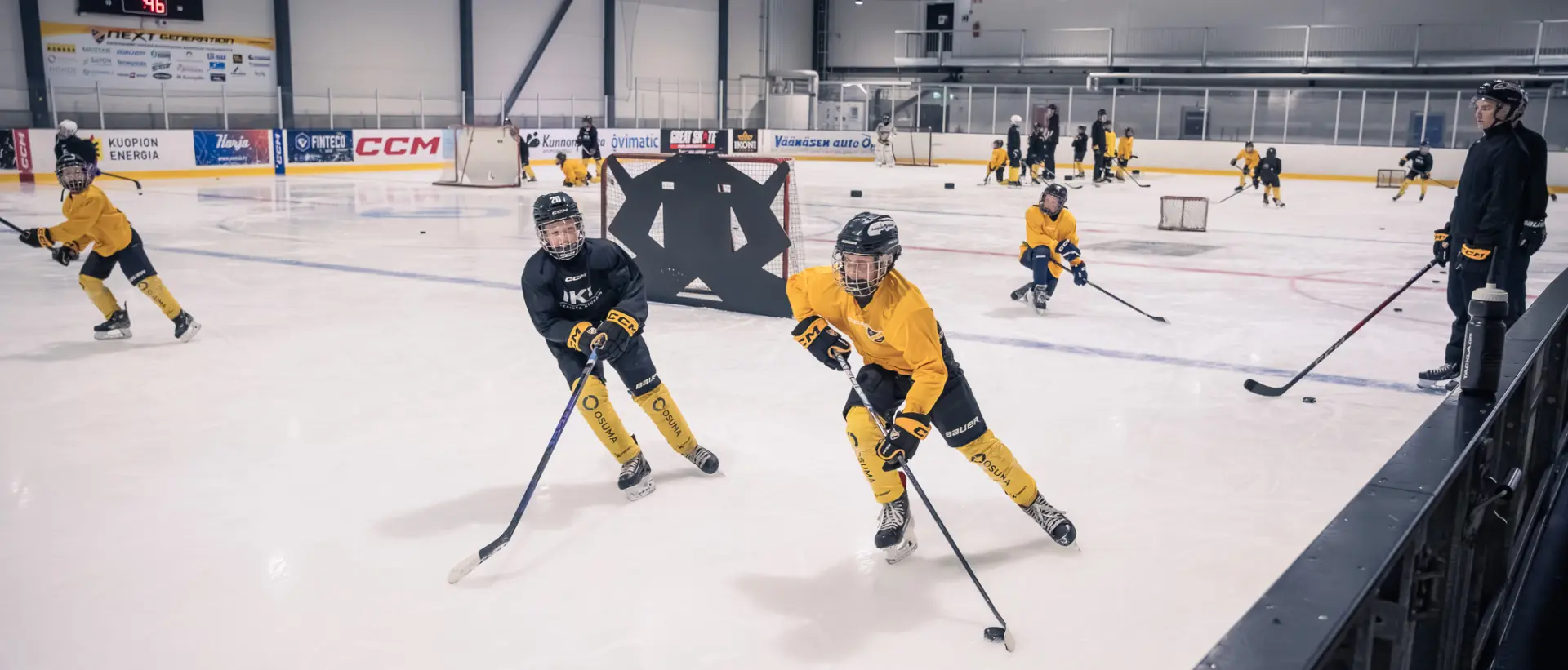
The handbook shifts the focus from short-term competitive results to the quality of the sporting environment. Key focus areas include increasing the total active time for children, optimizing training volumes, and ensuring that development remains broad-based rather than narrowly specialized at a young age.
Chronology of Change: From Tradition to Modern Methodology
For years, Finnish youth hockey—like much of the global sporting ecosystem—was dominated by a "results-first" culture. However, the realization that early specialization often led to burnout and a decline in fundamental motor skills prompted a sector-wide reevaluation.
- Initial Alignment (The Early Years): Juniori-KalPa began moving toward a child-centric model, prioritizing the "why" behind the training. They recognized that the traditional focus on league standings was failing to capture the true health of the program.
- Strategic Integration (The Handbook Era): By drafting the Sports Operations Handbook, the club codified its best practices. This moved the organization from subjective coaching styles to a consistent, high-quality standard across all age groups.
- Technological Deployment (The Data Era): The recent adoption of the Finnish Hockey Association’s Hockey Centre tool has allowed the club to move from intuition to data-informed decision-making. Coaches now use this platform to evaluate training sessions against specific, predefined objectives.
Data-Driven Coaching: The Role of the ‘Hockey Centre’
A significant component of Juniori-KalPa’s success is the use of the Hockey Centre tool. This platform serves as a digital bridge between theoretical coaching models and the reality on the ice. After every practice, coaches are prompted to reflect on the session’s outcomes: Were the players active enough? Did the session promote high-level decision-making? Was the training "game-like" rather than just static drills?
Olli Savikko, the junior manager for the Finnish Hockey Association, points out that this integration is exactly what the national governing body envisioned for the sport. "The goal is to improve the quality of sports within the rink and influence the quality of daily life outside of it," Savikko says. "In Juniori-KalPa, these concepts have been adapted into the club’s specific structure, which is critical. It ensures that high-level policy is not just a document on a shelf, but a tangible experience for every child on the ice."
Putting the Child at the Center: Voices from the Rink
One of the most radical aspects of Juniori-KalPa’s new framework is the systematic collection of feedback from the children themselves. Recognizing that an athlete who feels heard is an athlete who stays, the club has implemented regular feedback loops for children as young as 11.
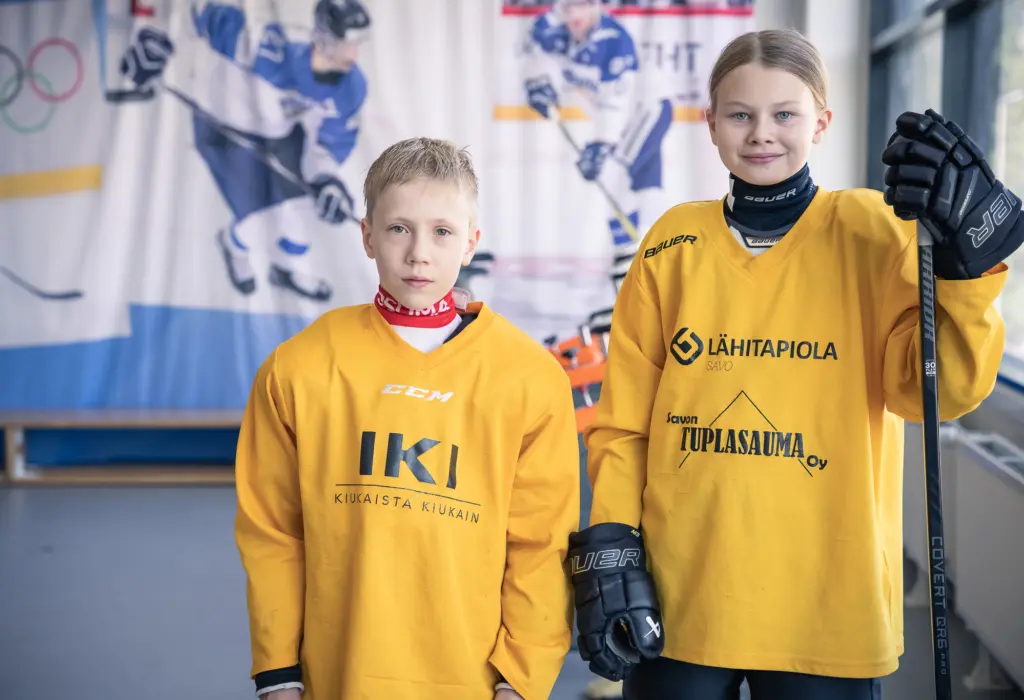
Martta Kokkonen and Otto Uimonen, both 11-year-old participants in the club’s summer 2026 hockey camp, emphasize that being asked for their opinion makes a significant difference in their engagement. "It feels good that they ask," says Martta. "I’ve given feedback on how to improve team spirit. I’d like to see us do more things as a whole team rather than always breaking into small groups."
Otto, who focuses on developing his skating and puck handling, notes that the ability to influence his training environment keeps him motivated. "I’ve given feedback on our cool-down skating routines. It’s fun to know that my voice matters," he says. Both children highlight a simple, universal truth: a "good" practice is one where you get sweaty, work hard, and get to play with your friends.
The Human Element: Addressing the "Drop-Out" Crisis
Teemu Koljonen, the U10–U13 coaching manager at Juniori-KalPa, explains that the feedback loop is not just a morale booster—it’s a vital diagnostic tool. The club uses the Hockey Centre system to send automated, one-minute "feeling" surveys to the children monthly.
"The survey is incredibly efficient," Koljonen explains. "It takes a minute to answer, and it creates no extra administrative burden for the coaches. Yet, the data it provides is invaluable."
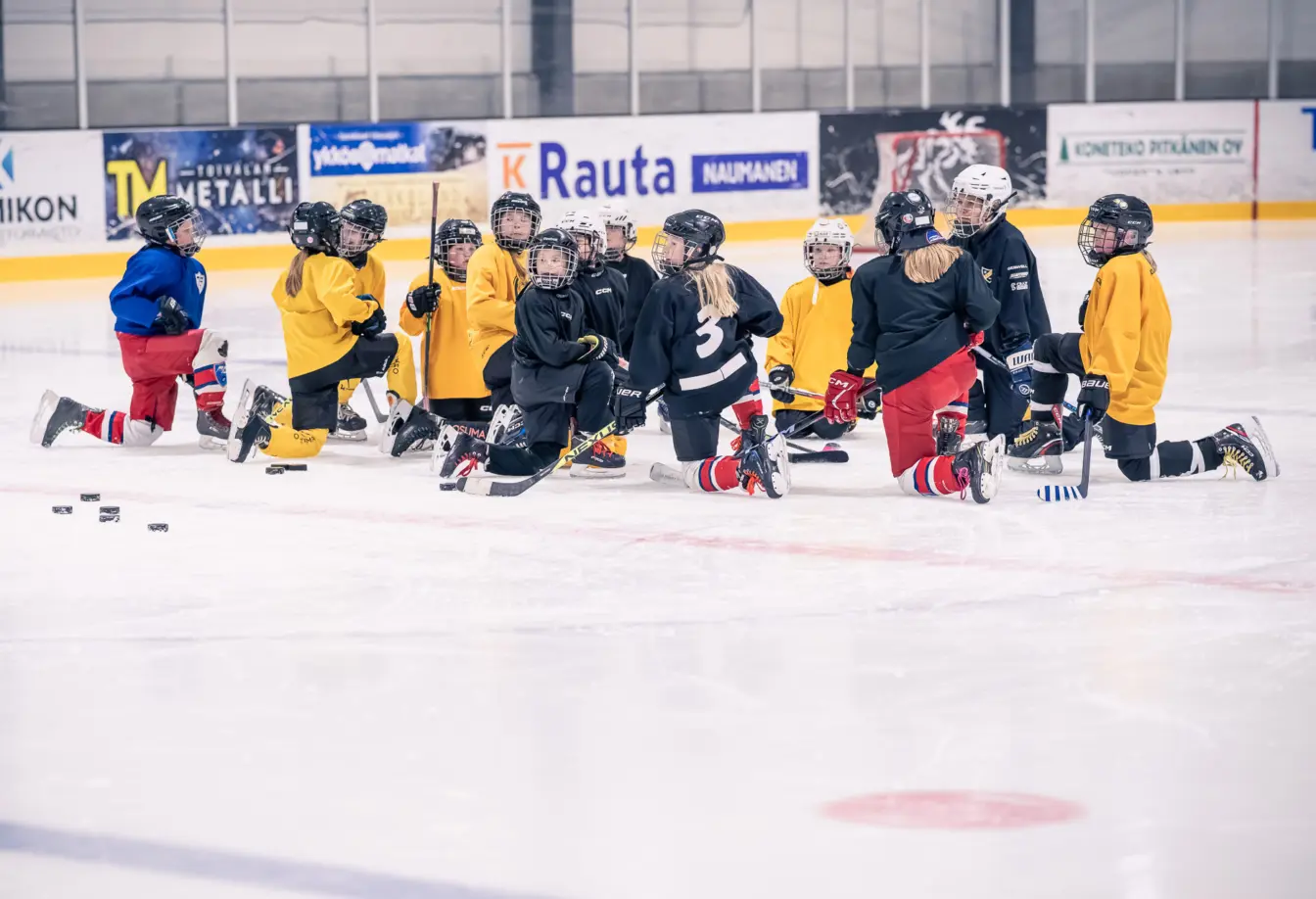
The impact of this data was immediate. The club discovered that, despite their best efforts, some children felt they were not receiving enough feedback during training. "We identified this as a clear area for improvement," says Koljonen. "We changed our coaching habits to ensure that constructive, encouraging feedback is woven into every session. We want to teach these children how to communicate. When a child feels safe and heard, they are far more likely to remain in the sport long-term."
Implications for the Future of Finnish Sport
The situation at Juniori-KalPa is a microcosm of a larger national shift. Currently, Finnish youth sports face a significant crossroads. Statistics indicate that children are becoming less active, motor skills are declining, and early specialization is leading to higher dropout rates.
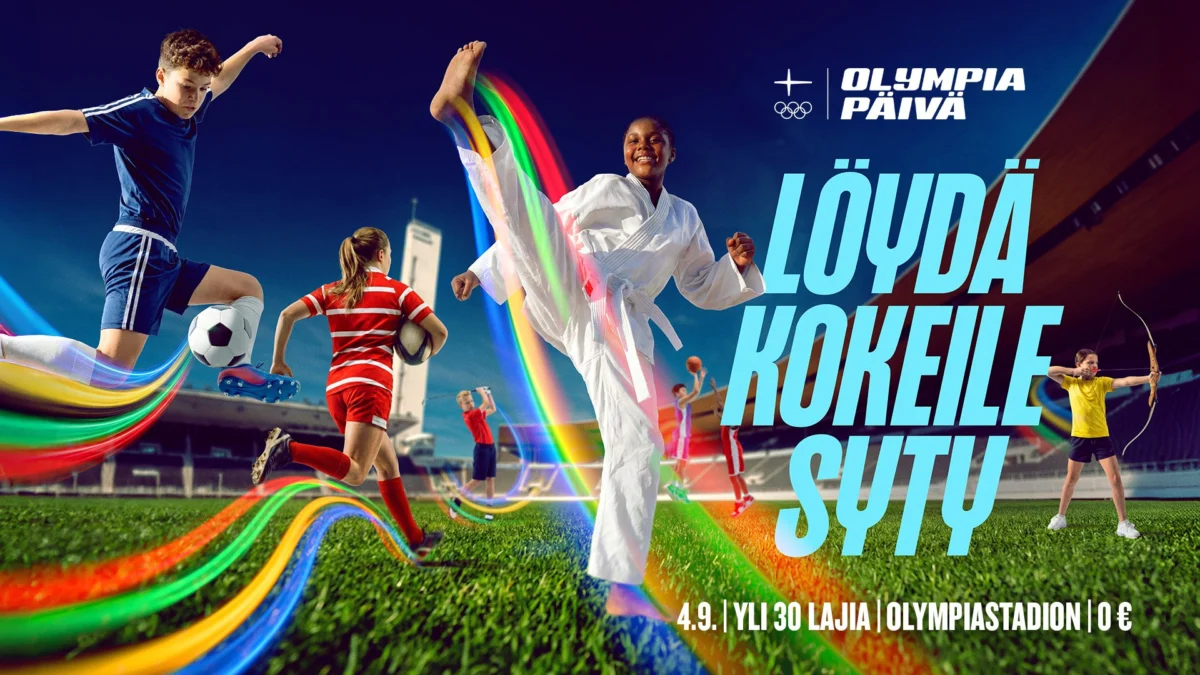
The Olympiakomitea (Finnish Olympic Committee) and 40 national sports federations are currently working to reverse these trends. The goal is clear: to ensure that sports remain a source of joy rather than pressure. By prioritizing inclusivity, belonging, and the ability to dream, organizations like Juniori-KalPa are proving that you do not have to sacrifice high-level development to keep children engaged.
Why Consistency Matters: The "Red Thread"
For the leadership at Juniori-KalPa, the most significant outcome of the handbook has been the creation of a "red thread"—a consistent, guiding philosophy that runs through the club.
"Before this, there were a lot of assumptions about what constituted a ‘good’ practice," explains Koljonen. "Now, we have a clear path and we know exactly what we are striving for. The ambiguity is gone."
Laurinkari adds that the framework is also a powerful tool for stakeholder management. "By making our goals and metrics visible, we have improved communication with parents and volunteers. Everyone understands the ‘why.’ The handbook is not a restriction; it is a foundation that allows our coaches to be creative while ensuring that the quality of our training remains consistently high."
Conclusion: A Model for Others
As Juniori-KalPa continues to refine its approach, it serves as a beacon for other organizations in Finland and beyond. The shift from a win-centric culture to a development-centric one is not just an altruistic choice—it is a pragmatic strategy for long-term survival in an era where children have more entertainment options than ever before.
By combining rigorous data, the "Hockey Centre" technology, and, most importantly, the active participation of the children themselves, Juniori-KalPa is ensuring that the next generation of hockey players will not only be more skilled but also more passionate about the game. In the final assessment, the success of a youth sports organization is not measured by the number of trophies in the display case, but by the number of children who return to the rink the next day with a smile on their face and a hunger to improve.