In the landscape of modern convenience, the meal-kit industry has undergone a radical transformation. Gone are the days when the only options were frozen, flavorless television dinners or the erratic quality of third-party food delivery apps. Today, the rise of “chef-driven” meal subscription services—led prominently by platforms like CookUnity—promises a paradigm shift: restaurant-quality dining delivered directly to your doorstep, pre-cooked and ready to reheat.
However, as users across the country begin to weigh the value proposition of these services, a complex truth is emerging. The quality of a meal is no longer just about the recipe or the chef’s prestige; it is inextricably linked to the geography of the commissary kitchen. For some, like those in Portland accessing the Seattle hub, the service offers a revelation in convenience and flavor. For others, the experience remains a high-stakes culinary lottery, dependent entirely on which regional hub fulfills the order.
Main Facts: The "Chef-Driven" Commissary Model
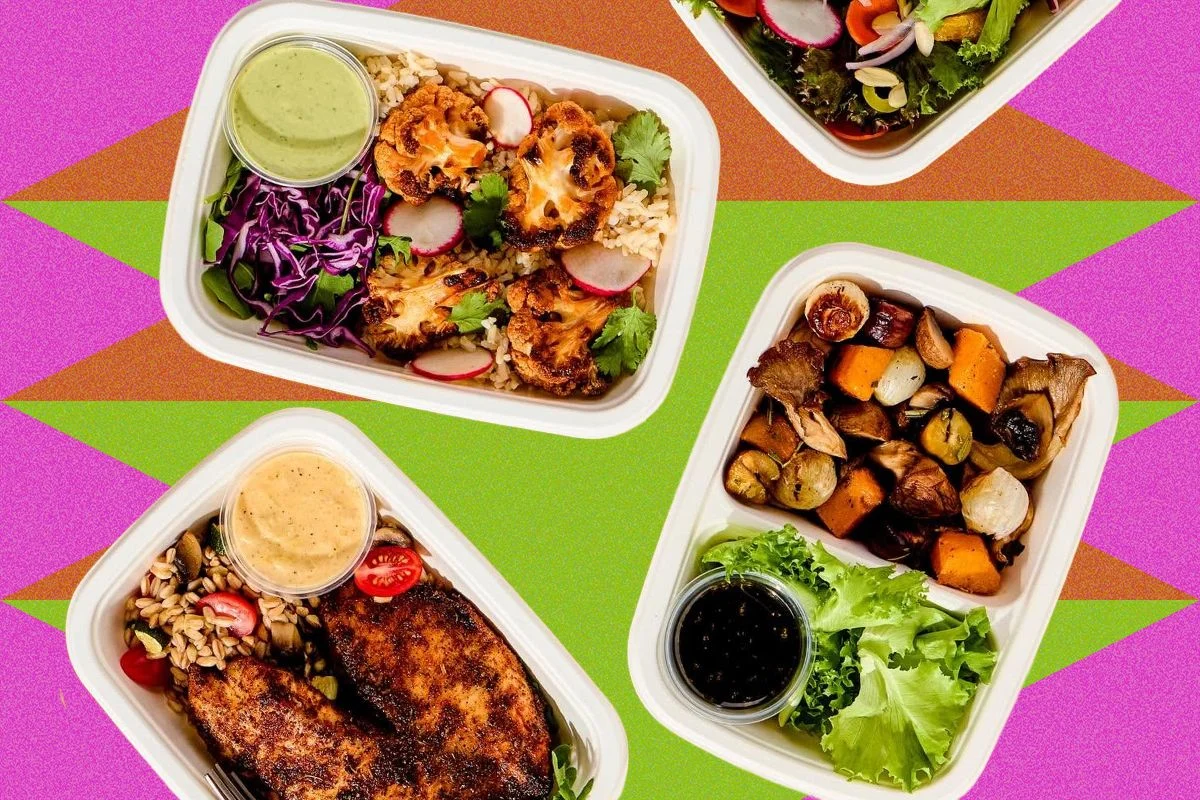
At the heart of the CookUnity business model is the concept of the regional commissary kitchen. Unlike traditional meal kits that ship vacuum-sealed, raw ingredients from a centralized national warehouse, CookUnity operates a decentralized network of regional hubs. Within these hubs, independent chefs—many of whom operate their own brick-and-mortar restaurants—utilize shared commercial space to prepare, package, and distribute meals.
The primary value proposition is twofold: it offers the convenience of a prepared meal while maintaining the personal brand and culinary signature of a professional chef. In the case of Raj’s Indian cuisine, for instance, the output is demonstrably superior to the local takeout options available in many metropolitan suburbs. The meals are characterized by nuanced spice profiles, perfectly cooked proteins, and a sophisticated approach to texture that is rarely achieved in the microwaveable meal industry.
However, the "chef-driven" branding carries a caveat. While a consumer might see a famous name on a label, that meal was not necessarily prepared by that chef’s own hands in their private restaurant kitchen. It was prepared in a high-volume, shared commissary space, governed by the local team’s adherence to the chef’s recipes.
A Chronology of the Prepared-Meal Evolution
To understand the current state of CookUnity, one must look at the evolution of the “ready-to-eat” (RTE) industry.
- 2010–2015: The Rise of Raw Kits. The industry began with raw ingredients delivered in insulated boxes. These required significant prep time, labor, and cleanup.
- 2016–2019: The "Ghost Kitchen" Boom. As delivery apps like DoorDash and UberEats matured, the concept of the ghost kitchen—a commercial kitchen space without a dining room—gained traction. This provided the infrastructure that platforms like CookUnity would eventually leverage.
- 2020–2022: The Pandemic Pivot. The COVID-19 pandemic accelerated the demand for high-quality, pre-cooked meals. Homebound consumers grew weary of both the effort of cooking raw kits and the inconsistency of restaurant delivery, which often arrived cold or soggy.
- 2023–Present: The Regional Hub Era. CookUnity and its competitors shifted to a model of local production. By establishing regional hubs in major metropolitan areas, they reduced shipping distances and improved the consistency of the food, though they simultaneously introduced the variable of regional quality control.
Supporting Data: The Variance of Regional Quality
The reality of the CookUnity experience is governed by the "Local Mileage May Differ" principle. Because each hub operates as a separate entity with its own staff, management, and local ingredient sourcing, the product you receive in Chicago may differ significantly from the version of the same dish served in Los Angeles or Atlanta.
The Role of Competition
One of the most compelling aspects of the CookUnity model is the internal competition fostered within the commissaries. Because chefs are independent entities sharing a space, they are incentivized to maintain high standards to retain subscribers. When a chef’s reputation is attached to a meal, there is a tangible market pressure to ensure that the "Beef Stroganoff with Truffle & Pappardelle" is not just palatable, but impressive.
Caloric Density vs. Nutritional Focus
Analysis of menu offerings reveals a recurring trend: starches remain the backbone of the "big feast" offerings. While CookUnity provides a wider caloric range than many of its competitors, a significant portion of their higher-calorie meals rely on rice, pasta, and noodles. This is a pragmatic economic choice; starches are cost-effective, shelf-stable, and provide the "filling" satiety that many customers equate with value.
--CookUnity-Prepared-Delivery-Meals.jpg)
For the health-conscious consumer looking for protein-dense, low-carb options, the menu is often skewed toward smaller, more expensive portions. This creates a tension between the platform’s marketing as a "healthy" alternative and the fiscal reality of mass-producing food that must remain profitable.
Official Responses and Industry Perspectives
While CookUnity has not released granular data regarding the consistency variance between its hubs, industry analysts point to the challenges of "scaling artisan quality."
The company maintains that their model empowers local culinary talent by providing them with the logistical infrastructure to reach thousands of households without the overhead of a second restaurant location. In official communications, they emphasize that the "chef-led" aspect ensures that every meal is developed with professional culinary standards, regardless of the location.
However, external food critics argue that "scaling a recipe" is fundamentally different from "scaling a kitchen." When a recipe is handed off to a team of commissary line cooks, the nuances of temperature control, seasoning adjustments, and ingredient quality—all of which a head chef manages intuitively—can be lost.
Implications: Is the Service Worth the Subscription?
For the average consumer, the implications of this regional model are significant.
- The "Local Hero" Effect: If you live in a city with a high density of professional culinary talent, your CookUnity experience is likely to be exceptional. The platform functions as a gateway to high-end food that would otherwise be geographically inaccessible.
- The Transparency Gap: Consumers should approach the platform with the understanding that they are not ordering from a chef’s restaurant, but rather a "version" of a dish interpreted by a regional production team. If the meal is exceptional, it is a testament to that specific hub’s leadership. If it is mediocre, it is often a failure of that specific hub, not necessarily the chef’s recipe.
- Economic Considerations: The cost-per-meal often looks favorable when compared to dining out, but it requires a monthly commitment. Consumers must weigh whether the "lottery" aspect of regional consistency is worth the recurring fee.
Future Outlook
As the market for prepared meals continues to mature, we are likely to see more transparency regarding which specific hub is fulfilling orders. The future of this industry lies in standardization—not by making the food "factory-made," but by ensuring that the training and quality control processes are uniform across the network.
Until that level of standardization is achieved, CookUnity remains a fascinating experiment in democratizing fine dining. It is a service that highlights both the incredible potential of the modern food-tech supply chain and the inherent, messy, human variables that come with cooking for thousands of people at once.
If you are a prospective user, the best advice is to treat your first order as a test. Your location is the most important ingredient in your meal. If you are lucky enough to be served by a high-performing hub, you will find that the convenience, flavor, and nutritional variety of CookUnity offer a compelling argument against the traditional restaurant-delivery model. If not, the variability of the commissary model may leave you looking for alternatives.
Ultimately, CookUnity is not a monolith. It is a collection of hundreds of small, competing businesses, and your experience is simply a reflection of the team currently manning the stoves in your corner of the world.