In the high-stakes environment of wilderness trekking, survival is often framed through the lens of gear selection: the weight of your pack, the R-value of your sleeping pad, or the waterproofing of your shell. However, a recent installment of the Backpacking Light Podcast (Episode 147) challenges this object-oriented approach, proposing a more nuanced physiological framework: "Thermoregulatory Debt."
Hosted by Ryan Jordan, the episode argues that cold-weather safety is not merely about the equipment you carry, but the precise timing of how and when you deploy it. By introducing a financial analogy for human physiology, Jordan provides a compelling model for why so many hikers find themselves in perilous situations—not because they lack the right gear, but because they fail to manage the "interest rates" of their own metabolic and environmental expenditures.
The Core Concept: The Physiology of Financial Failure
At its most fundamental level, thermoregulatory debt functions identically to credit card debt. Just as a small, seemingly insignificant purchase can compound into an unmanageable financial burden over time, minor lapses in thermal regulation during a hike compound into a physiological crisis.
The analogy posits that every time a hiker ignores the early warning signs of overheating or moisture accumulation, they are "borrowing" against their future comfort. If you delay venting your shell while climbing a steep incline, you are effectively taking out a high-interest loan. By the time you stop for a break or reach camp, the "debt" comes due. If you haven’t managed your systems, you suddenly find yourself shivering, physically depleted, and unable to perform basic tasks—a state of bankruptcy where your body no longer has the metabolic capital to keep you warm.
The Three Phases of Debt
The transition from comfort to crisis generally follows a three-stage progression:
- The Decision Phase: This is the point of initial oversight. It involves failing to open pit zips, neglecting to remove an unnecessary base layer before a strenuous ascent, or delaying a caloric intake until blood sugar is already crashing.
- The Physiological Imbalance: Once the decision is ignored, the body begins a compensatory process. It may sweat excessively to shed heat, or, conversely, it may begin shunting blood away from the extremities to protect the core. This is the stage where the "interest" begins to accumulate.
- Delayed Impairment: This is the "default" stage. You stop moving, and the ambient temperature suddenly feels freezing. You discover that your insulation is damp, your hands are too numb to operate zippers, and your cognitive functions are slowed by hypothermia. The debt has arrived, and it is far more expensive to repay than the initial effort of preventative maintenance.
Categorizing the Deficit: Moisture, Heat, and Performance
To understand how this debt manifests, the episode breaks down the metabolic burden into three distinct, interlocking categories. Each category represents a specific way the body loses its ability to regulate temperature.
1. Moisture Debt: The Silent Accumulator
Moisture is the primary enemy of insulation. When you hike hard, your body produces sweat. If your layering system does not effectively vent this moisture, it accumulates within your garments. Once your insulation becomes damp, its thermal efficiency plummets. Because water conducts heat away from the body roughly 25 times faster than air, wet layers act as a thermal drain. Managing "Moisture Debt" means prioritizing vapor permeability throughout the active phase of the hike, ensuring that your insulation remains dry for the sedentary phases.
2. Heat Debt: The Energy Sink
"Heat Debt" occurs when the rate of heat loss (via convection, conduction, radiation, and evaporation) exceeds the body’s metabolic heat production. This is often the result of failing to adapt to changing environmental conditions—a sudden wind, a drop in altitude, or a change in terrain. Once a hiker enters a state of heat debt, they must burn more calories to produce heat. If that caloric fuel is not available, the body enters a downward spiral that is notoriously difficult to reverse.
3. Performance Debt: The Cognitive Collapse
Perhaps the most dangerous aspect of this model is "Performance Debt." When the body is forced to prioritize core warmth, it initiates peripheral vasoconstriction, pulling blood away from the hands and feet. This leads to a loss of fine motor skills. In the backcountry, this is a mission-critical failure. If you cannot light your stove, open a food package, or set up a tent because your fingers are unresponsive, your ability to rectify the initial debt is effectively neutralized.
Supporting Data: The Case for Proactive Intervention
The podcast episode emphasizes that the most successful hikers are not necessarily the ones with the most expensive gear, but those who practice "proactive behavior." This involves constant, iterative assessment of one’s state of being.
The Science of "Frost Nip" and Extremity Management
Listener feedback highlights the physical reality of these concepts. Many hikers report a history of ignoring cold fingers, often continuing to move until their hands turn white—a condition known as "frost nip." As one listener noted, ignoring these early warning signs can lead to permanent cold sensitivity.
When the torso is cold, the body’s autonomic response is to prioritize the vital organs. It sacrifices the extremities to maintain core temperature. By allowing the torso to become cold, you are directly causing your fingers to become vulnerable to frost nip. Therefore, the remedy is not just gloves, but better insulation for the core, which encourages the body to maintain peripheral circulation.
The Role of Alternative Fabric Structures
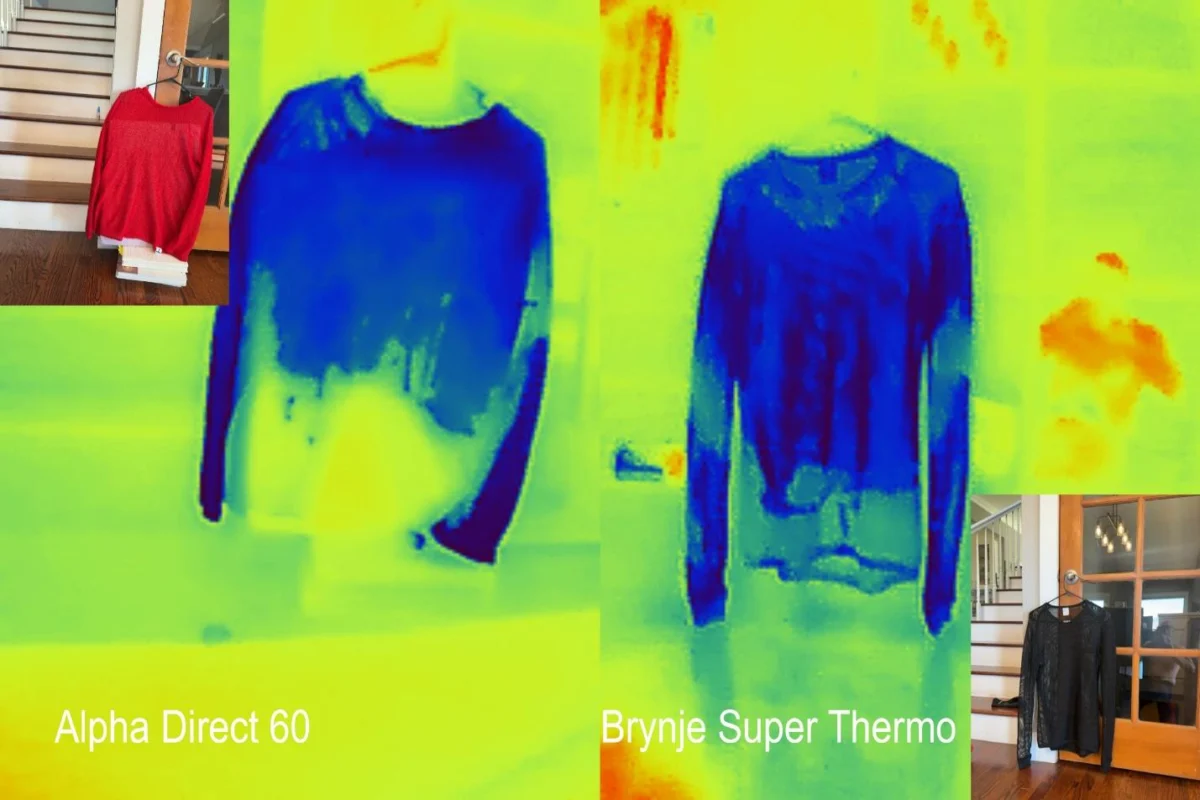
A key technological component in managing moisture debt is the structure of the garment itself. The episode highlights the efficacy of "fishnet" or open-weave base layers, such as those produced by Brynje. Unlike traditional solid-knit fabrics, which trap moisture against the skin until they are saturated, open-weave fabrics create a physical gap between the skin and the outer layer. This allows sweat to move away from the body rapidly, significantly reducing the "Moisture Debt" accumulated during high-output activity.
Official Recommendations and Practical Interventions
To avoid falling into a terminal state of thermoregulatory debt, experts and experienced outdoorsmen suggest adopting a "pre-emptive" rather than a "reactive" mindset:
- Vent Early and Often: Do not wait for the "sweat threshold." As soon as you feel a rise in temperature, open your vents. It is better to feel slightly cool for a moment than to be damp for the rest of the day.
- The "Stop-and-Go" Protocol: Anticipate your stops. If you are about to pause for lunch, put on an insulated layer before you stop moving. Do not wait for the cold to set in before adding protection.
- Segment Your Insulation: Keep your camp gear in a waterproof sack, completely isolated from your active gear. Never let your sleeping insulation get wet from the sweat of your hike.
- Caloric Management: Think of food as fuel for the furnace. If you are entering a colder or windier environment, eat before you feel hungry. Maintaining a steady metabolic burn is essential for generating the heat needed to offset environmental losses.
Implications for the Future of Mountaineering
The introduction of the Thermoregulatory Debt model marks a shift in how we teach outdoor safety. It moves the focus away from "gear lists" and toward "decision-making literacy."
For the average hiker, the implications are profound. It suggests that the most critical piece of equipment you carry is your own awareness. By reframing thermal management as a resource-allocation problem, hikers can begin to see their bodies as sophisticated systems that require constant, diligent monitoring.
Furthermore, this model underscores the importance of humility in the backcountry. Acknowledging that you have incurred debt is the first step in paying it back. Whether it is adding a wind shell, eating a high-calorie snack, or simply slowing your pace to reduce heat production, these small, iterative decisions are the difference between a successful trip and a rescue scenario.
As the backcountry community continues to evolve, the shift toward understanding the physiology of the hike—rather than just the technology of the pack—represents a vital advancement in wilderness safety. In the cold, wet, and wind-swept environments where we test our limits, the ability to manage your thermoregulatory account may prove to be the most valuable skill you can possess.