In the quiet solitude of the wilderness, the towering silhouettes of lodgepole pines, hemlocks, and cedars provide the quintessential backdrop for the outdoor experience. They offer shade, wind protection, and the structural foundations for hammocks and tarps. Yet, for the seasoned backpacker, these sentinels can transform from sources of comfort into unpredictable hazards.
The danger of "hazard trees"—trees prone to sudden, catastrophic failure—is a low-frequency, high-consequence risk that remains perpetually present. While statistically less common than hypothermia or falls, the lethality of a falling tree or a "widowmaker" (a detached, hanging branch) is absolute. As outdoor enthusiasts increasingly venture into forests scarred by fire, drought, and beetle infestation, the art of hazard tree assessment has moved from a niche forestry skill to an essential survival requirement for the modern hiker.
A Legacy of Fire and Decay: The Chronology of Risk
The modern understanding of forest instability in the American West is often traced back to the landmark 1988 Yellowstone fires. The conflagration, which consumed nearly 1.4 million acres, created a vast laboratory of ecological succession. For decades, the landscape remained dominated by "matchstick forests"—skeletal, standing lodgepole pines that had lost their structural integrity to the intense heat of the blaze.
However, the risk is not confined to fire-ravaged zones. The chronology of recent backcountry tragedies paints a sobering picture of how pervasive this hazard has become across diverse ecosystems:
- August 2019 (Pacific Crest Trail): A thru-hiker was killed instantly while traversing a trail corridor, a tragic reminder that the risk follows the hiker even while in motion.
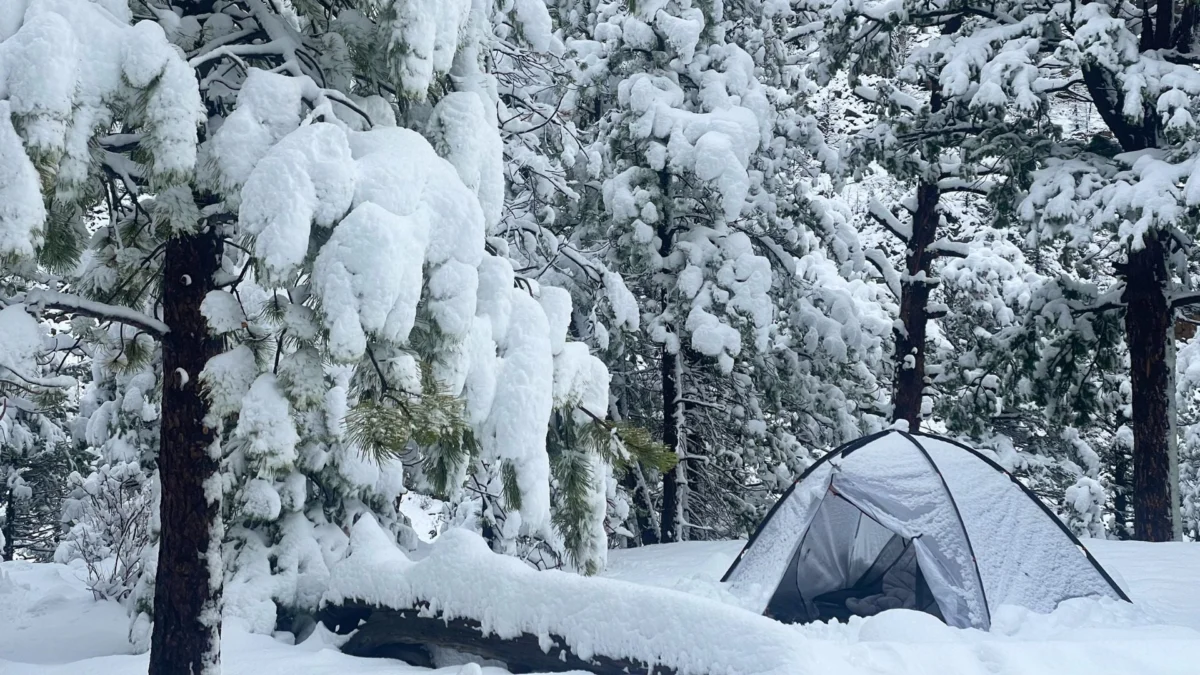
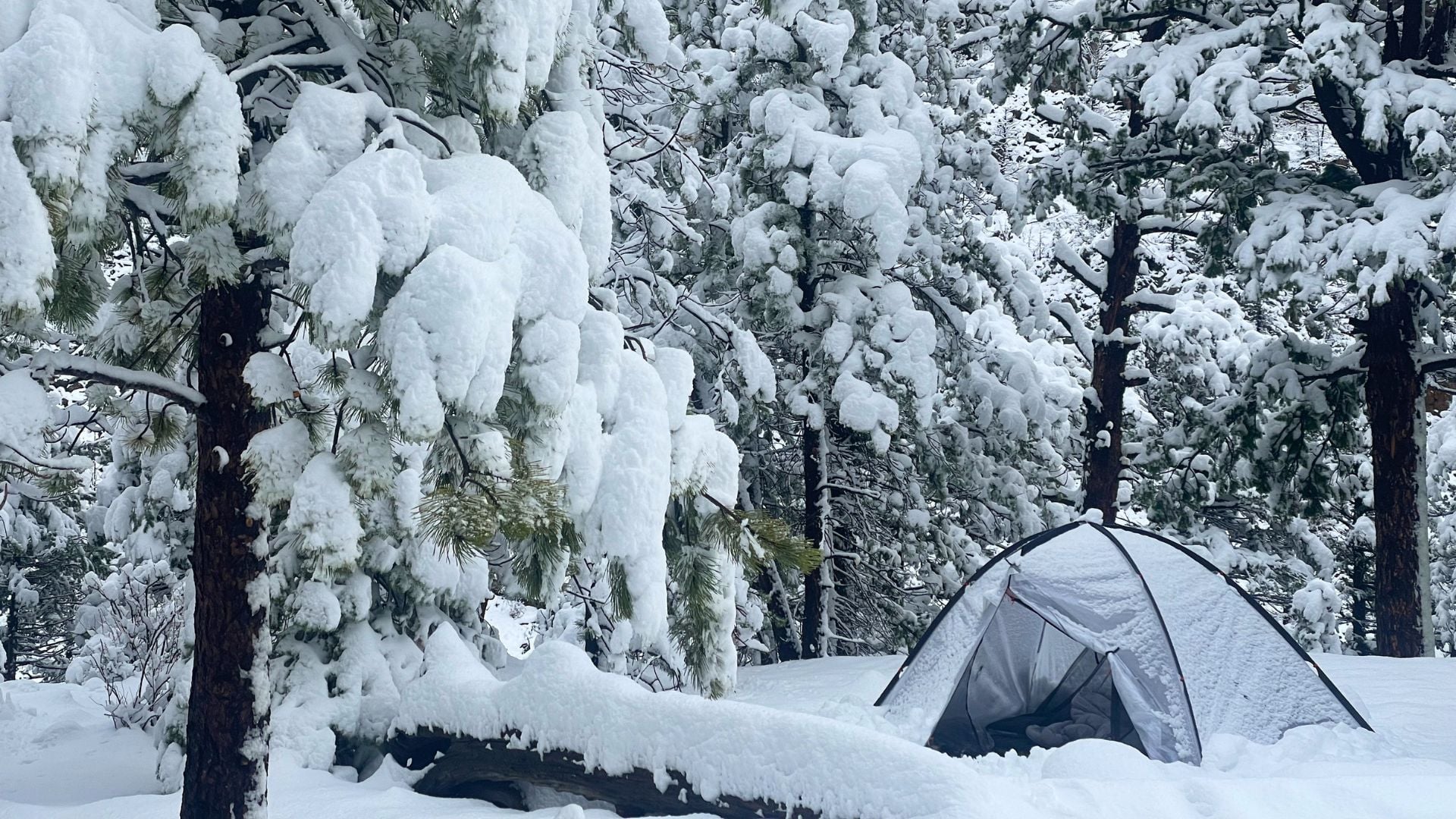
- August 2019 (Colorado Trail): A backpacker lost her life when a tree collapsed onto her tent, highlighting the vulnerability of stationary campers.
- May 2021 (White Mountain National Forest): A backpacker using a hammock was killed when the tree supporting his rig failed, demonstrating that human interaction with trees—such as adding weight to a trunk—can be a catalyst for collapse.
- August 2022 (Olympic National Park): A visitor at the remote Elk Lake wilderness site was killed in his sleep, a stark illustration of the "blind spot" created by fatigue and the perceived safety of a campsite.
These events are not merely statistical anomalies; they are indicators of a shifting environmental baseline. As climate change accelerates the cycles of drought, pest infestation (such as the mountain pine beetle), and extreme weather events, the number of standing dead or weakened trees is rising, even in areas historically considered "healthy."
Understanding the Anatomy of Failure
To mitigate risk, one must first understand what makes a tree a "hazard." Forestry experts categorize tree failure into several primary vectors, all of which are exacerbated by environmental stress.
1. Root System Compromise
Trees in the backcountry often rely on root systems that are shallower than they appear. In riparian zones or areas with high water tables, roots may be undermined by erosion. In dense forests, root rot—often caused by fungi—can hollow out the base of a tree, leaving the trunk structurally sound above ground while the anchor is essentially mush.
2. The "Widowmaker" Phenomenon
Sometimes, the trunk remains upright while the threat lurks above. Dead limbs, known as "widowmakers," are often snagged on lower branches. A slight breeze or the thermal expansion of the tree can dislodge these heavy, often sharpened limbs, sending them plummeting with lethal force.
3. Pathological Weakness
Insects and disease are the silent architects of forest collapse. The mountain pine beetle, for instance, leaves behind a hollowed-out, dry husk of a tree. While these trees may stand for years, their wood fibers become brittle, losing the "bend-but-don’t-break" flexibility of a living tree. When the wind hits a certain threshold, these trees do not sway; they snap.
The Psychology of Complacency
Why do we continue to sleep under trees if we know the risk? The answer lies in the human cognitive bias toward normalcy. We have slept under trees hundreds of times without incident. This familiarity breeds a dangerous level of complacency. We evaluate a campsite based on its proximity to water, its flatness, and its view, often ignoring the "vertical landscape" above our heads.
In the backcountry, we are hyper-vigilant about bear canisters, water filtration, and navigation. Yet, we rarely perform a "tree survey" before pitching a tent. We must transition from asking "Are trees dangerous?" to asking "Am I about to spend the next several hours under a structure that could fail?"
Official Responses and Risk Management Strategies
Land management agencies, including the National Park Service (NPS) and the U.S. Forest Service (USFS), generally prioritize hazard tree removal only in high-traffic areas, such as developed campgrounds and major trailheads. In the deep backcountry, nature is allowed to take its course. Consequently, the burden of risk management falls squarely on the individual.
Site Selection Protocols
When choosing a campsite, the "Look Up, Look Down, Look Around" protocol is the industry standard for professional arborists and wildland firefighters:
- Look Up: Scan the canopy for dead limbs, signs of rot, or trees leaning toward your site. If you see a "spike top" (a tree with no needles at the crown), treat it as a high-probability failure.
- Look Down: Inspect the ground for fresh debris. A forest floor littered with heavy, fallen branches is a sign of an unstable canopy. Check the base of the trees for mushrooms or fungal conks, which indicate internal decay.
- Look Around: Observe the species. Are there shallow-rooted trees in sandy soil? Are you in a "wind tunnel" or a valley where gusts are funneled and intensified?
Behavioral Adjustments
- Avoid the "Wind Window": If a thunderstorm is approaching or wind speeds are gusting, avoid camping in stands of dead or fire-killed trees. If you are already there, consider moving to a clearing or a younger, denser stand of trees that are more flexible.
- Hammock Awareness: If you are a hammock user, your interaction with the tree is direct. Test the tree by pushing against it. If it sways significantly or feels "spongy" at the base, find another anchor. Never hang from a dead tree.
- The 100-Foot Rule: In high-risk areas, consider moving your camp away from the edge of the forest. While it may offer less protection from the wind, it significantly reduces the likelihood of being struck by a falling trunk.
Implications for the Future of Recreation
As outdoor recreation grows in popularity, the intersection of human activity and decaying forest ecosystems will become more frequent. The implications are clear: we must integrate hazard tree awareness into the foundational curriculum of outdoor education.
The death of a hiker in a national park is a high-consequence event that triggers investigations, site closures, and, occasionally, the aggressive removal of trees near trails. However, the true solution is not to clear-cut the wilderness, but to educate the user.
We must accept that the wilderness is not a static park designed for our safety; it is a dynamic, evolving environment. Hazard trees are a natural part of the life cycle of a forest—they provide essential habitat for birds and insects and return nutrients to the soil. Our goal is not to eliminate these risks, but to learn to read the forest’s language of decay.
By sharpening our awareness and acknowledging the volatility of the standing dead, we can continue to enjoy the profound beauty of the mountains while minimizing the chances that our final night in the woods is interrupted by the silent, fatal snap of a failing trunk. The next time you find yourself setting up a tent in the twilight, take a moment to look up. Your life may well depend on it.