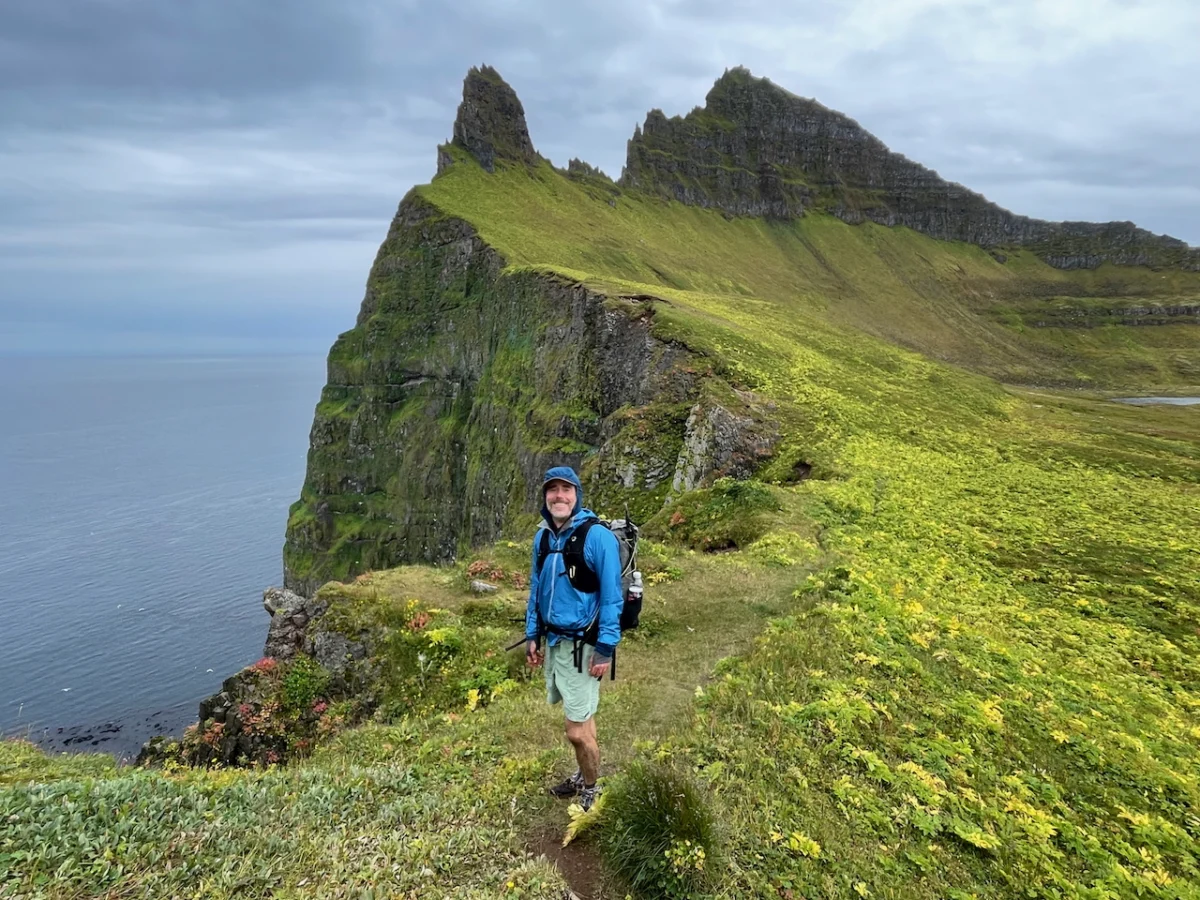
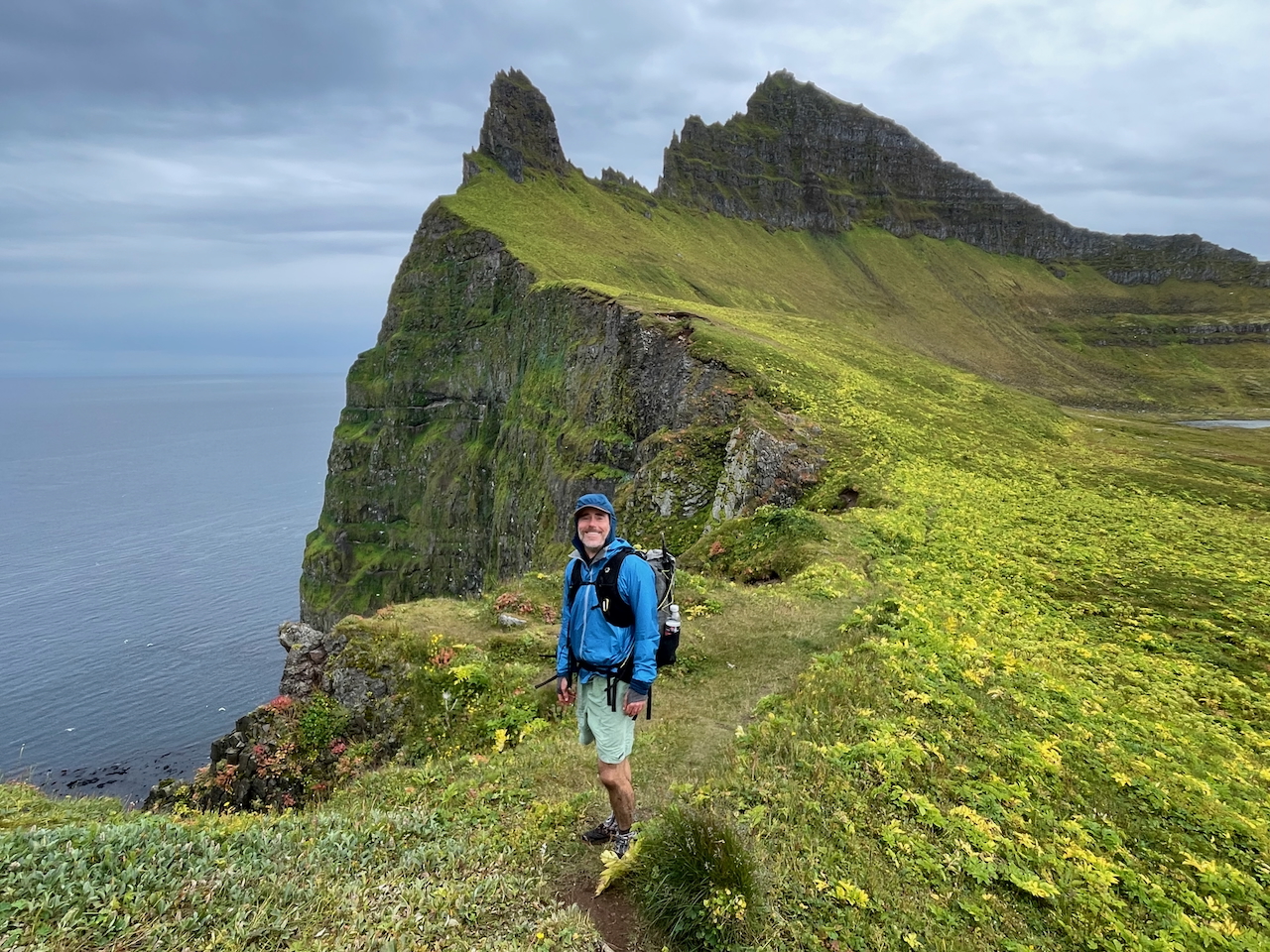
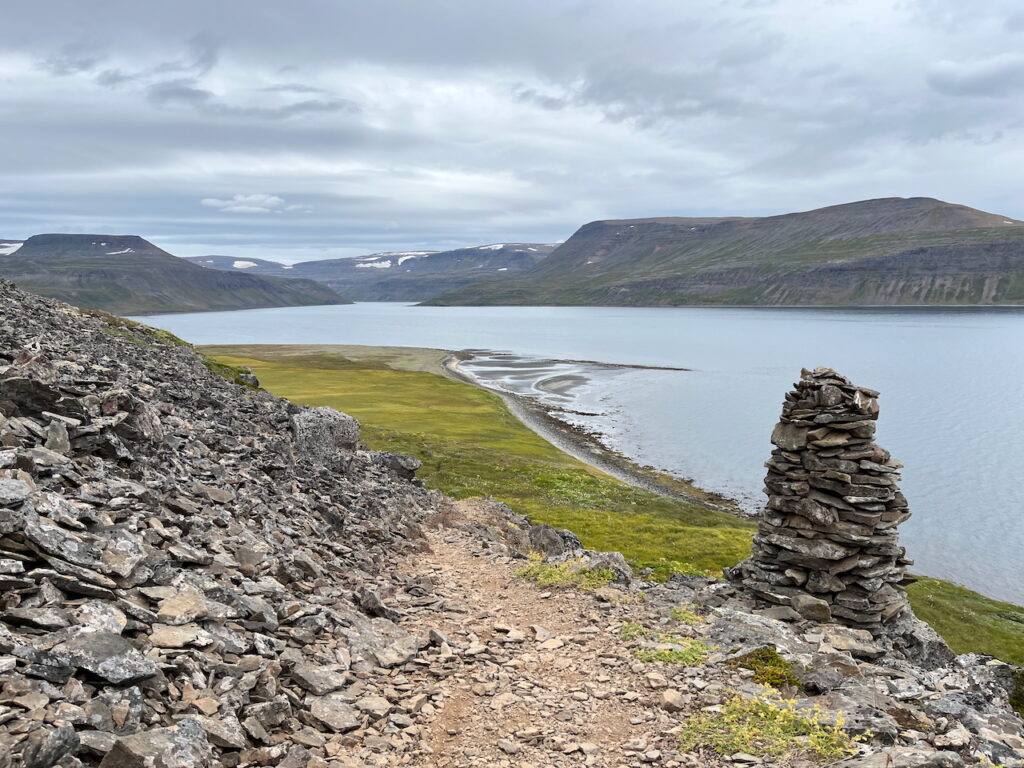
In the far northwest of Iceland, where the North Atlantic crashes against the jagged basalt columns of the Westfjords, lies a region that defies the modern pace of life. Hornstrandir is not merely a place; it is a pristine, primeval nature reserve where the only roads are ancient animal trails and the only residents are those that have walked on four legs for millennia. Accessible only by sea during the brief Icelandic summer, this remote wilderness offers a sanctuary for those seeking to reconnect with the raw, untamed beauty of the Arctic.
The Last Wilderness: Understanding Hornstrandir
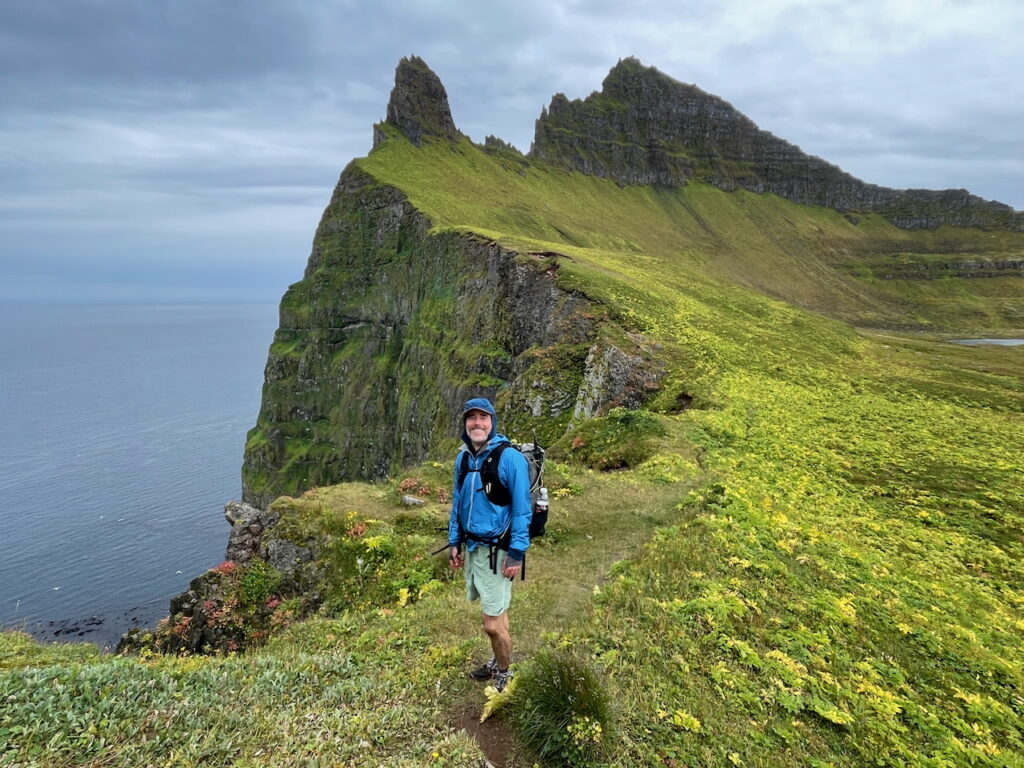
The Hornstrandir Peninsula represents one of the final frontiers of European wilderness. Devoid of infrastructure, electricity, and permanent human settlement, it serves as a living museum of Iceland’s pre-industrial past.
Historical Context: From Outpost to Reserve
The history of Hornstrandir is a poignant study of resilience and eventual surrender to the elements. For centuries, hardy communities subsisted here through a blend of small-scale farming and coastal fishing. However, the mid-20th century marked the end of an era. The collapse of the salt-fish market in the 1930s, followed by the closure of the critical herring station at Hesteyri in the 1940s, rendered the region economically unsustainable. By the 1950s, the last permanent residents had departed for the larger, more connected settlements of the south. In 1975, the Icelandic government formally designated the peninsula a nature reserve, ensuring that the land would be preserved for future generations, free from the encroachment of development.
Biological Significance
The absence of human industry for over 70 years has allowed the region to flourish. The peninsula is a critical stronghold for Arctic biodiversity, boasting over 260 recorded species of vascular plants. Without the pressure of livestock grazing, the tundra has reclaimed the slopes, creating a vibrant carpet of Arctic lupine, angelica, and crowberry. Furthermore, the sheer, 500-meter-high sea cliffs provide essential nesting grounds for thousands of seabirds, including puffins, guillemots, razorbills, and fulmars.
Chronology of the Expedition
The following account chronicles a six-day, 120-kilometer traverse of this rugged landscape, a journey that tests the mettle of even the most experienced hiker.
Day 1: The Departure from Hesteyri
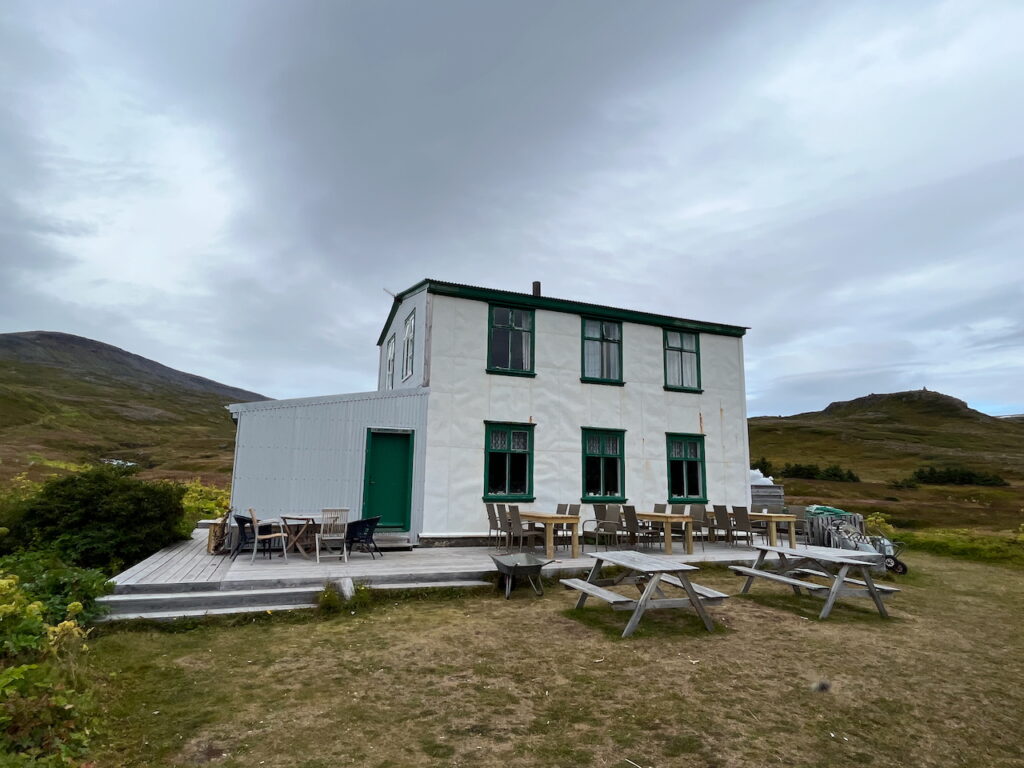
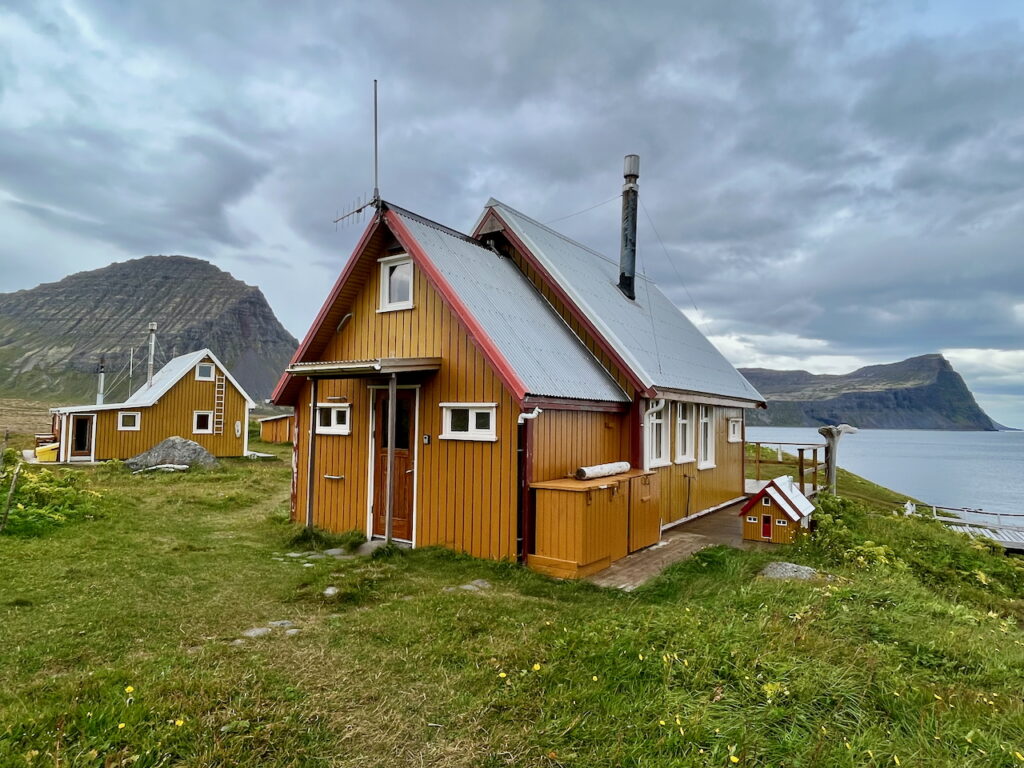
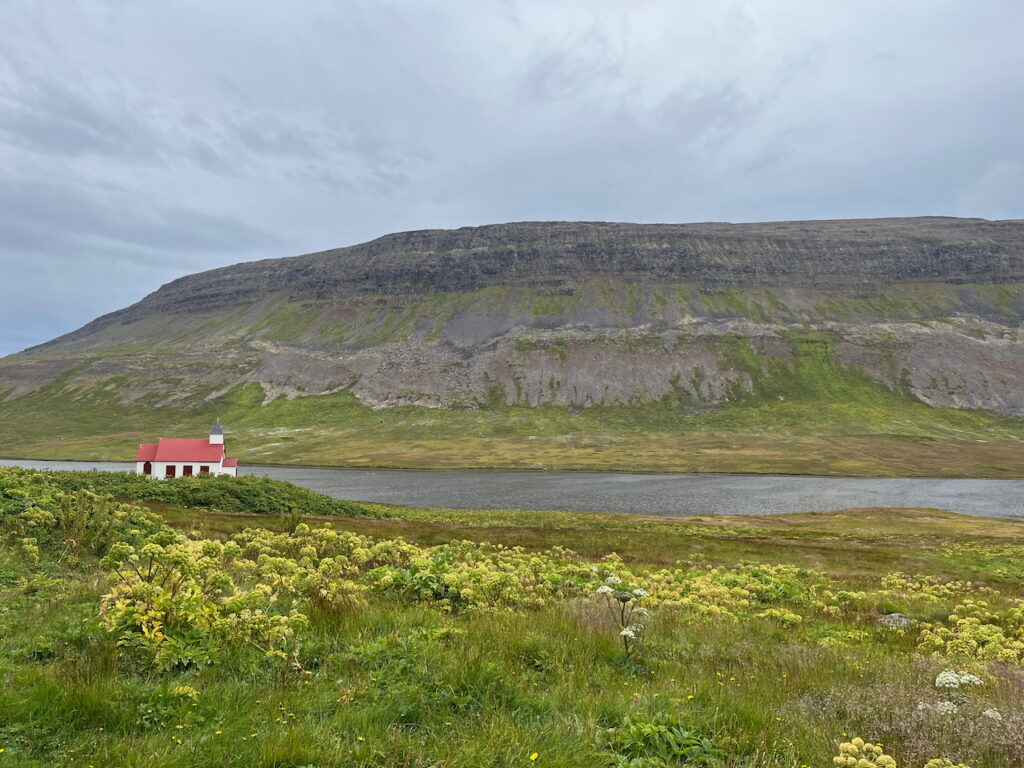
The expedition began at Hesteyri, the ghost town that serves as the peninsula’s primary gateway. After departing the boat, the route led inland, winding toward the tranquil Staðarvatn Lake. The landscape here is marked by the remnants of abandoned life—rusted vehicles and lonely, red-roofed cottages that stand as silent witnesses to history. The day concluded with a challenging climb and a descent via a precarious ladder, leading to the first campsite at Tjaldsvæði Látrum.
Day 2: Navigating the Plateau
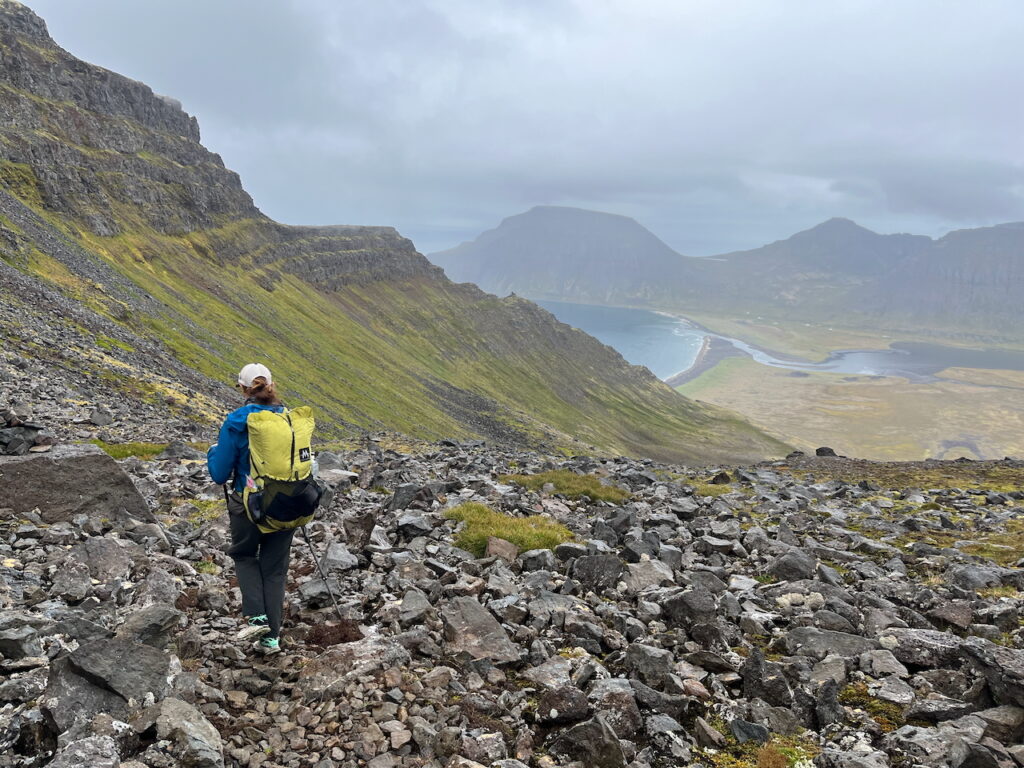
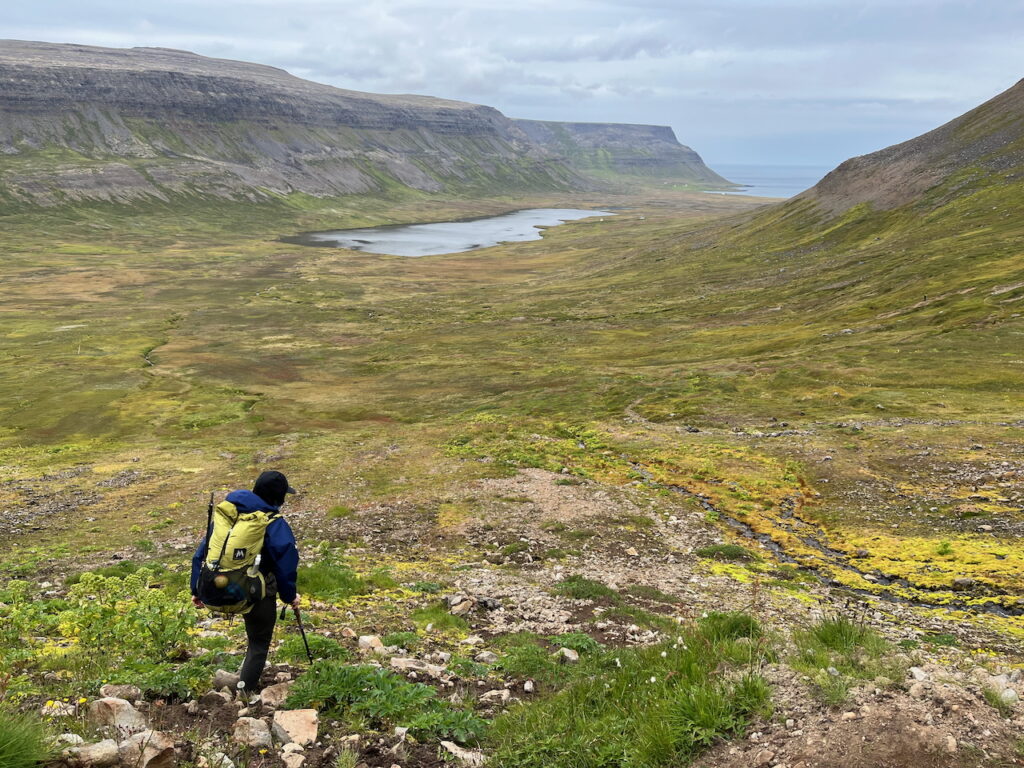
The second day demanded grit as the trail navigated the rocky, windswept plateaus northeast of the base camp. The terrain is deceptive, shifting from soft, moss-covered ground to treacherous boulder fields. The descent toward Fljótavík Bay offered the first true views of the North Atlantic’s power, punctuated by the vibrant colors of Sea Thrift (Armeria maritima) and Arctic Root (Rhodiola rosea).
Day 3: The Black Sands and Arctic Foxes
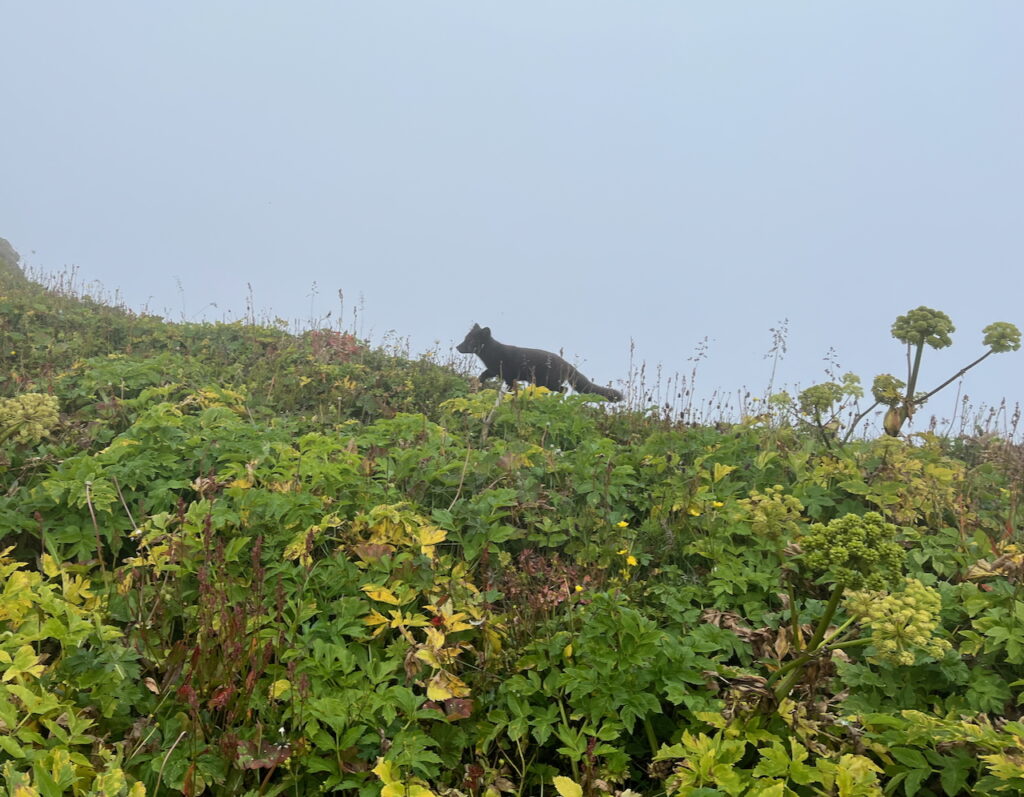
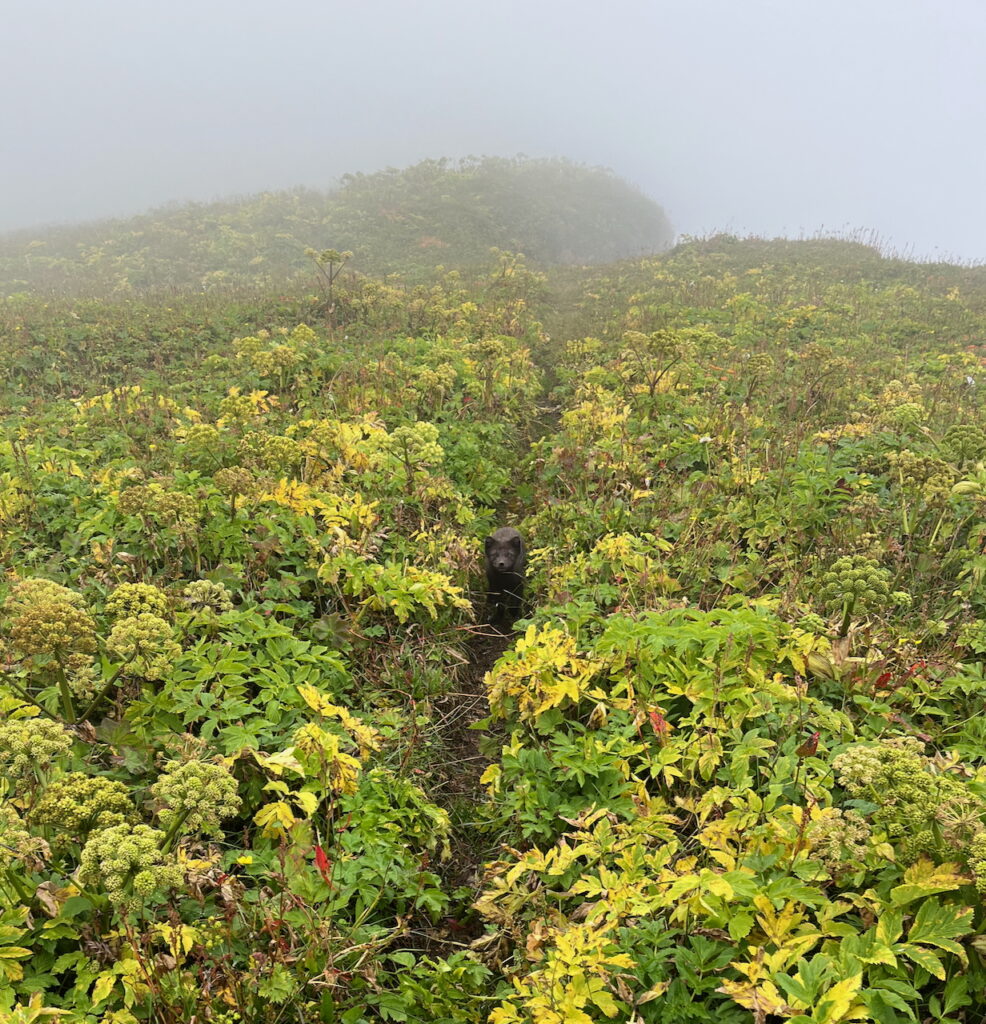
The trek pushed toward the iconic black sands of Hornsvík. It is here that the peninsula’s most famous resident, the Arctic fox, is most commonly encountered. Unlike their counterparts in other parts of the world, Iceland’s foxes have thrived in this protected environment. A close encounter with a curious fox near the Horn campsite served as a highlight, illustrating the unique lack of fear these animals possess in a protected, human-free zone.
Day 4: The Towering Cliffs of Hornbjarg
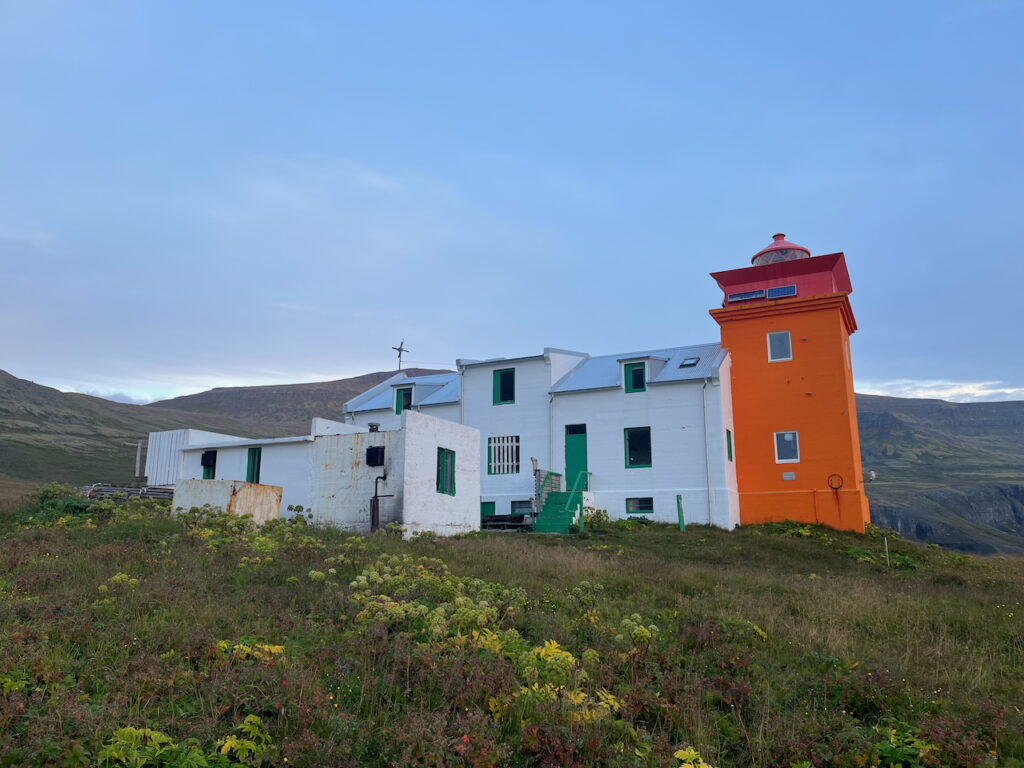
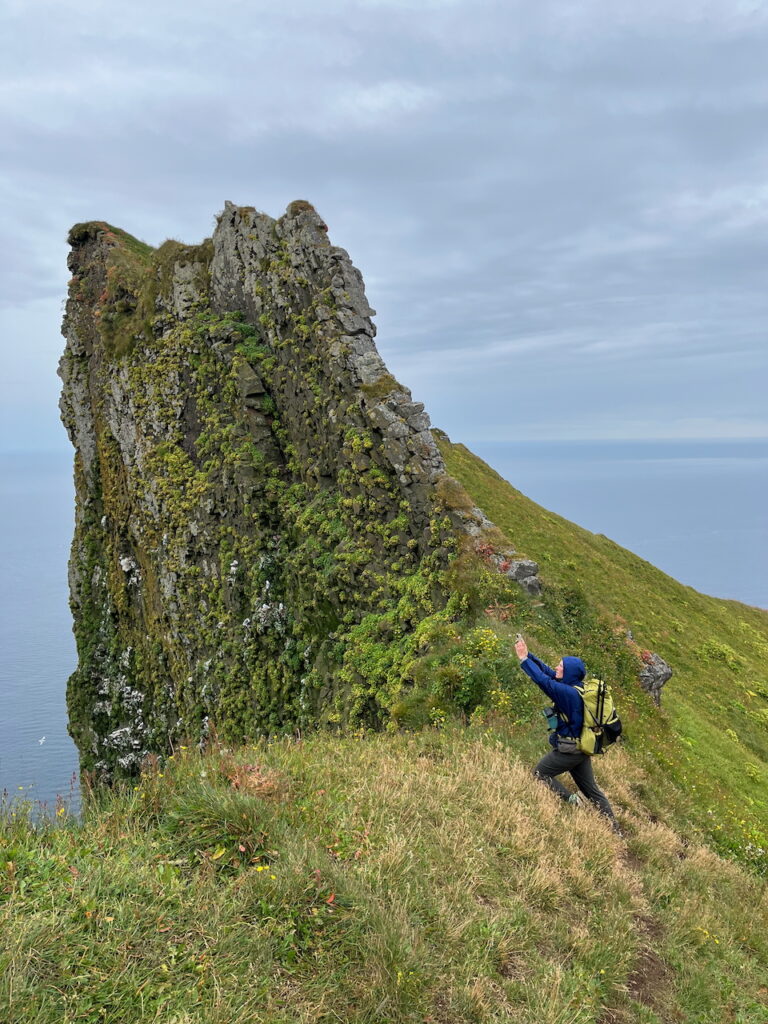
Day four was defined by the sheer verticality of the landscape. Traversing the clifftops of Hornbjarg—which rise over 500 meters above the churning sea—required nerves of steel. The trail here often runs dangerously close to the precipice, offering unparalleled, if vertigo-inducing, views of the bird colonies below. The day ended at the historic Hornbjargsviti Lighthouse, a beacon of civilization in an otherwise wild expanse.
Day 5: Dunes and Passes
The journey continued toward Steinólfsstaðir, crossing the vast, shifting dunes of Hornvík. The climb to Hafnarskarð Pass proved to be a physical test, rewarded by breathtaking vistas of tarns rimmed with white, fluffy cottongrass. The isolation here is absolute, with the weather systems moving in rapidly from the sea, serving as a constant reminder of the region’s volatile climate.
Day 6: Return to Civilization
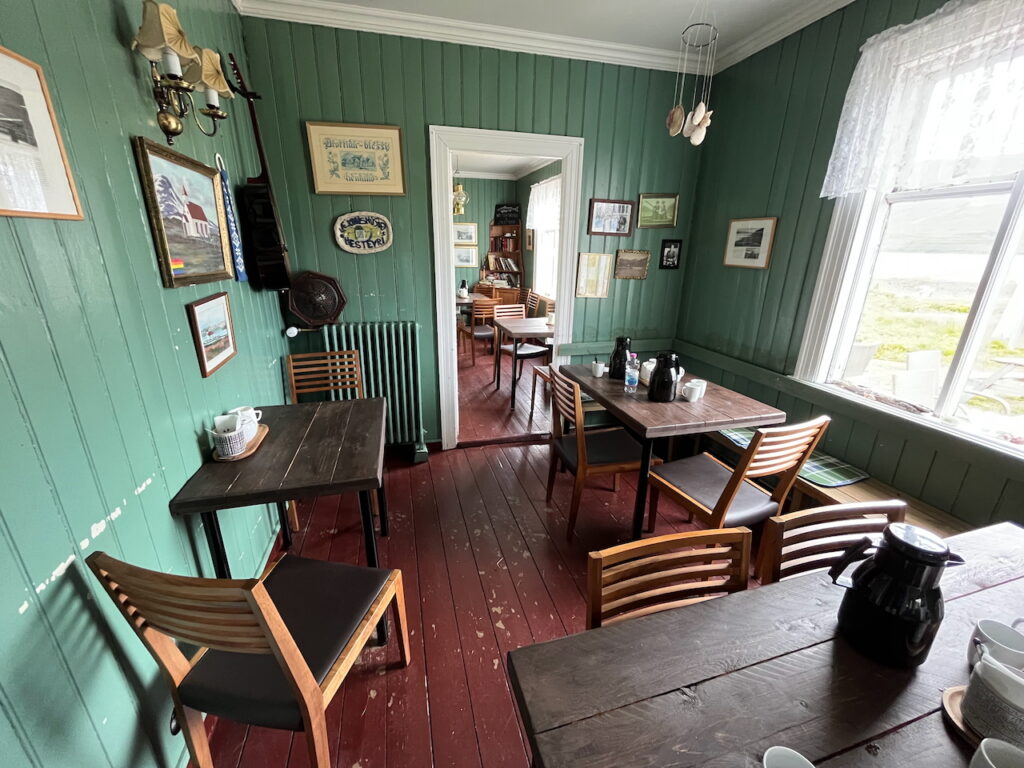
The final leg involved navigating the foggy, water-logged passes of Hlöðuvíkurskarð. As the fog lifted, the descent back to Hesteyri felt like a return to another world. The journey concluded at the Old Doctor’s House, where the simple luxury of warm crepes and coffee provided a stark contrast to the dehydrated meals of the previous week. The final boat ride back to the mainland included an unexpected bonus: a sighting of a pod of humpback whales, a fitting coda to a journey defined by the majesty of the natural world.
Supporting Data: Expedition Metrics
For those planning to replicate this journey, preparation is paramount. The terrain is unforgiving, and the weather is notoriously unpredictable.
- Total Distance: Approximately 120 km (75 miles), accounting for essential side trips to viewpoints.
- Duration: 6 days.
- Difficulty: Moderate to High. While the paths are marked, the elevation gain (4,271 meters / 14,012 feet) and the potential for severe weather necessitate advanced physical fitness.
- Essential Equipment: Given the lack of shelter, a high-quality, wind-resistant tent (such as the Tarptent Stratospire 2) is considered essential. Weather can shift from sunshine to gale-force winds in minutes.
Official Perspectives and Conservation
The Icelandic Institute of Natural History emphasizes that the preservation of Hornstrandir is a global priority. The reserve acts as a "control group" for climate change research, as the absence of human interference allows scientists to monitor the natural migration of Arctic species and the evolution of tundra flora.
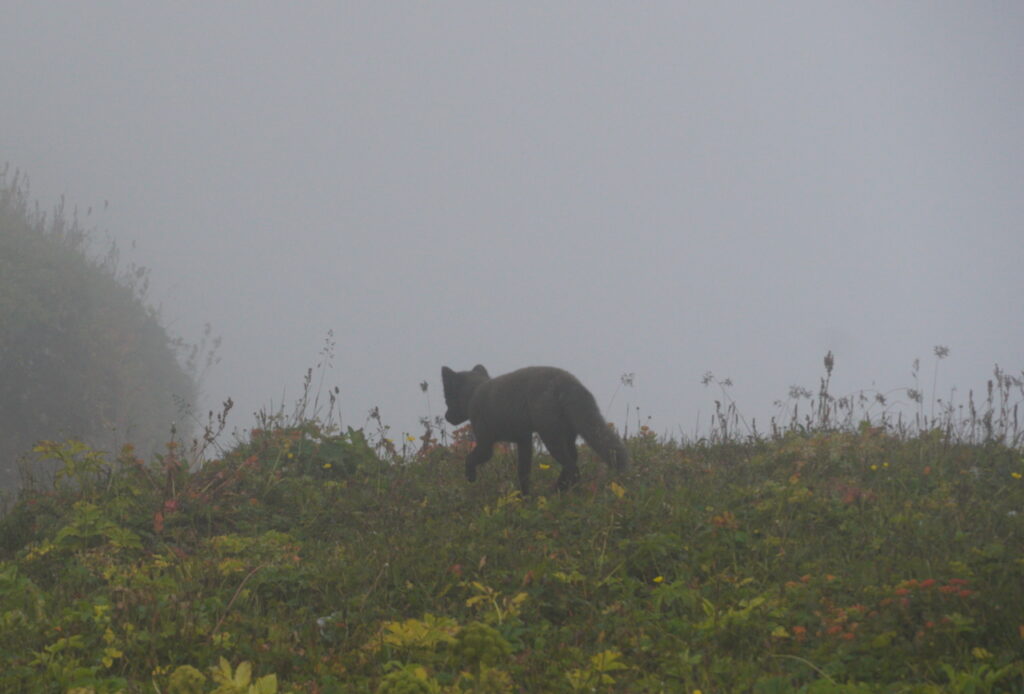
Park rangers (who patrol during the summer months) urge all visitors to practice strict "Leave No Trace" principles. Because the soil is thin and the growing season is short, foot traffic must remain on established trails to prevent permanent erosion. Furthermore, the interaction with Arctic foxes, while rewarding, is strictly regulated; visitors are forbidden from feeding the animals, as this disrupts their natural hunting patterns and creates dangerous dependencies.
Implications for the Future
The growing popularity of the Westfjords presents a complex dilemma. As more travelers seek authentic, off-the-beaten-path experiences, the pressure on the fragile Hornstrandir ecosystem increases. The current, boat-only access model acts as a natural "gatekeeper," limiting the number of visitors and ensuring that the peninsula does not suffer from the over-tourism seen at more accessible locations like the Golden Circle.
However, the future of the region relies on continued vigilance. The "Old Doctor’s House" at Hesteyri remains a vital point of contact, acting not just as a guesthouse, but as an informal information hub where rangers and locals educate hikers on the dangers of the terrain and the importance of respecting the wildlife.
In conclusion, a trip to Hornstrandir is more than a hike; it is an immersion into a landscape that existed long before our arrival and will likely endure long after we depart. For those who respect its rules and prepare for its challenges, the peninsula offers a profound, life-altering perspective on the resilience of nature in the face of the modern world.