For many adventurers, the dream of standing atop Uhuru Peak—the "Roof of Africa"—is the ultimate pinnacle of a mountaineering career. Mount Kilimanjaro, a dormant volcano rising majestically above the Tanzanian plains, offers several avenues to its summit. Among these, the Lemosho route has emerged as the gold standard for climbers seeking a blend of high success rates, pristine wilderness, and an immersive ecotourism experience.
Operated by reputable local specialists like Kilimanjaro Tanzanite Safaris, the Lemosho trail is increasingly favored by those who wish to avoid the heavy foot traffic of more common paths like the Marangu or Machame routes. By choosing Lemosho, trekkers are not merely participating in a hike; they are embarking on a carefully curated journey through some of the most diverse ecological zones on the planet.
The Essence of the Lemosho Experience
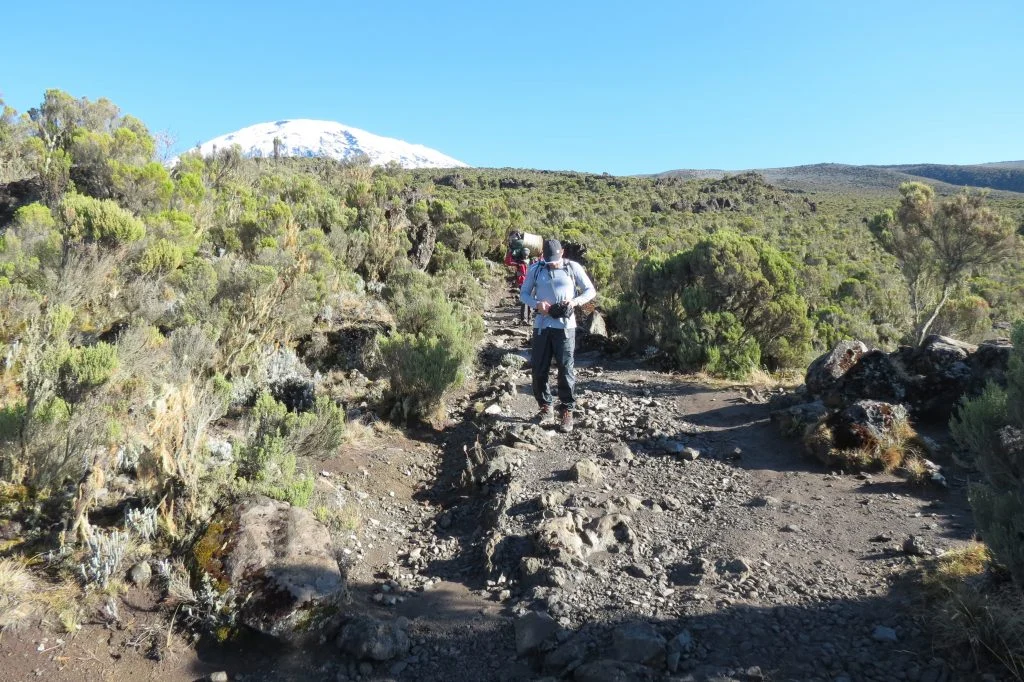
The Lemosho route is widely celebrated for its low traffic and breathtaking vistas. It approaches the mountain from the west, beginning with a drive through the scenic landscapes of Sanya Juu. The journey commences at the Londorosi Gate, where the transition from the bustling lowlands to the hushed, verdant embrace of the mountain forest begins.
Experts and seasoned guides frequently debate the merits of the seven-day versus the eight-day itinerary. While the seven-day trek is a standard offering, the eight-day adventure is the professional recommendation for those prioritizing health and success. The extra time spent on the mountain allows for superior acclimatization, significantly reducing the risks associated with altitude sickness and increasing the probability of a triumphant summit. For photographers and nature enthusiasts, the extended itinerary provides a slower pace, offering more opportunities to capture the shifting light on the Shira Plateau and the dramatic ice formations near the summit.
A Chronological Expedition: The 8-Day Itinerary
To understand why the Lemosho route is so highly regarded, one must examine the daily progression of the trek. It is a slow, deliberate ascent designed to allow the human body to adjust to the thinning air.
The Initial Ascent: Days 1–3
The journey begins with a transit from Moshi to the Londorosi Park Gate. From here, a 4WD vehicle navigates the rugged forest track to the Lemosho Glades. The first day involves a trek through lush forest trails to the Mti Mkubwa (Big Tree) campsite at 2,750 meters.
On the second day, the terrain undergoes a dramatic transformation as the trail enters the giant heather moorland zone. Climbers cross crystalline streams before ascending to the Shira Ridge at 3,600 meters. The day concludes with a gentle descent to Shira 1 camp, situated on the expansive Shira Plateau. Day three is a critical "acclimatization day." By moving to Shira 2 camp at 3,850 meters, trekkers engage in gentle walks across the plateau, allowing the body to adapt to the elevation before the final push toward the summit.
The Mid-Mountain Challenge: Days 4–5
Day four marks the trek toward the iconic Lava Tower, a volcanic plug that serves as a landmark for climbers. After reaching the tower, the path descends toward the Barranco Hut at 3,940 meters.
For those on the eight-day itinerary, this is where the strategy shines. A night at the Karanga Camp is included, providing an essential buffer for acclimatization. Day five involves a scramble over the Great Barranco Wall, a thrilling section of the hike that tests the mettle of climbers. The route then traverses scree and ridges toward the Karanga Valley, set against the backdrop of the Heim, Kersten, and Decken Glaciers. The final leg of the day leads to the Barafu Hut, the bleak, high-altitude base camp at 4,600 meters, where climbers rest and prepare for the final ascent.
The Summit Push and Descent: Days 6–7
The sixth day is the culmination of the effort. A pre-dawn start allows climbers to reach the rim of the Kibo Crater between the Rebmann and Ratzel Glaciers. Reaching Uhuru Peak is a life-changing moment, offering panoramic views of Mount Meru to the west and the jagged Mawenzi peak to the east. After the summit, the descent begins, passing through the Mweka Hut before the final walk through the forest on day seven to reach the park gate.
Supporting Data: Why Ecotourism Matters
The rise of the Lemosho route is inextricably linked to the global demand for sustainable travel. Ecotourism on Kilimanjaro is not merely about "taking photos"; it is about responsible stewardship of the mountain’s fragile ecosystems. By utilizing routes like Lemosho, Northern Circuit, or the Rongai route via Mawenzi Saddle, trekking companies aim to distribute human impact more evenly across the mountain.
The logistics involved in a safe climb are extensive. Professional operators, such as Kilimanjaro Tanzanite Safaris, provide not only the logistical support—meals, porters, and equipment—but also the safety infrastructure. This includes emergency oxygen bottles, pulse oximeters to monitor blood oxygen levels, and, crucially, AMREF Flying Doctor air rescue insurance. These services are vital, as they ensure that should an emergency occur, the trekker is supported by a sophisticated medical and rescue network.
Official Perspectives and Professional Standards
When discussing the planning of a Kilimanjaro expedition, industry experts emphasize the importance of choosing a DMC (Destination Management Company) that prioritizes the welfare of both the mountain and its staff.
"Prices for these expeditions vary based on the scale of the operation and the specific needs of the group," says a spokesperson for Kilimanjaro Tanzanite Safaris. "However, one should be wary of ‘budget’ operations that cut corners on safety equipment or the fair treatment of porters. A truly professional service includes comprehensive support: airport transfers, government taxes, skilled mountain staff salaries, and high-quality camping equipment."
The organization maintains that while the eight-day Lemosho package carries a higher initial cost than the seven-day version, the "cost per success" is effectively lower. The investment in an extra day of acclimatization is a hedge against the risk of having to turn back due to altitude sickness—a common disappointment for those who attempt to rush the mountain.
Implications for Future Mountaineers
As the travel industry recovers and evolves, the expectations of the modern climber are changing. There is a marked shift toward educational and nature-focused travel. Students, researchers, and professional photographers are increasingly choosing the Lemosho route specifically for its environmental integrity and the opportunities it provides for deep, uninterrupted connection with the wilderness.
Moreover, the inclusion of local expertise is vital. A Tanzanian-based operator understands the nuances of the mountain’s weather patterns, the cultural significance of the landscape, and the local regulations that govern the park. For travelers planning their next excursion, the recommendation is clear: engage with a local, reputable DMC early in the process.
Final Travel Considerations
For those preparing to book their adventure, keep in mind that most standard packages do not include international flights, entry visas, or personal climbing gear. However, high-quality rental equipment is widely available in Moshi. Regarding accommodations, many experts suggest staying in eco-resorts or sustainable lodges in Moshi prior to the climb. These establishments not only provide a comfortable base for final preparations but also align with the broader ethos of sustainable tourism.
Whether you are a seasoned mountaineer looking for your next peak or a traveler seeking a transformative journey through one of the world’s most spectacular ecosystems, the Lemosho route offers an unmatched path to the clouds. Through careful planning, a respect for the mountain’s pace, and a commitment to responsible travel, the summit of Kilimanjaro is more than just a destination—it is a testament to the endurance of the human spirit and the majesty of the natural world.
For those interested in booking, contact the experts at Kilimanjaro Tanzanite Safaris to discuss custom itineraries, photographic safaris, and specialized ecotourism packages.