Executive Summary: A New Horizon for Korean Renewables
In a significant stride toward accelerating South Korea’s energy transition, international renewable energy developer Gurün Energy has successfully secured Electricity Business Licences (EBLs) for three major utility-scale solar projects located within the Jeonnam-Gwangju Integrated Special City. This regulatory milestone, granted by the Ministry of Climate, Energy, and Environment, clears a critical path for the construction of 379MW of new solar capacity, which, when integrated with existing project pipelines, will contribute to a total operational capacity of approximately 500MW.
This development marks a pivotal moment for both the company and the region. As South Korea strives to meet its ambitious net-zero targets and satisfy the surging power demands of its burgeoning semiconductor and AI sectors, these projects serve as a cornerstone of the regional infrastructure strategy. By leveraging a blend of global development expertise and local partnerships, Gurün Energy is positioning itself as a primary architect of the peninsula’s green industrial future.
The Projects: Infrastructure Breakdown
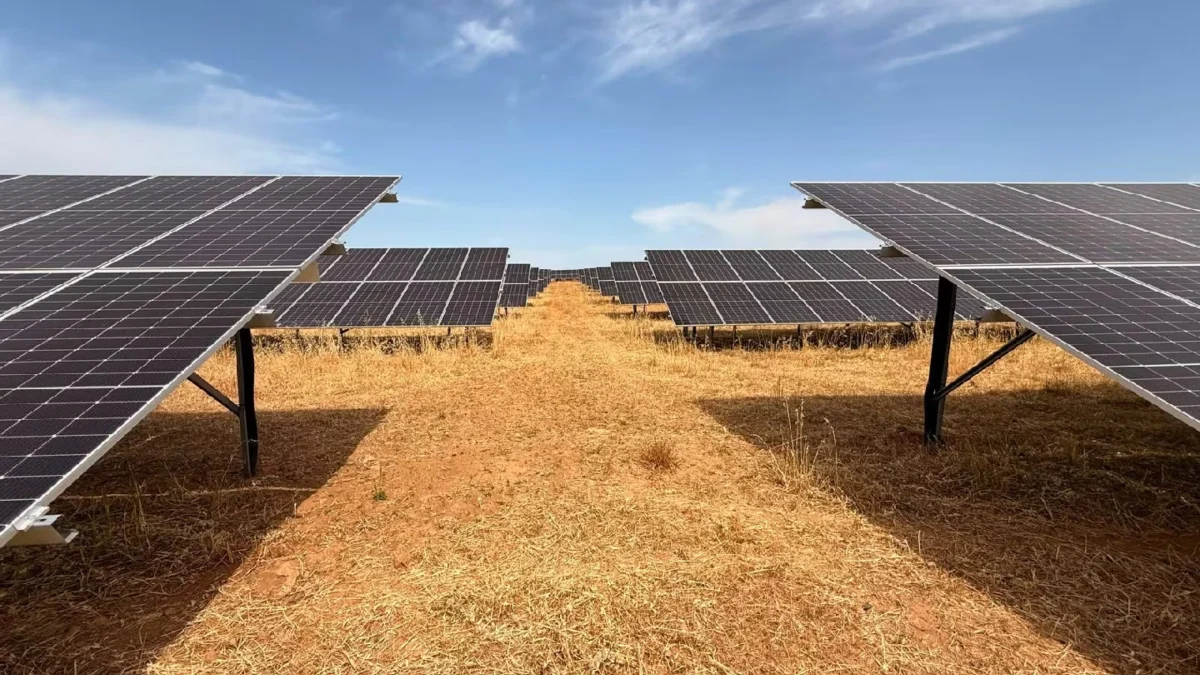
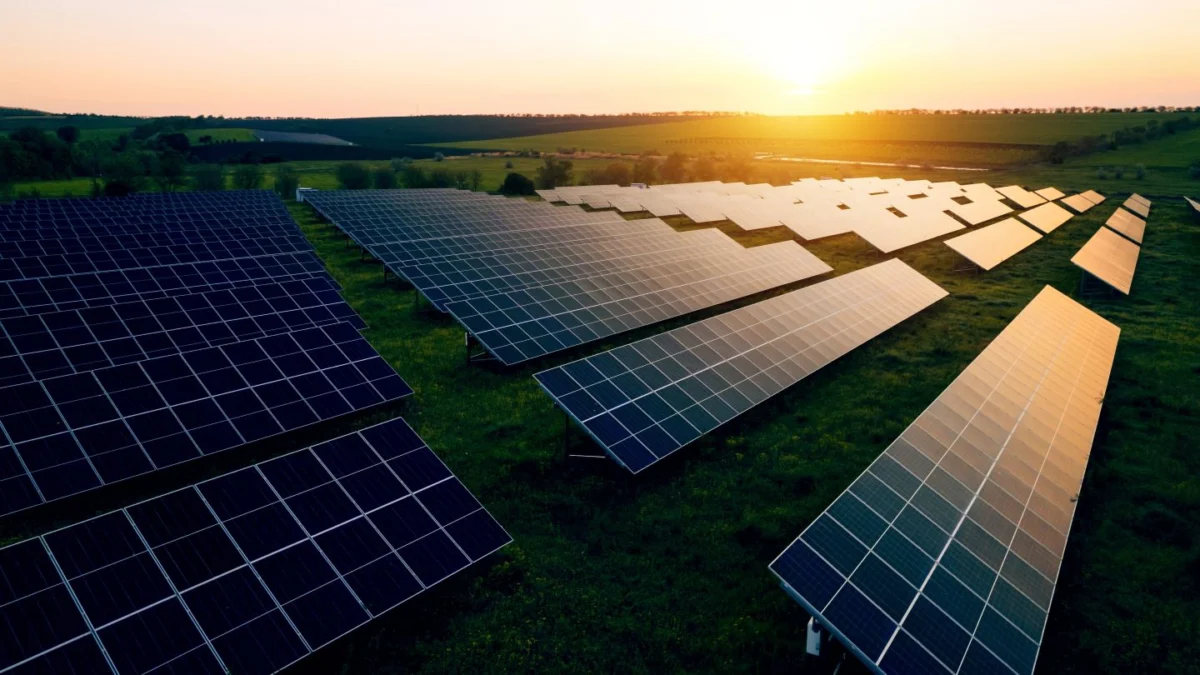
The newly licensed capacity is distributed across three distinct projects, each strategically sited to maximize irradiation and grid connectivity in the Jeonnam-Gwangju region.
1. The Jindo Green Solar Project
Located on the coastal landscape of Jindo Island, the Jindo Green Solar project represents the largest single component of this recent approval. Following an initial award of 216MW in early 2026, the project has successfully finalized its EBL acquisition. The island’s unique geographical profile offers high solar potential, and the development is designed to integrate seamlessly with the local electrical grid, providing a stable source of clean energy to the mainland.
2. Jindo Jido-yeomjang Solar Power Project
Complementing the larger Jindo Green project, the Jido-yeomjang installation has reached its full licensing capacity of 65MW. The completion of the EBL process for this facility signifies the project’s transition from the planning and permitting phase to the pre-construction stage, further cementing Jindo Island’s status as a hub for renewable energy generation.
3. Goheung Nuri Solar Power Project
Situated in the Goheung-gun region, the Goheung Nuri project has secured 98MW in licences. This figure represents exactly 50% of its targeted total capacity. A notable aspect of this venture is its structure: it operates as a joint venture between Gurün Energy and Kumyang Green Power. This collaboration is specifically intended to marry Gurün’s international project management rigor with Kumyang’s deep-rooted knowledge of the South Korean domestic power market, ensuring that regulatory, social, and technical hurdles are cleared with efficiency.
Chronology of Development: A Strategic Roadmap
The path to these EBLs was not overnight. It is the result of a multi-year, disciplined strategy to build a robust portfolio within South Korea.
- 2025: The Foundation Phase. Gurün Energy initiated a aggressive expansion, acquiring a 300MW portfolio of mixed solar and wind assets. This acquisition established the company’s physical presence and operational legitimacy in the Korean market.
- Early 2026: Initial Breakthroughs. The company secured the first tranche of 216MW in licences for the Jindo Green Solar project, proving its ability to navigate the complex Korean permitting landscape.
- August 2026: Consolidation. The recent announcement represents the culmination of efforts throughout the summer of 2026, with the successful licensing of the remaining portions of the Jindo and Goheung projects.
- Future Outlook: With these 379MW in new licences added to the broader 600MW portfolio, Gurün Energy is now focusing on the procurement of components and the finalization of Engineering, Procurement, and Construction (EPC) contracts to move these projects into the active construction phase.
Supporting Data: Impact and Scaling
The scale of this development is not merely an achievement in megawatts; it is a solution to a growing socioeconomic need.
Powering Households
According to internal assessments by Gurün Energy, the combined 500MW capacity generated by these three projects will be sufficient to meet the annual electricity requirements of approximately 200,000 households. This provides a tangible metric for the environmental and social impact of the investment, illustrating a shift away from fossil-fuel-dependent generation toward decentralized, renewable domestic production.
The 600MW Portfolio
These projects are part of a larger 600MW portfolio that Gurün Energy holds across South Korea. This total encompasses both wind and solar assets, reflecting a diversified approach to intermittent energy sources. The company’s ability to manage this portfolio demonstrates its capacity to balance different technological requirements—wind turbine operations versus photovoltaic solar arrays—across varying topographical regions.
Official Perspectives: The Leadership Vision
The successful acquisition of these licences has been hailed by leadership as a testament to the company’s operational philosophy.
Seongoh Yeom, the Seoul representative director for Gurün Energy, emphasized the multifaceted nature of the project development process:
"We are pleased to have secured this major milestone in the development of our three utility-scale solar power projects in Jeonnam-Gwangju Integrated Special City. The EBLs awarded by the Ministry of Climate, Energy and Environment reflect Gurün Energy’s long-term commitment to South Korea as well as our disciplined approach to project development, including regulatory compliance, community engagement, environmental protection, and technical design."
Yeom’s statement underscores a critical element of modern renewable development: it is no longer enough to simply have the technology. Success now relies on "community engagement" and "regulatory compliance," areas where Gurün Energy has invested heavily to ensure that its projects gain the support of local stakeholders and the trust of government regulators.
Implications for the Korean Energy Landscape
The Jeonnam-Gwangju Integrated Special City is currently undergoing a radical transformation. As the South Korean government pushes to turn the area into a global center for the semiconductor and AI industries, the demand for high-quality, reliable, and sustainable electricity has never been higher.
The Energy-Industry Nexus
Semiconductor manufacturing and AI data centers are incredibly energy-intensive. As these industries expand in the Jeonnam-Gwangju region, they require stable power sources to maintain operational continuity. By locating large-scale solar projects within the same region as these industrial hubs, Gurün Energy is effectively shortening the distance between energy generation and energy consumption, reducing transmission losses and stabilizing the local grid.
Advancing the Regional Transition
South Korea’s broader energy transition strategy seeks to move the nation away from its historical reliance on imported fossil fuels. Gurün Energy’s mission to "accelerate the energy transition in Asia" aligns perfectly with the Korean government’s climate goals. By developing, owning, and operating these assets, the company is not just acting as a contractor, but as a long-term utility partner, ensuring that the infrastructure remains productive for decades.
Market Signaling
The success of this 500MW initiative sends a strong signal to other international investors. It demonstrates that despite the complexities of the Korean regulatory environment, a disciplined and localized approach can yield significant results. As Gurün Energy continues to scale, it is likely that other developers will look to this model—partnering with local experts like Kumyang Green Power—to unlock further potential in the Korean renewables sector.
Conclusion: Looking Ahead
As Gurün Energy transitions from the licensing phase to the operational rollout, the 500MW of capacity represented by these three projects will become a vital part of the South Korean energy mix. By providing clean energy to 200,000 households and supporting the high-tech industrial base of the Jeonnam-Gwangju region, the company is proving that renewable energy is not just an environmental imperative, but an economic one.
With a growing 600MW portfolio and a clear track record of successful project execution, Gurün Energy is well-positioned to remain a dominant player in the Asian energy market. The coming years will be defined by the physical construction of these solar arrays, a process that will bring not only clean electricity but also jobs, investment, and technological innovation to South Korea. The path toward a sustainable future is being paved one megawatt at a time, and with these latest EBLs, the momentum for Gurün Energy has never been stronger.